


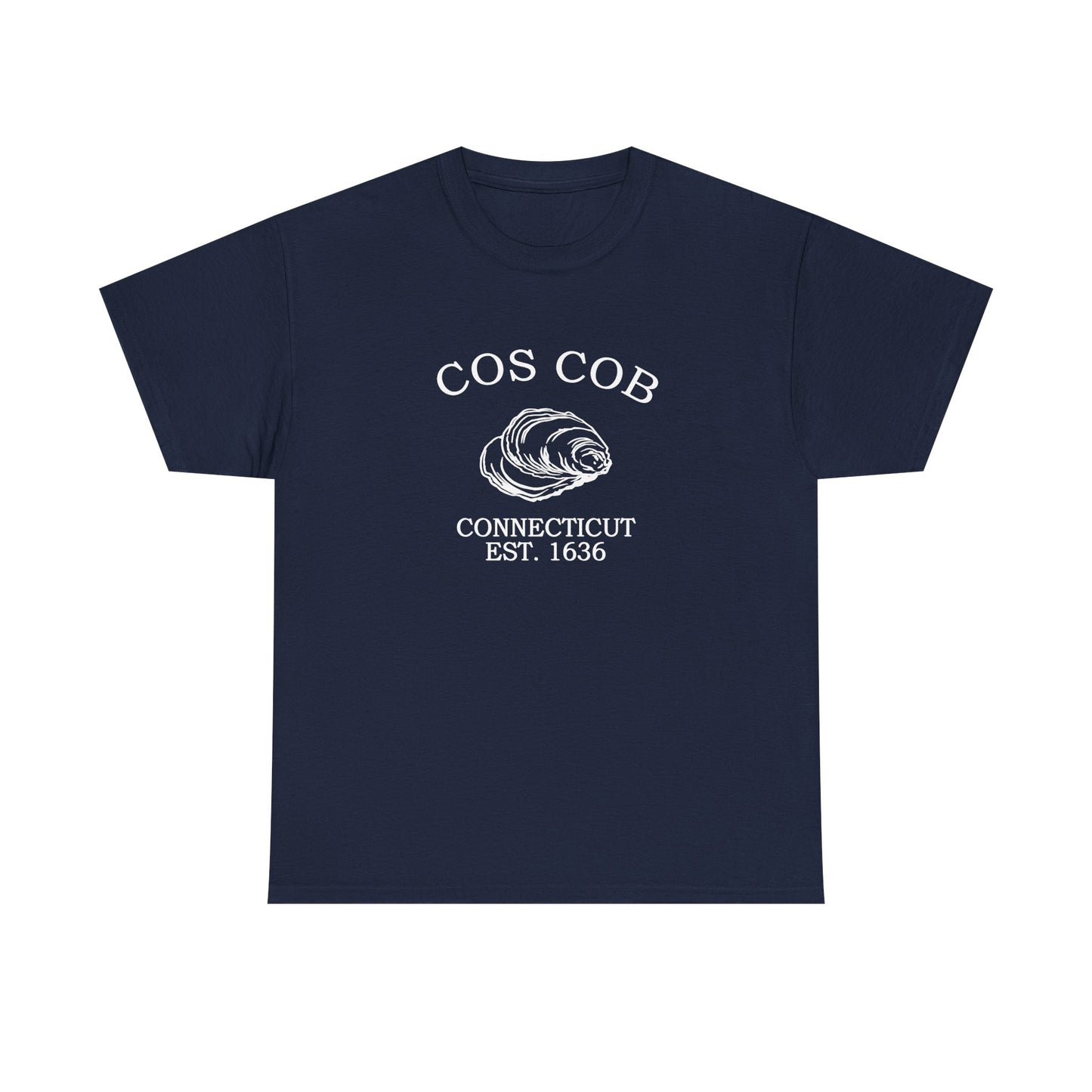
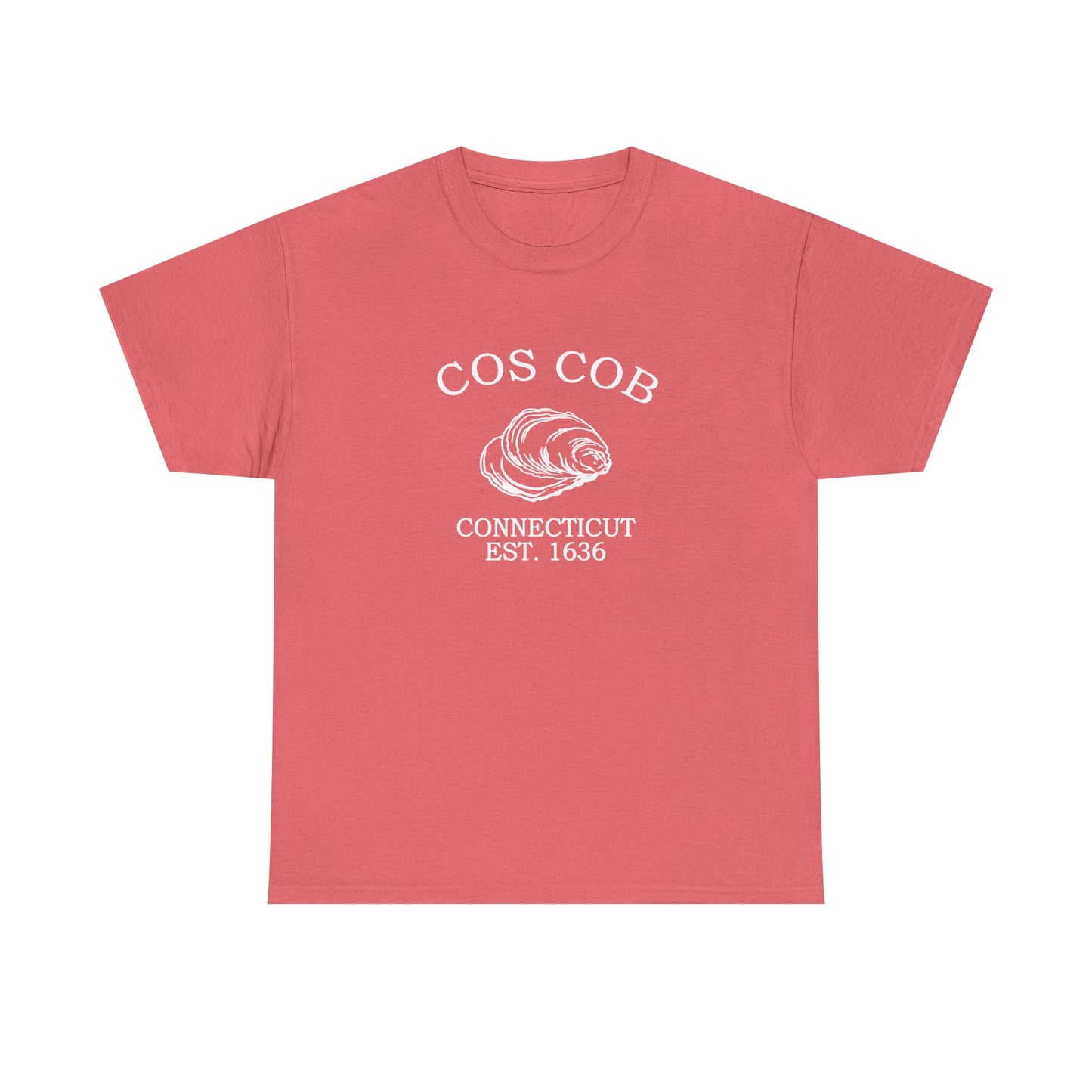
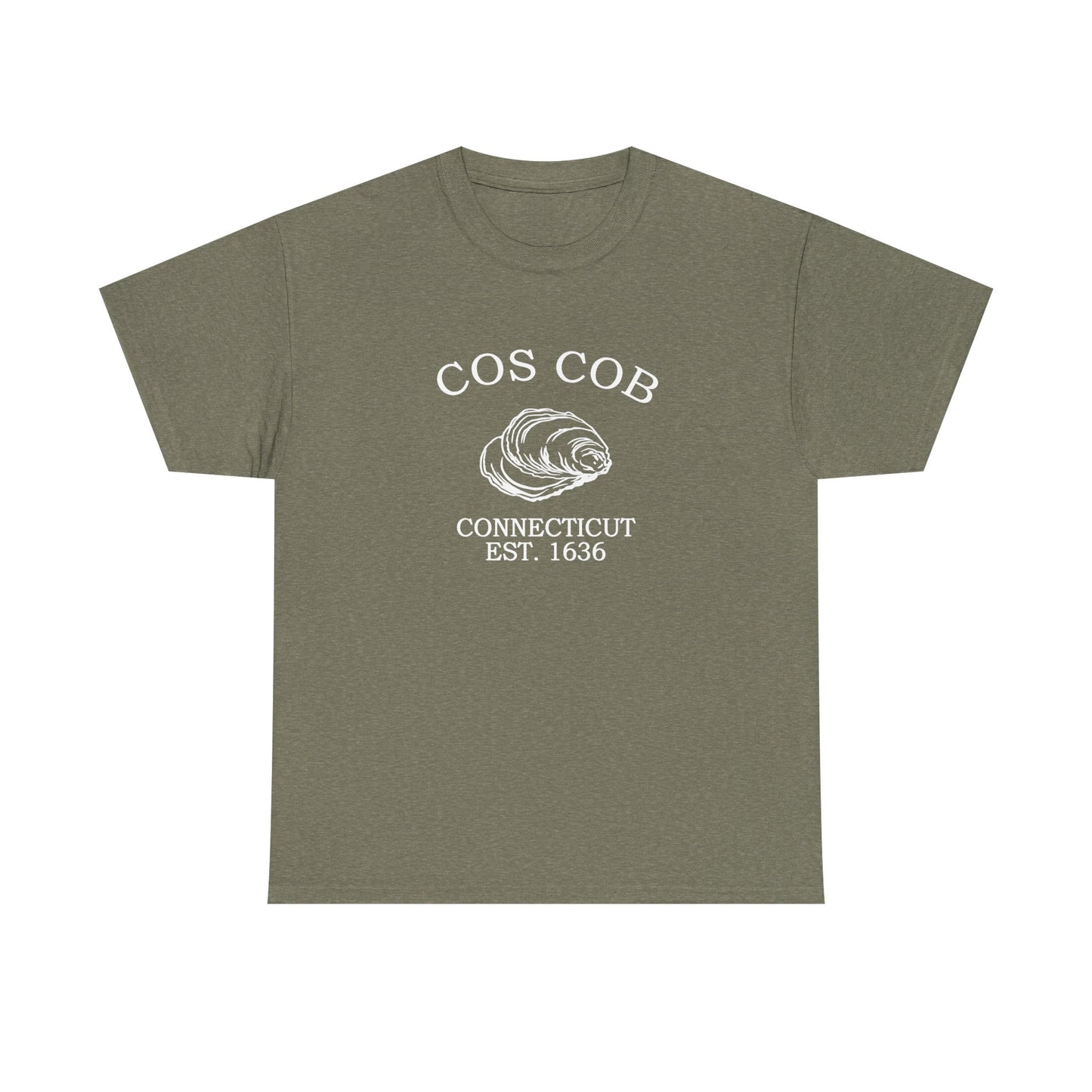
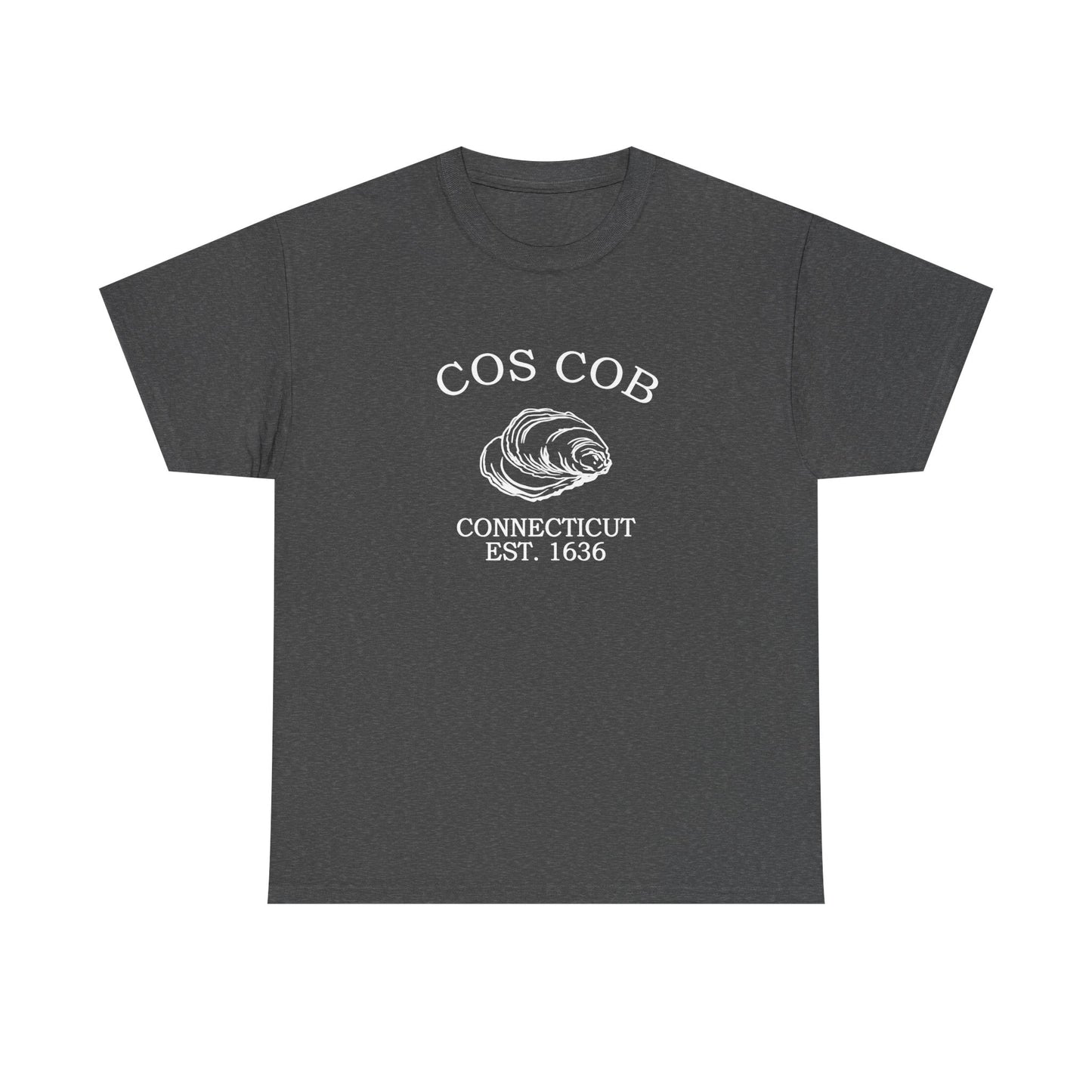
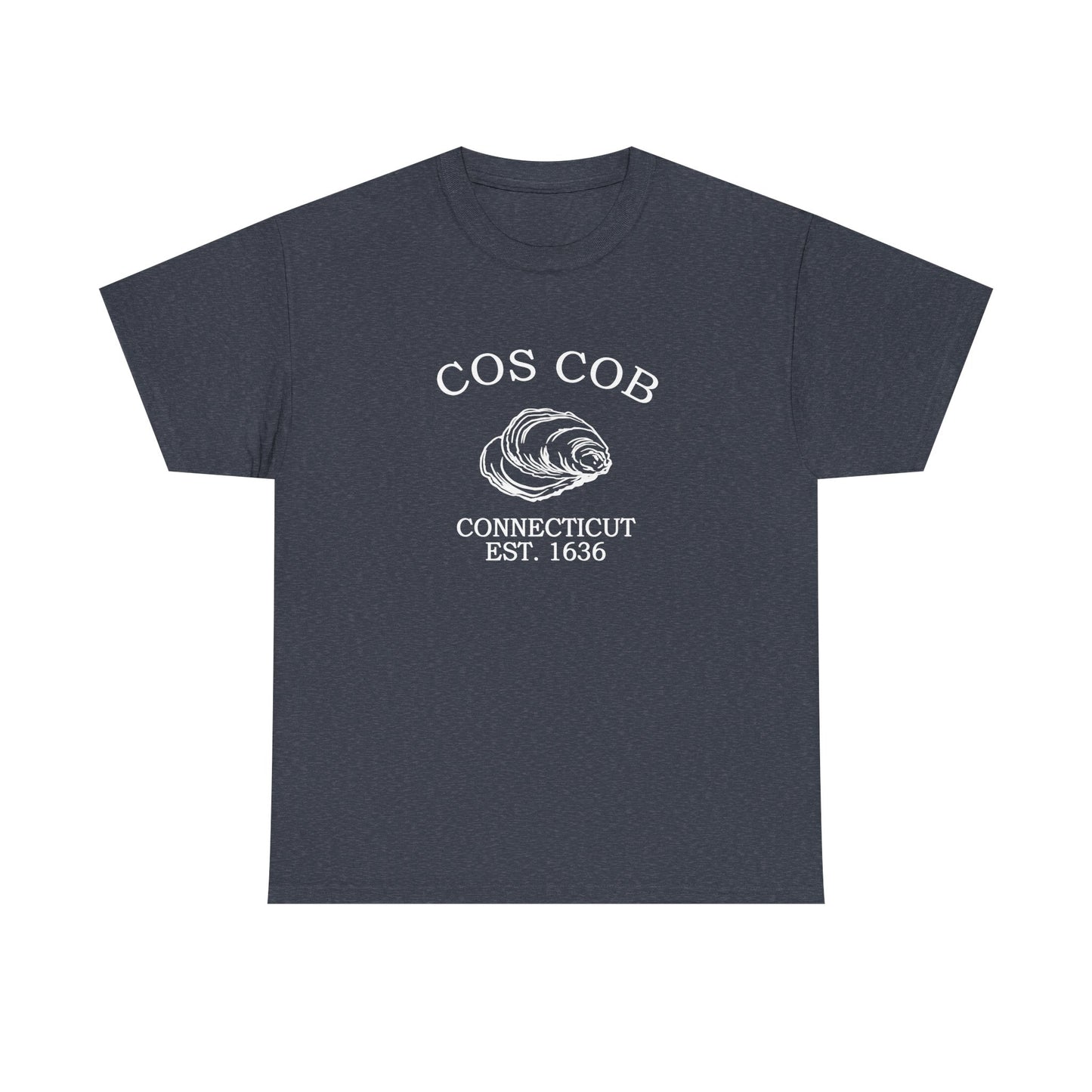
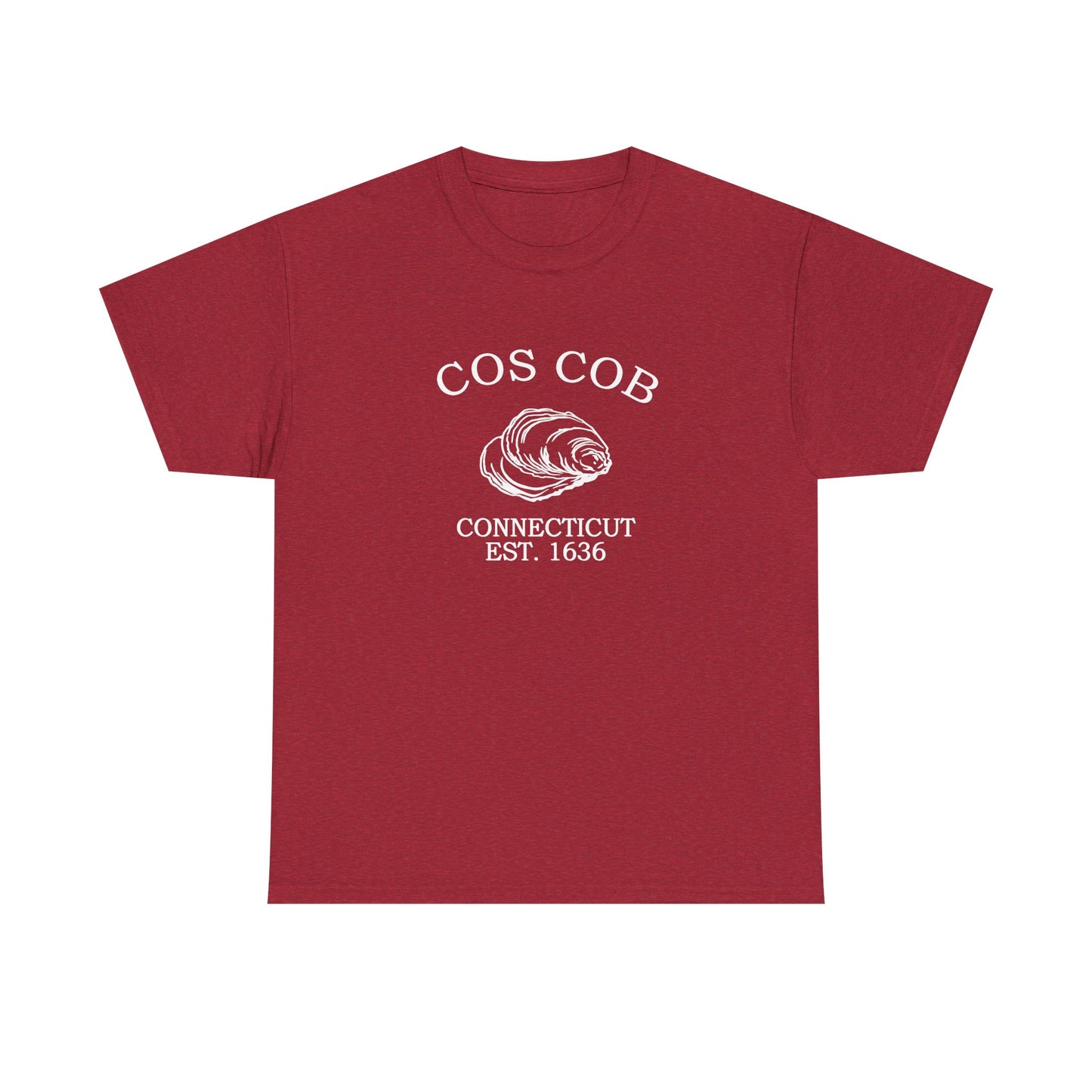
So Cos Cob gathers a colonial saltbox, a boarding house full of painters, and the first Impressionist colony in Connecticut onto the banks of the Mianus. Our Cos Cob designs gather that into wearable form. Wear the history. Where the Impressionists painted the Mianus — Cos Cob, CT.
The colony faded by the 1920s, but its home was saved. The Greenwich Historical Society bought the Bush-Holley House in 1957 and opened it as a museum the next year; in 1991 it was named a National Historic Landmark. It still tells two stories — the New Nation and the Art Colony — and hangs works by Twachtman, Hassam, Lawson, and MacRae in its galleries, so the painters who once boarded here are still on the walls.
Why People Visit Cos Cob
Cos Cob offers art heritage and green escapes in a small, walkable village. Visitors pair the Bush-Holley House and its Impressionist collection with river paths, harbor overlooks, and quiet historic streets. It is tranquil, residential, and close to the water, with year-round appeal in its parks, paths, and public spaces. History and everyday life sit side by side here, from the saltbox over the harbor to the trails along the Mianus.
