




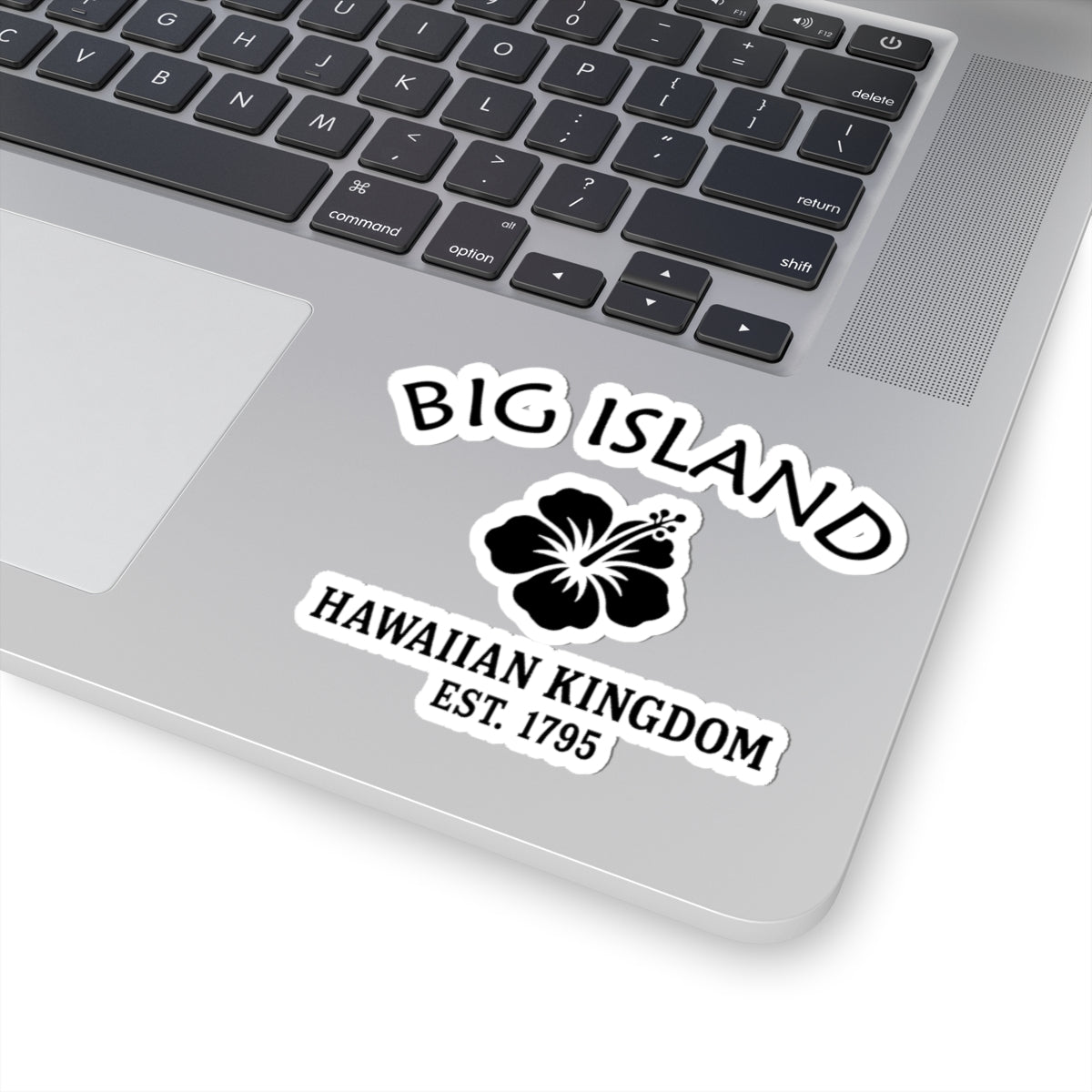
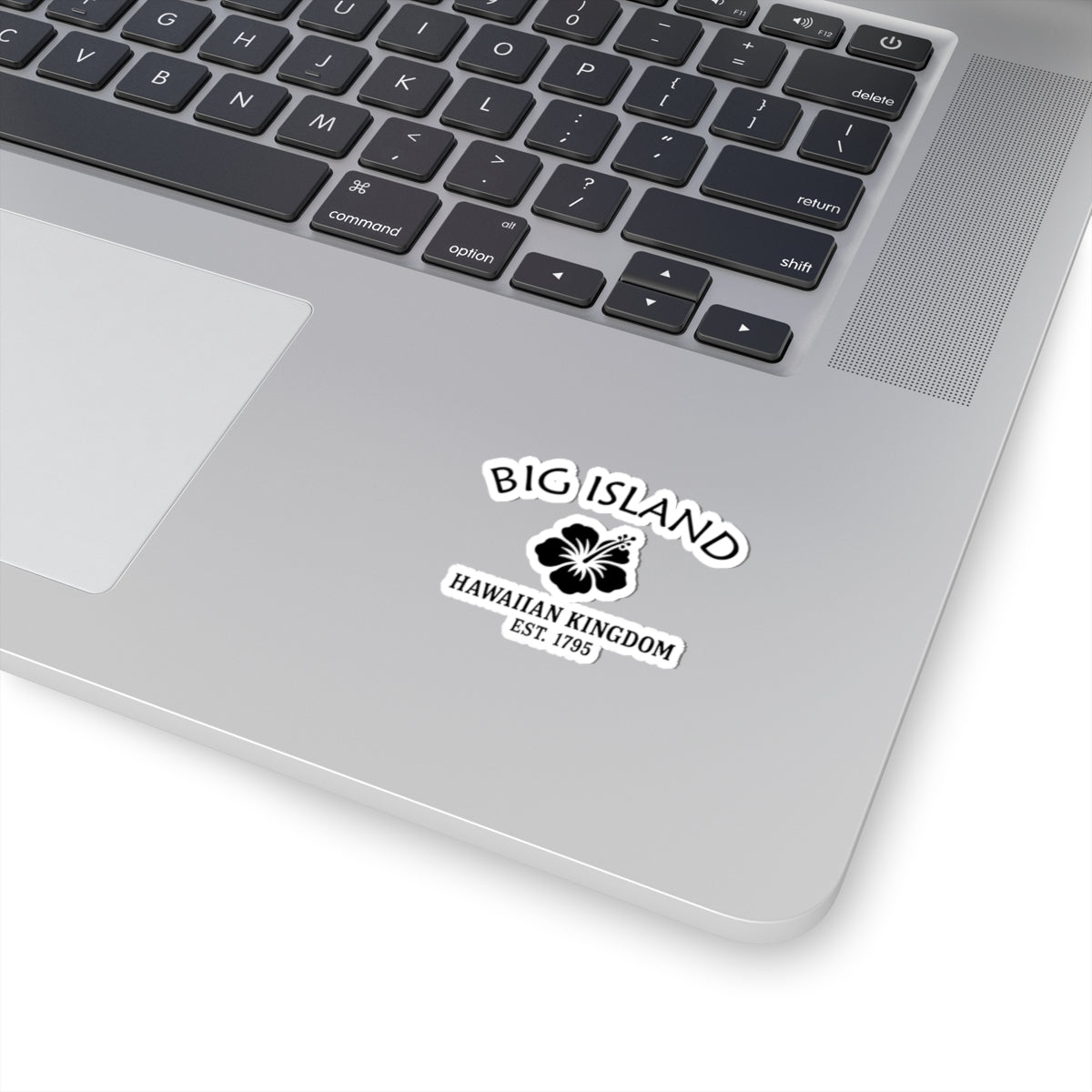

Our Big Island logo carries a hibiscus — Hawaiʻi's flower — over "Hawaiian Kingdom, Est. 1795," the year Kamehameha united the islands. The hibiscus and the date are the island's shorthand: beauty, endurance, and the Hawaiian Kingdom that began here. Printed black-and-white with the worn look of an old travel sticker or crate label, it reads as vintage island heritage. What makes this one the Big Island is the place behind it: the volcanoes, the paniolo, the coffee, the snow on Mauna Kea. On a tee or a cap it reads less like a souvenir and more like a piece of Hawaiʻi — Est. 1795, worn plain.
To manage the wild cattle, ranchers brought Mexican vaqueros to the island in the 1830s; they trained Hawaiian riders, who became the paniolo — Hawaiʻi's cowboys, named from español. Parker Ranch took root in Waimea in 1847 and grew into one of the largest ranches in the United States. The coffee belt rose in the Kona uplands, and the great volcanoes drew the world: Hawaiʻi Volcanoes National Park was established in 1916 around Kīlauea and Mauna Loa, and the summit of Mauna Kea — sacred in Hawaiian culture and the tallest mountain on Earth base-to-peak — became home to world-class observatories. Two coasts, snow and lava, coffee and cattle: an island that is never quite finished.
Why People Visit the Big Island
People come to the Big Island for the volcanoes, the coffee, and the sheer range of it — snow and lava, ranch and reef, all on one island. Its towns of Hilo, Kona, and Waimea give it two coasts and a paniolo heartland, and the land itself is still being built at the volcano's edge.
