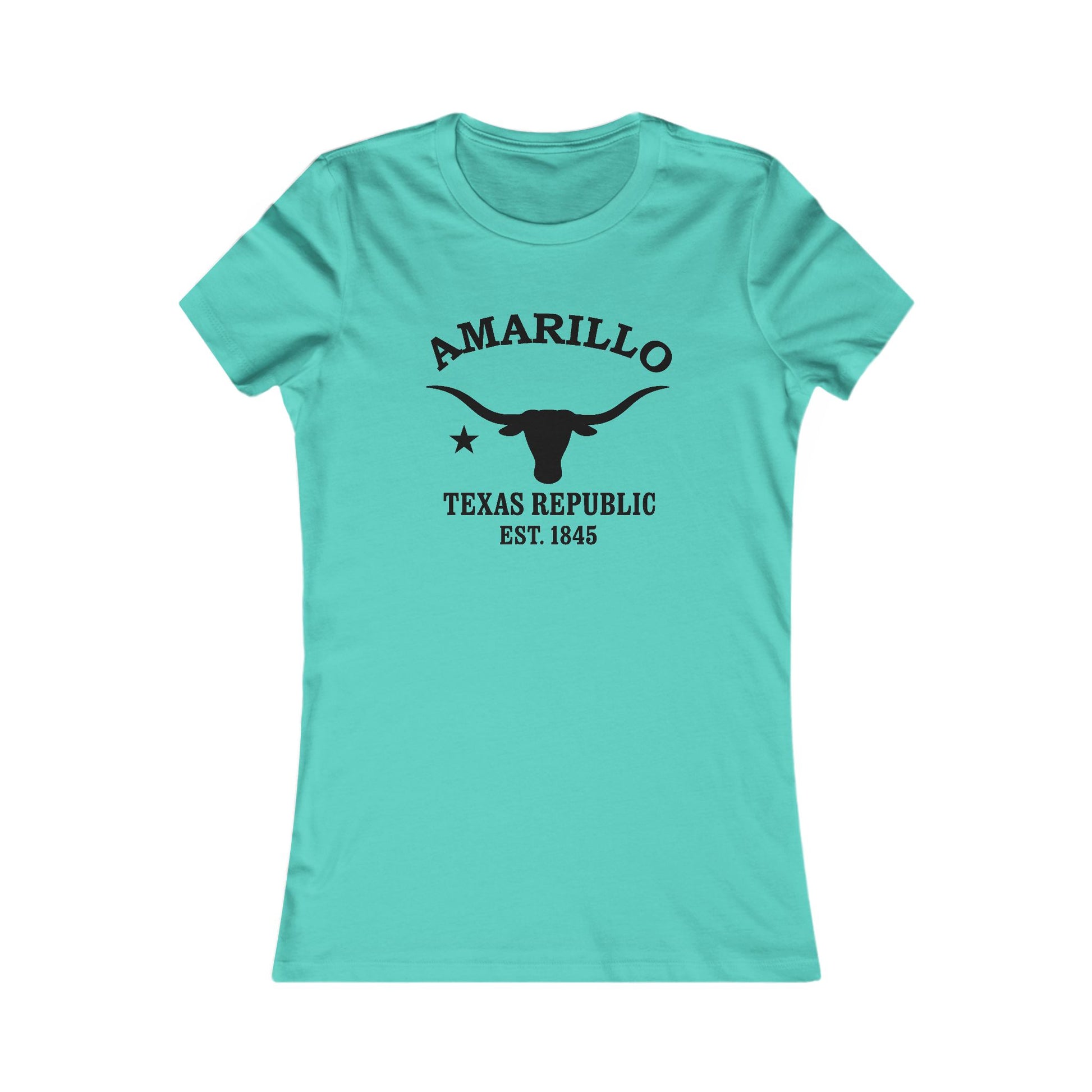
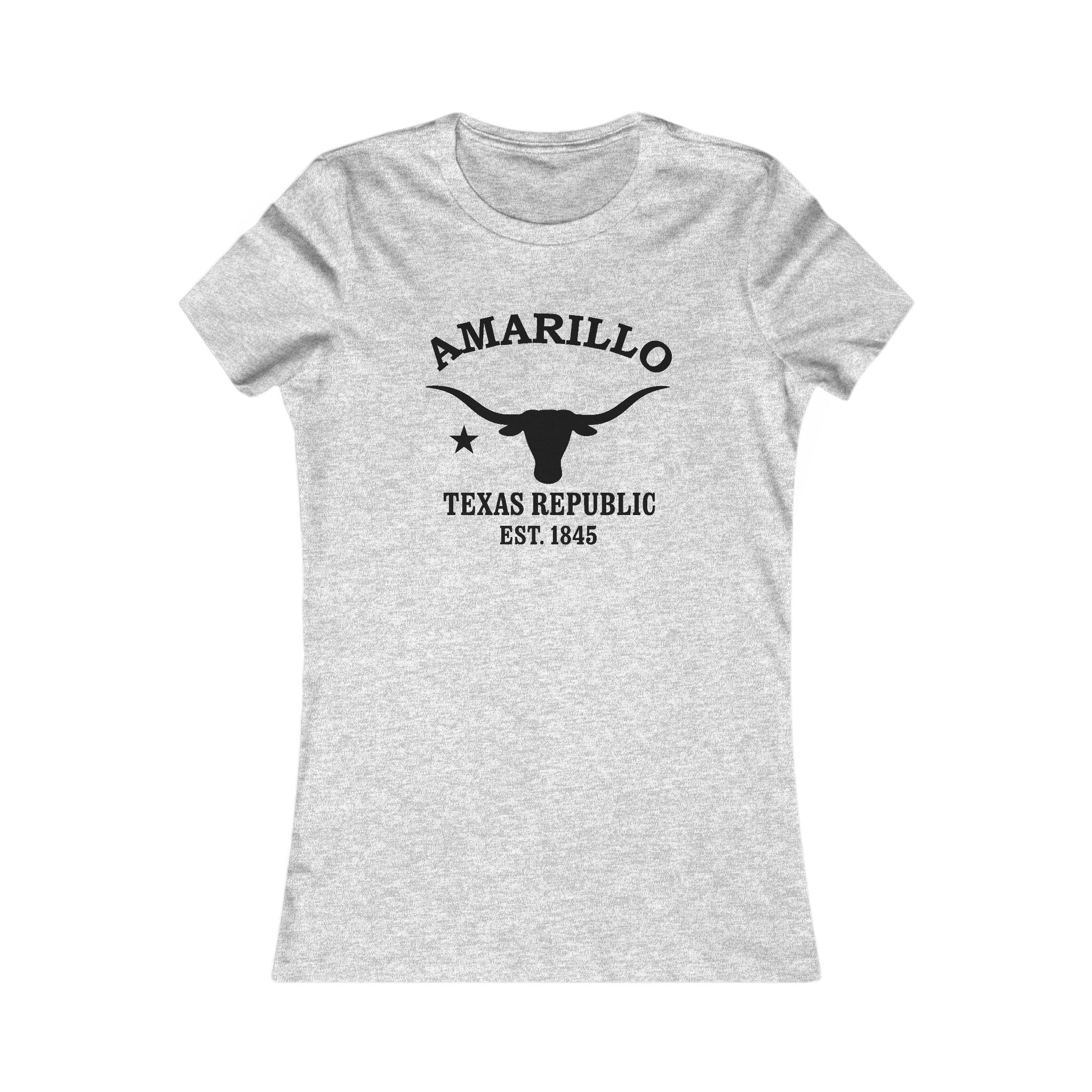
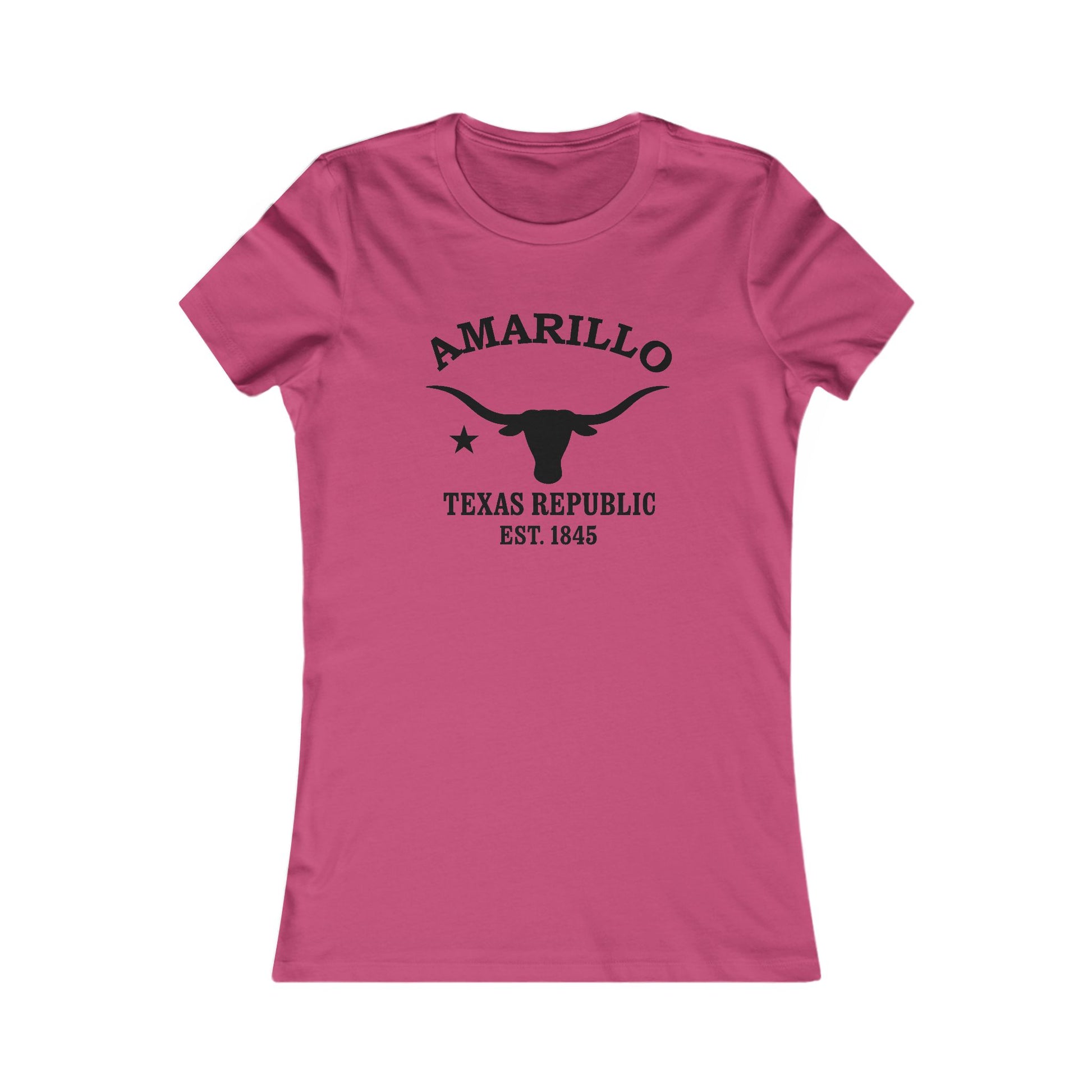
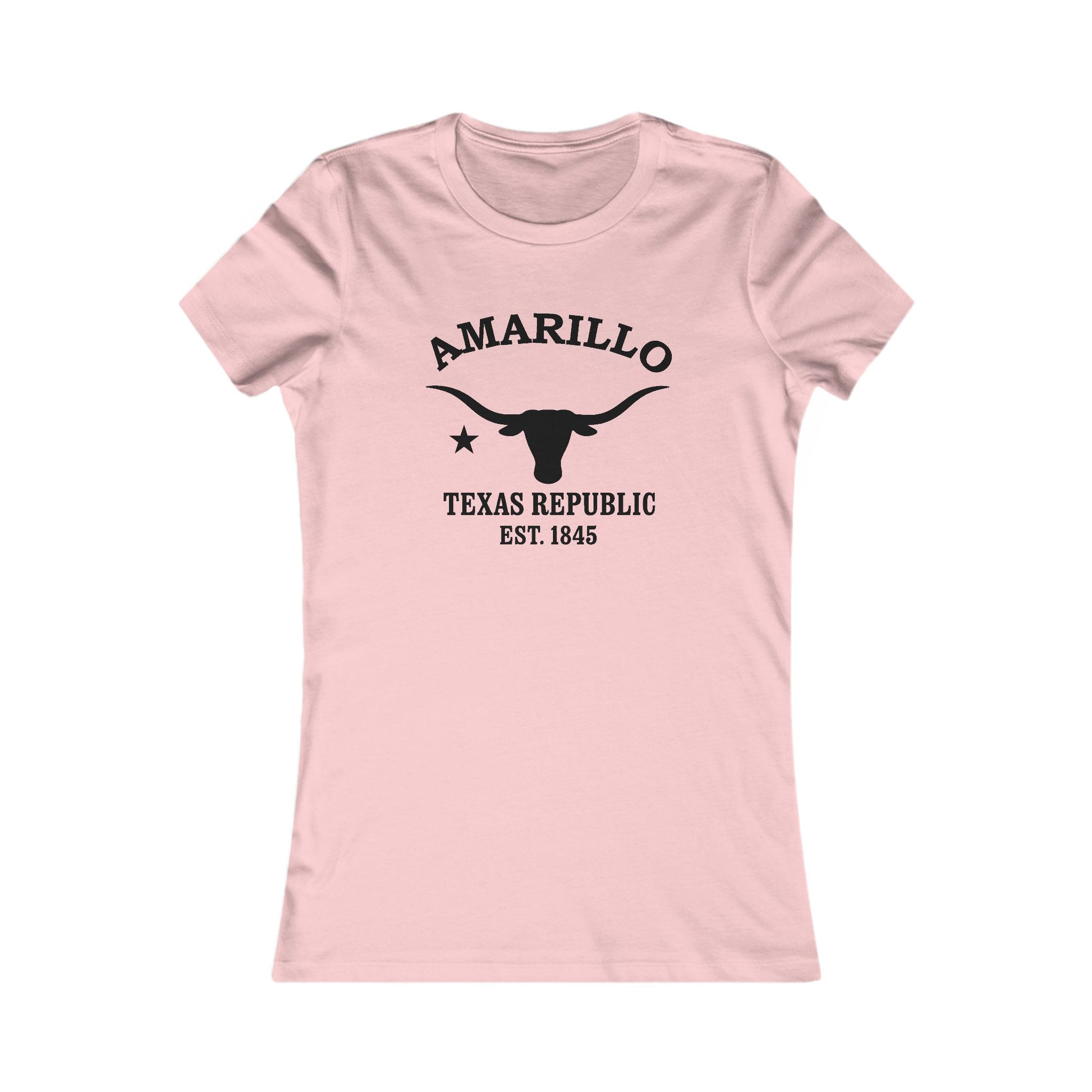
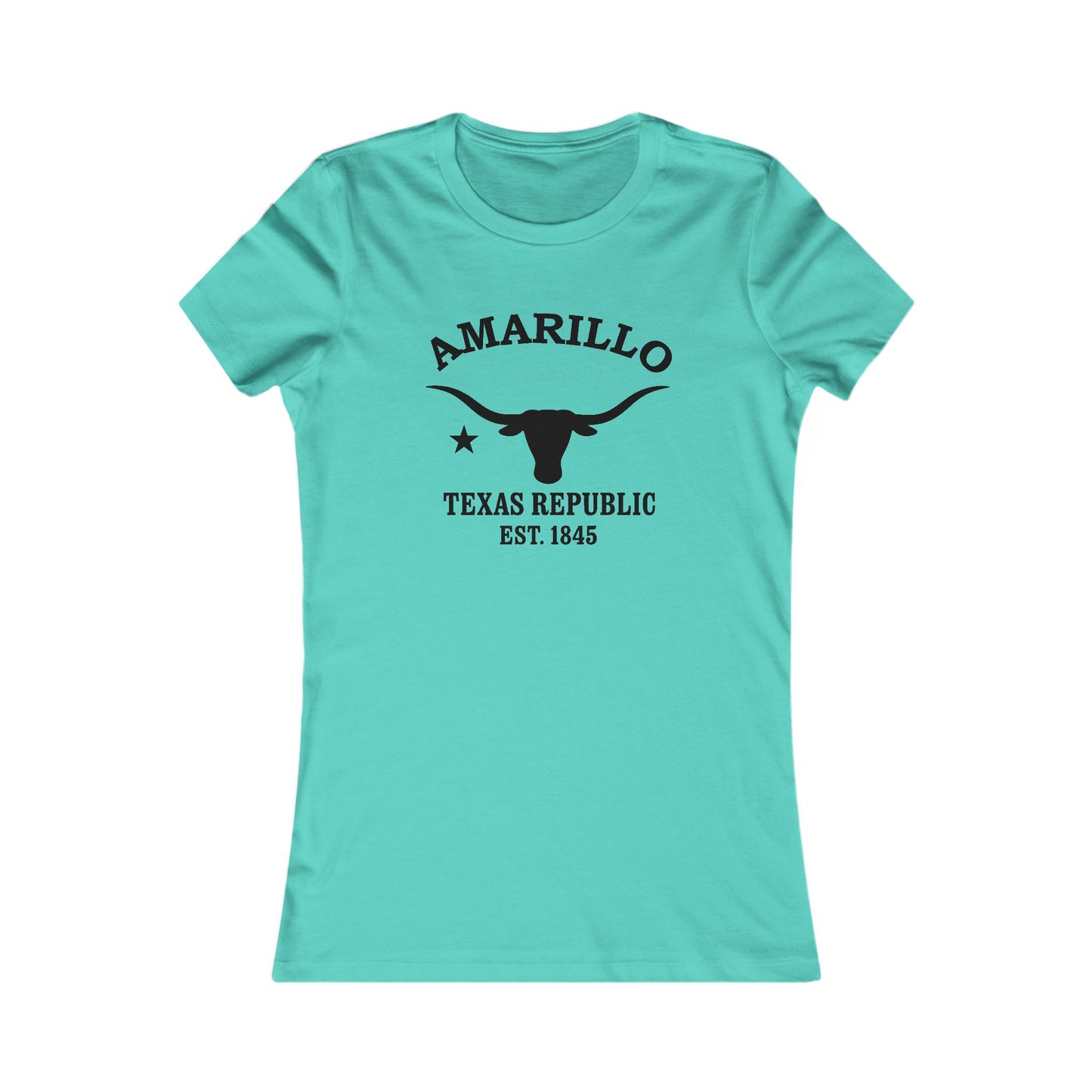
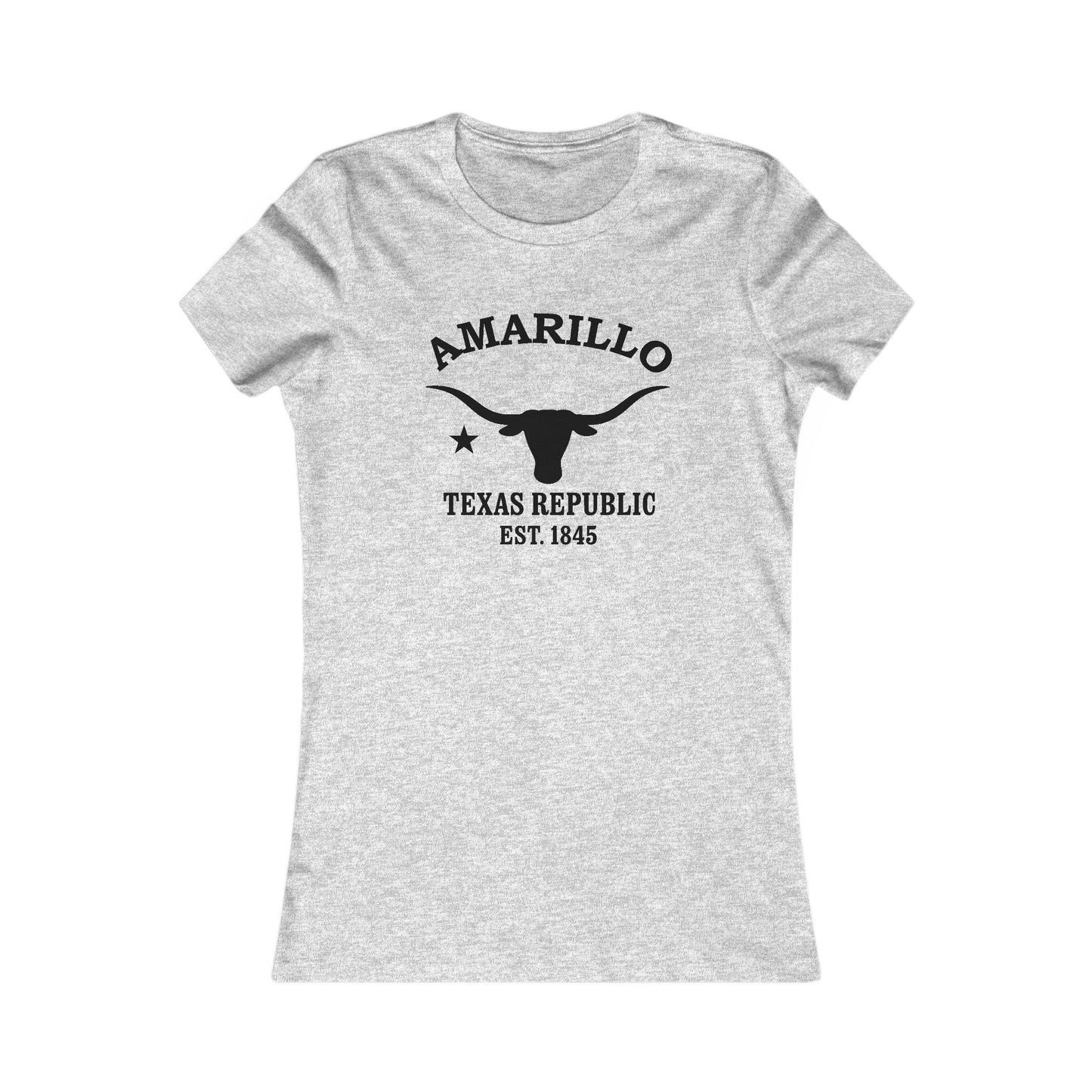
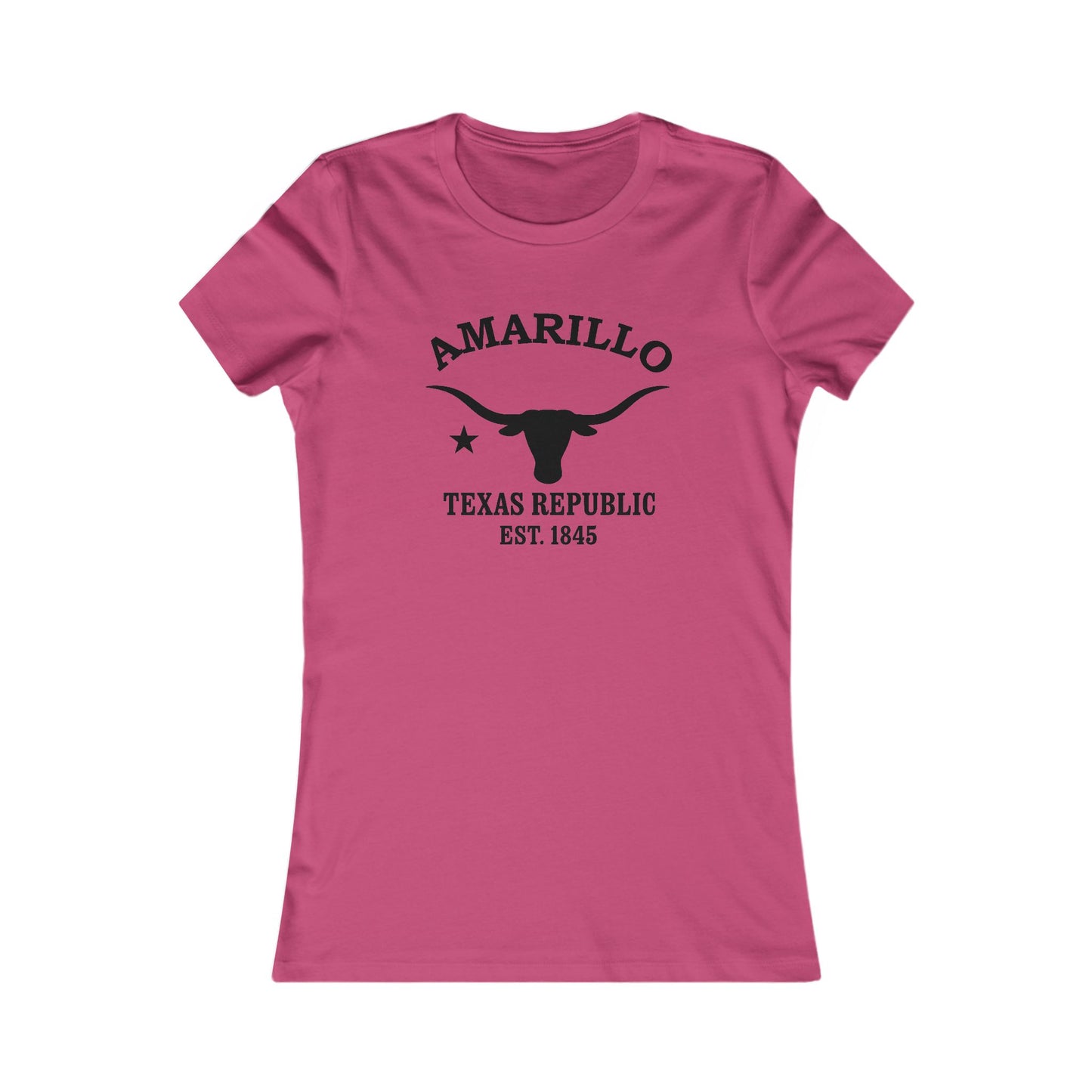
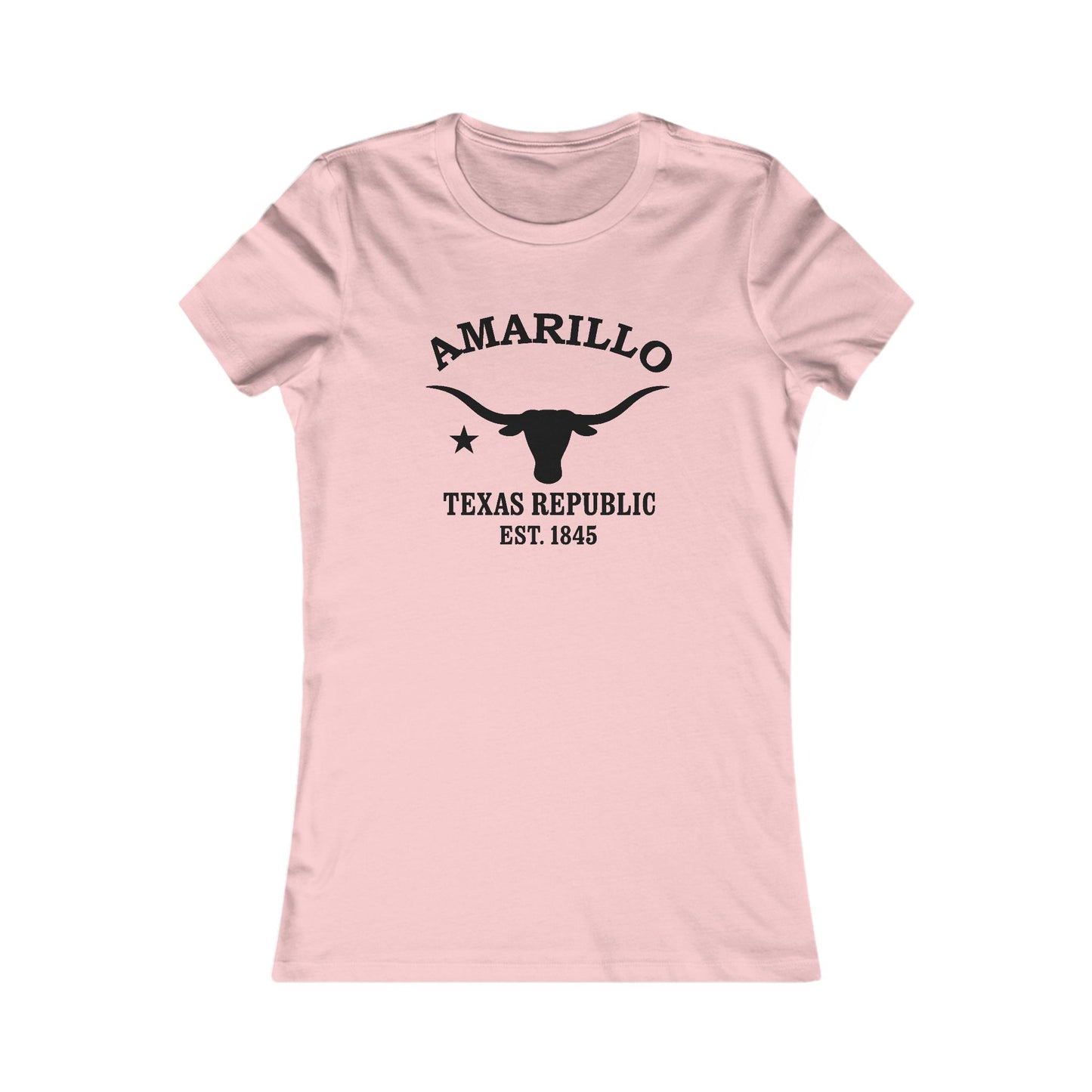
A creek named yellow, a town painted to match, the busiest cattle pens on earth, and a highway that carried the whole country through town — Amarillo wears its story the way the Panhandle wears its sky: wide open. Amarillo, Texas — the Yellow City of the Panhandle, on Route 66 since 1926. Wear a little of it wherever the road takes you.
Our retro Amarillo designs draw on all of it — the yellow of the creek banks and wildflowers, Route 66 neon and Sixth Street chrome, the canyon's red-and-gold walls, longhorns and windmills on the high plains, and the Lone Star pride of the Panhandle. Each piece is rendered in the vintage travel style we build for every American town we love — made to feel like a postcard from the Mother Road you can wear.
Why People Visit Amarillo Texas
Amarillo draws visitors with a mix of Western heritage, natural wonder, and Mother Road Americana. Travelers find it both a marquee stop along historic Route 66 and the gateway to Palo Duro Canyon, with deep cattle-ranching and Quarter-Horse traditions and the wide, plainspoken character of the high plains. It is proud, practical, and unmistakably Texan.
