




Today Westbrook is a quiet Long Island Sound town of about seven thousand — salt marshes and a common river mouth, masts in the harbor at Pilots Point, the town green on the old Boston Post Road, and the Town Center Historic District, listed on the National Register of Historic Places in 2017, that records three centuries of shoreline New England. Greek Revival and colonial homes along the old road still carry the markers of the "Descendants of Westbrook Settlers," and out in the marsh the cedar rise of Hawk's Nest keeps the shoreline's older geography in view. It is a town that wears its history lightly — and has more of it than almost anyone passing through would guess.
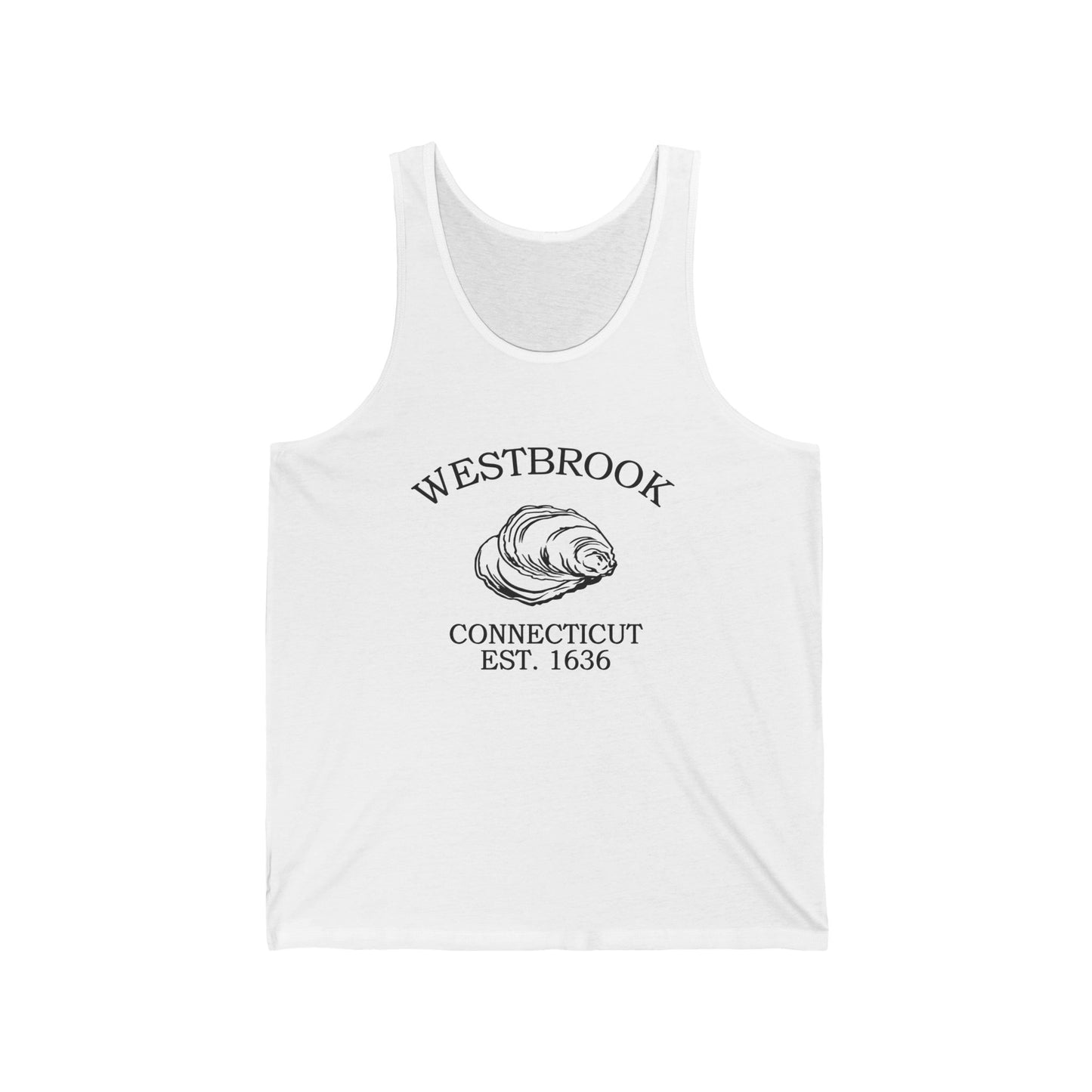
Westbrook holds two stories at once: a working shoreline town on the salt marshes of Long Island Sound, and the unlikely birthplace of an invention that changed the sea. Our Westbrook designs gather that identity — the oyster-and-1636 emblem, the Sound shoreline, and the Turtle's quiet claim to history — into wearable form. Westbrook, Connecticut — birthplace of the world's first combat submarine, on the salt marshes of Long Island Sound since 1648.
Why People Visit Westbrook
Westbrook offers quiet shoreline New England with a remarkable story beneath it. Visitors come for the beaches, the marsh and harbor, the historic town center, and the distinction of standing in the birthplace of the submarine. It's low-key, scenic, and steeped in Long Island Sound maritime heritage.
