


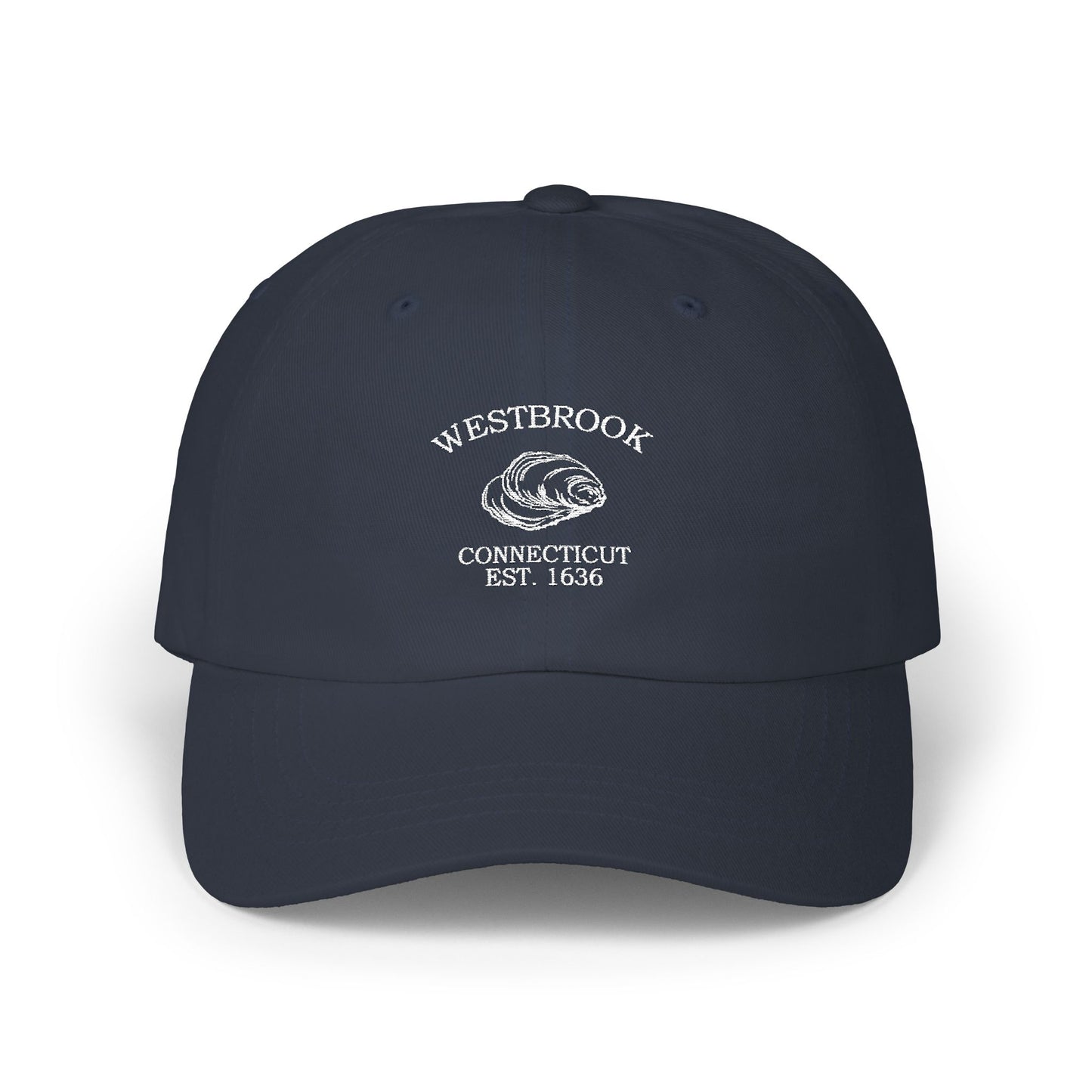

For a century Westbrook lived by the water — shipyards built from the white oak and chestnut of the local forests, oyster beds in the tidal rivers, and a menhaden fish-oil works out on Salt Island off Middle Beach. The Pochaug and Patchogue rivers share a single mouth here, spreading into broad salt marshes, with Duck Island and its breakwater offshore. By the 1870s the same shoreline had become a summer resort, its cottages filling each season with visitors drawn to the Sound.
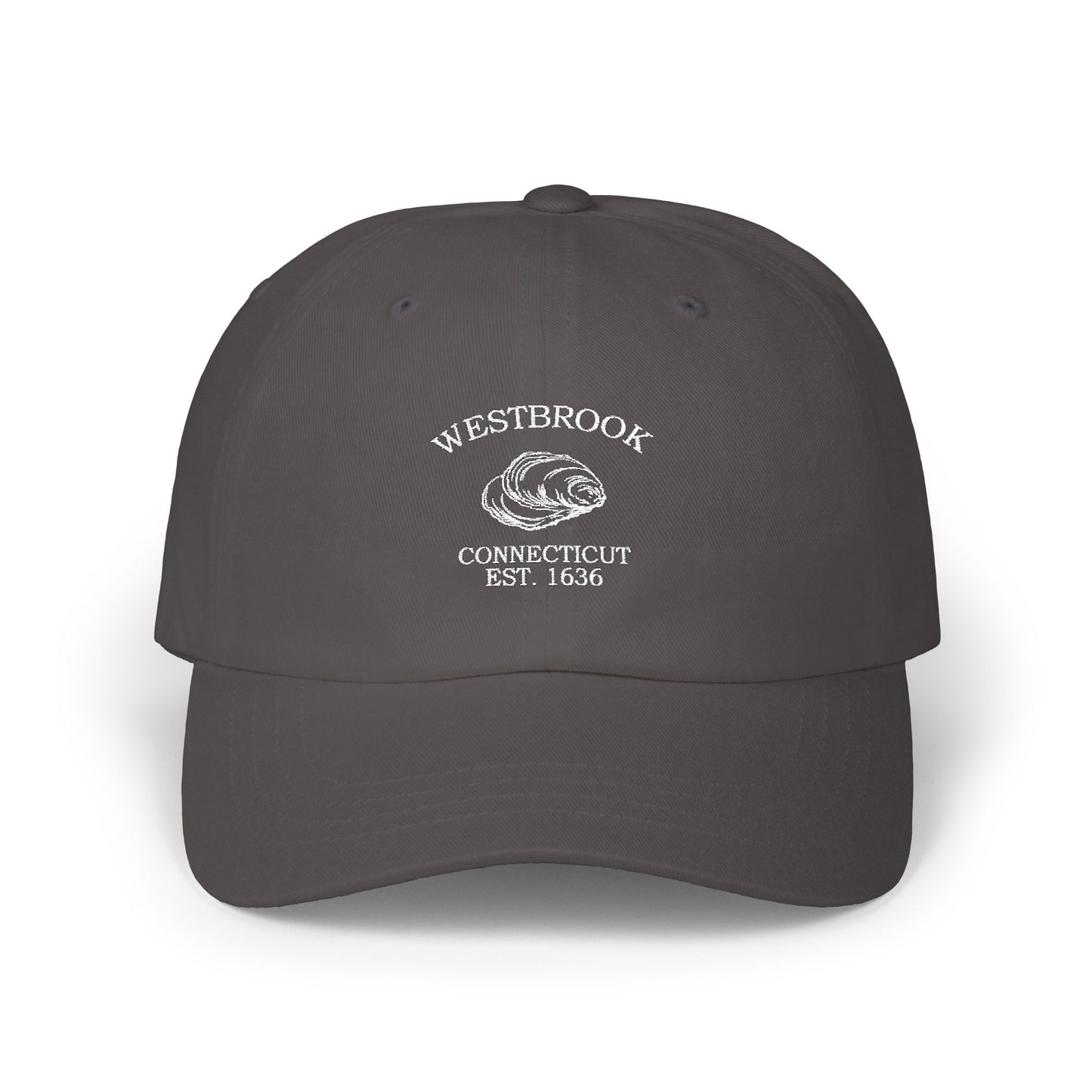
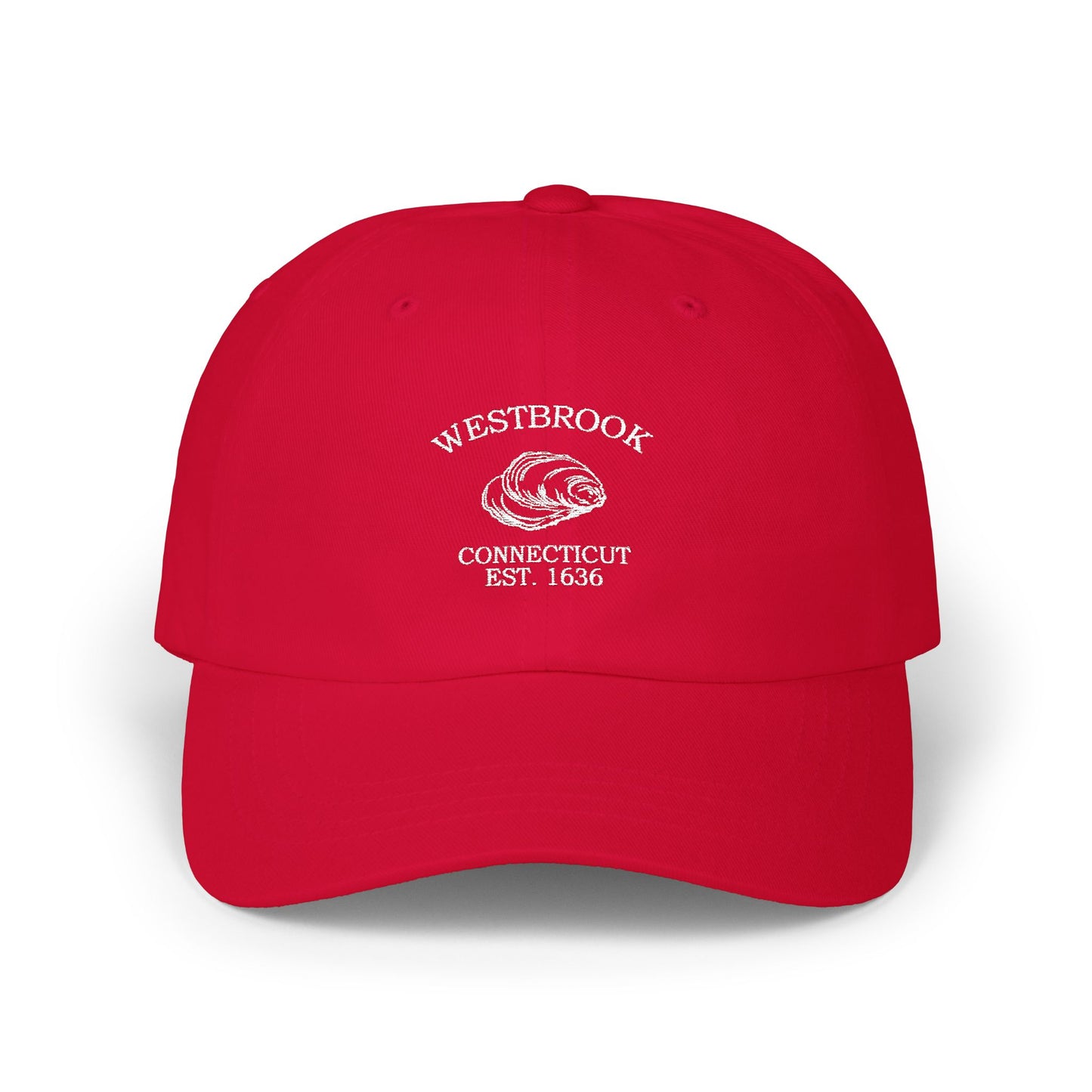
Westbrook holds two stories at once: a working shoreline town on the salt marshes of Long Island Sound, and the unlikely birthplace of an invention that changed the sea. Our Westbrook designs gather that identity — the oyster-and-1636 emblem, the Sound shoreline, and the Turtle's quiet claim to history — into wearable form. Westbrook, Connecticut — birthplace of the world's first combat submarine, on the salt marshes of Long Island Sound since 1648.
Why People Visit Westbrook
Westbrook offers quiet shoreline New England with a remarkable story beneath it. Visitors come for the beaches, the marsh and harbor, the historic town center, and the distinction of standing in the birthplace of the submarine. It's low-key, scenic, and steeped in Long Island Sound maritime heritage.
