



Westbrook’s eighteenth and nineteenth centuries were marked by shipbuilding, oystering, and farming. By the late nineteenth century, tourism developed as summer visitors arrived. In the 1950s and 1960s, suburban growth reshaped the community: cottages, schools, and neighborhoods spread along the coast. Highways connected Westbrook to larger cities while it maintained its shoreline traditions. This timeline illustrates Connecticut’s broader duality: small colonial towns adapting to suburban growth. Westbrook’s mid-century identity balanced heritage and optimism, showing resilience in adapting to change while holding onto maritime pride and community traditions rooted in centuries of shoreline life.
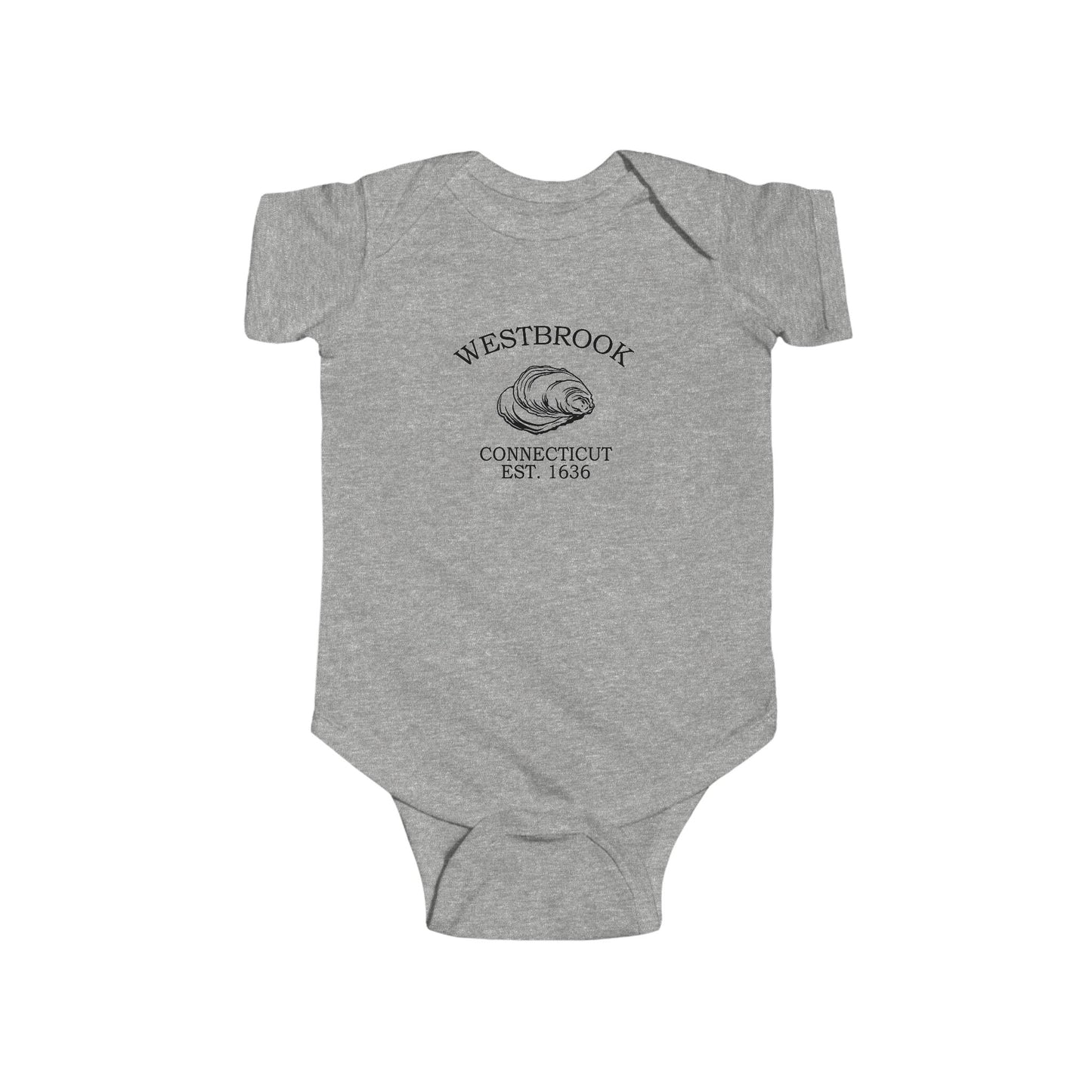
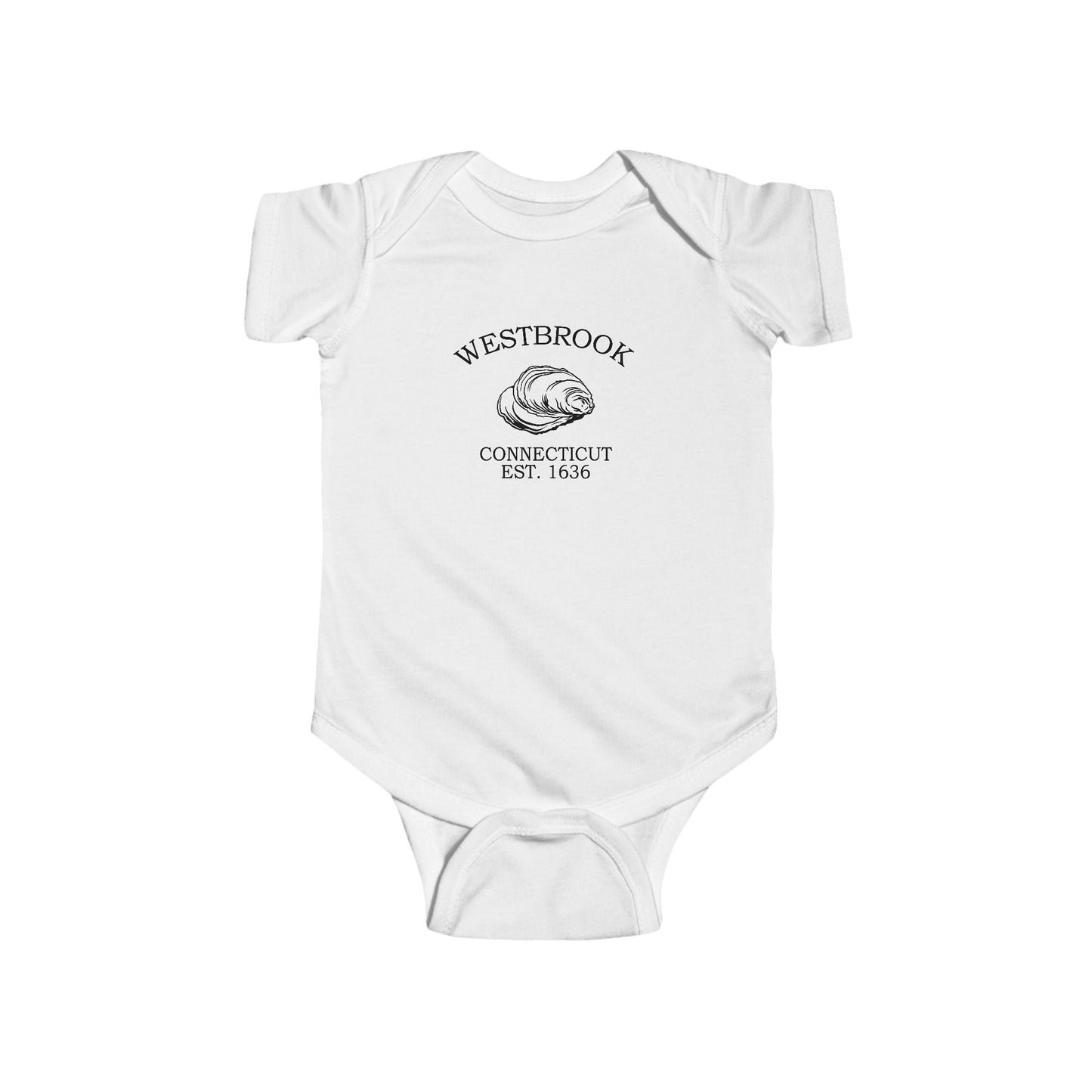
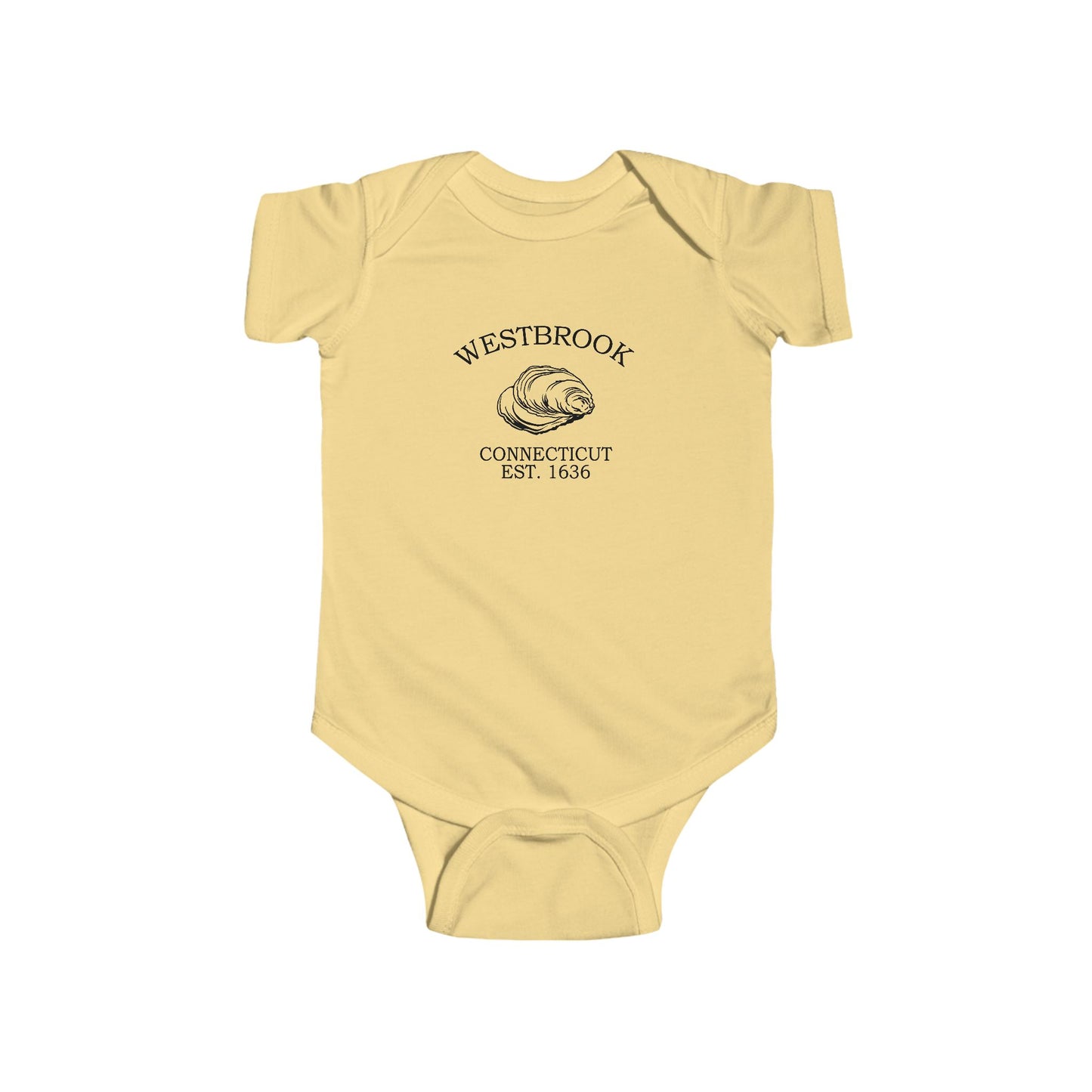
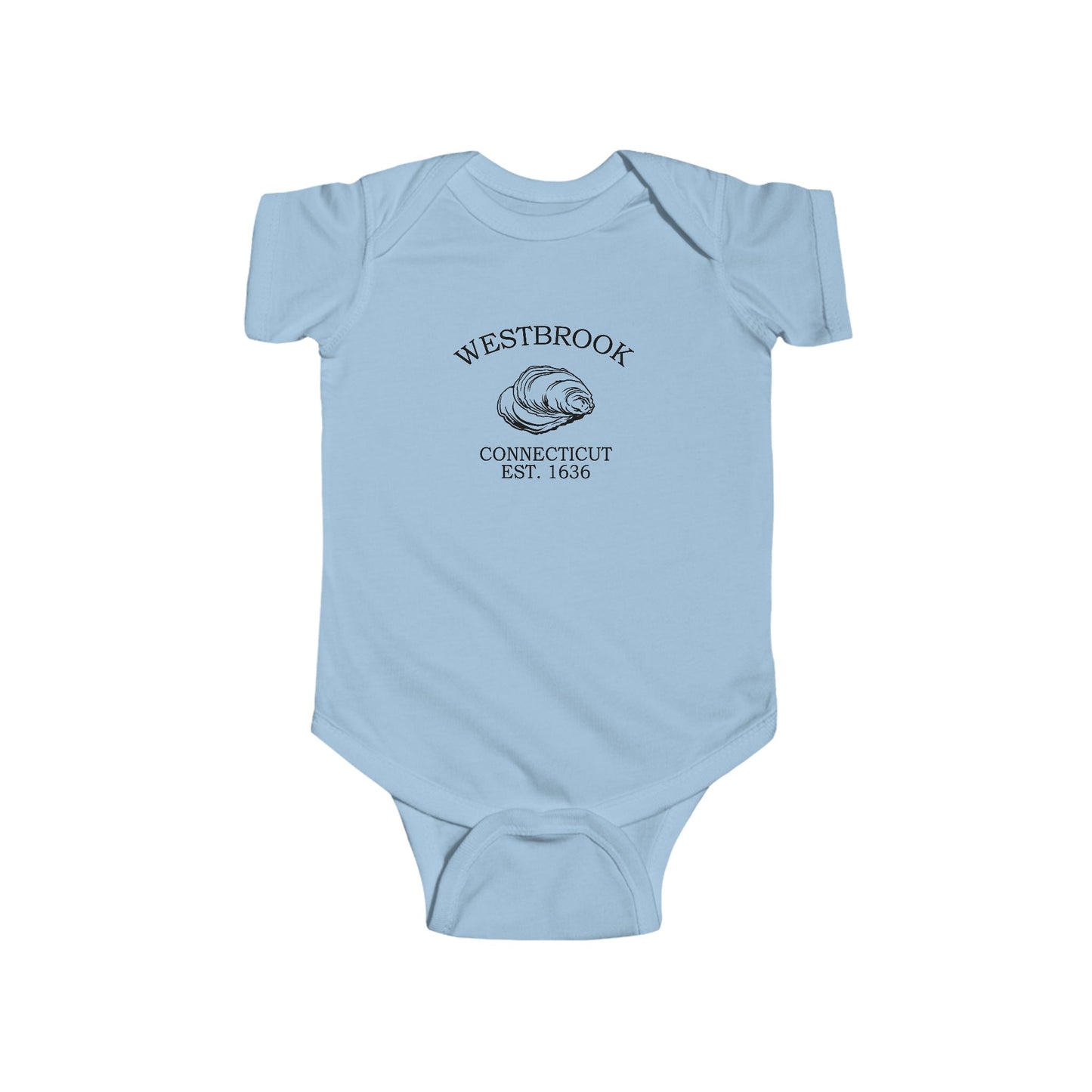
Our Westbrook retro logo uses Connecticut’s oyster shell motif, symbolic of shoreline pride and abundance. The oyster represents maritime heritage, while “1636” ties the design to Connecticut’s colonial founding. Black-and-white styling is retro, resembling oyster crate labels and seaside signage. The motif bridges Westbrook’s dual story: colonial settlement and suburban expansion. On merchandise, it conveys authenticity and resilience, retro vintage in tone. The oyster shell honors Westbrook’s layered identity, reflecting shoreline heritage, continuity, and pride. Retro in style, it is perfectly suited for celebrating Connecticut’s shoreline communities and their maritime traditions.
Why People Visit Westbrook Connecticut
- Relax at Town Beach, sandy shoreline with seasonal facilities and views.
- Walk refuge trails, coastal habitats and birding near tidal creeks.
- Browse Westbrook Outlets, open air center just off the highway.
- Stroll Town Center on Boston Post Road, small shops and local services.
- See the Historical Society Museum, quirky collection of town artifacts.
