


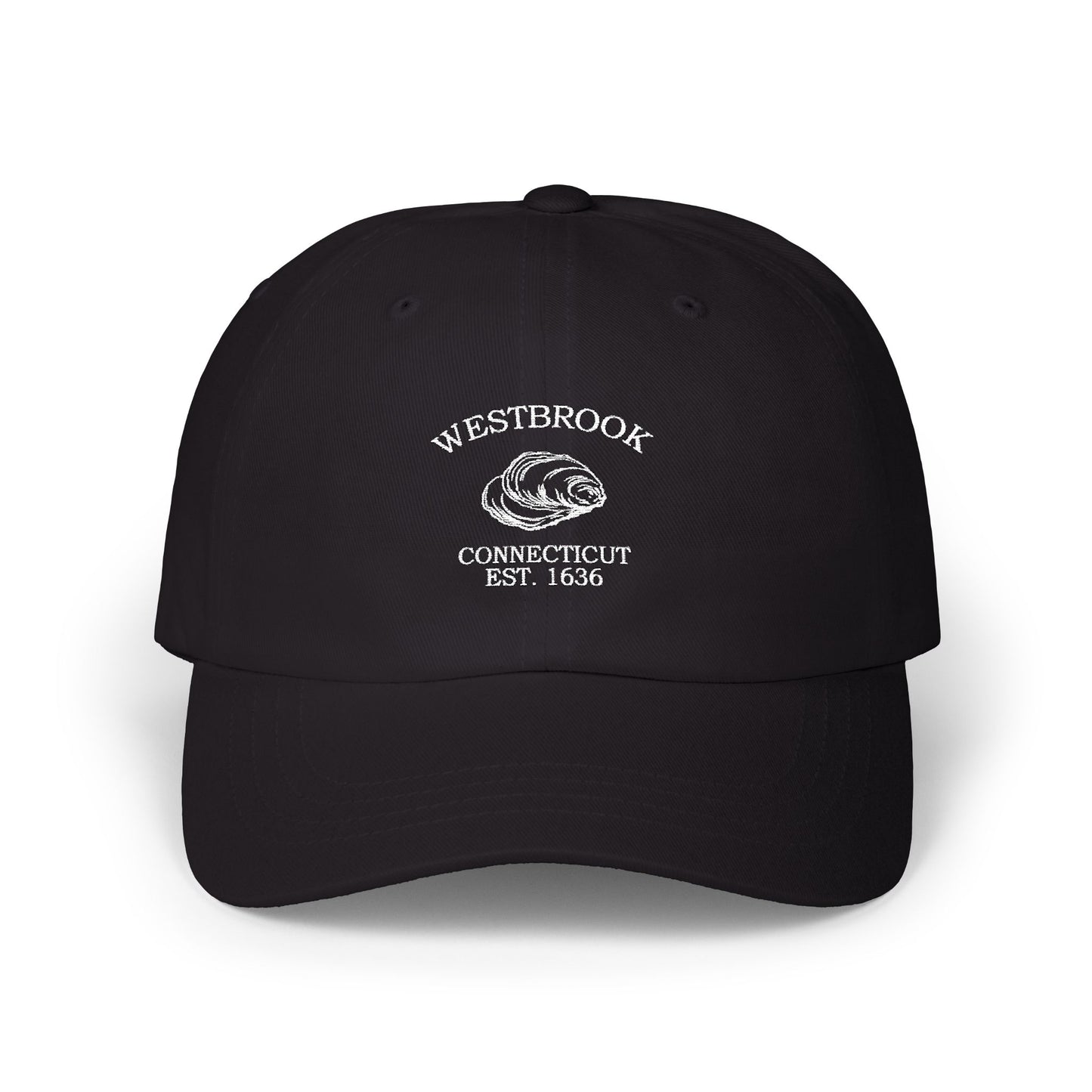
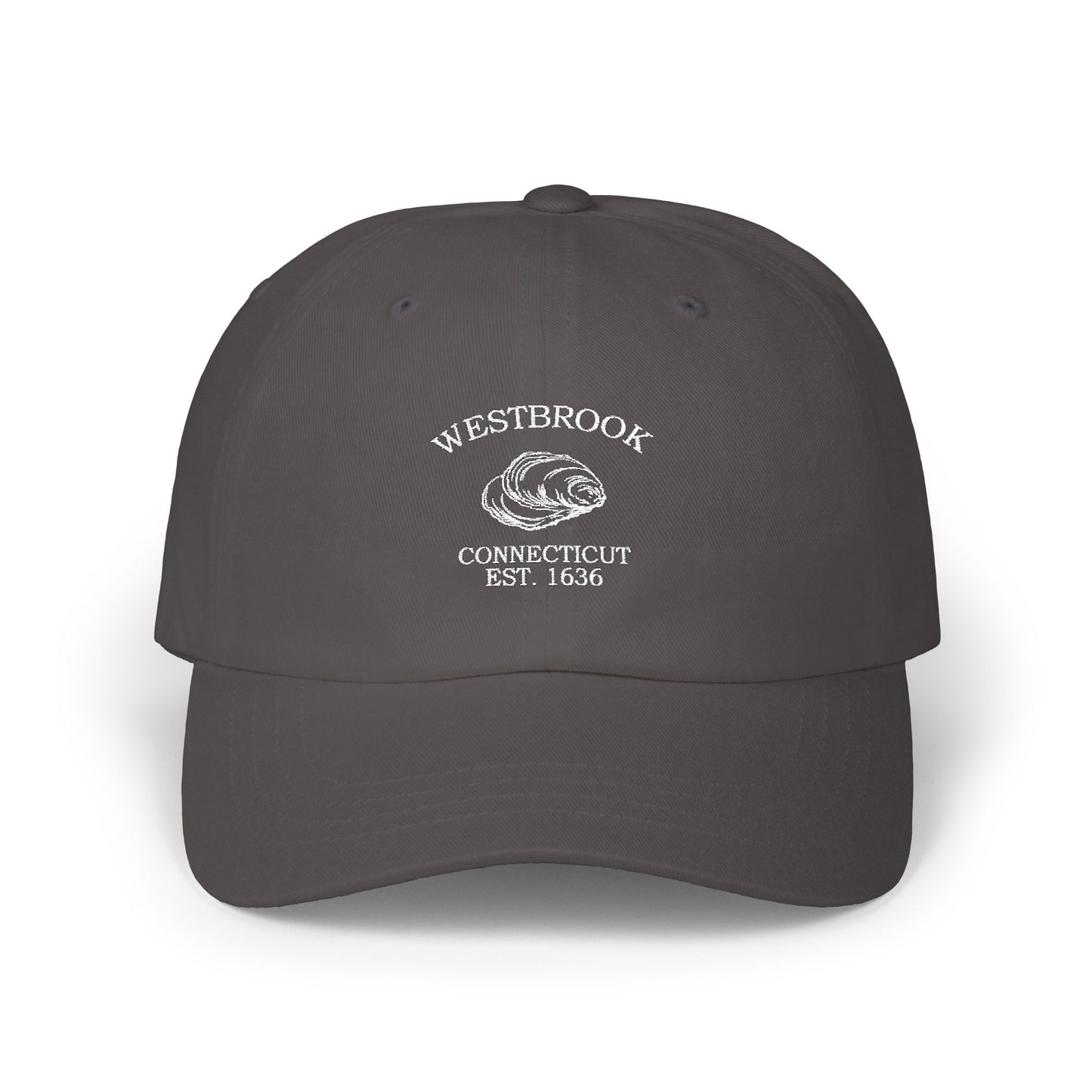

Westbrook, on Connecticut’s shoreline, was settled in 1635 as part of Saybrook Colony before becoming its own town in 1840. Indigenous peoples had long thrived along its coves and rivers, fishing and farming. Colonial settlers built farms, churches, and small shipyards. Its founding identity reflects resilience in harsh conditions, balancing Indigenous presence with colonial ambition. Maritime abundance and agricultural roots defined early Westbrook. Its story highlights determination, cultural continuity, and shoreline heritage, making it a town with layered history. Westbrook’s founding shows how community strength and endurance anchored life along Long Island Sound.
Westbrook’s eighteenth and nineteenth centuries were marked by shipbuilding, oystering, and farming. By the late nineteenth century, tourism developed as summer visitors arrived. In the 1950s and 1960s, suburban growth reshaped the community: cottages, schools, and neighborhoods spread along the coast. Highways connected Westbrook to larger cities while it maintained its shoreline traditions. This timeline illustrates Connecticut’s broader duality: small colonial towns adapting to suburban growth. Westbrook’s mid-century identity balanced heritage and optimism, showing resilience in adapting to change while holding onto maritime pride and community traditions rooted in centuries of shoreline life.
Why People Visit Westbrook Connecticut
Westbrook balances beaches, boating, and practical conveniences. Visitors enjoy quiet waterfronts and short drives to nature sites. It is low key, scenic, and family friendly. Travelers find year round appeal in parks, paths, and public spaces. The setting combines natural beauty with accessible neighborhoods and landmarks. History and everyday culture sit side by side in a welcoming way. Visitors can plan relaxed mornings and unhurried afternoons without missing key sights.
