Skip to product information
1 of 7

Waianae Hawaii Vintage Retro Embroidered Cotton Cap - White Logo

Waianae Hawaii Vintage Retro Embroidered Cotton Cap - White Logo

Regular price $32.00 USD
Regular price Sale price $32.00 USD
Sale
Free U.S. Shipping
Color
Size
Quantity


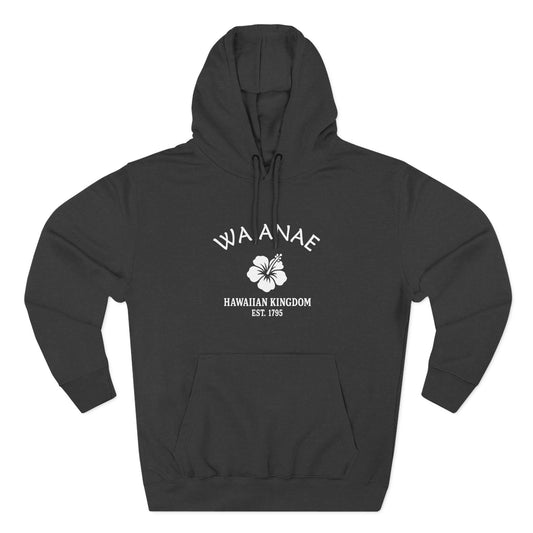
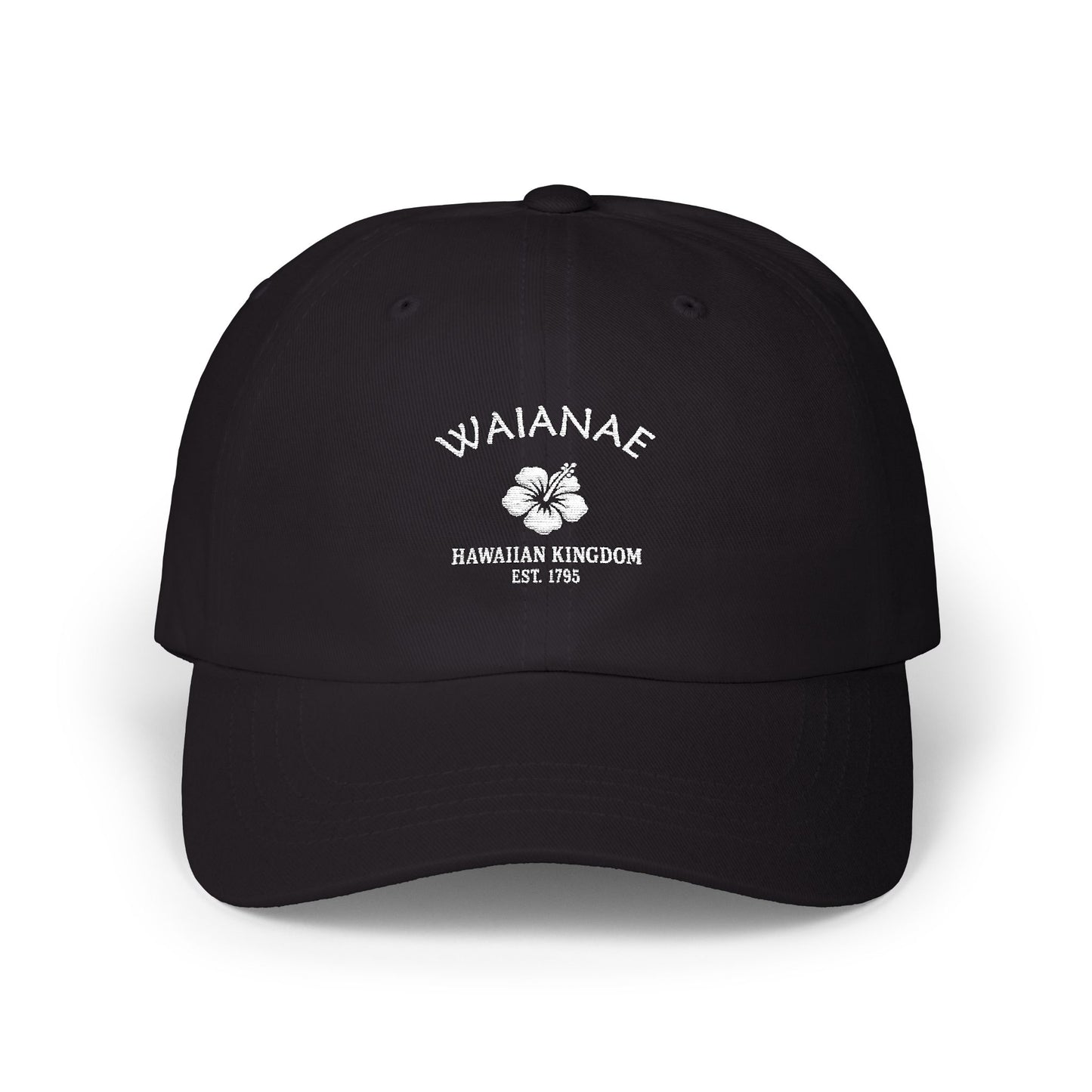
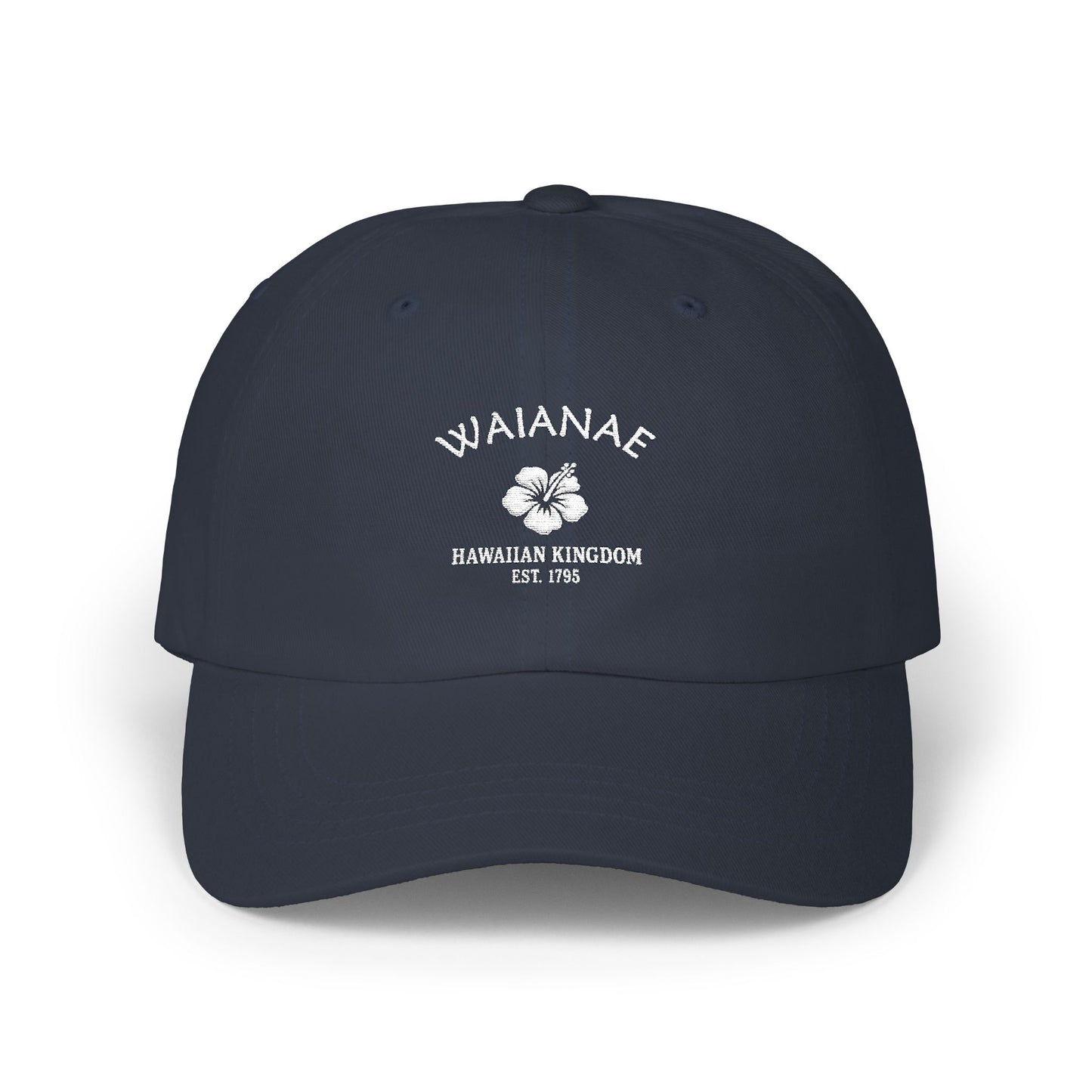
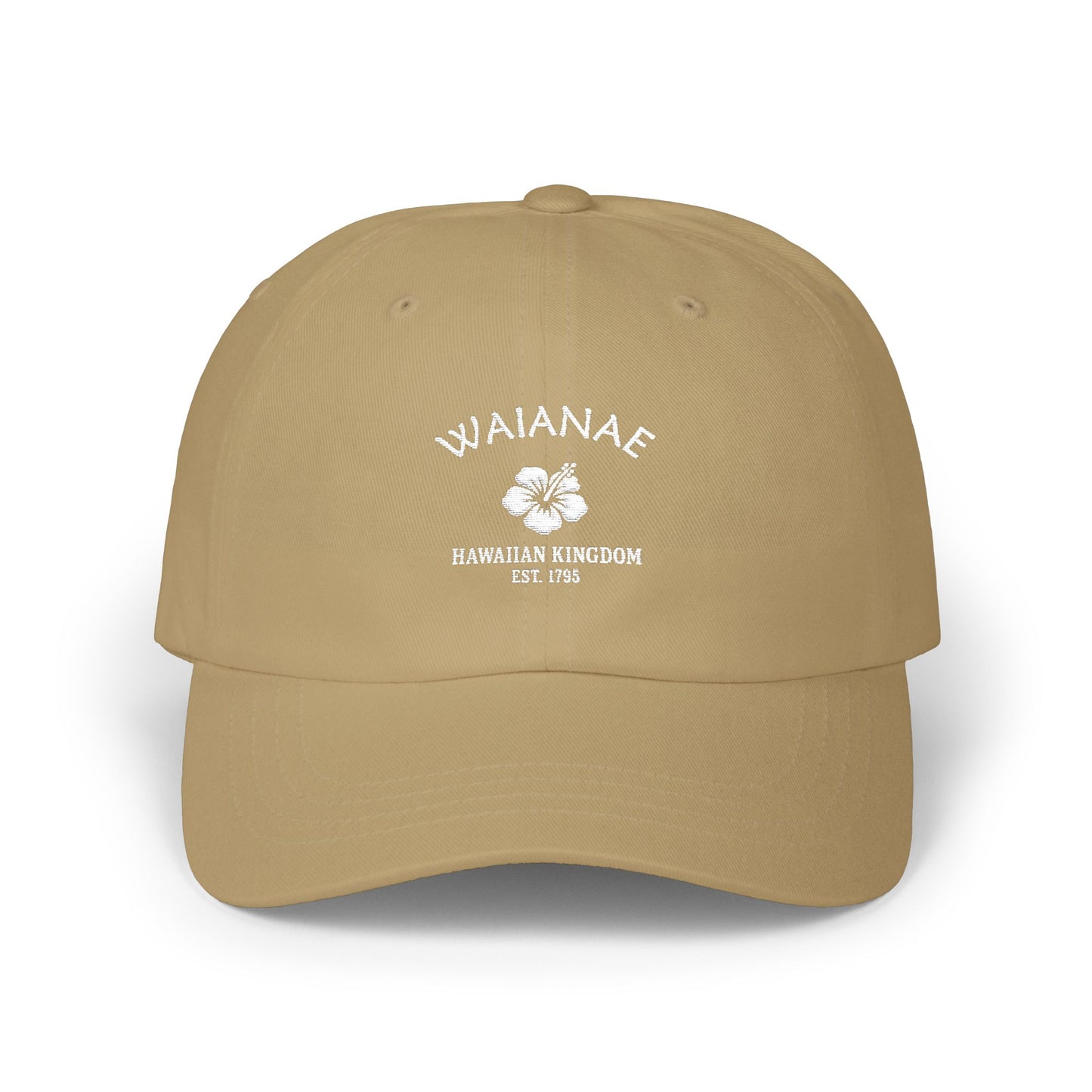
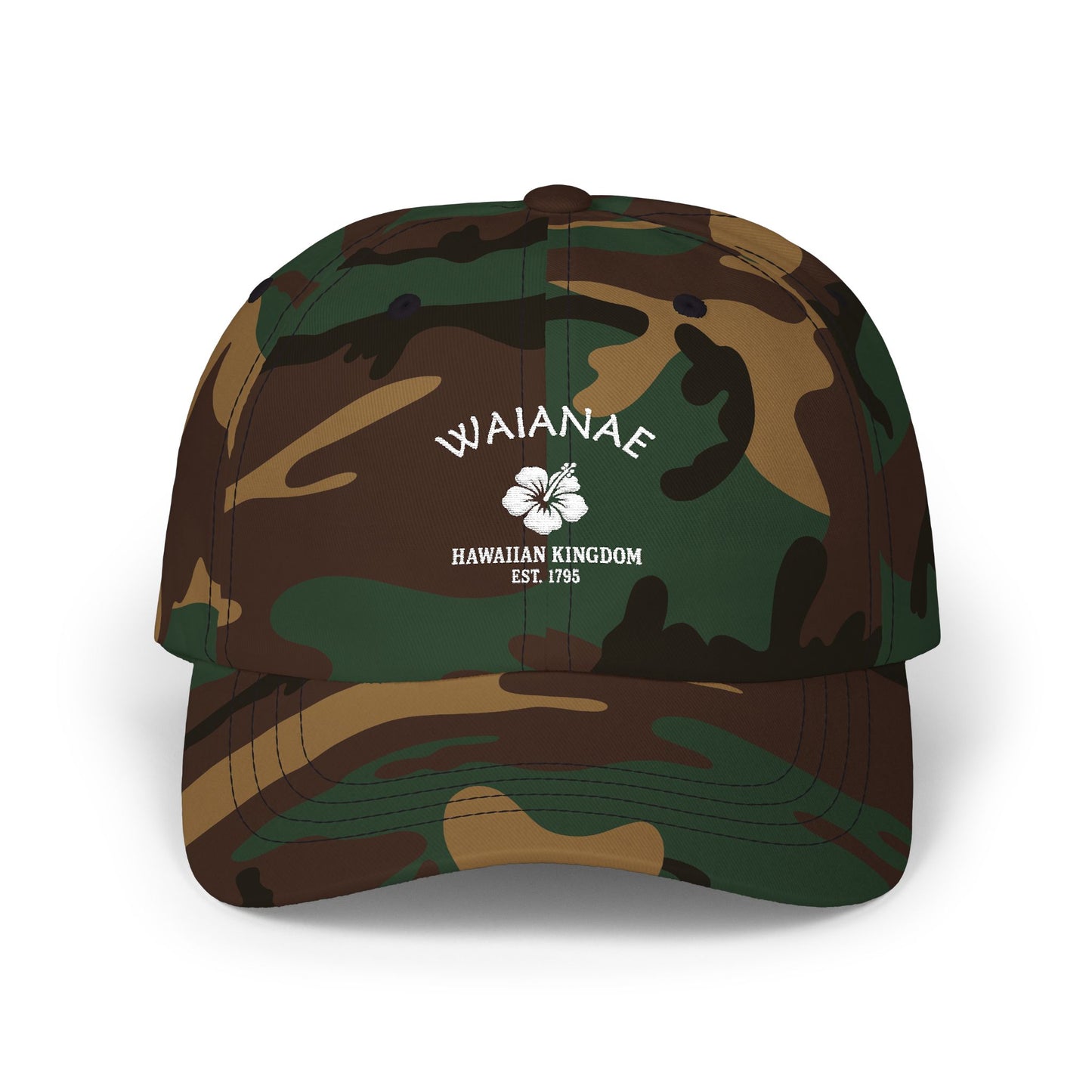
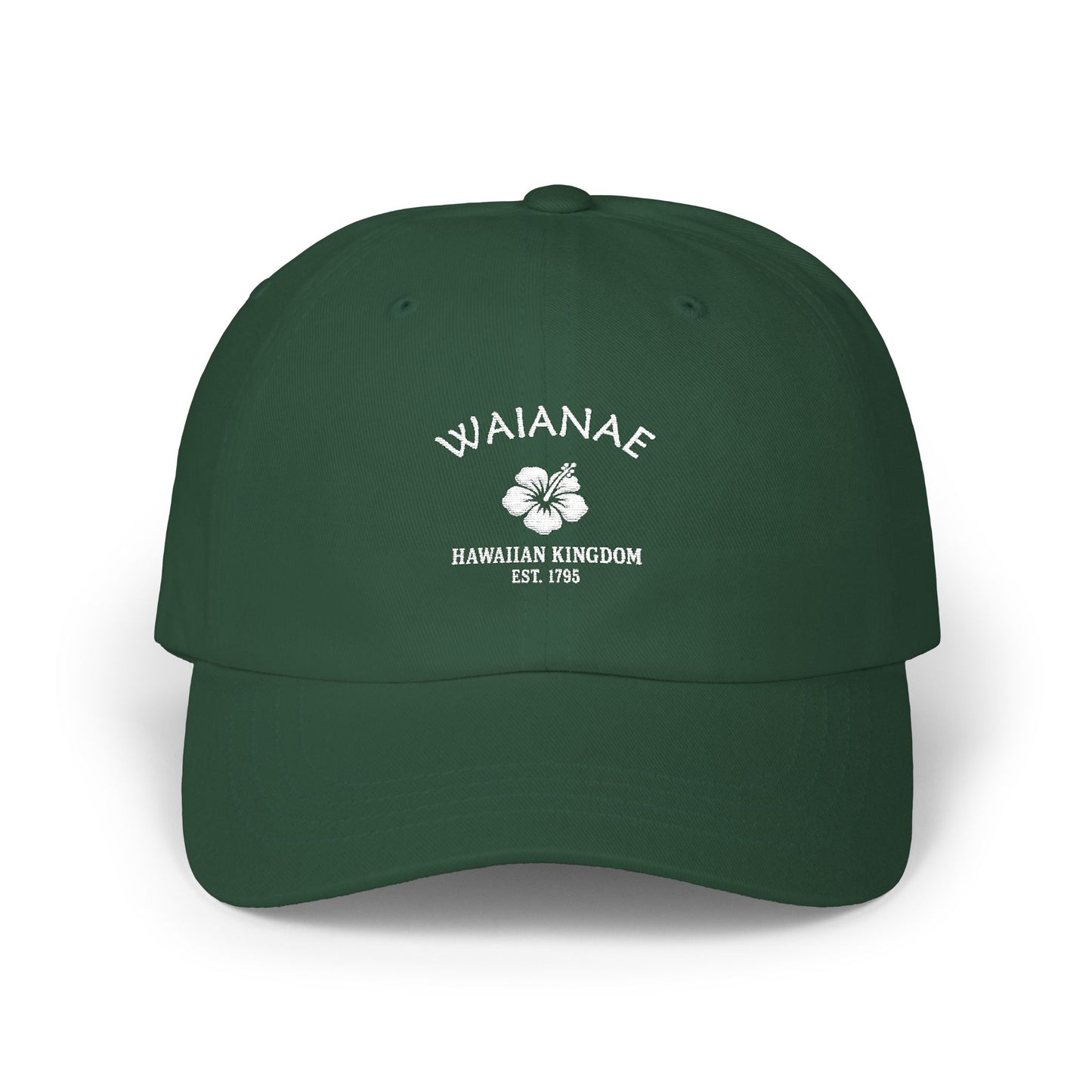
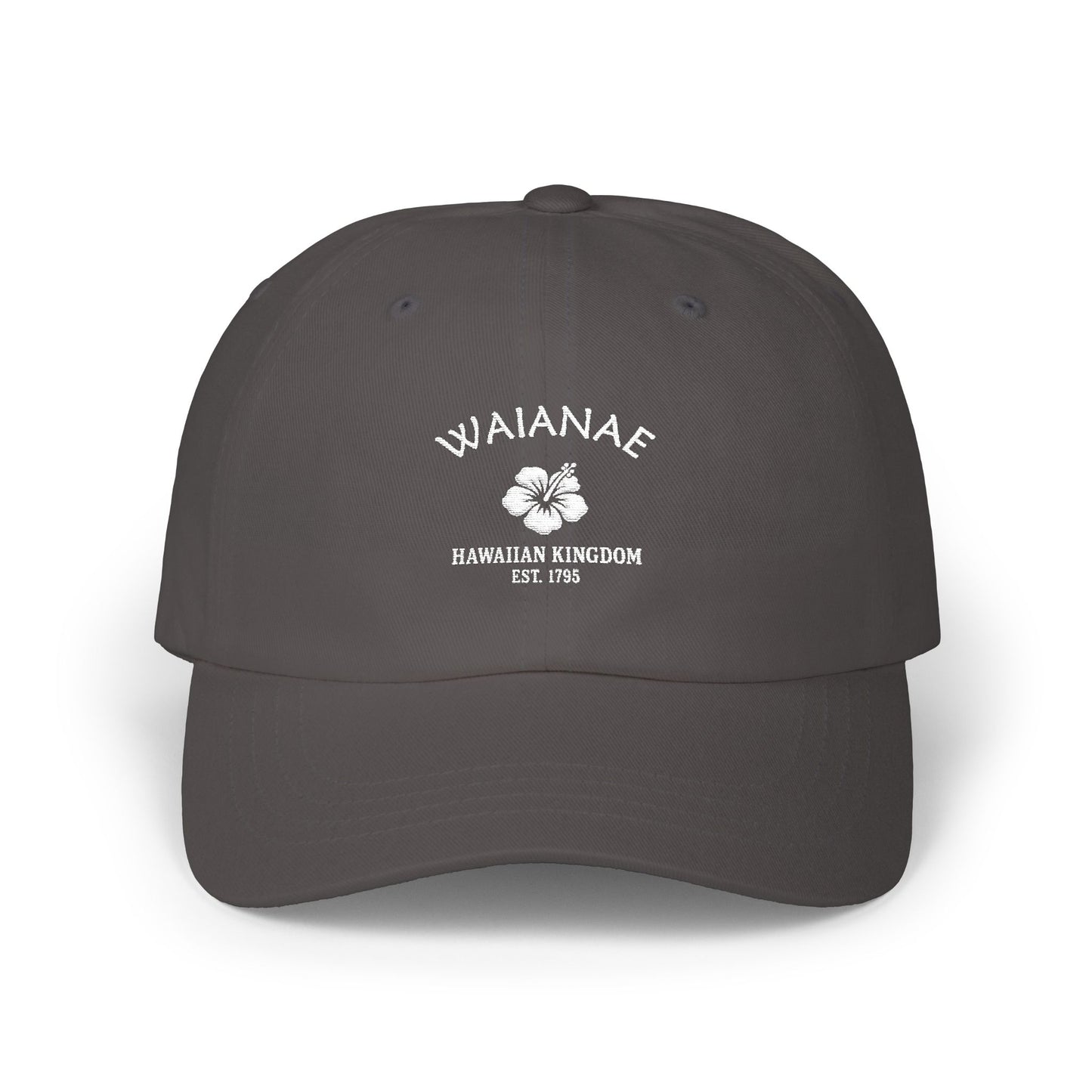
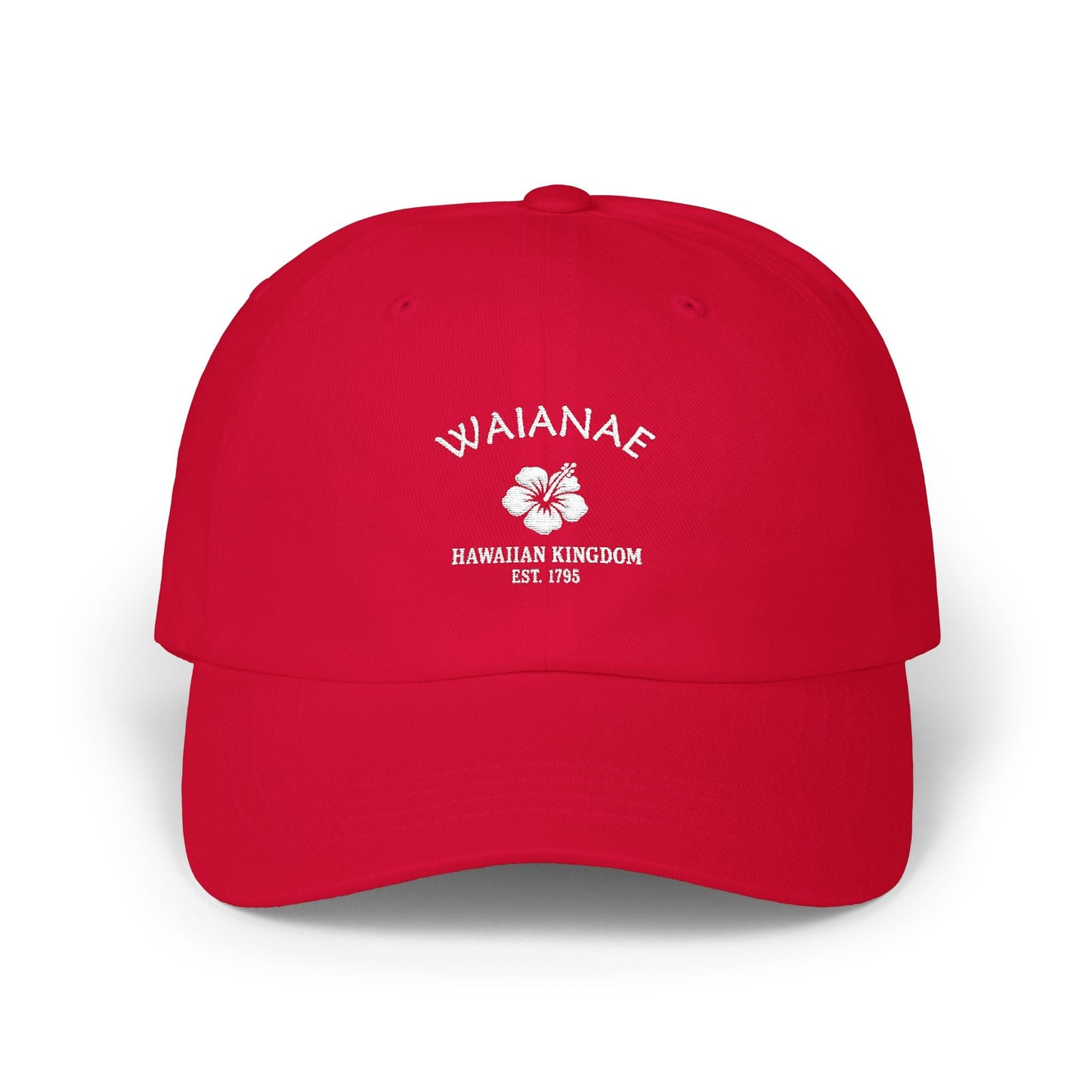
The Waiʻanae cap, for the town that is the Westside of Oʻahu. An unstructured cotton dad cap with the Waiʻanae vintage retro logo embroidered on the front in white thread.

The cap is the easiest Waiʻanae piece to wear every day and the easiest to give: one size, breathable cotton, a curved visor and an antique-brass buckle. It softens with wear and stays on the hook by the door. Order one for the beach bag and one for the glovebox.

Our unisex embroidered dad cap pairs a low-profile, unstructured 6-panel fit with a Permacurv visor and durable four-row visor stitching. Made from breathable cotton with a matching undervisor and a self-fabric hideaway strap with antique-brass buckle. All colors are 100% cotton (camo: 65% polyester / 35% cotton). The classic embroidered finish is durable and vintage-inspired; because embroidery uses thread rather than ink, slight differences from the digital product image are normal. Full details are explained in our Embroidery footer.

The Westside has been Native Hawaiian ground for centuries; Kāneʻāki Heiau in Mākaha Valley dates to the 15th century, evidence of a community large enough to have its own chief, and the Waiʻanae Coast today holds one of the highest concentrations of Native Hawaiians and Pacific Islanders anywhere.

In 1937 surfers found the big winter waves at Mākaha, and the Mākaha International of 1952 was the first international surf competition in the world; Israel Kamakawiwoʻole grew up on this coast. The Waiʻanae Range rises behind it to Mount Kaʻala, the highest point on Oʻahu at 4,025 feet. The Westside is the mark on this piece.


QUICK FACTS — WAIʻANAE HI EMBROIDERED COTTON CAP

Town: Waiʻanae, Hawaiʻi

Founded: Settlement centuries pre-contact

Known for: The Westside of Oʻahu; Mākaha, birthplace of big-wave surfing (1952); the Waiʻanae Range and Mount Kaʻala

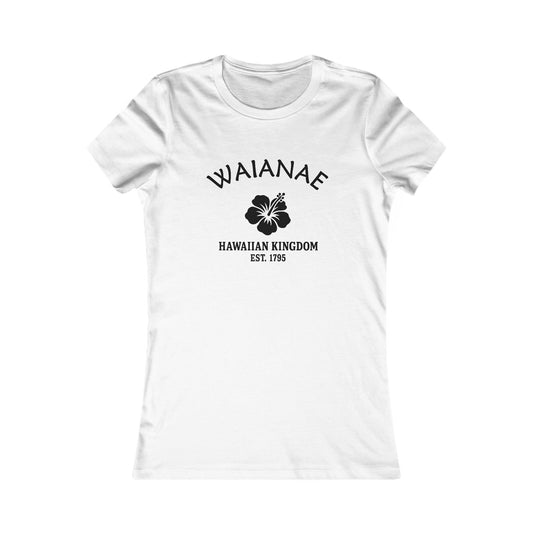
Art: Waiʻanae vintage retro logo, white (embroidered)

Blank: Unstructured 6-panel low-profile dad cap, Permacurv visor

Fabric: 100% cotton (camo variation 65% polyester / 35% cotton)

Decoration: Front embroidery, white thread; four-row visor stitching, matching undervisor

Closure: Self-fabric hideaway strap, antique-brass buckle

Made to order in the USA


Made to order and shipped free in the U.S. More Waiʻanae pieces, and the rest of Hawaii, are one button away.


View full details

Wear Local. Feed Local. Stay Classic.

Product FAQs

How does your sizing work?

Every item is made to order, so please check the size chart on this page before you buy. Women's fitted tees run small; size up for a looser fit. Caps are one size with an adjustable strap.

How are items made and when will they arrive?

We make each item to order using premium blanks, embroidery and soft-hand prints. Production takes 2-5 business days (weekends and holidays excluded), then 4-10 days in transit via USPS, UPS or FedEx to U.S. addresses; most orders arrive within 6-15 business days. You'll get a tracking link the moment it ships. Any current shipping offer is shown in the bar at the top of every page and applies automatically at checkout, no code needed.

How do I send a gift?

Enter the recipient's address as the shipping address and your own as the billing address at checkout. Nothing ships with a price; the package includes a plain packing slip. Tracking goes to your email, not theirs. For birthdays and holidays, order two weeks ahead to be safe.

What's the return policy?

Made-to-order items can't be returned or exchanged for size or color, so please use the size chart and photos before ordering. If anything arrives defective, misprinted or damaged, send a photo and your order number within 30 days and we'll replace it or refund you.

How do I care for my item?

Apparel: wash cold, inside out, with like colors; no bleach; tumble dry low or hang dry. Embroidered pieces: iron inside out to protect the stitching. Caps: spot clean. Printed glasses and water bottles: hand wash only, no dishwasher, so the artwork lasts. Mugs and engraved glasses are dishwasher safe. Any item-specific care notes are in the description above.

Who makes this?

Merlin Classics is a small Connecticut brand making original retro designs for the towns people love. Every piece is printed, embroidered or engraved to order in the USA, and the business supports hunger relief in the communities our collections celebrate.

So the Westside gathers it all — the mullet waters of the old fishponds, the heiau under Kaʻala, the first big waves the world ever came to ride, and a community whose roots run deeper than contact. Our Waiʻanae designs gather that pride into wearable form. On the Westside since time before contact.

Mākaha Beach is one of the original homes of big-wave surfing. Native Hawaiians have lived along the leeward coast of Oʻahu for centuries; the Waiʻanae moku — the long ahupuaʻa district running from Kahe through Nānākuli, Mā'ili, Waiʻanae, Mākaha, and Mākua to Kaʻena Point — has its name from wai (water) and ʻanae (the prized mature mullet of the brackish muliwai pools that once produced fish in large amounts along these beaches). The Waiʻanae ahupuaʻa was the Royal Center of the district in the late 1600s and 1700s, with the largest population of the moku at the time of European contact in 1778. Kamehameha I unified the Hawaiian Islands in 1795. The first Christian missionaries arrived on Oʻahu in 1820, Stephen Waimalu was installed as the first Hawaiian minister of Waiʻanae in 1850, and Benjamin F. Dillingham received the franchise in 1888 to extend his Oahu Railway and Land Company along the Waiʻanae coast. Hawaiʻi entered the Union as the 50th state on August 21, 1959. In 1952, the Waikīkī Surf Club — founded by John Lind — and the Waiʻanae Lions Club organized what they called the Mākaha International Surfing Championships, and held the first running of the contest at Mākaha Beach in 1953-1954. It was the world's first international surfing competition. The event ran through 1971 as the unofficial world championships of surfing, and in 1962 it became the first televised surf contest ever, on ABC's Wide World of Sports. In 1969, Greg Noll caught what surfers of the era called the biggest wave ever ridden, at Mākaha; in 1977, the Mākaha-born lifeguard Richard "Buffalo" Keaulana — the 1960 Mākaha International champion, descended on his father's side from Kamehameha I and on his mother's side from Kekaulike — founded Buffalo's Big Board Surfing Classic at Mākaha Beach, and the Classic still runs every February. Behind Mākaha and Waiʻanae the Waiʻanae Mountain Range rises to Mount Kaʻala, the 4,025-foot summit that is the highest peak on Oʻahu. Mākaha Valley holds Kāneʻāki Heiau, a 15th-century wahi pana that the Bishop Museum restored in 1970 and opened to respectful public visits Tuesday through Sunday in 1990. On the Westside since time before contact.

Why People Visit Waiʻanae Hawaiʻi

Waiʻanae offers the original home of big-wave surfing at Mākaha Beach, the world's first international surfing competition (1953-1954) and the long-running Buffalo's Big Board Surfing Classic, the protected swimming waters of Pōkaʻī Bay with its Pōkaʻī coconut-grove legend and Kūʻīlioloa Heiau, the 15th-century Kāneʻāki Heiau in Mākaha Valley, the 4,025-foot summit of Mount Kaʻala as the highest peak on Oʻahu, the westernmost tip of Oʻahu at Kaʻena Point, and the long Native Hawaiian heritage of the Waiʻanae moku that has carried this coast for centuries. It is the leeward Westside of Oʻahu — a residential community whose culture is alive, and where the world first watched surfers ride big waves on television. On the Westside since time before contact.

Waianae Hawaii Merlin Classics retro vintage logo featuring hibiscus, the state flower