There is a quieter Pasadena too, out along the water. Armand Bayou Nature Center, one of the largest urban wilderness preserves in the country, threads boardwalks through marsh and forest alive with herons, alligators, and migrating birds; the El Jardin shoreline and a string of bayou greenways give the industrial city a surprising amount of wild edge. Just up the road sits the San Jacinto Monument, where Texas won its independence in 1836, a reminder that this stretch of bayou country shaped the whole state. The same Galveston Bay that brings the hurricanes also brings the herons, and Pasadena lives with both.
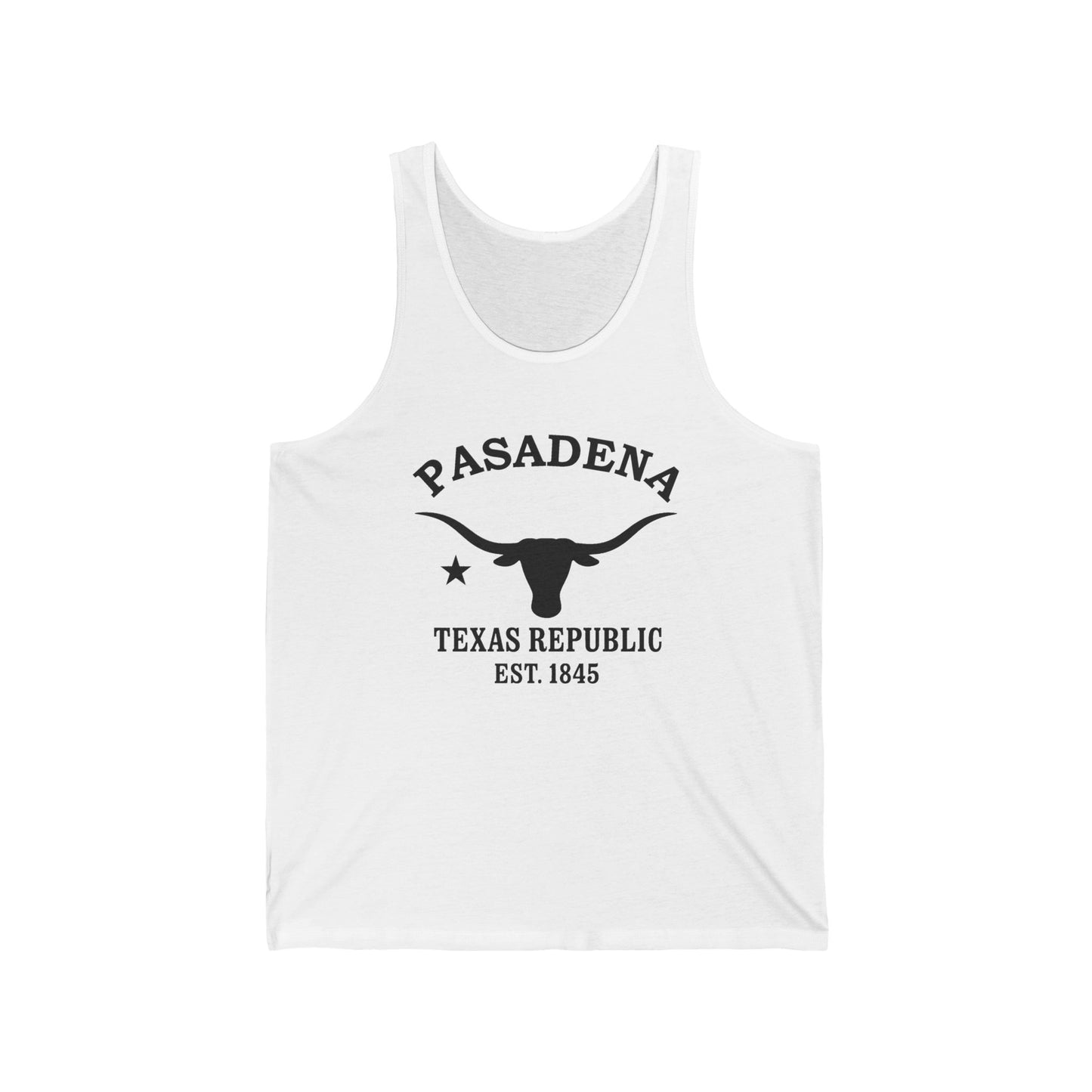
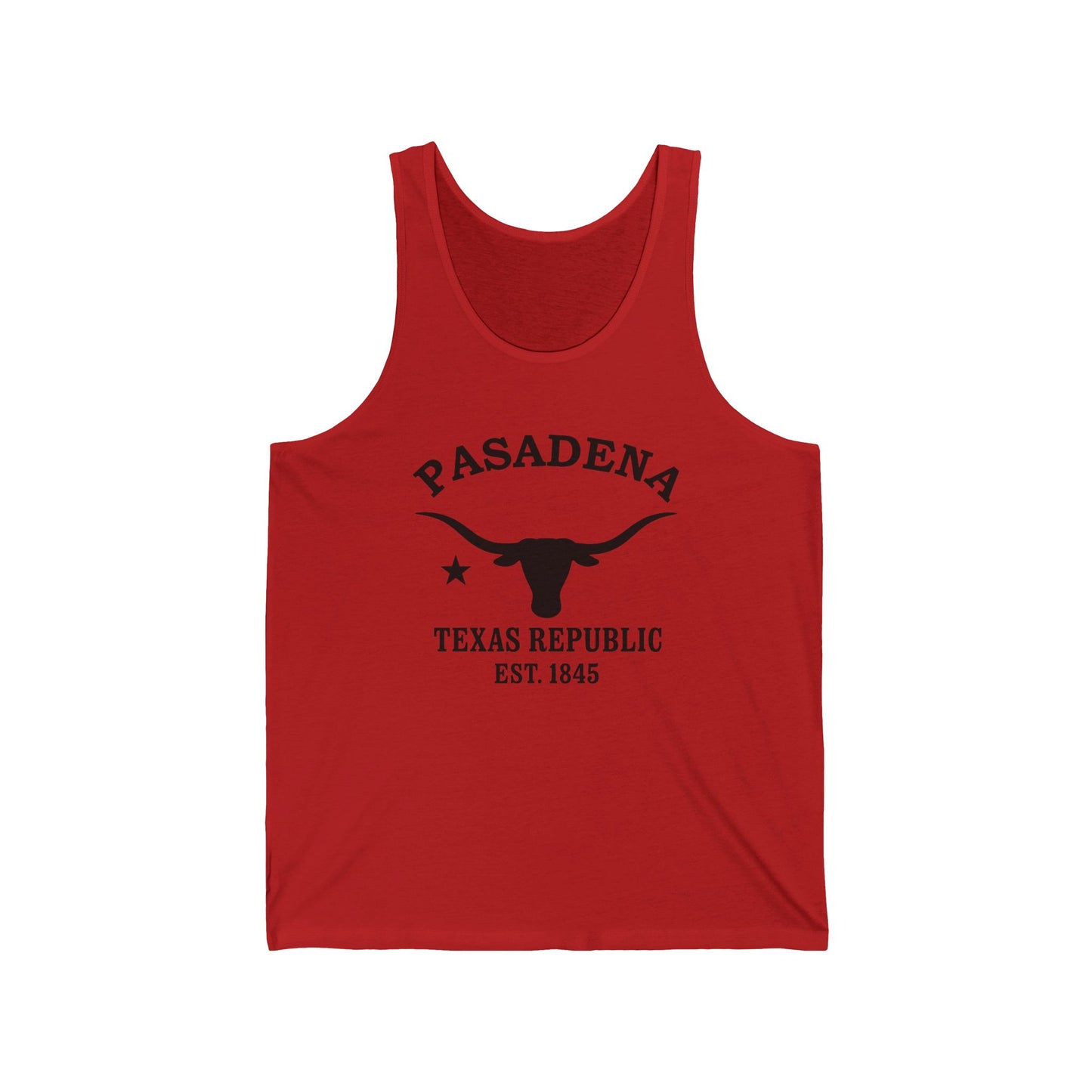
Today Pasadena is a big, diverse Houston-area city — majority Hispanic, proud of its strawberry past, its Western nights, and its working waterfront. Its days run from bayou mornings to refinery shifts to festival weekends, all under the wide Gulf sky. Our Pasadena designs gather that into wearable form. Wear the history. This is the Strawberry Capital — and where the urban cowboy rode.
Why People Visit Pasadena
Pasadena balances big-city access with Gulf-coast ease. Visitors pair the strawberry and Western heritage with bayou boardwalks, festival weekends, and a short hop to Houston, the Space Center nearby, or the beach. It is friendly, unpretentious, and family-oriented, with year-round appeal in its parks, trails, and public spaces. History and everyday culture sit side by side here in a welcoming way.
