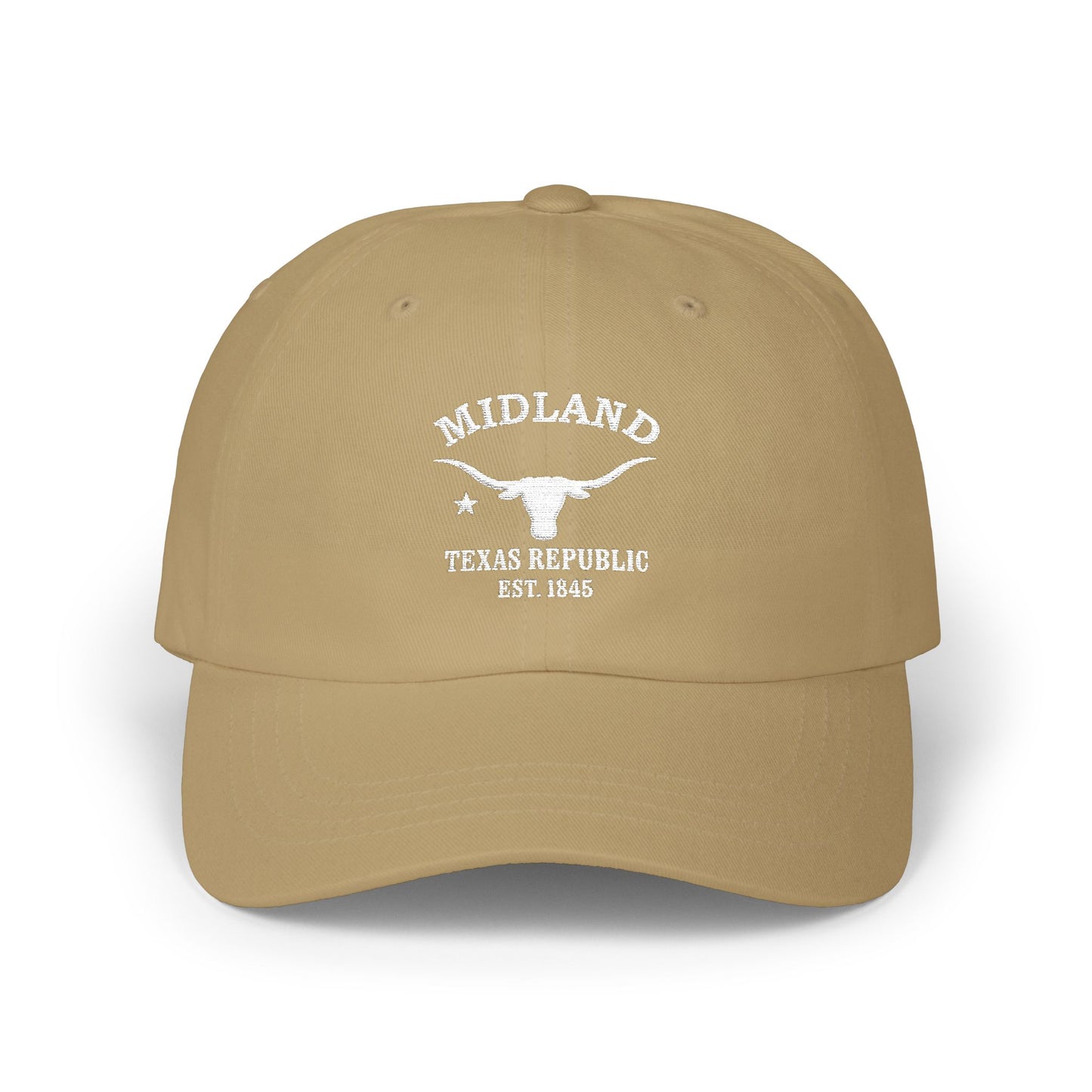
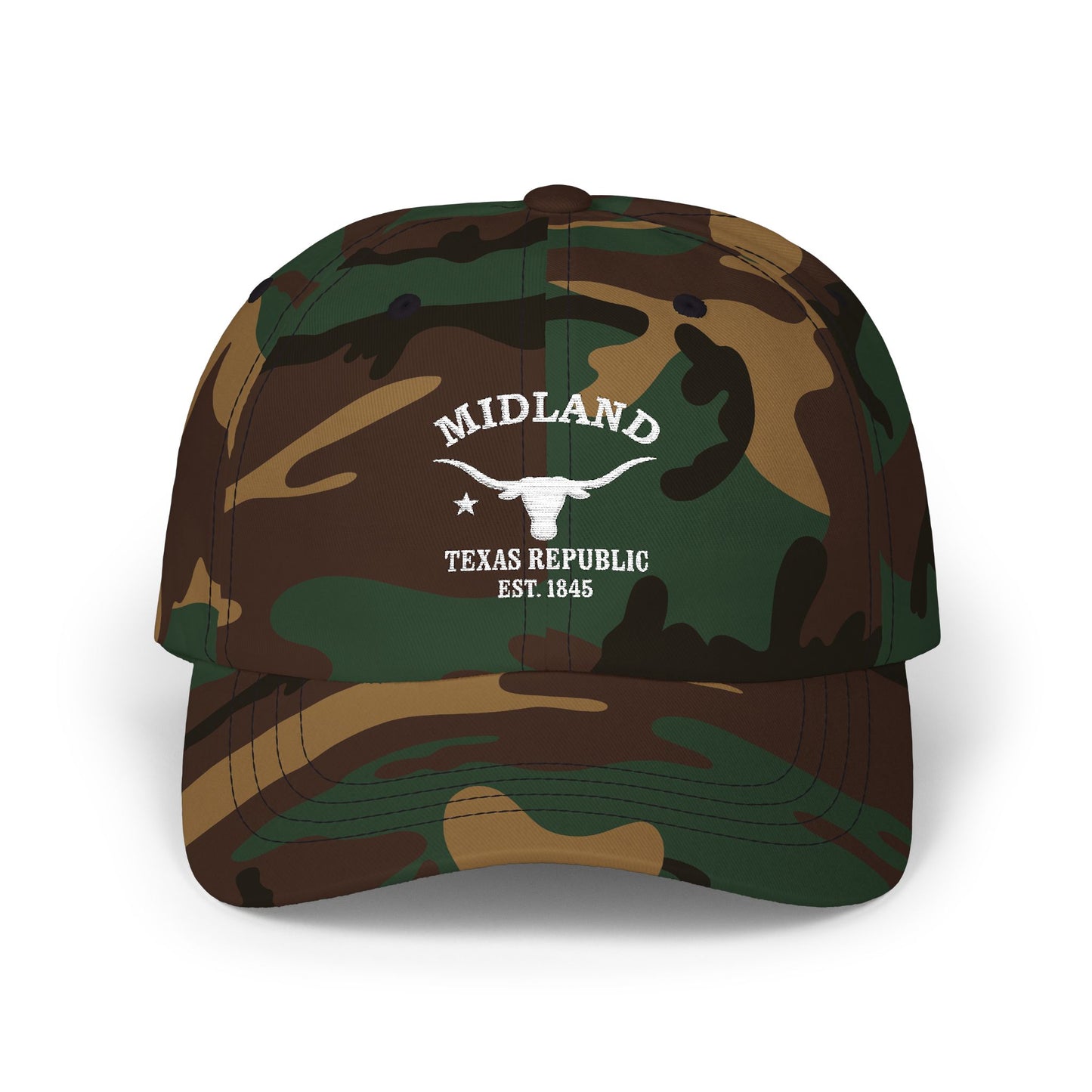
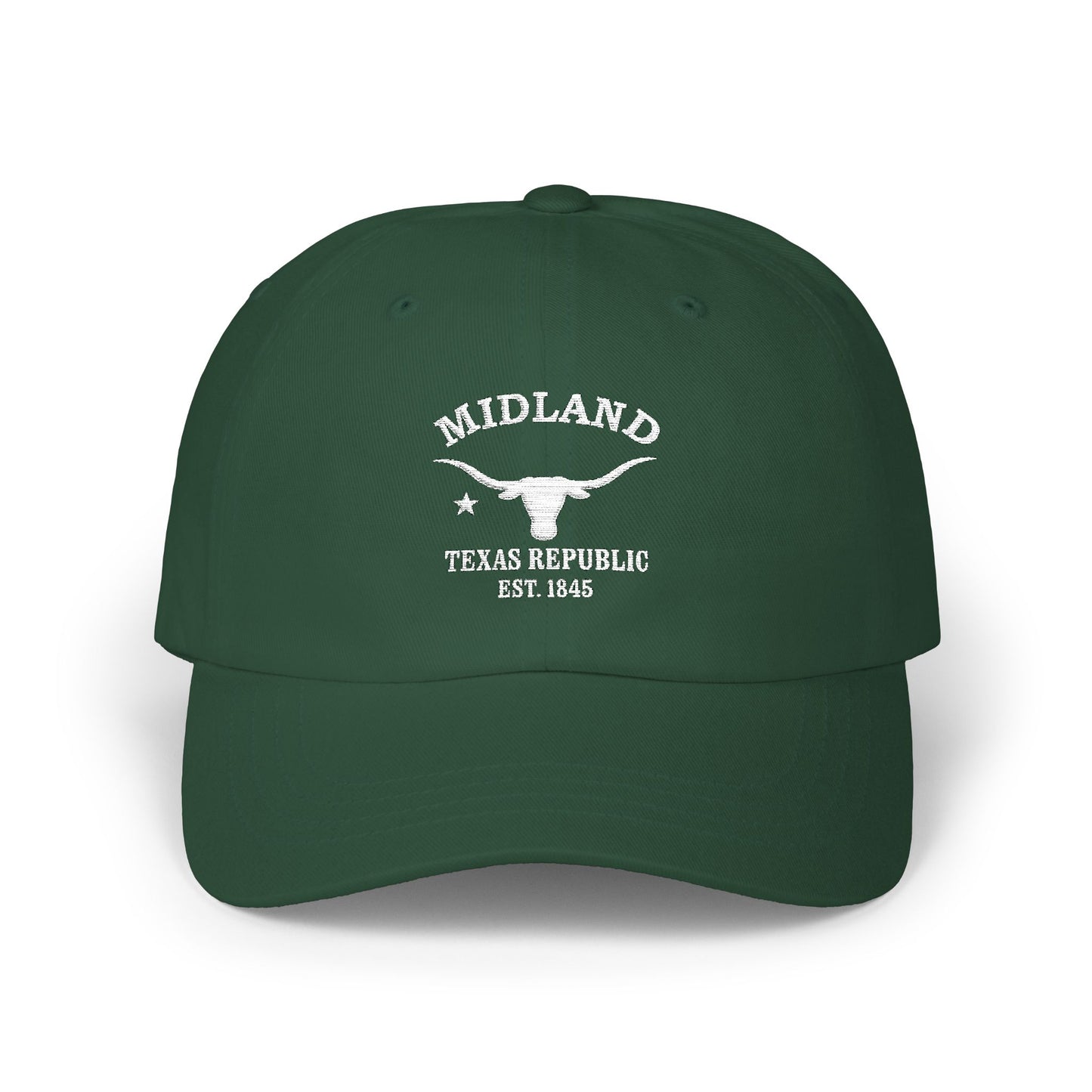
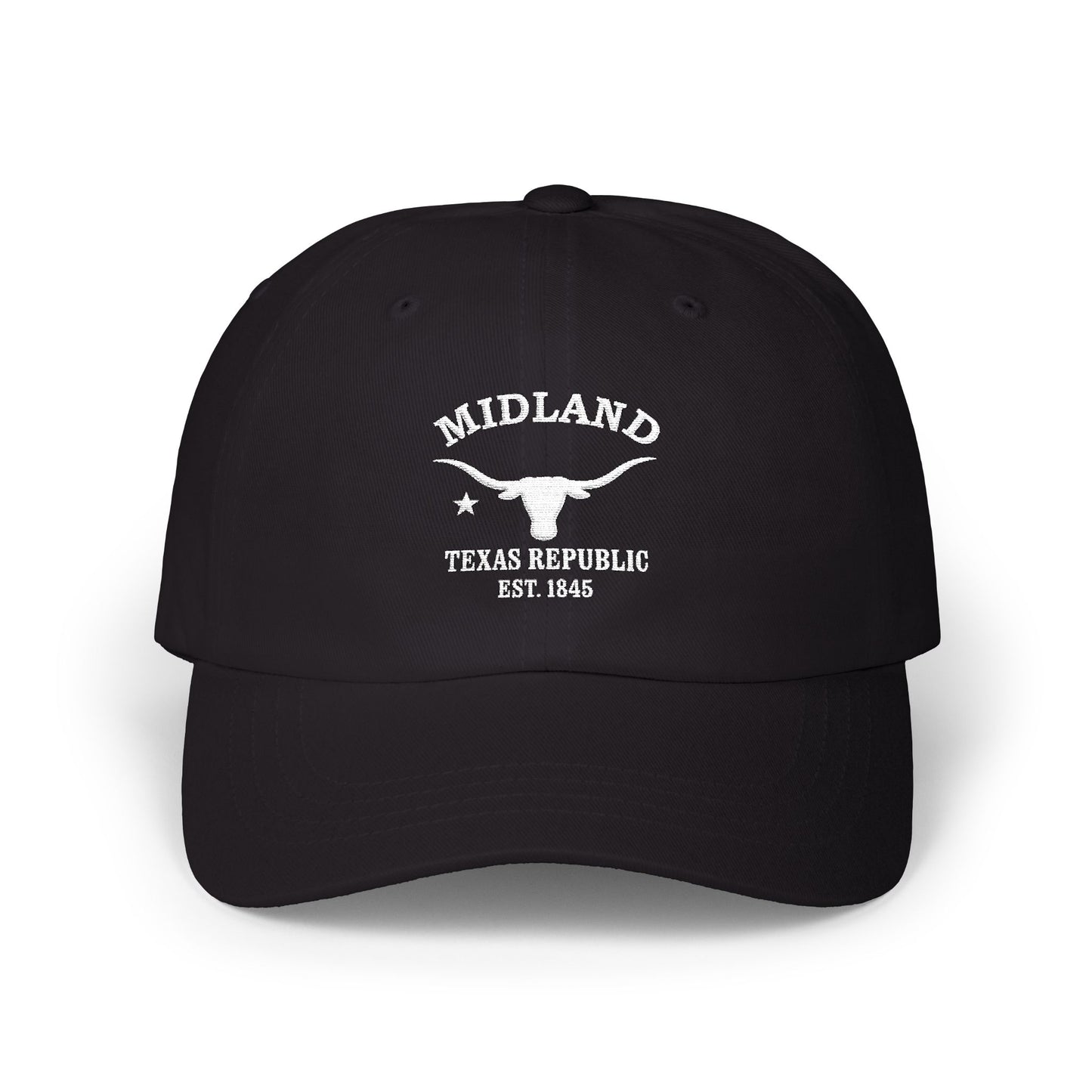
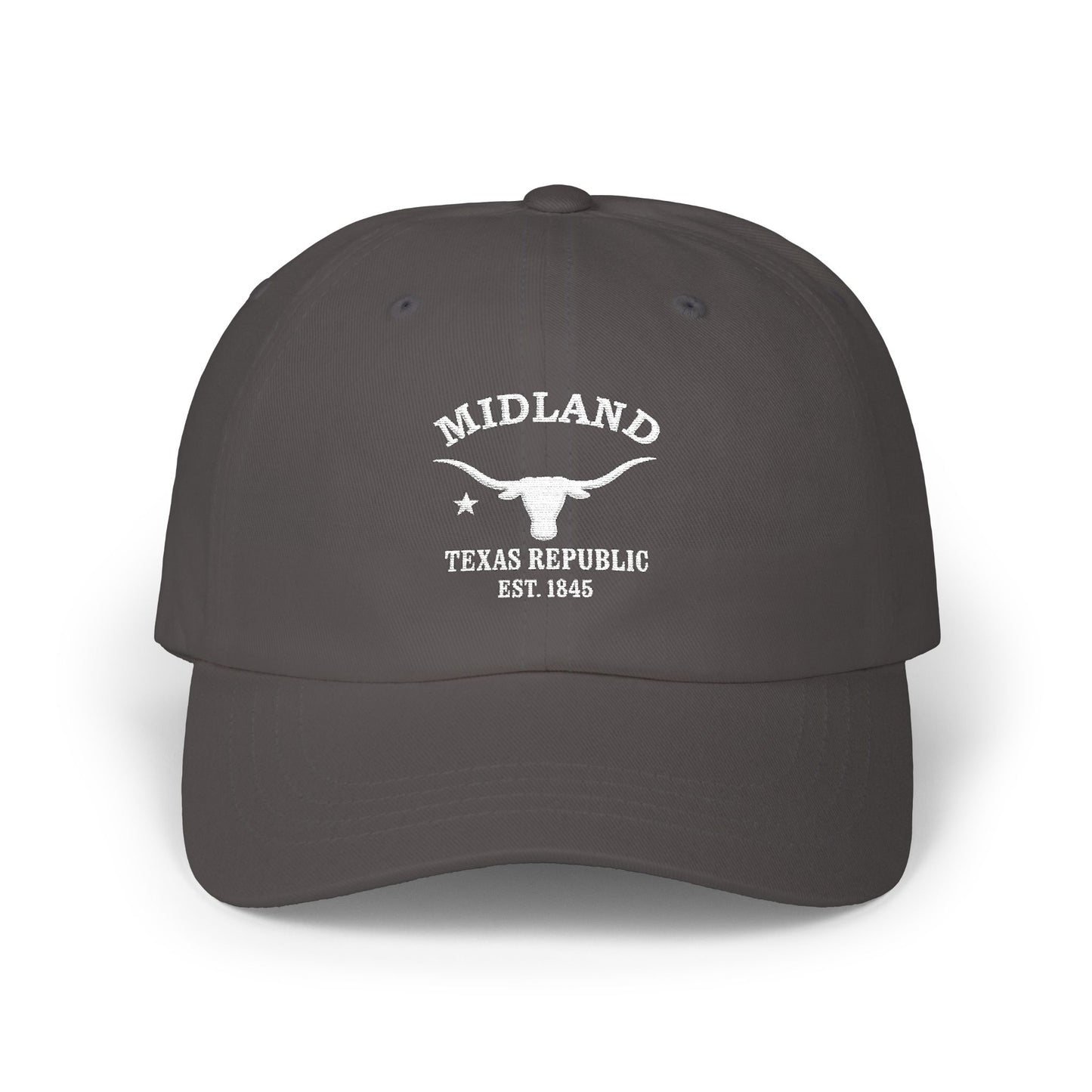
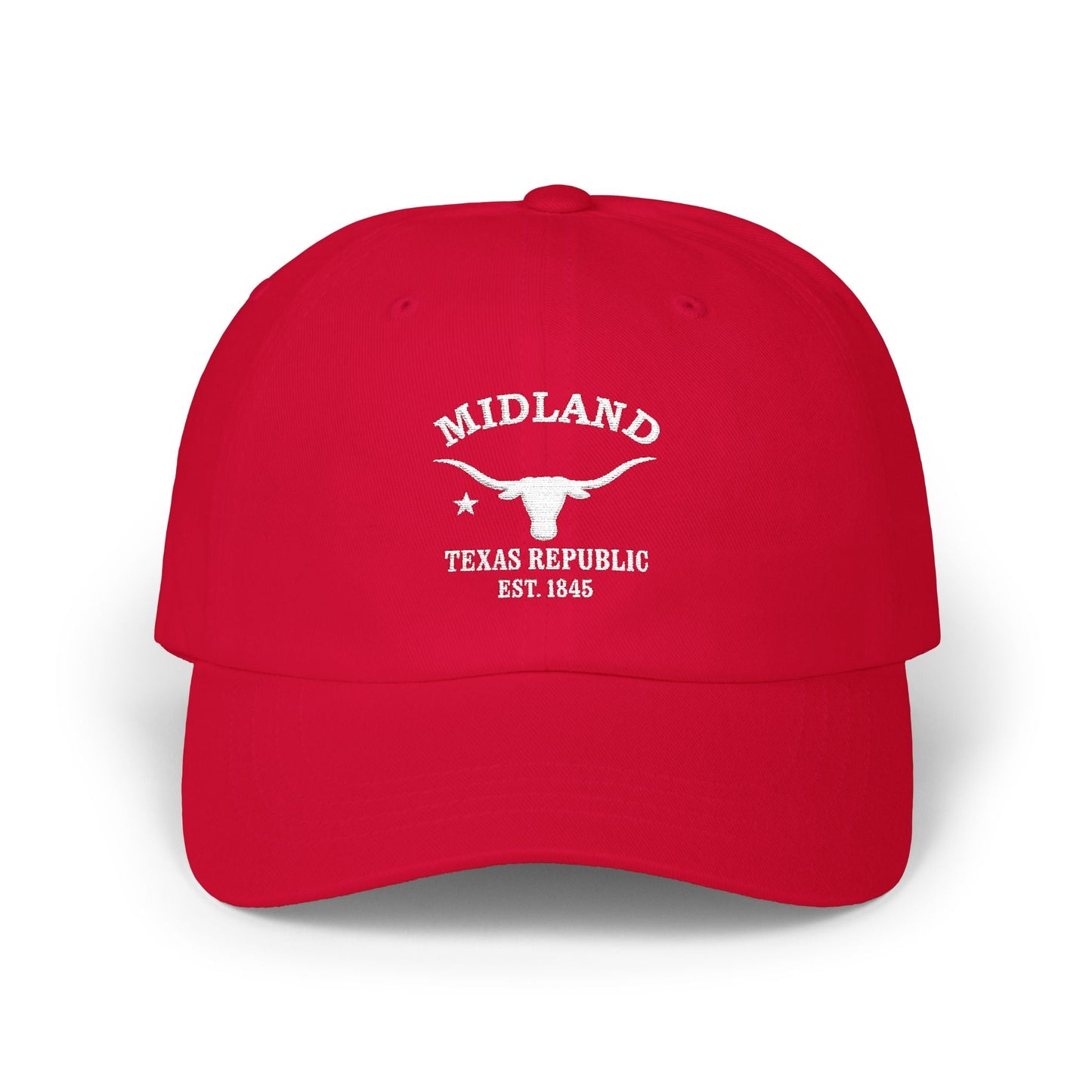
Midland began as a dot on a timetable. In 1881 the Texas & Pacific Railway laid track across the Llano Estacado — the high, flat, semi-arid "staked plains" of West Texas — and a townsite went up at the midway point between Fort Worth and El Paso, first called Midway Station and renamed Midland in 1884. Herman Garrett, a sheep rancher, was among the first permanent residents, and Midland County was organized in 1885. For its first decades the town was ranching country: cattle and sheep on the wide high plains at nearly 2,800 feet.
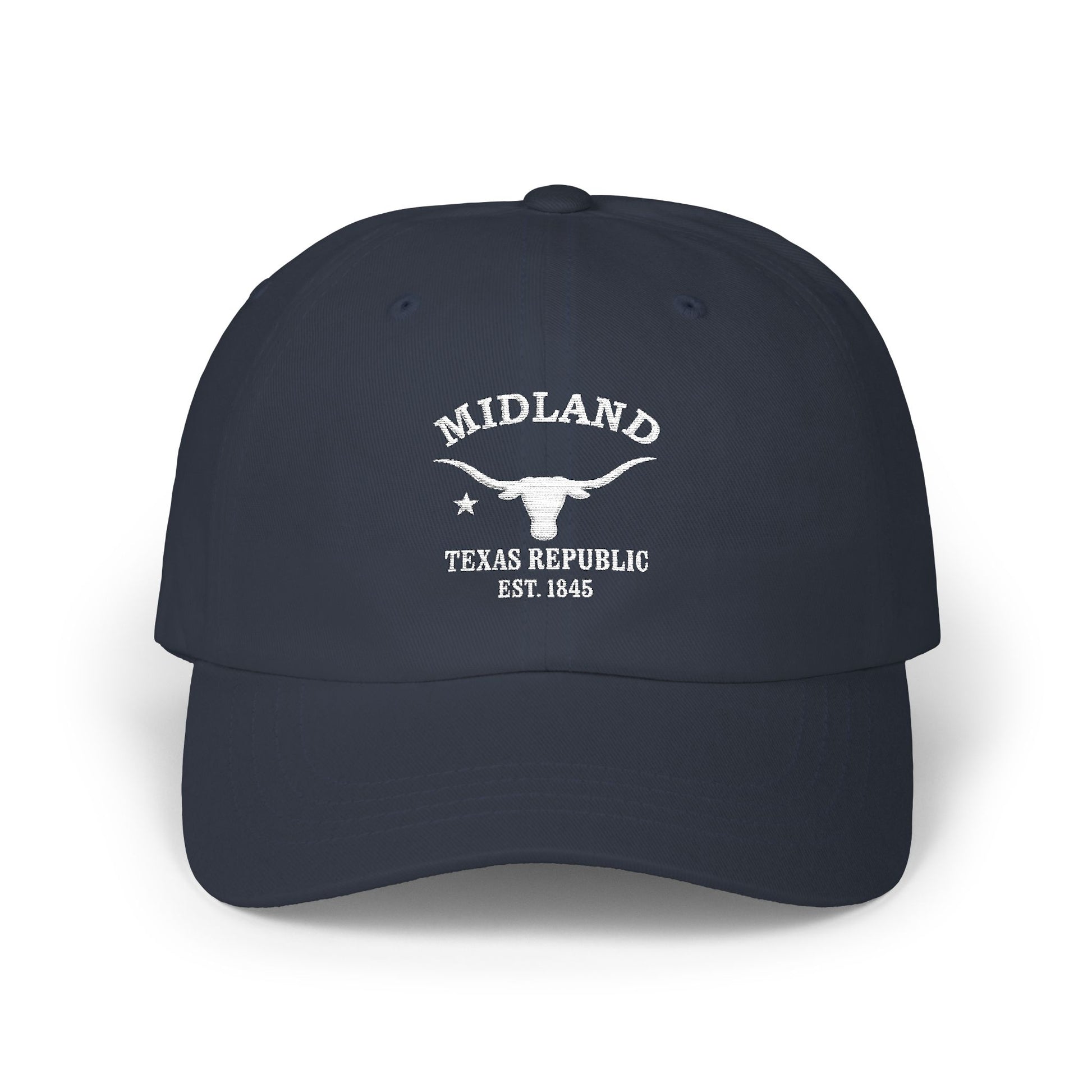
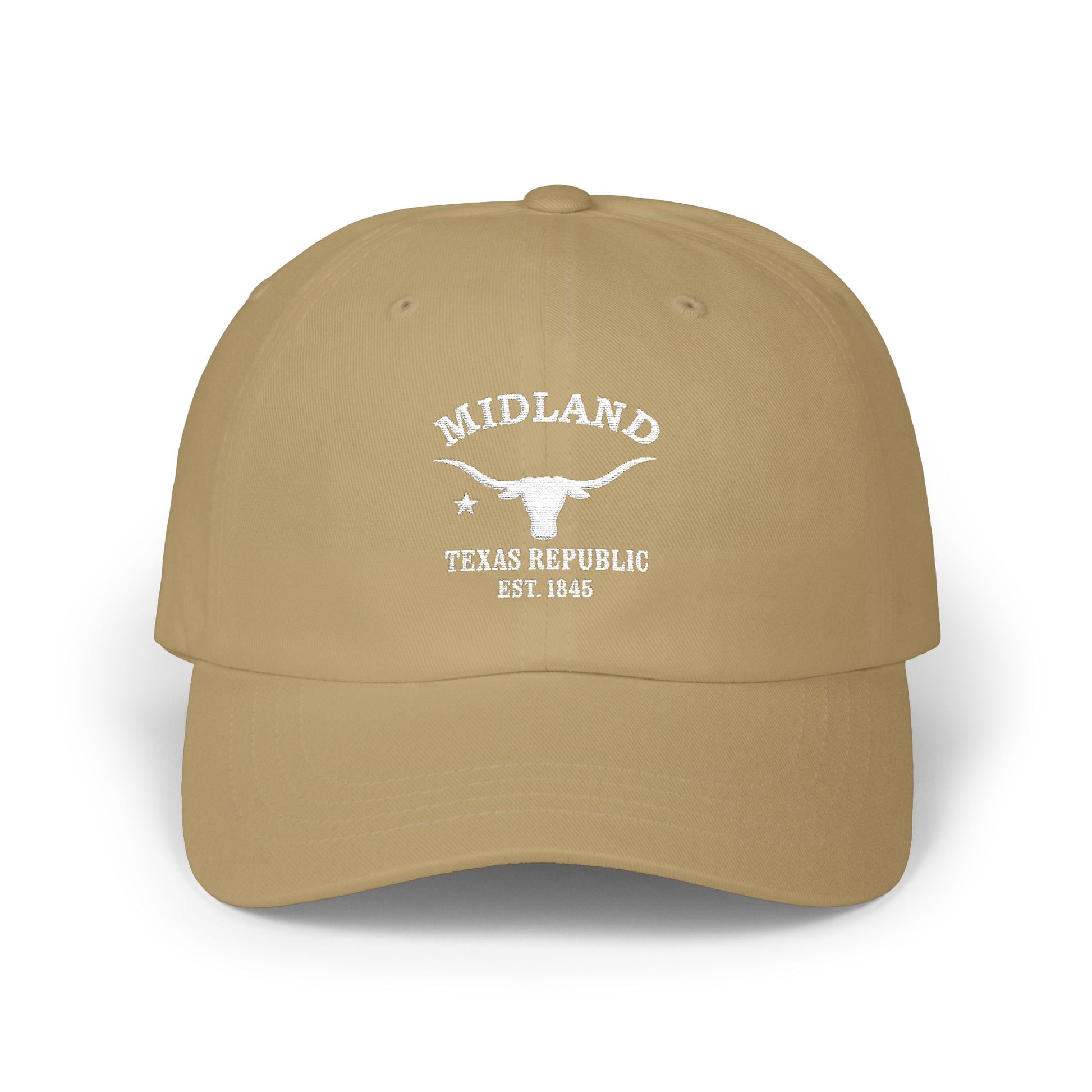
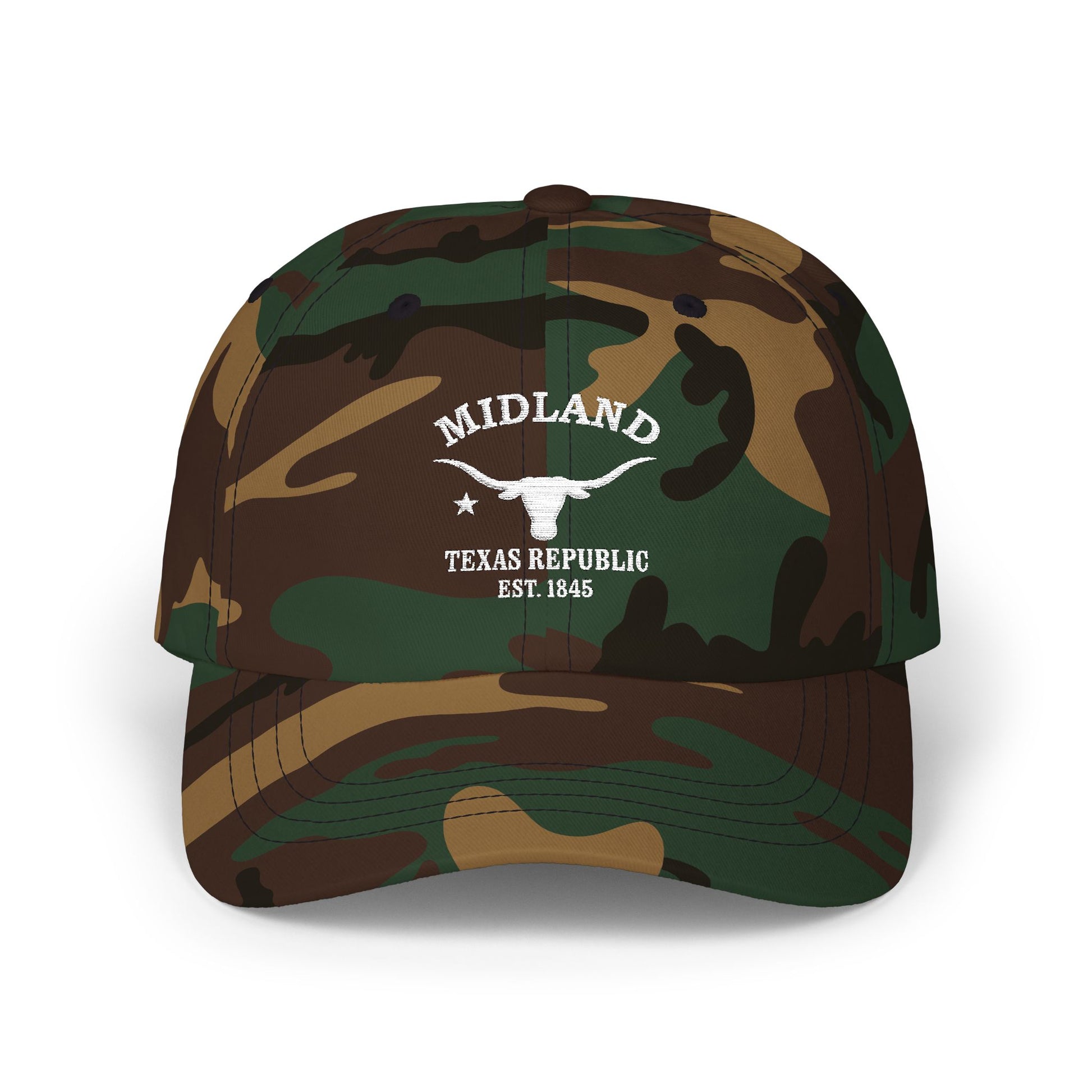
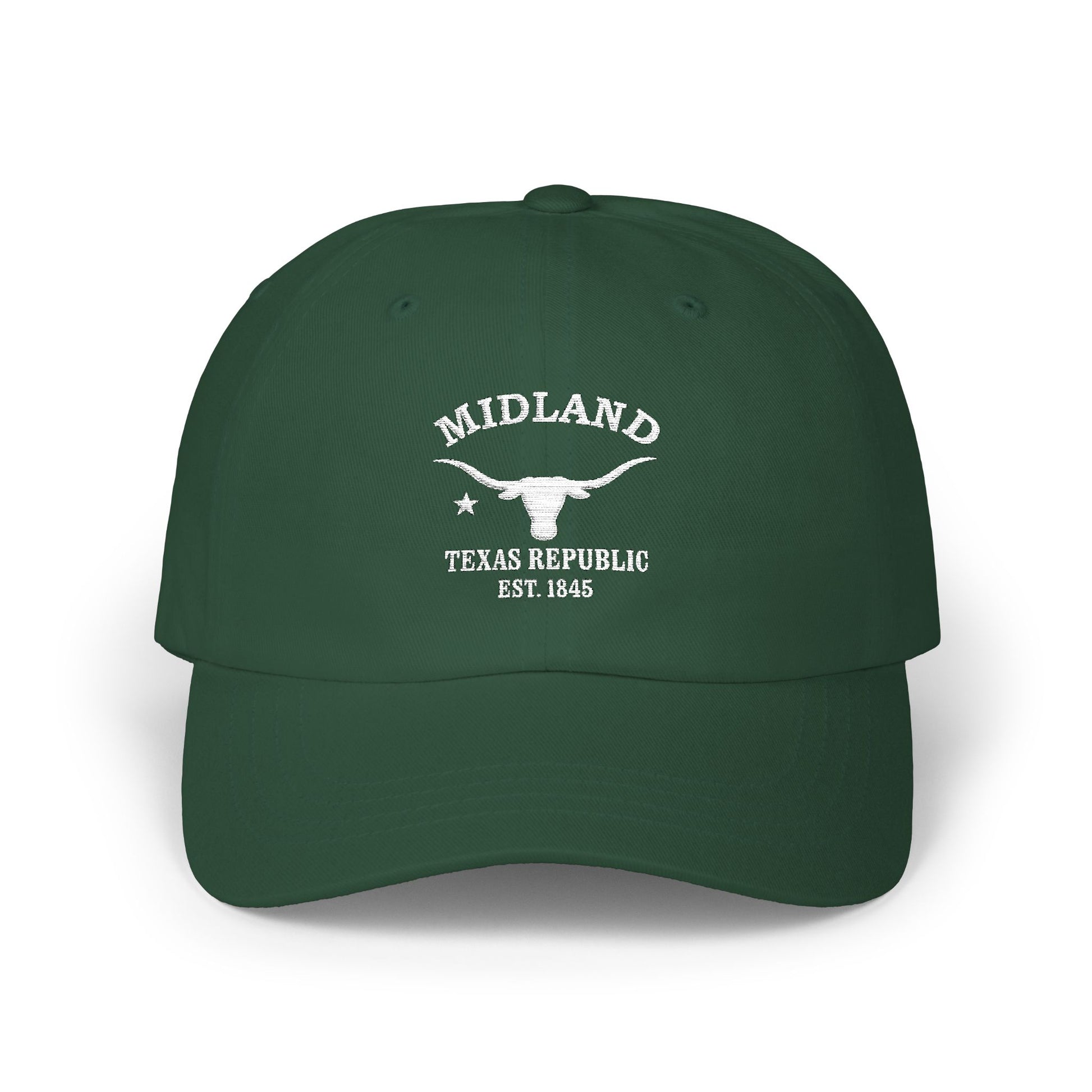
Today Midland is the corporate capital of the Permian Basin — a high-plains city of oil and gas, energy professionals, and a downtown skyline that still surprises first-time visitors. The Permian Basin Petroleum Museum tells the story of the boom that built it, and the Museum of the Southwest anchors the city's arts and history. Our Midland designs gather that identity into wearable form — the Tall City, the longhorn-and-star, the oilfield grit, the big West Texas sky. Midland, Texas — where the skyline rises straight out of the plains and the whole town runs on what is buried beneath it.
Why People Visit Midland Texas
Midland draws visitors with a mix of oil-country heritage, museums, and that unmistakable skyline standing up off the West Texas plains. Travelers find it both the business capital of the Permian Basin and a proud, practical high-plains city with deep boom-and-bust history. It is ambitious, plainspoken, and unmistakably West Texan.
