


The modern town of Lubbock was born from a handshake between rivals: in the fall of 1890 two competing promoter settlements — Old Lubbock, led by Frank E. Wheelock, and Monterey, led by W. E. Rayner — agreed on December 19 to abandon their separate townsites and combine into one new town on the South Plains. The deal was so complete that Old Lubbock's residents dragged the Nicolett Hotel across Yellow House Canyon on rollers to the merged site. The county had already been named in 1876 for Colonel Thomas Saltus Lubbock — a signer of the Texas Declaration of Independence and a Texas Ranger, brother of Texas Governor Francis Lubbock — and the new town took the same name, became the county seat in 1891, and incorporated as a city on March 16, 1909. People had crossed this country for far longer than any of that: the Lubbock Lake Landmark in Yellow House Canyon preserves evidence of more than ten thousand years of continuous human presence on the Llano Estacado, the vast flat tableland that the Comanche ranged before the ranchers and farmers came. When the Santa Fe Railroad arrived and artesian wells brought irrigation to the dry plains, the ranching frontier turned into cotton country, and Lubbock grew into one of the nation's leading inland cotton markets — the heart of the world's largest contiguous cotton-growing region. They call it the Hub City, the commercial, educational, and healthcare center of the entire South Plains, set between the Permian Basin and the Texas Panhandle at 3,256 feet, where the wind never quits. That wind is fitting: the American Windmill Museum here holds the world's largest collection of windmills, more than 170 of them turning over the plains. Lubbock became a regional university and medical hub through the twentieth century and a cradle of the West Texas music that changed American rock and roll — but underneath the growth it is still a plains town built on cotton, cattle, wind, and the stubborn idea that two rivals are better off as one. From the Llano Estacado horizon to the cotton rows running flat to the sky, this is West Texas at its most itself.
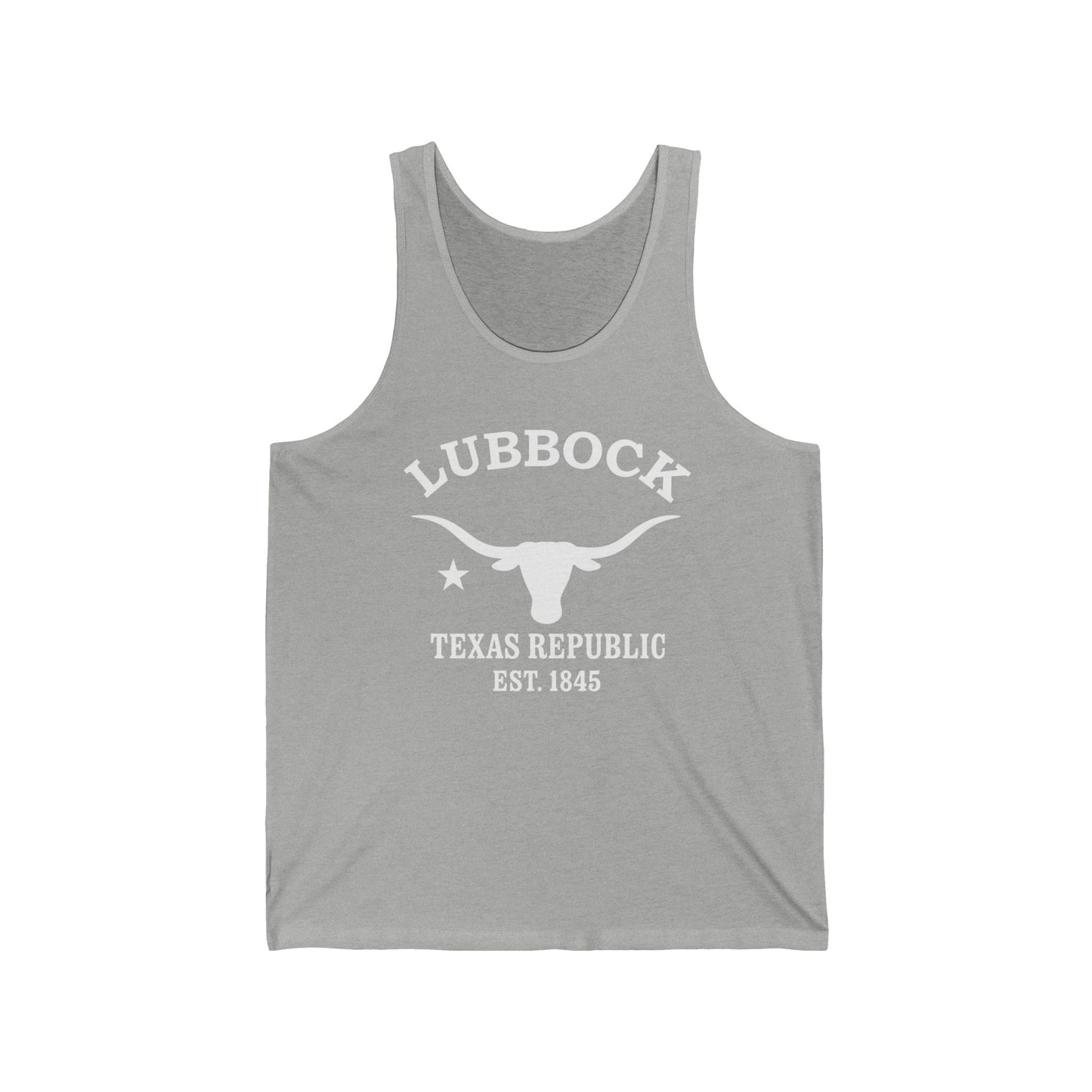
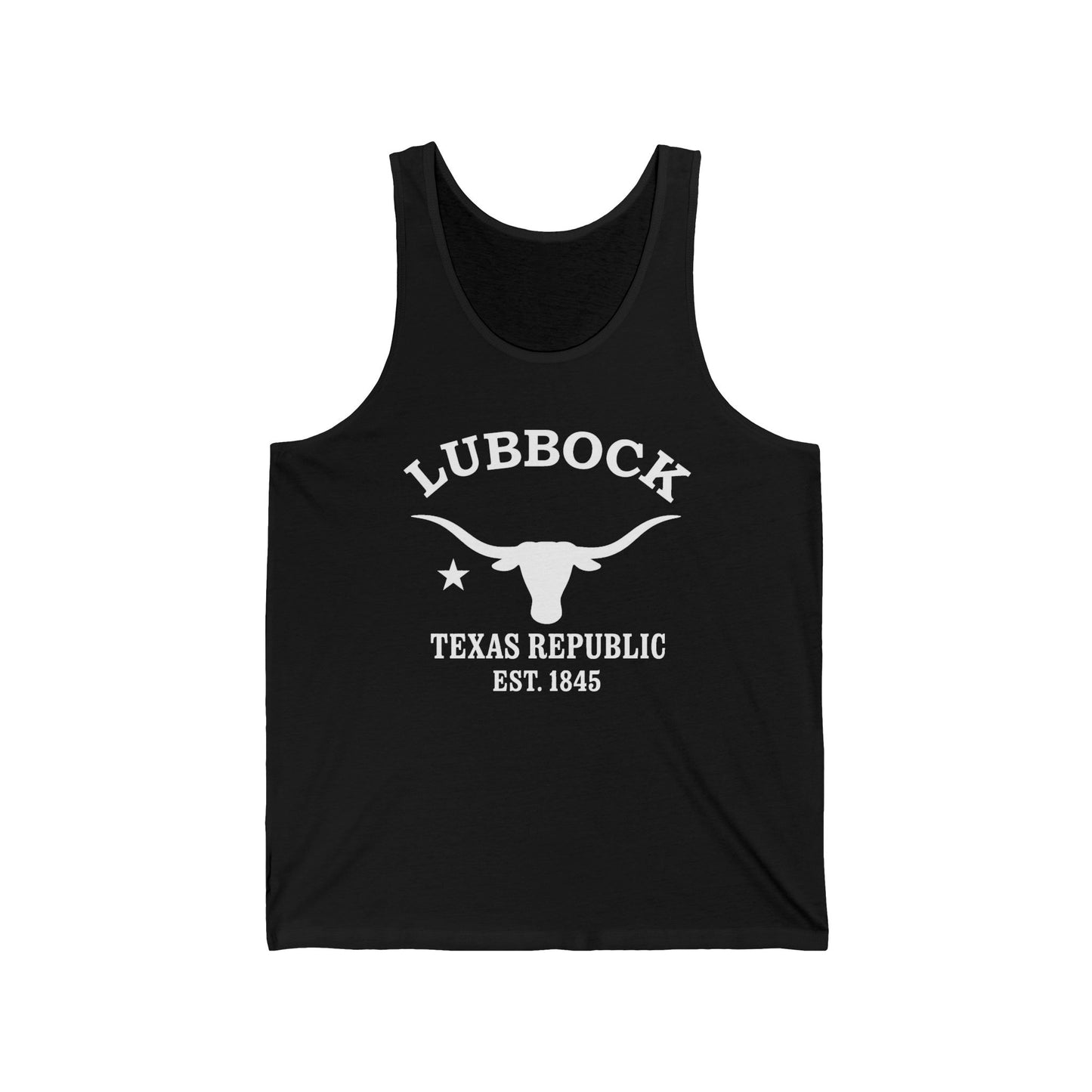
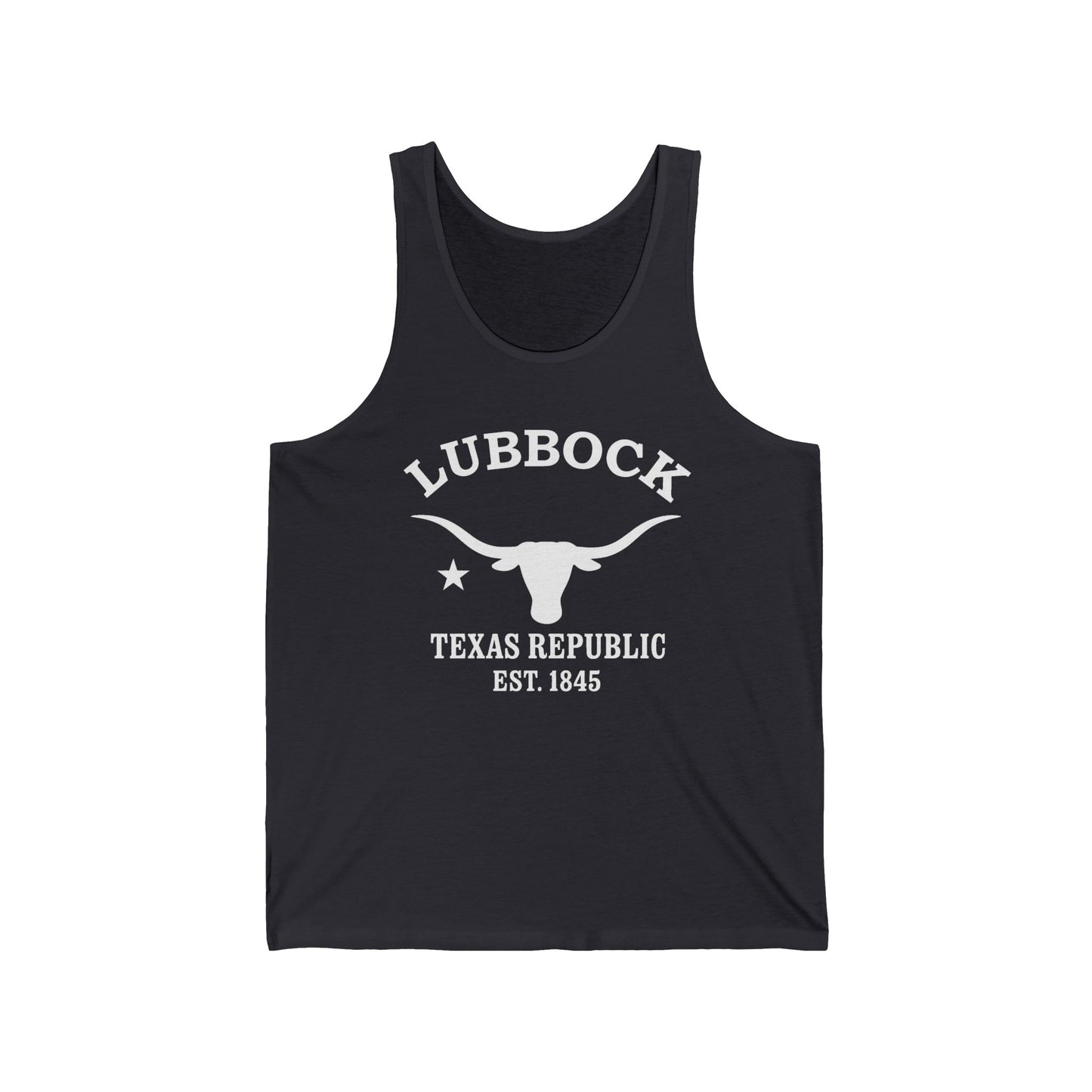
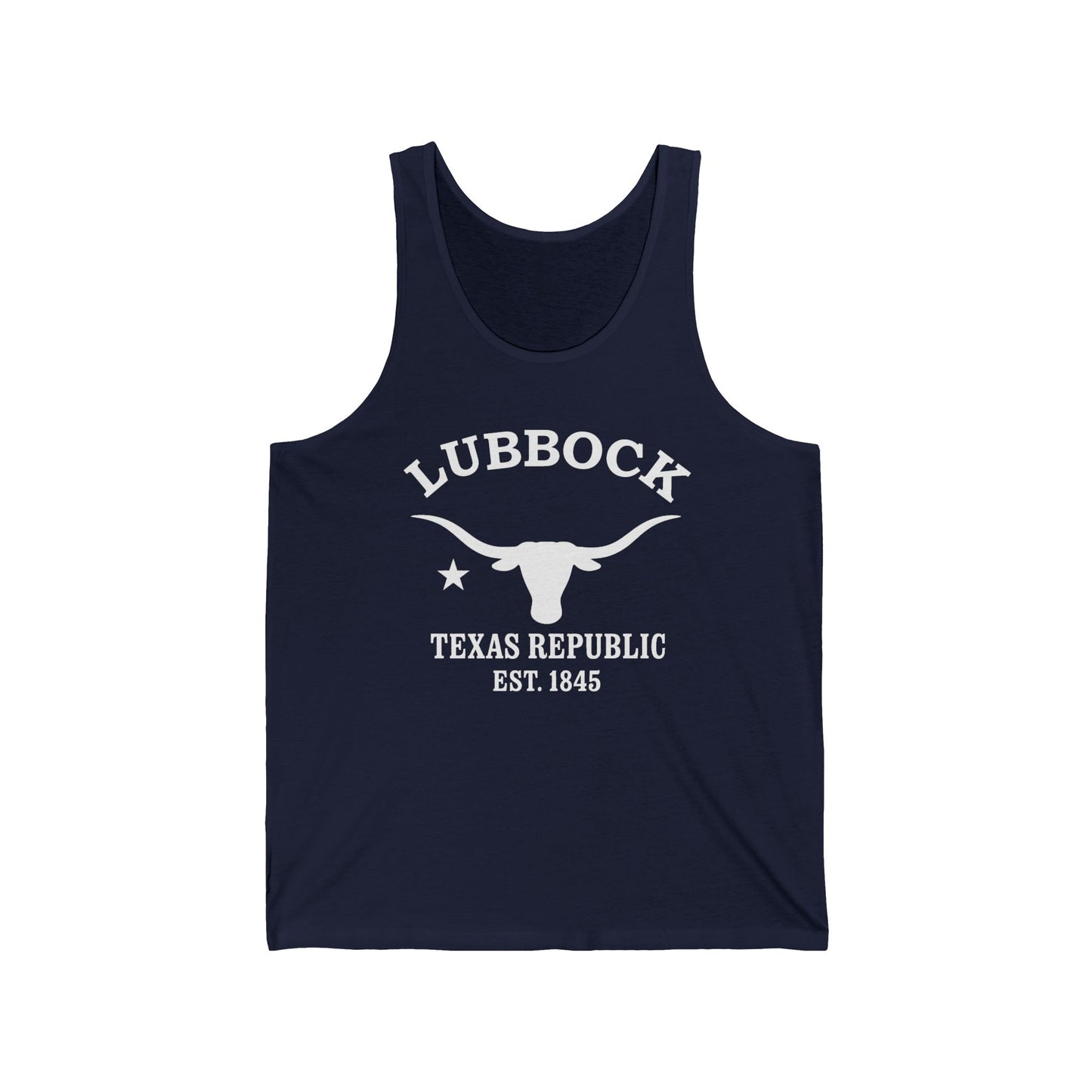
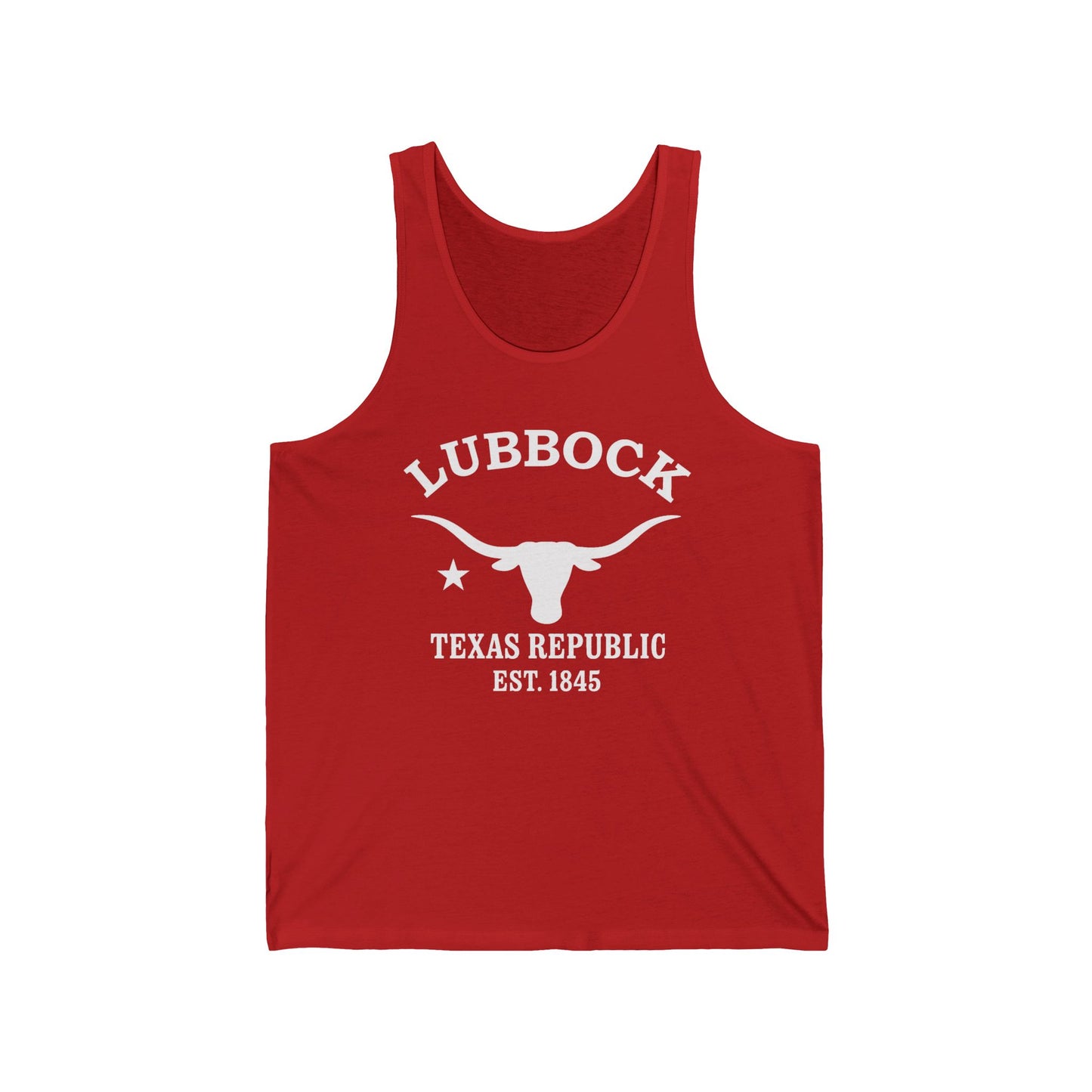
Today Lubbock is celebrated as a cotton capital and university city. Its story reflects resilience, pride, and ambition. Our Lubbock designs embody this layered identity, pairing the longhorn and Lone Star motif with vintage styling. They invite you to explore the Lubbock collection and carry forward a reminder of Texas resilience. Retro in tone, the logo reflects endurance and authenticity. Lubbock’s emblem honors both heritage and suburban identity, making it a vintage symbol of Texas pride. Explore the collection and share in Lubbock’s story of toughness, heritage, and community pride across generations.
Why People Visit Lubbock Texas
Lubbock is the heartland-pride heart of West Texas: the Hub City of the South Plains, the commercial heart of the world's largest contiguous cotton-growing region, a town founded in 1890 when two rivals chose to become one. It offers the world's largest windmill collection, the deep ranching archive of the National Ranching Heritage Center, the 10,000-year human record at the Lubbock Lake Landmark, the railroad-era Depot District, the canyon parks of Yellow House Canyon, and a West Texas music heritage that helped shape American rock and roll — all under the wide flat sky of the Llano Estacado. It feels spacious, sunny, and grounded, where cotton country, university life, and plains heritage sit side by side. Hub City. Cotton country. West Texas, wide open.
