







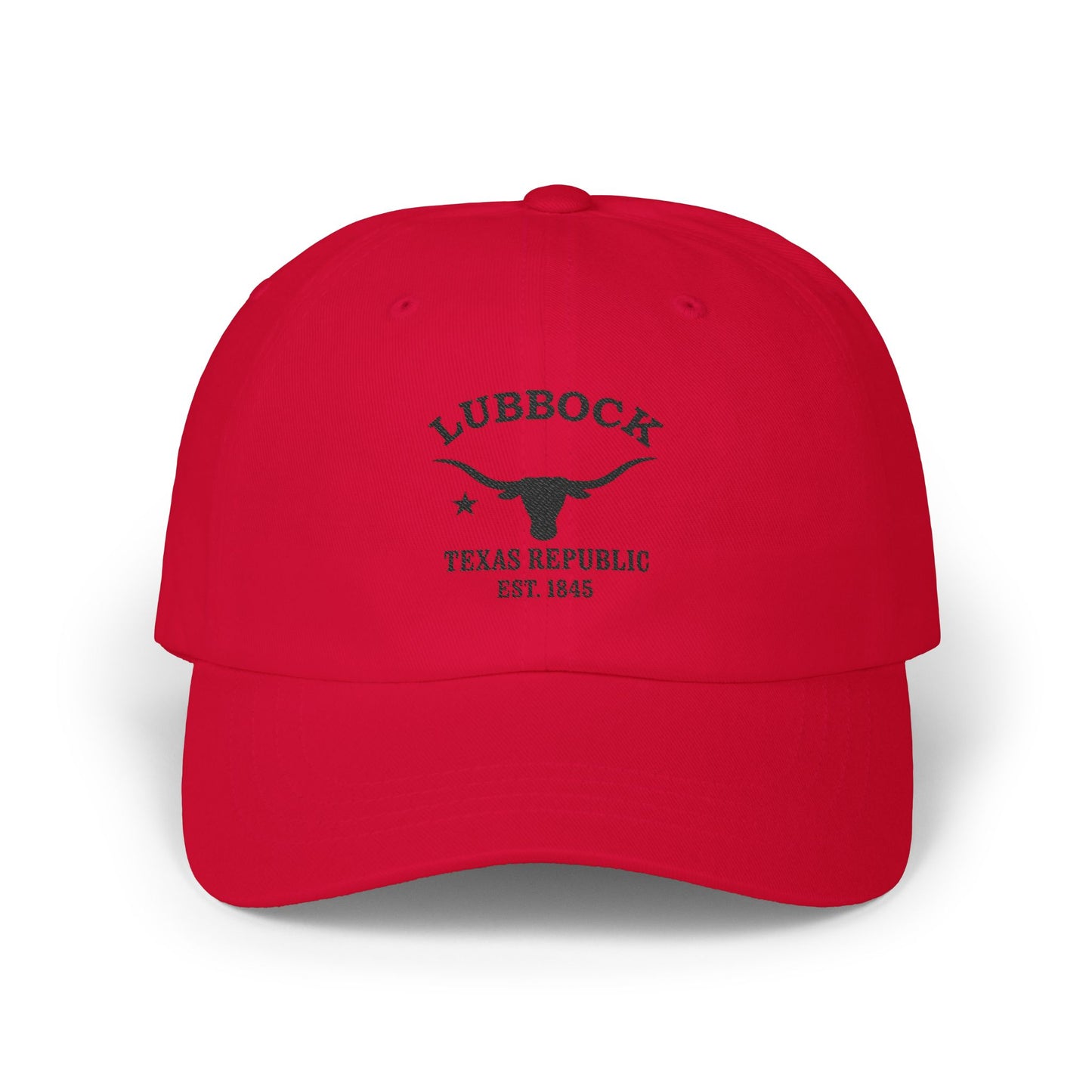
Lubbock thrived as a cotton hub in the early twentieth century. Texas Tech University, founded in 1923, became a cultural and educational anchor. By the 1950s and 1960s, suburban neighborhoods and cultural life expanded, balancing ranching with education. Its timeline reflects adaptability: agricultural hub transforming into university town. Lubbock’s mid-century decades emphasized optimism, cultural pride, and suburban identity. The city thrived as both agricultural and cultural community, reflecting Texas’s broader story: ranching roots adapted into suburban and educational growth. Its story shows resilience, pride, and ambition across traditions and modern expansion.
Lubbock’s lore includes myths of endless cotton fields, tornadoes testing resilience, and Texas Tech pride. Families recall football parades, rodeos, and suburban festivals of the 1950s. Residents remembered dust storms, but celebrated rebuilding with optimism. Lore reflects both myth and memory, highlighting resilience, cultural pride, and ambition. Lubbock’s stories emphasize its dual identity: agricultural hub and university town. Fact and legend alike reveal toughness and continuity, ensuring traditions remained central. Lubbock’s lore reflects Texas’s character: independence, grit, and community strength, making it a proud emblem of Texan resilience across heritage and suburban identity.
Why People Visit Lubbock Texas
- Tour the American Windmill Museum — the world's largest windmill collection, more than 170 restored windmills turning over the plains, plus the "Legacy of the Wind" mural.
- Walk the National Ranching Heritage Center — more than 50 authentic historic ranch structures and trails preserving the cattle-ranching heritage of the South Plains.
- Visit the Lubbock Lake Landmark in Yellow House Canyon — a National Historic Landmark preserving more than 10,000 years of human presence on the Llano Estacado.
- Explore the Depot District — the historic Santa Fe Railroad depot district downtown, with murals, event venues, and railroad-era architecture.
- Relax in Mackenzie Park — broad lawns, the Brazos headwaters canyon, lakes, and family recreation along Yellow House Canyon.
- Drive out to Buffalo Springs Lake — the canyon reservoir and recreation area southeast of town, a green break in the plains.
- Take in Lubbock's West Texas music heritage — the city's enduring identity as a cradle of West Texas rock and roll, celebrated at its music-heritage venues and the West Texas Walk of Fame.
