


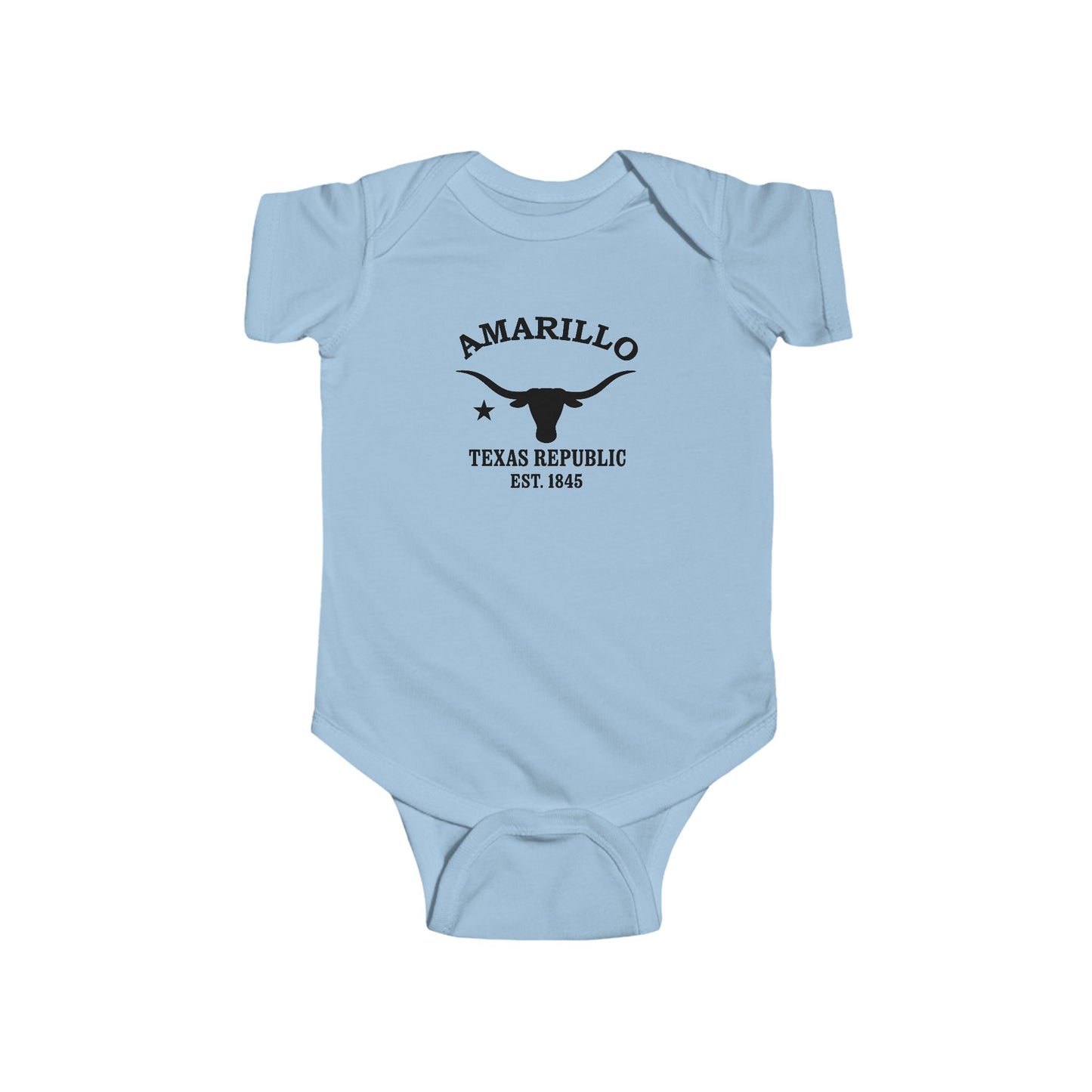
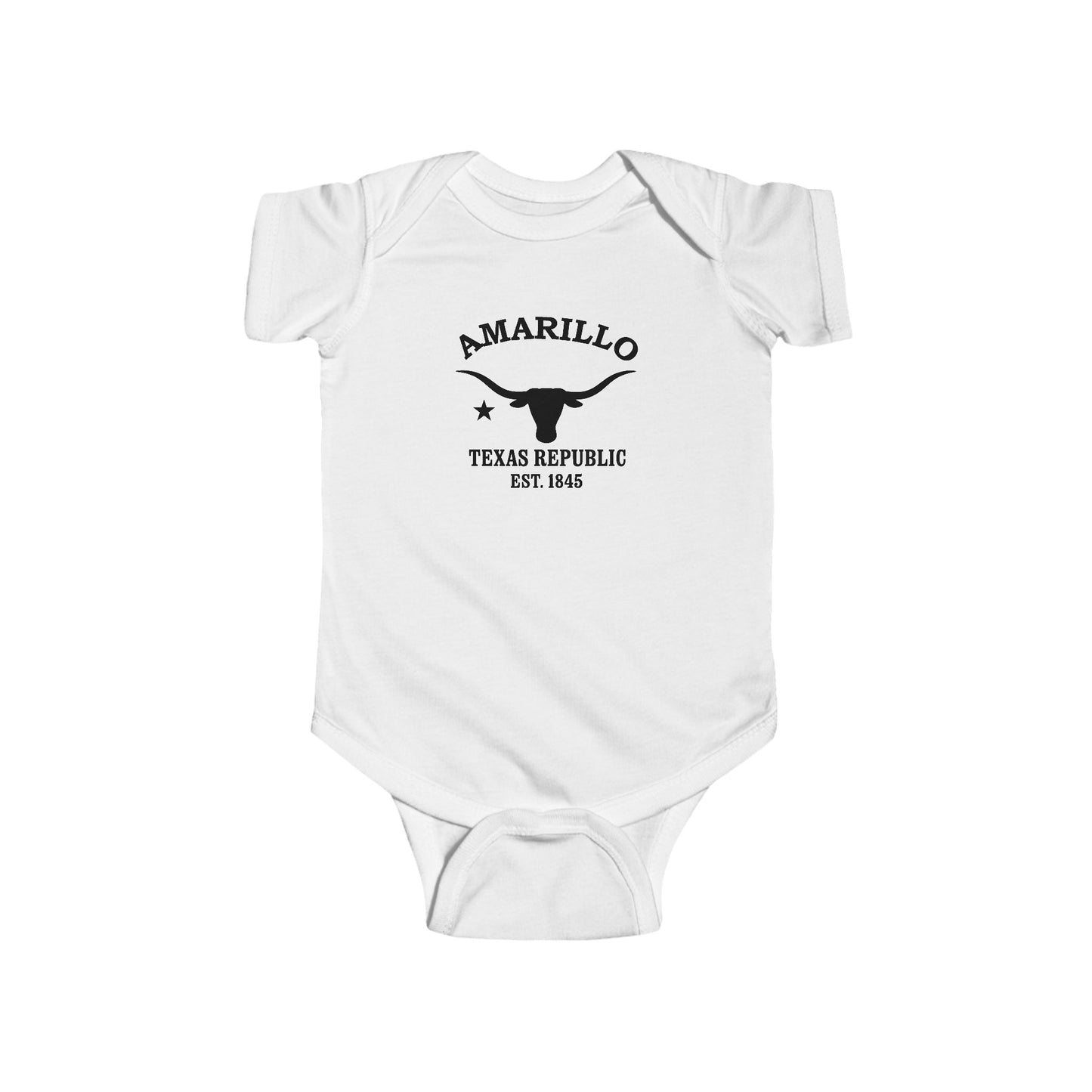
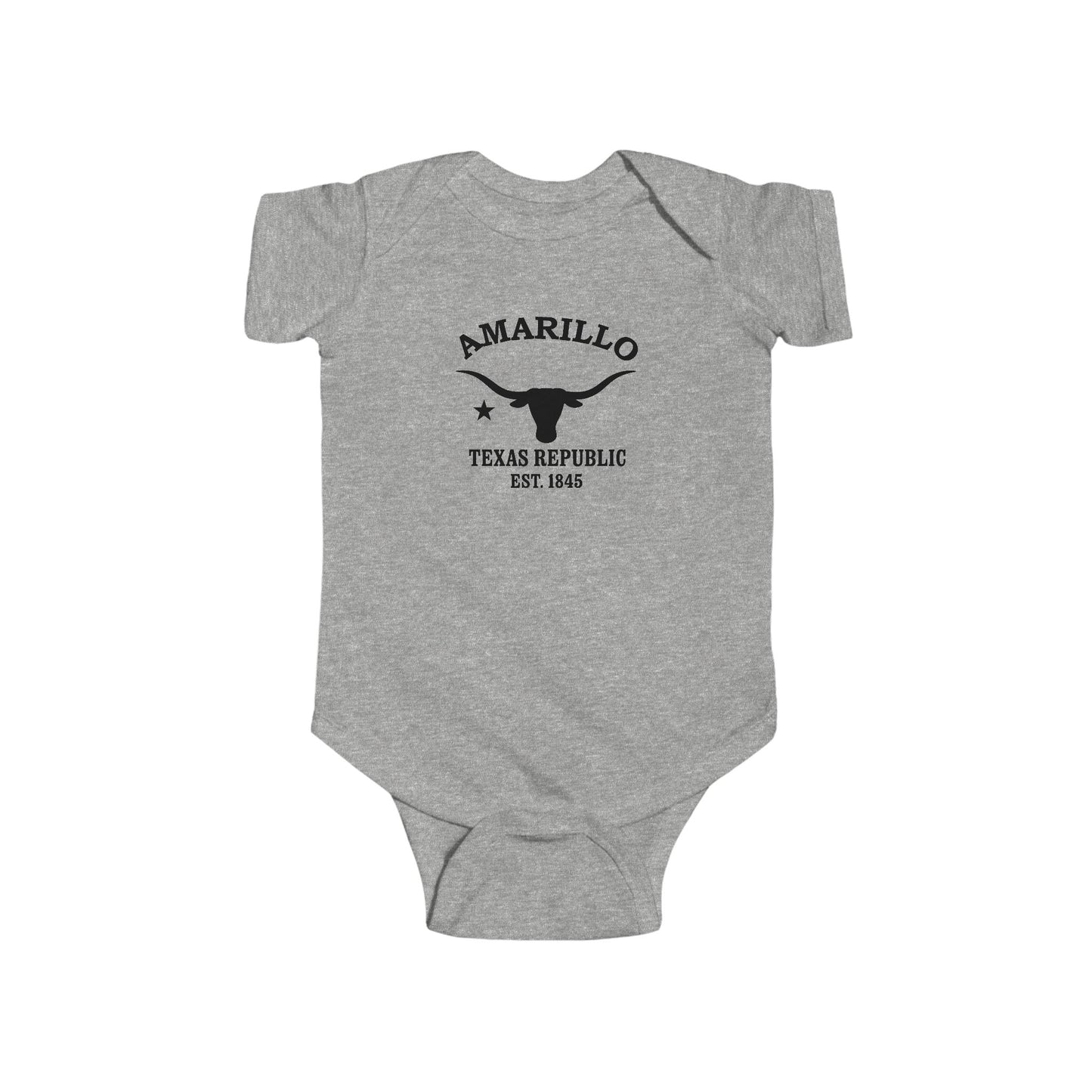
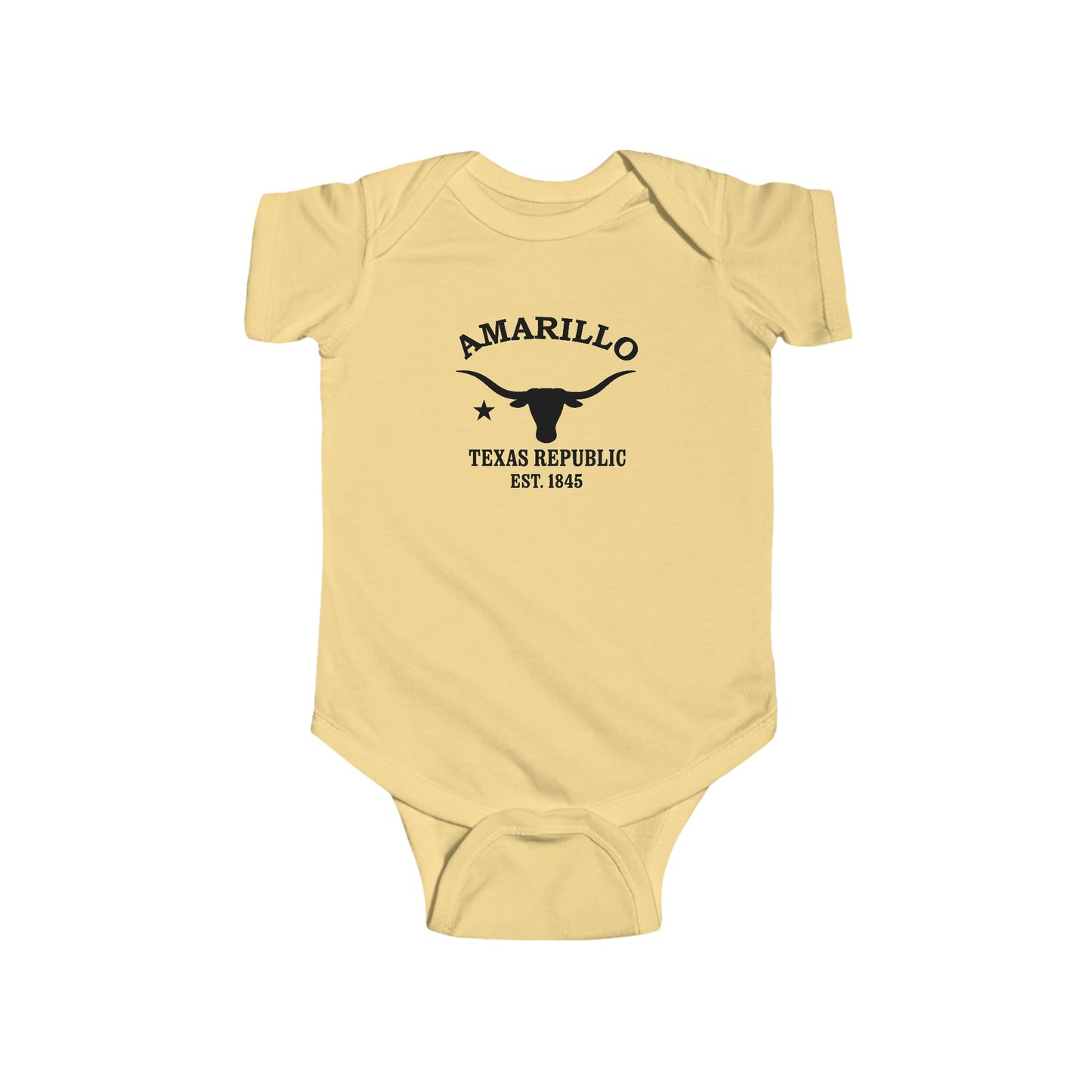
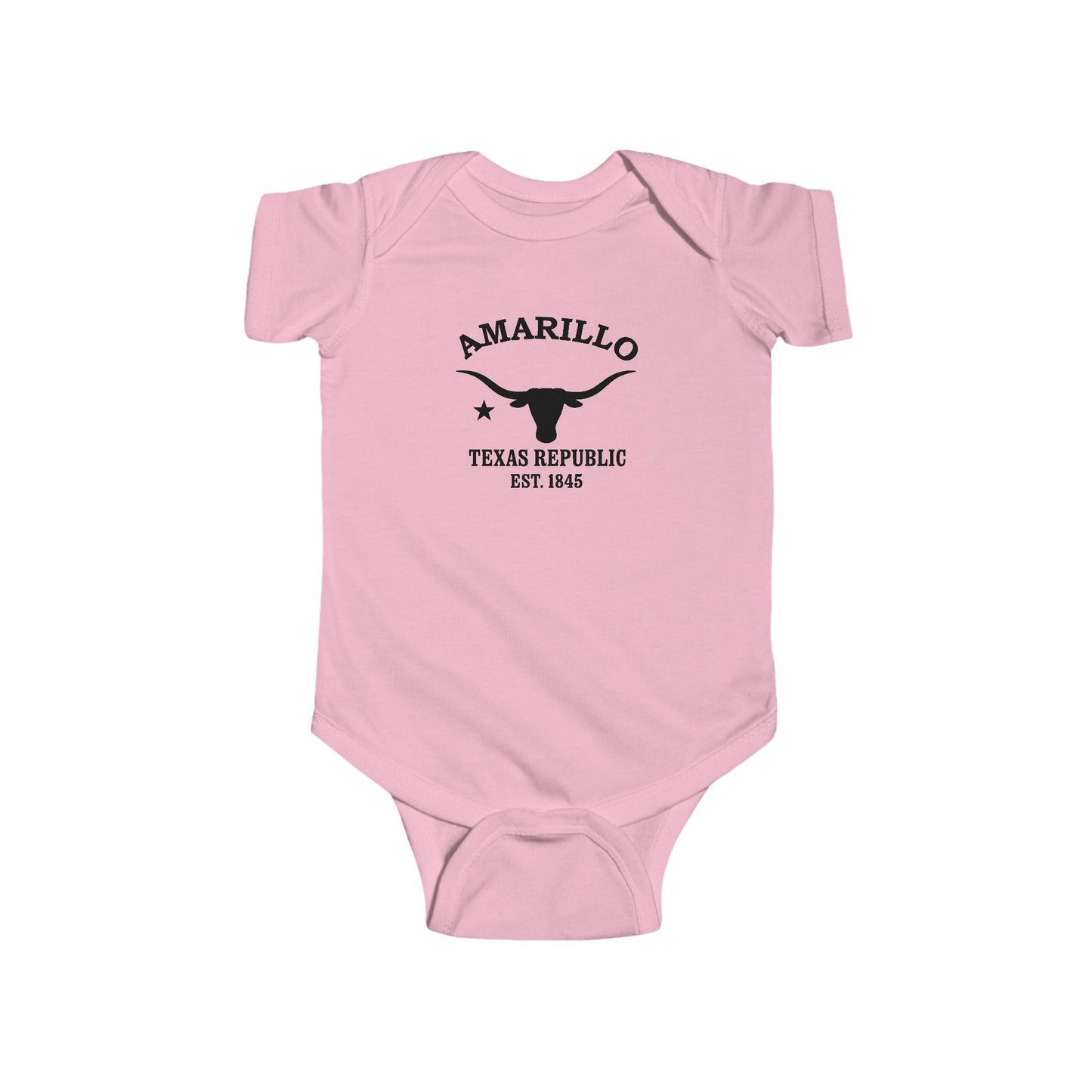
Today Amarillo is the capital of the Texas Panhandle — a high-plains city of cattle, energy, the self-styled "Helium Capital of the World," and a steady stream of Route 66 travelers passing through on the way across the country. Just to the south, Palo Duro Canyon opens 800 feet into the plains, the "Grand Canyon of Texas." Our Amarillo designs gather that identity into wearable form — the Yellow City, the longhorn-and-star, the Quarter Horse, the Mother Road. From the cattle sidings to the canyon rim — wear a little of the high-plains Panhandle.
This stretch of the Llano Estacado — the high, flat, treeless caprock that the Spanish called the "staked plains" — was Comanche, Kiowa, and Apache country, crossed by Coronado's expedition as early as 1541 in search of the cities of Cibola. For centuries it was open range: bison herds, then the great cattle drives. The town itself begins in 1887, when the railroad arrived and surveyors laid out a settlement near Amarillo Lake. It was called Oneida at first, then renamed; two years later the rancher Henry B. Sanborn — the "Father of Amarillo" — moved the whole town to higher ground, where it stuck.
Why People Visit Amarillo Texas
- Drive a stretch of historic Route 66 through the Sixth Street Historic District, with vintage storefronts, antiques, and diners.
- Visit Palo Duro Canyon State Park, the "Grand Canyon of Texas" and the second-largest canyon in the country.
- Tour the American Quarter Horse Hall of Fame and Museum, honoring the West's working horse.
- See Cadillac Ranch, the famous row of nose-down Cadillacs along Interstate 40.
- Stop at the Big Texan Steak Ranch, a Route 66 icon of Panhandle cattle country.
