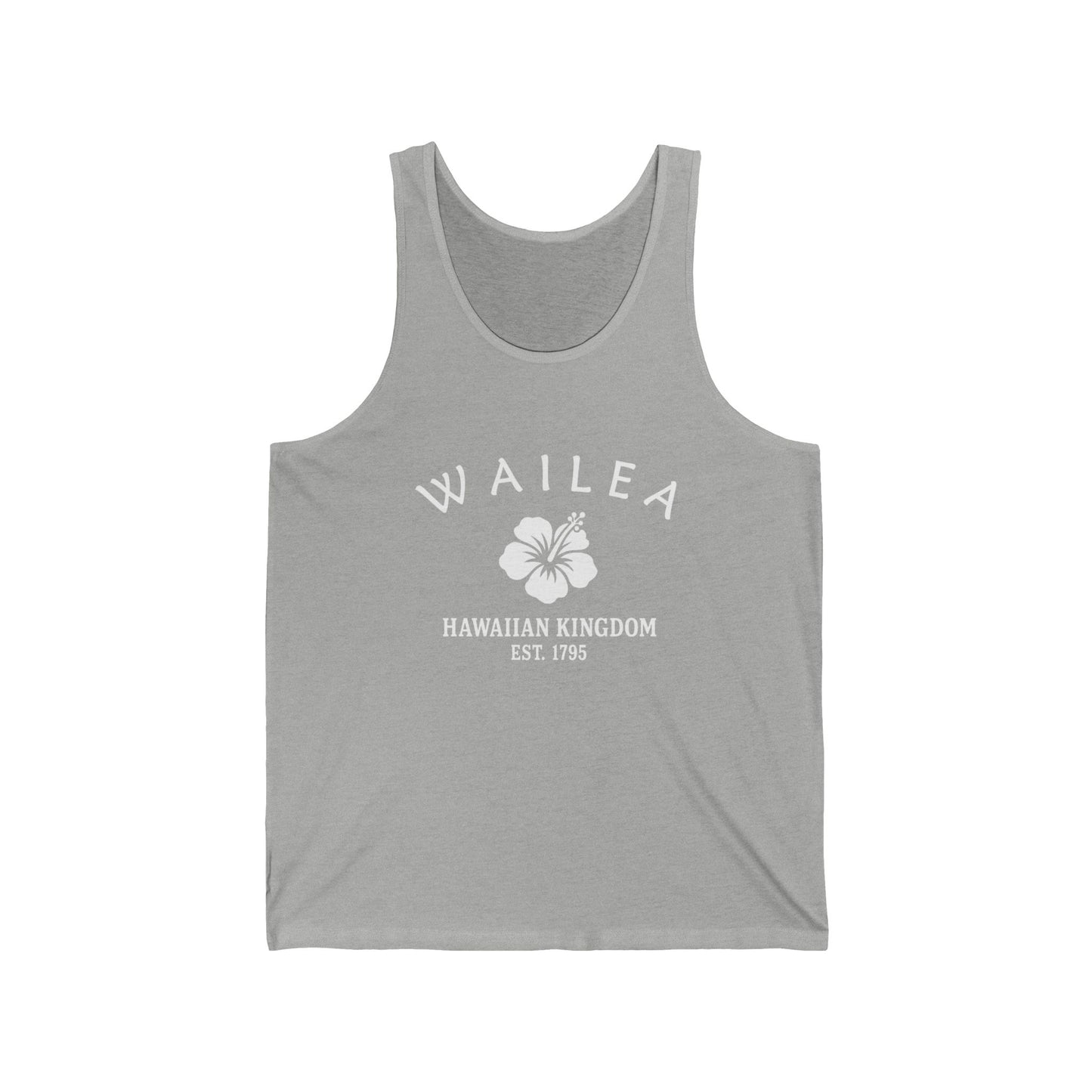
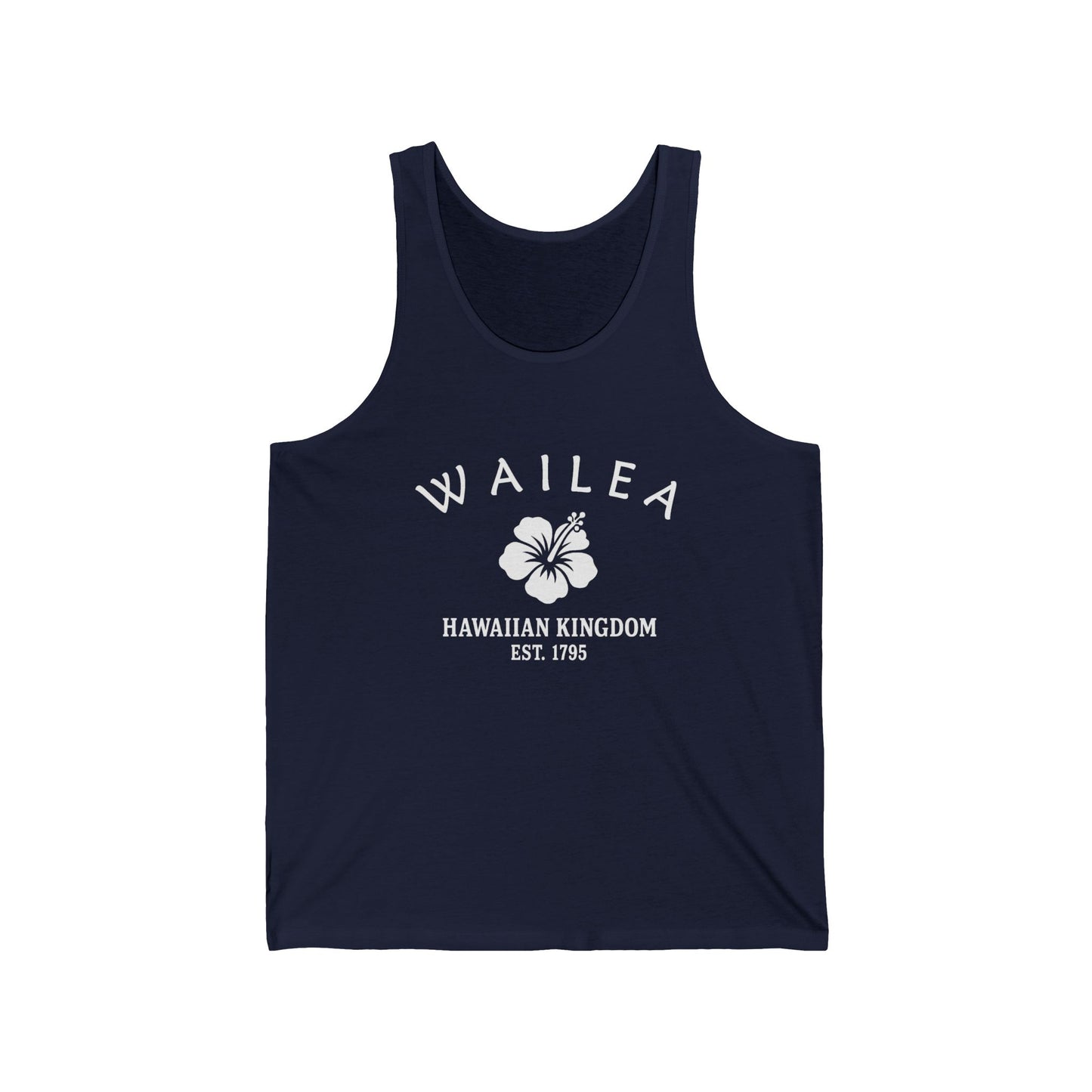
Today Wailea is five crescent beaches in a row — Keawakapu, Mokapu, Ulua, Wailea, and Polo — strung together by a mile and a half of shoreline path, with resorts, golf, and shops where scrubland once ran. Matson Navigation bought those fifteen hundred acres in 1957; Alexander & Baldwin and Northwestern Mutual built the planned coast in 1971. The crescents and the reef are older than any of it, and the goddess’s water still runs to the same shore. Wear the history, and carry a little of it home.
The deeper change came by paper. The Great Māhele of 1848 redrew who could hold the land, and on Maui’s dry slopes the answer became cattle. Herds spread above Wailea, and the great ʻUlupalakua Ranch took shape across the uplands where sweet potato had once grown. The coast below stayed quiet and largely empty — scrub, lava, and a few fishing camps — a stretch of shoreline that the cattle era passed over and the twentieth century would rediscover. For decades the busiest traffic through Wailea was paniolo driving cattle down the dry slopes toward the landings, while the reef below kept its fish, its surgeonfish, and its quiet largely to itself.
Why People Visit Wailea, Hawaiʻi
Wailea offers a seamless beach-and-path experience: swimming, snorkeling, strolling, and light shopping between coves. It is sunny, refined, and family friendly, with year-round appeal in its beaches, walkways, and public access. Natural beauty and easy comfort sit side by side, and a deep Hawaiian past — the goddess Lea, the fishing shore of Kahamanini, the Marines’ “Little Tarawa” — runs quietly beneath the polish.
