


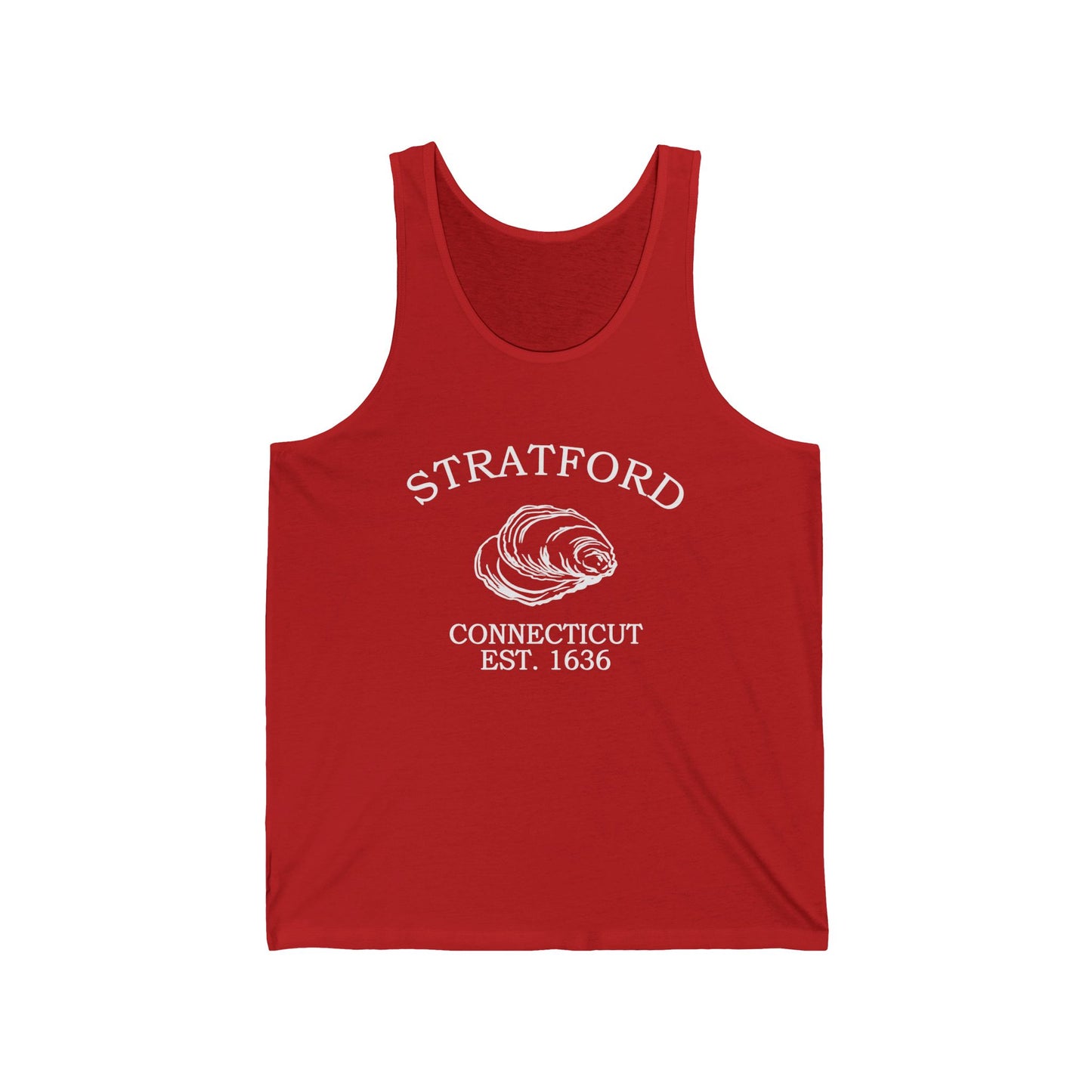


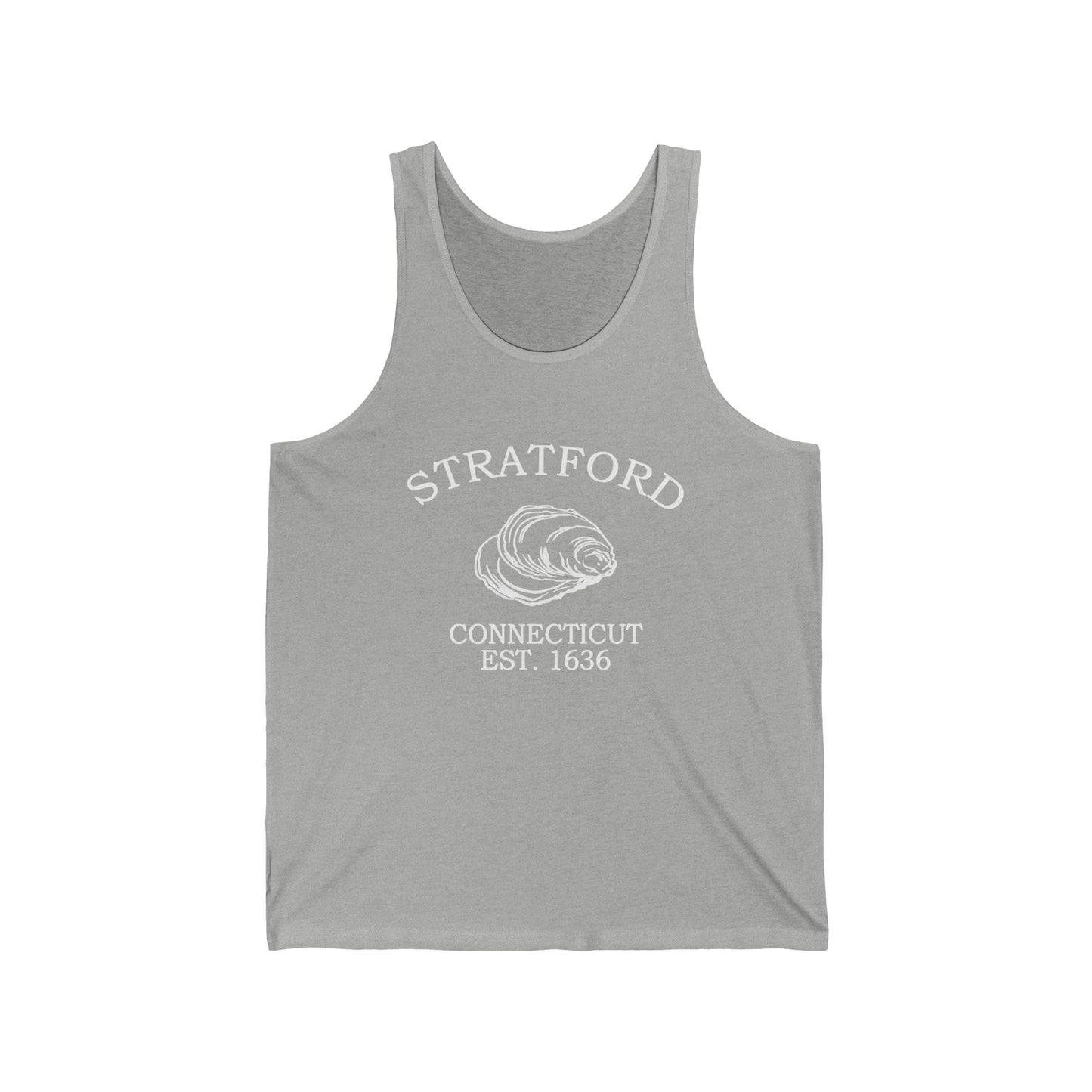

So Stratford holds two histories in one harbor: the tide that made an oyster town, and the rotor wash that made an aviation capital. Our Stratford designs gather both into wearable form. From a 1639 oyster harbor to the birthplace of the American helicopter — wear a little of Stratford's Connecticut history.
The brothers who collected buildings. Ask Stratford for its strangest story and you'll be sent to Boothe Memorial Park: two brothers, David and Stephen Boothe, spent the early twentieth century filling their family homestead with structures nobody could quite explain — a clocktower museum, a chapel, a blacksmith shop, a windmill, a trolley station, and, in time, an original Merritt Parkway tollbooth. They willed all thirty-two acres to the people of Stratford, and the town has been happily puzzled by it ever since.
Why People Visit Stratford Connecticut
Stratford draws visitors with a rare mix of colonial harbor history, Long Island Sound shoreline, and aviation heritage. Travelers find it both a 1639 oyster town with a lighthouse and beaches and the birthplace of the American helicopter, with the quiet, layered character of the Connecticut shore. It is historic, maritime, and unmistakably New England.
