No road reaches Sitka — the town of about 8,400 on Baranof Island is accessible only by air or by sea, beneath the 3,201-foot dormant volcano Mount Edgecumbe.
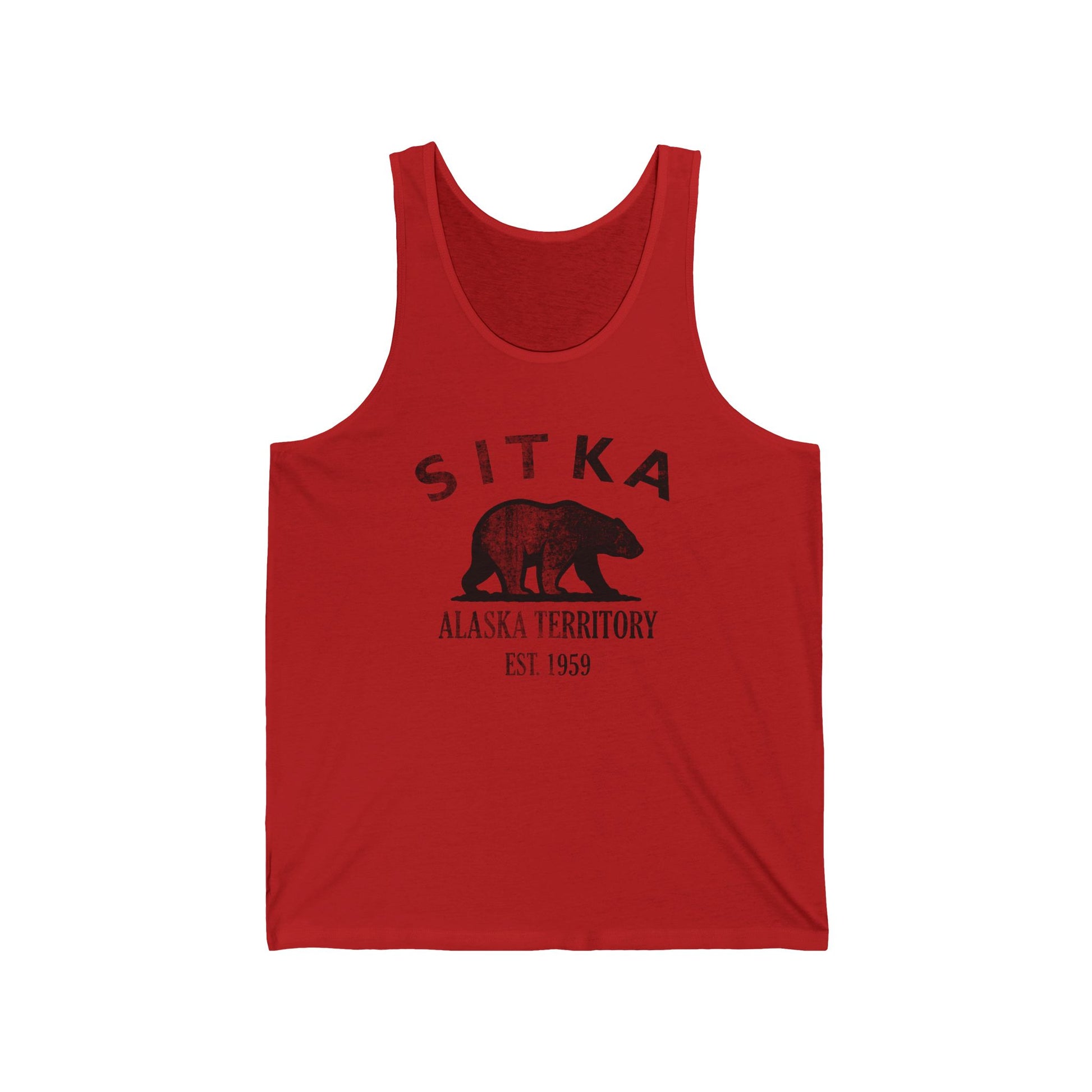
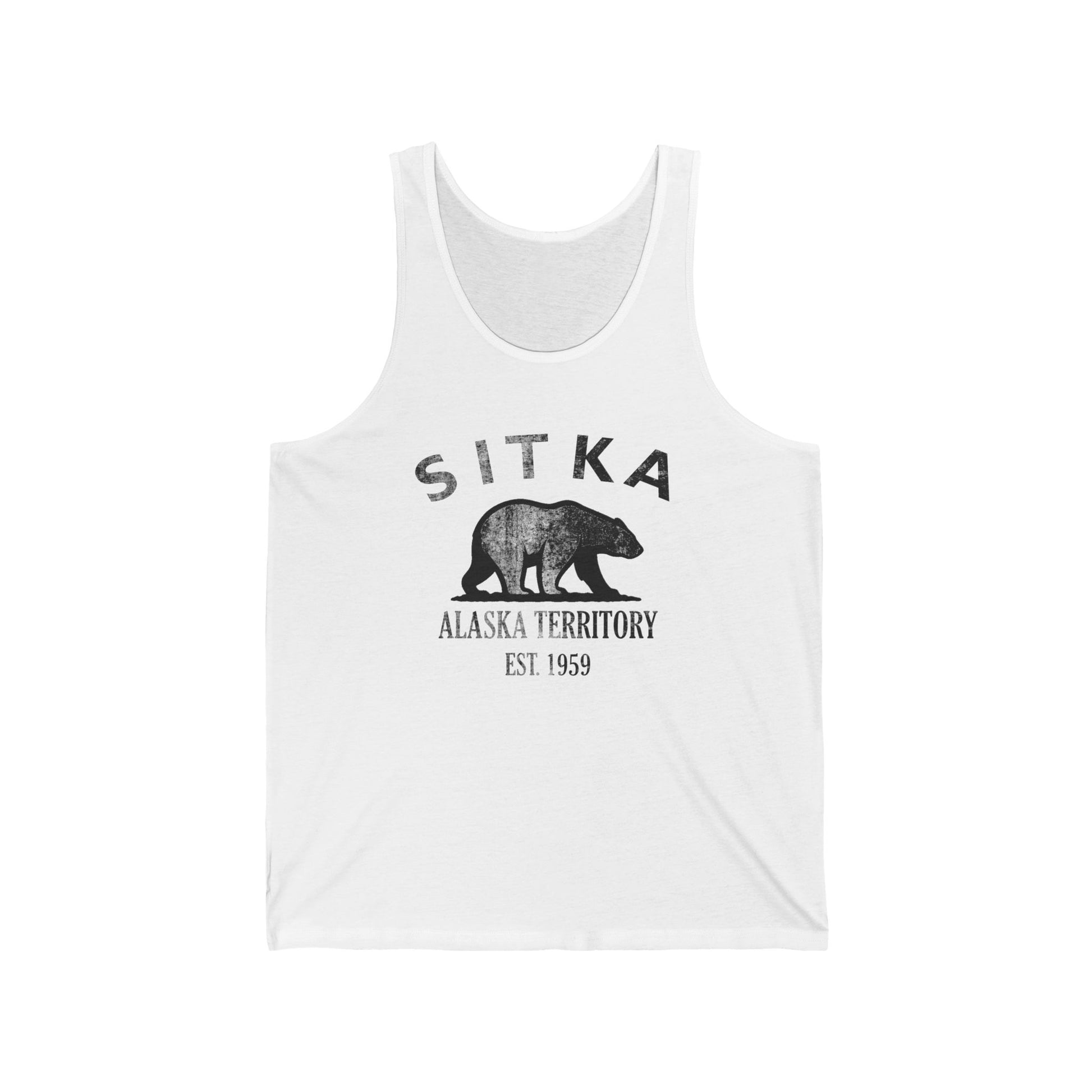
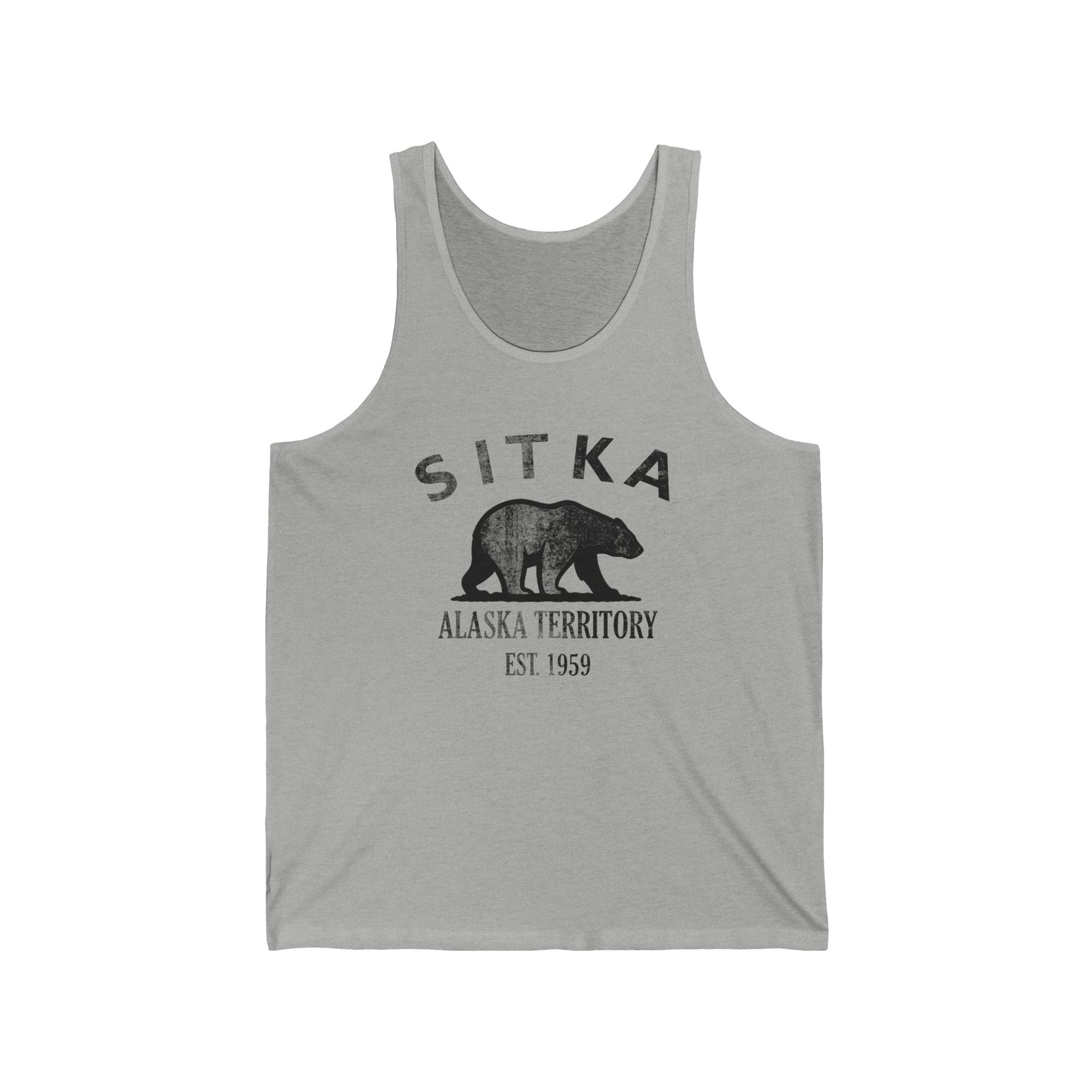
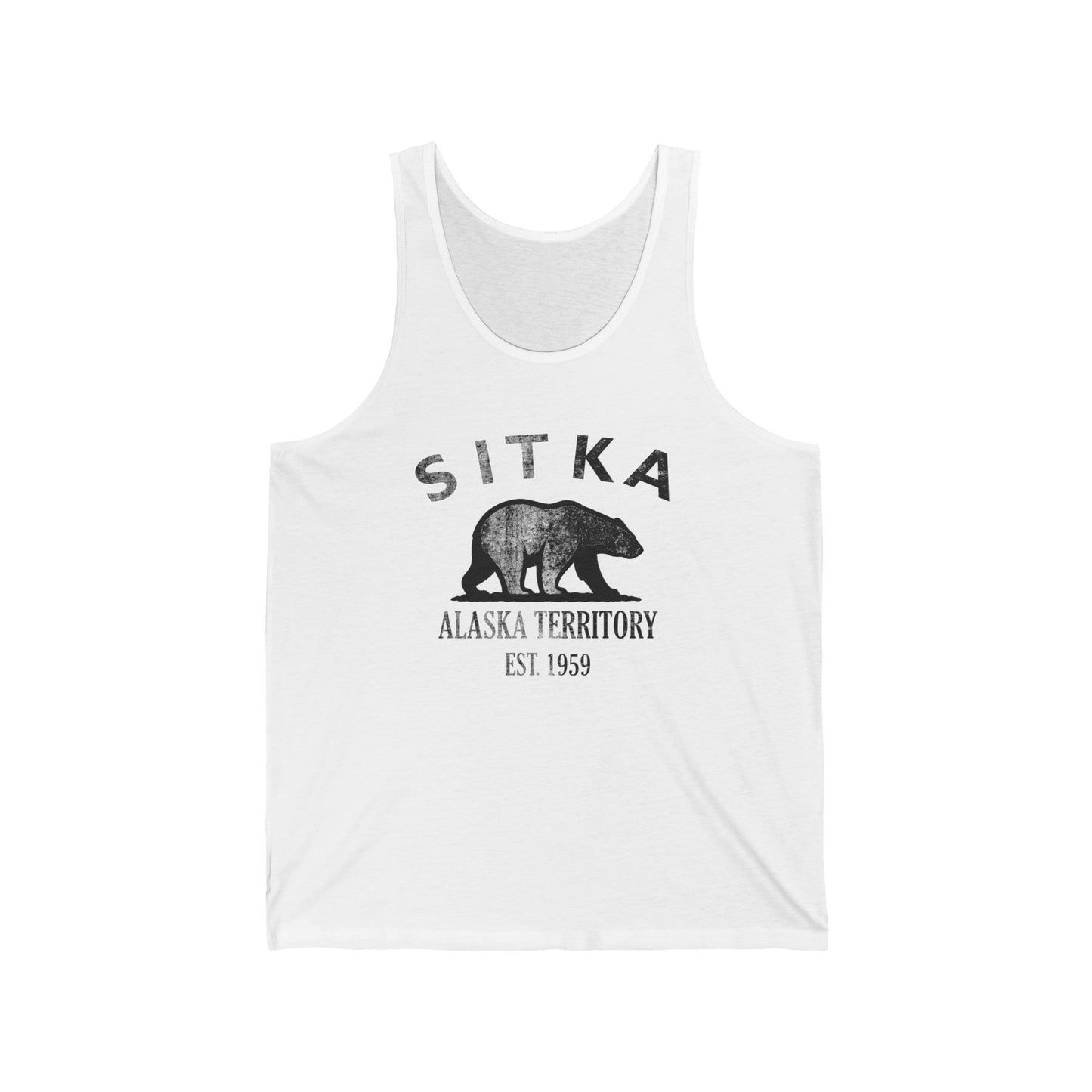
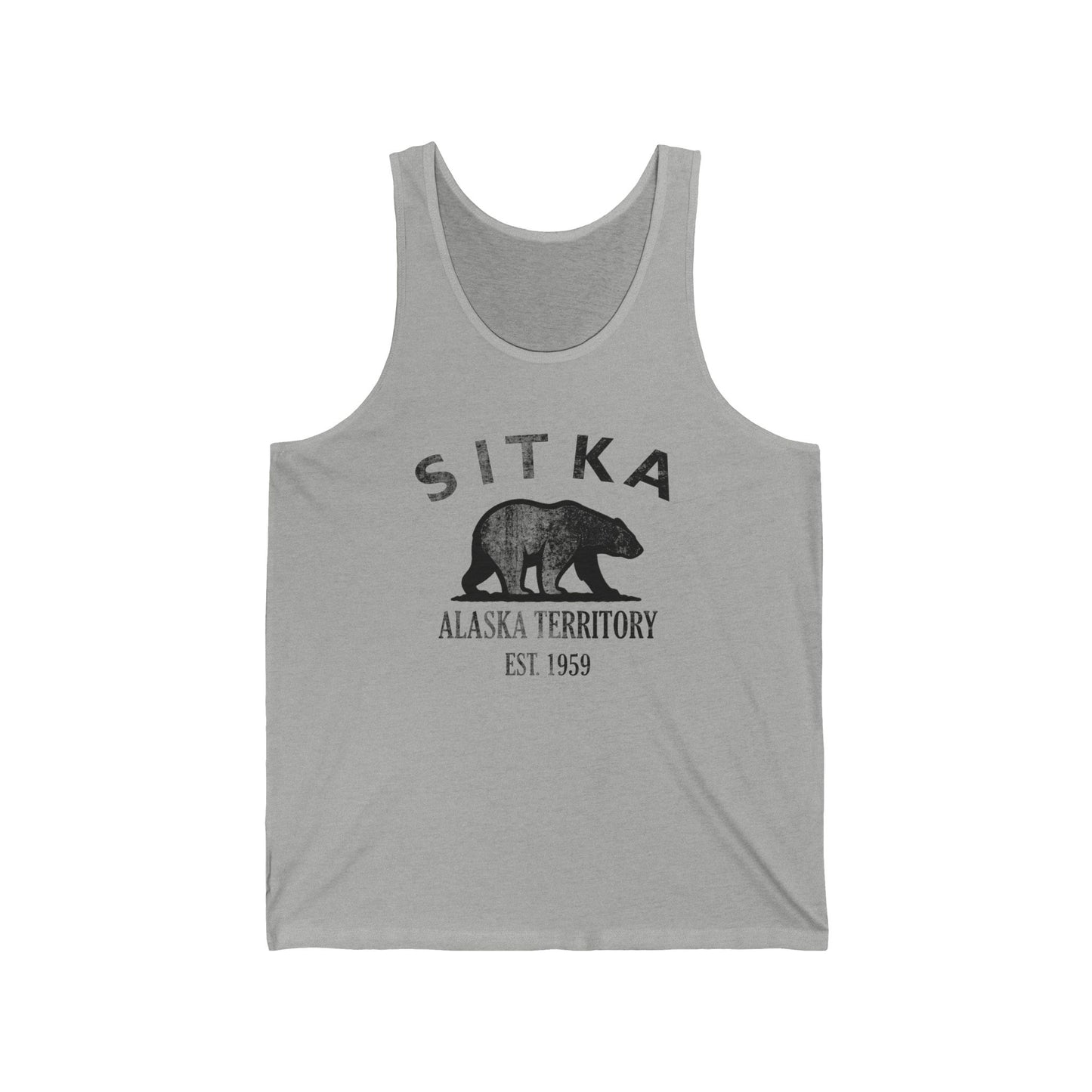
Our Sitka retro logo uses Alaska's distressed bear motif over "1959," tying the design to Alaska statehood. Its black-and-white styling is rugged and retro, resembling crate stamps and outfitter branding of the territorial era, and it bridges Sitka's layered identity: Tlingit homeland, Russian capital, American fishing town. On merchandise it reads authentic and vintage — an emblem of Southeast Alaska pride.
Why People Visit Sitka Alaska
- Visit St. Michael's Cathedral, the 1848 Russian Orthodox cathedral with its iconic green onion-dome and bell tower, the first Russian Orthodox cathedral in North America (the original burned in 1966 and was rebuilt to the original exterior appearance with rescued icons).
- Climb Baranof Castle Hill, the bluff where the formal Alaska Transfer Ceremony took place on October 18, 1867 — the day the Russian flag came down and the American flag went up. Alaska Day is celebrated here every October 18.
- Walk Sitka National Historical Park, the oldest federally designated park in Alaska (established 1910), with totem-pole trails through old-growth coastal rainforest along the Indian River — and the site of the 1804 battle, where a totem honors the Kiks.ádi leader K'alyaán.
- Tour the Russian Bishop's House, the 1842 home of Bishop Innocent — the oldest intact Russian-built building in Sitka and a National Historic Landmark.
- Visit the Sheldon Jackson Museum, the 1895 octagonal concrete building that is the oldest museum in Alaska, holding collections of Alaska Native art and material culture.
- Stop at the Alaska Native Brotherhood Hall on Katlian Street, built in 1914 — headquarters of the civil-rights organization founded in Sitka in 1912.
- See Mount Edgecumbe, the 3,201-foot dormant stratovolcano on Kruzof Island that frames every view of Sitka Sound.
- Visit the Alaska Raptor Center, the nonprofit rehabilitation facility for injured eagles, hawks, and owls along the Indian River.
- See Fortress of the Bear, the nonprofit rescue and rehabilitation center for orphaned brown and black bear cubs.
- Drive across the O'Connell Bridge, the 1972 span that was the first cable-stayed bridge built in the United States, connecting Sitka to Japonski Island and the airport.
- Attend Sitka WhaleFest the first week of November during the humpback whale migration through Sitka Sound — the festival has been running annually since 1995.
