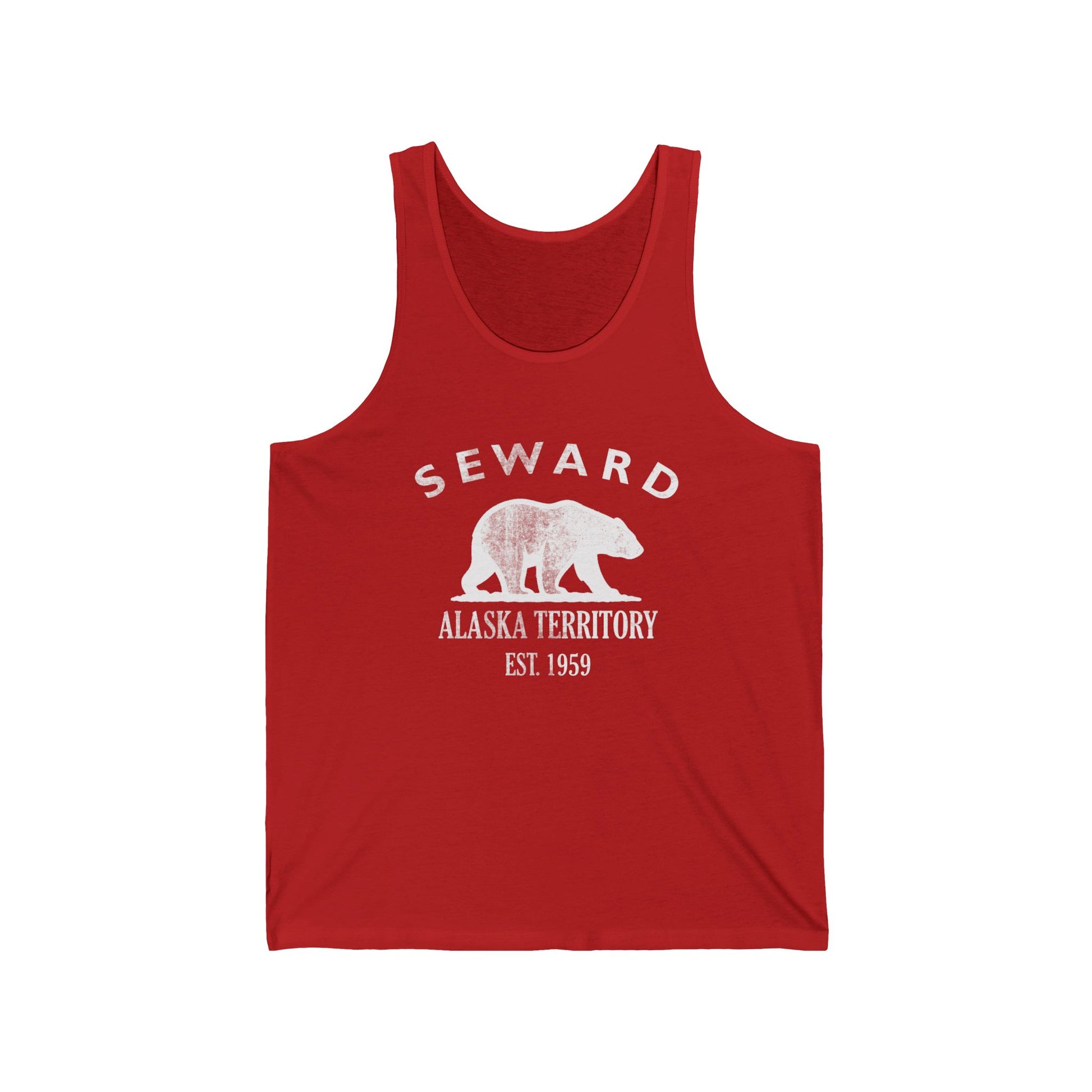
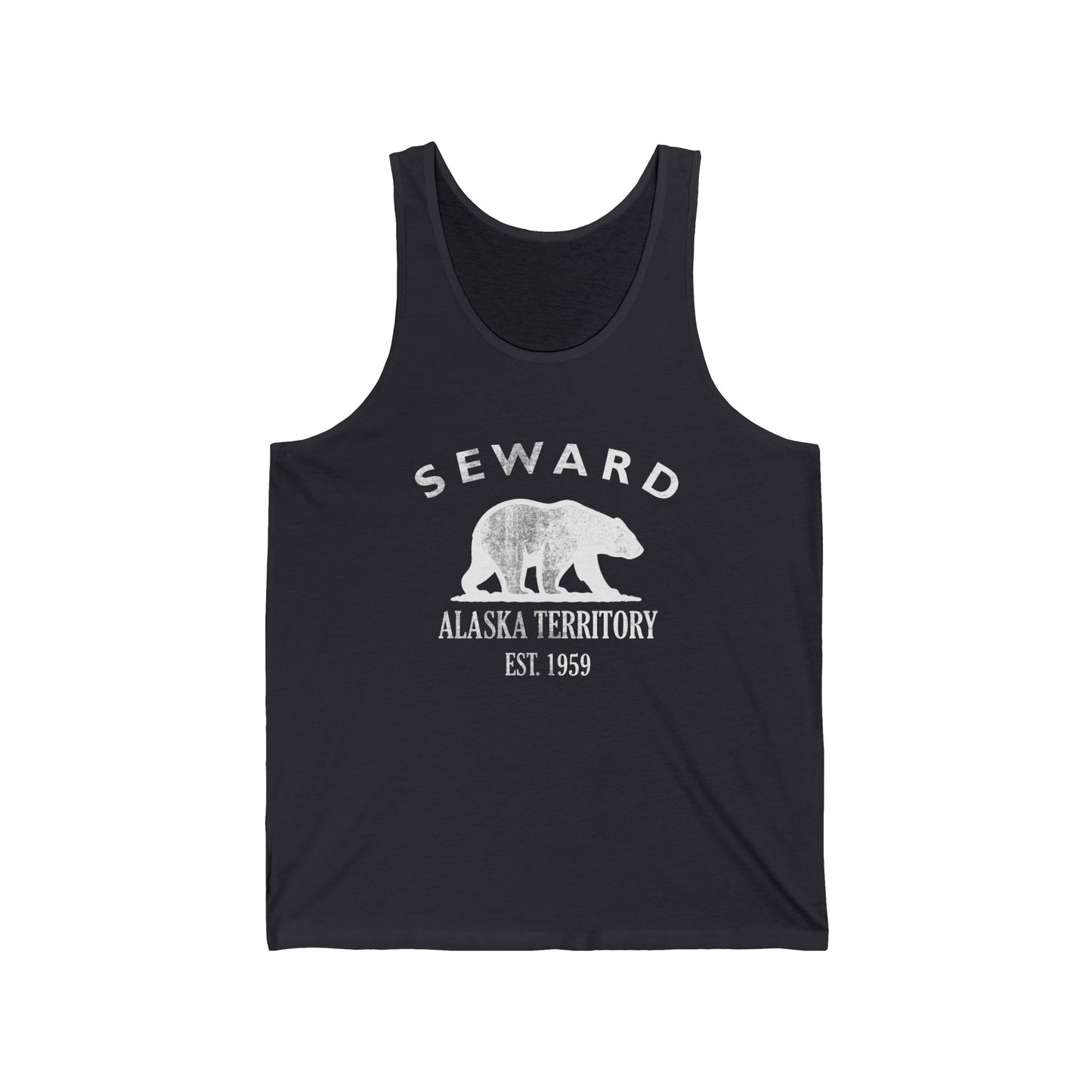
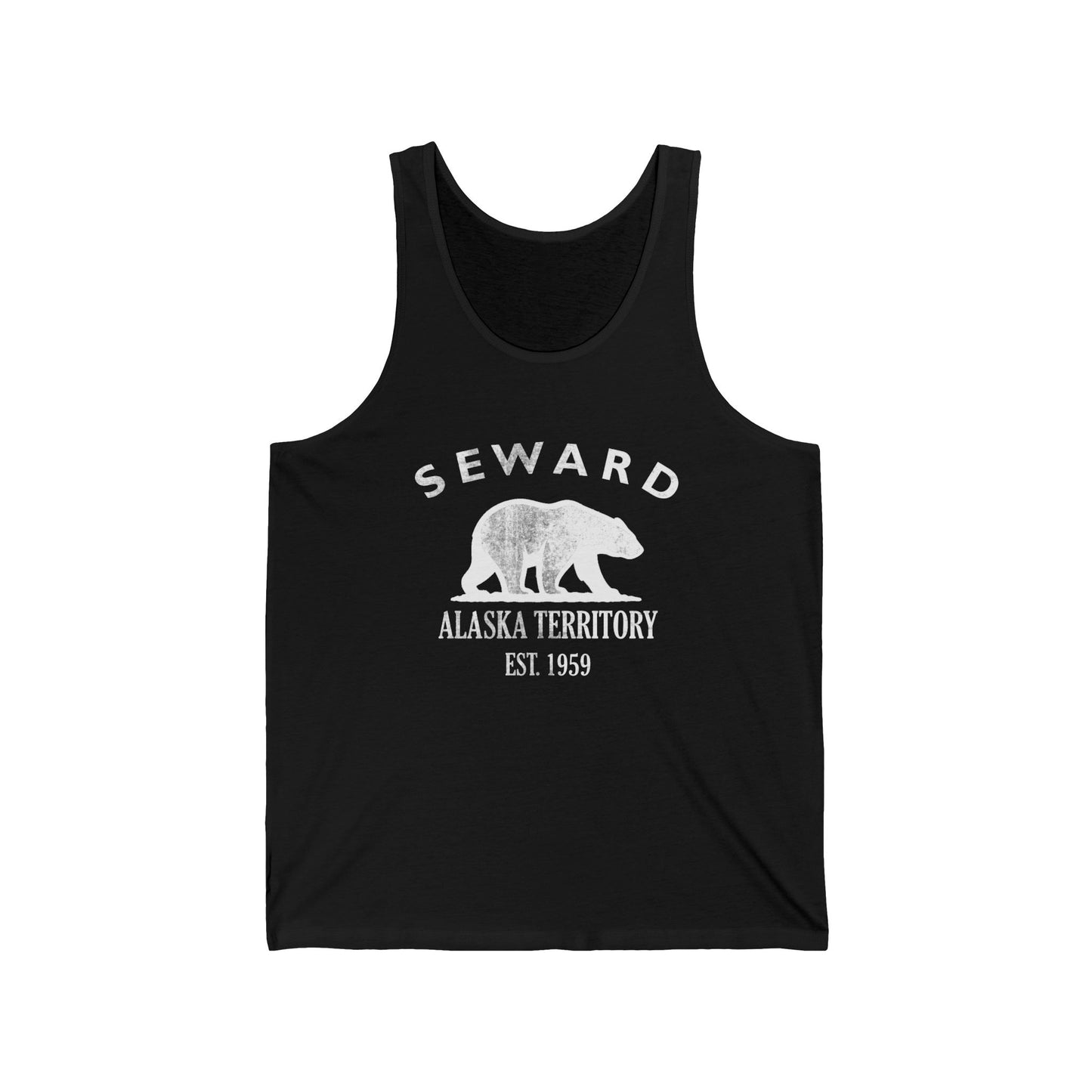
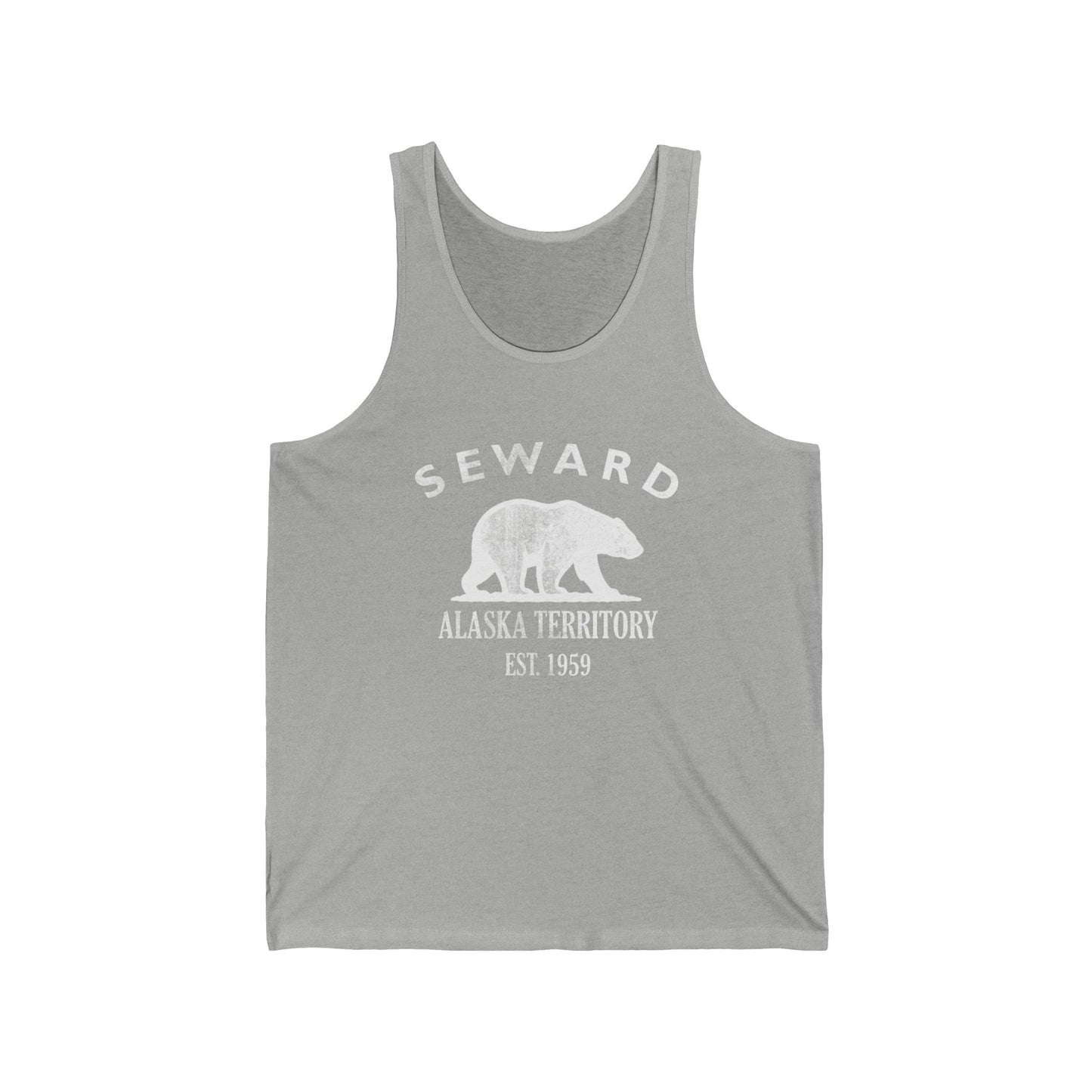
It was also the start of a famous trail. When gold was struck in the Iditarod country in 1908, Seward became the winter port for the new gold fields, and the Alaska Road Commission surveyed and marked a route from here clear to Nome. Over the Iditarod Trail moved thousands of stampeders and tons of gold, mail, and supplies, hauled by dog team through the snow until the 1920s. Today the Mile 0 marker stands on Seward's waterfront: this is where Alaska's only National Historic Trail begins.
So Seward gathers a Russian-named bay, the end of the rails, Mile 0 of a gold-rush trail, and the flag of Alaska itself onto one deep, ice-free harbor. Our Seward designs gather that into wearable form. Wear the history. Mile 0, on Resurrection Bay.
Why People Visit Seward
Seward blends marine science with glacier access and harbor life. Visitors mix easy waterfront walks with boat tours, public art, and museums, all beneath the mountains. It is dramatic, friendly, and photogenic, with year-round appeal in its parks, paths, and public spaces. Frontier railroad history and the wild coast sit side by side here — history and everyday Alaska life together in a welcoming way.
