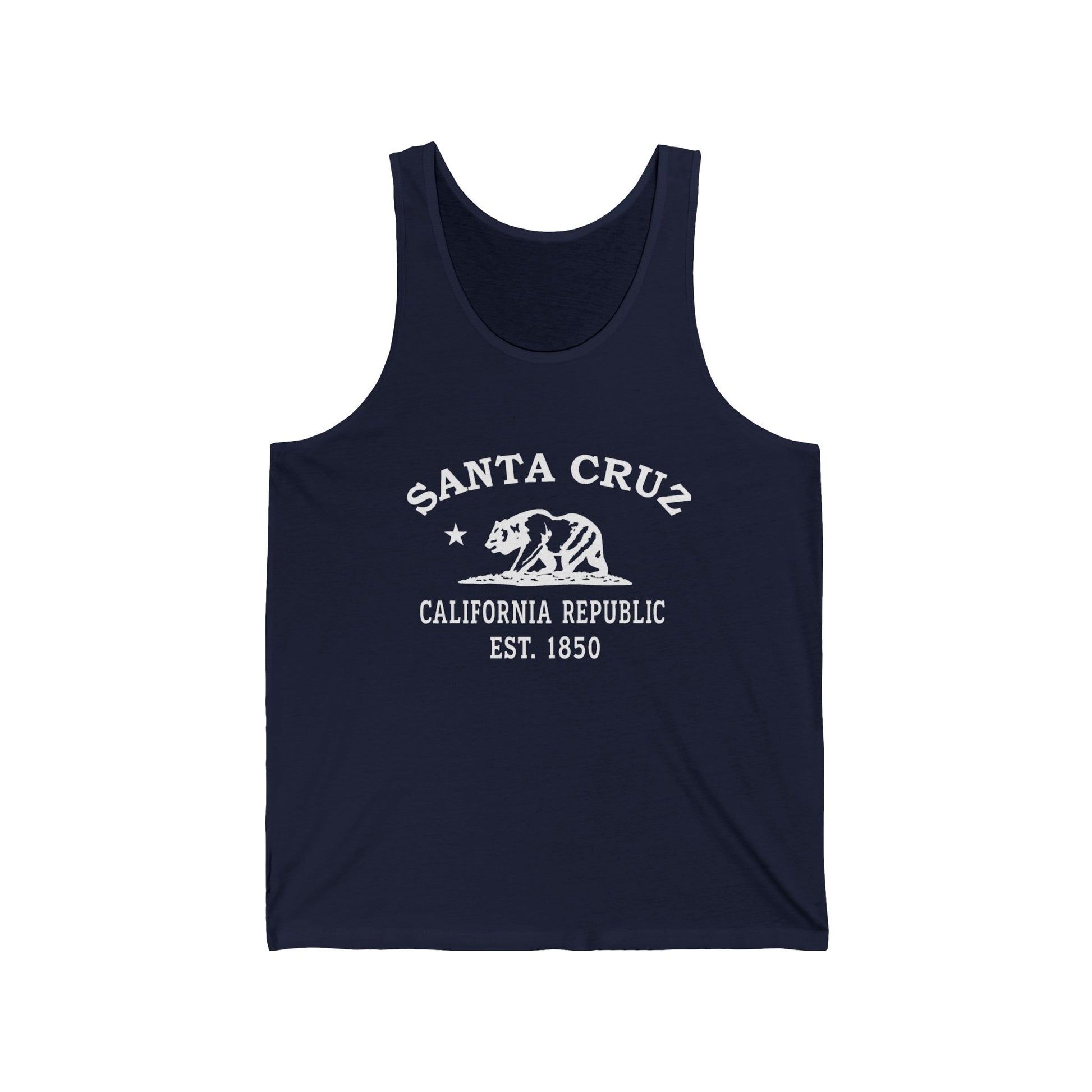
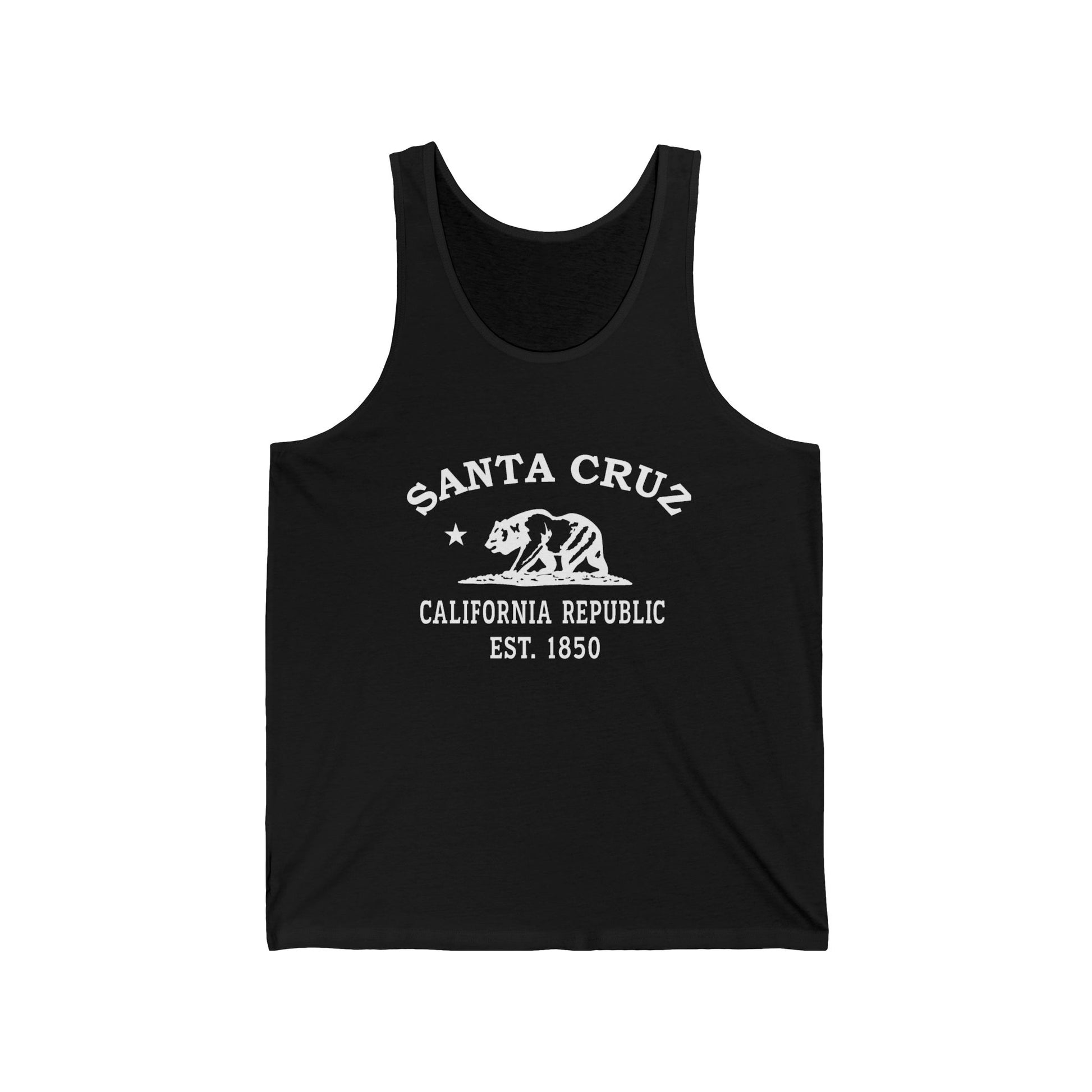
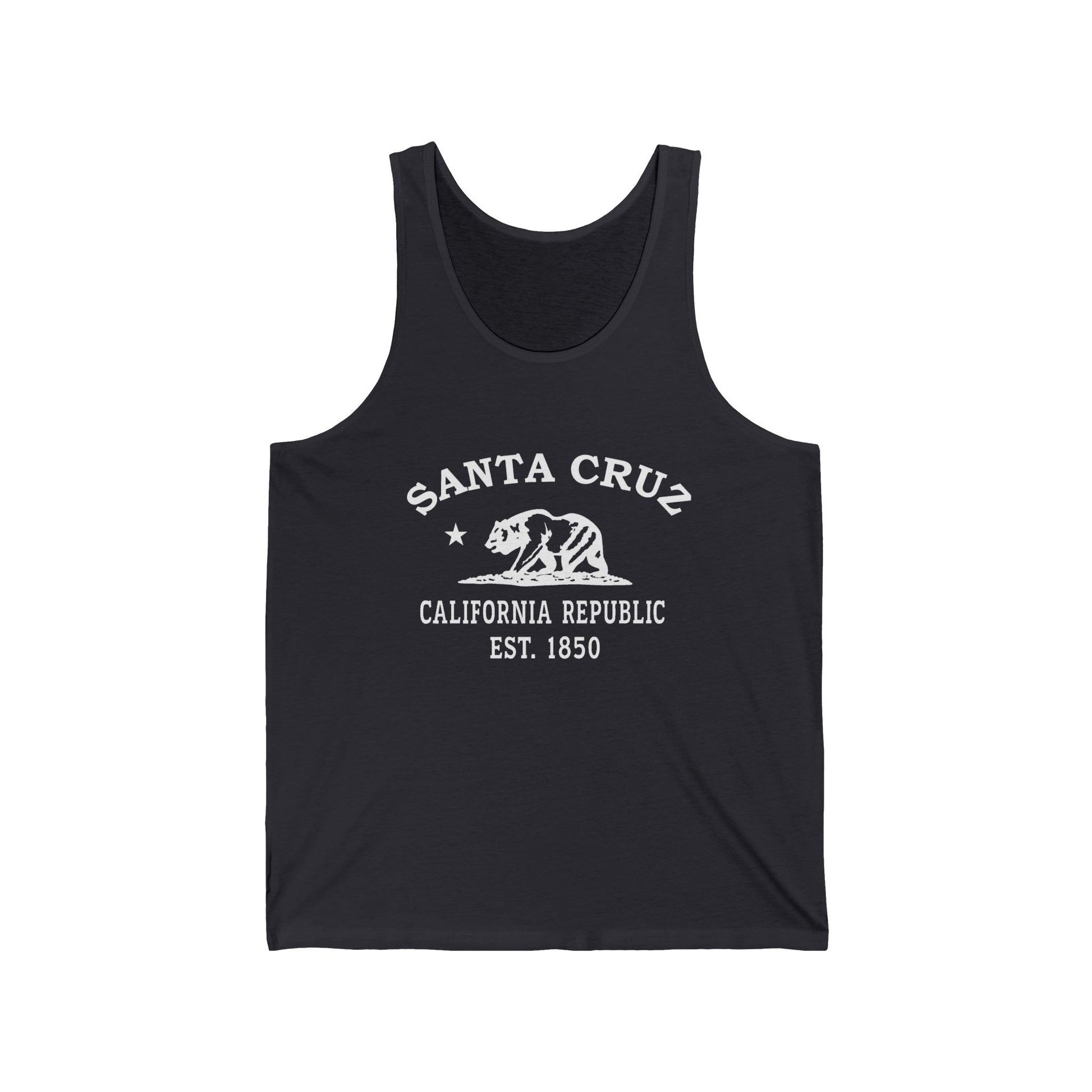
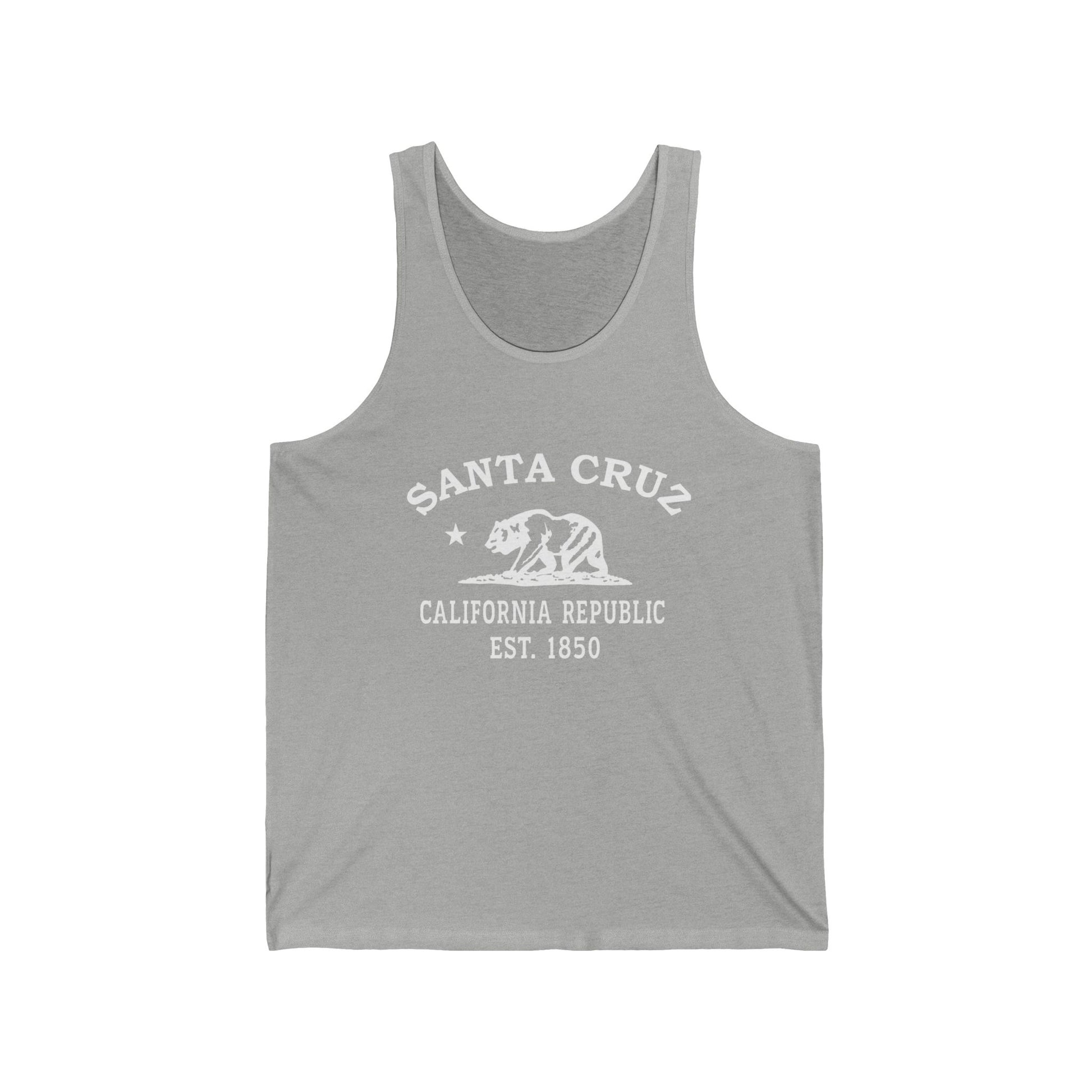
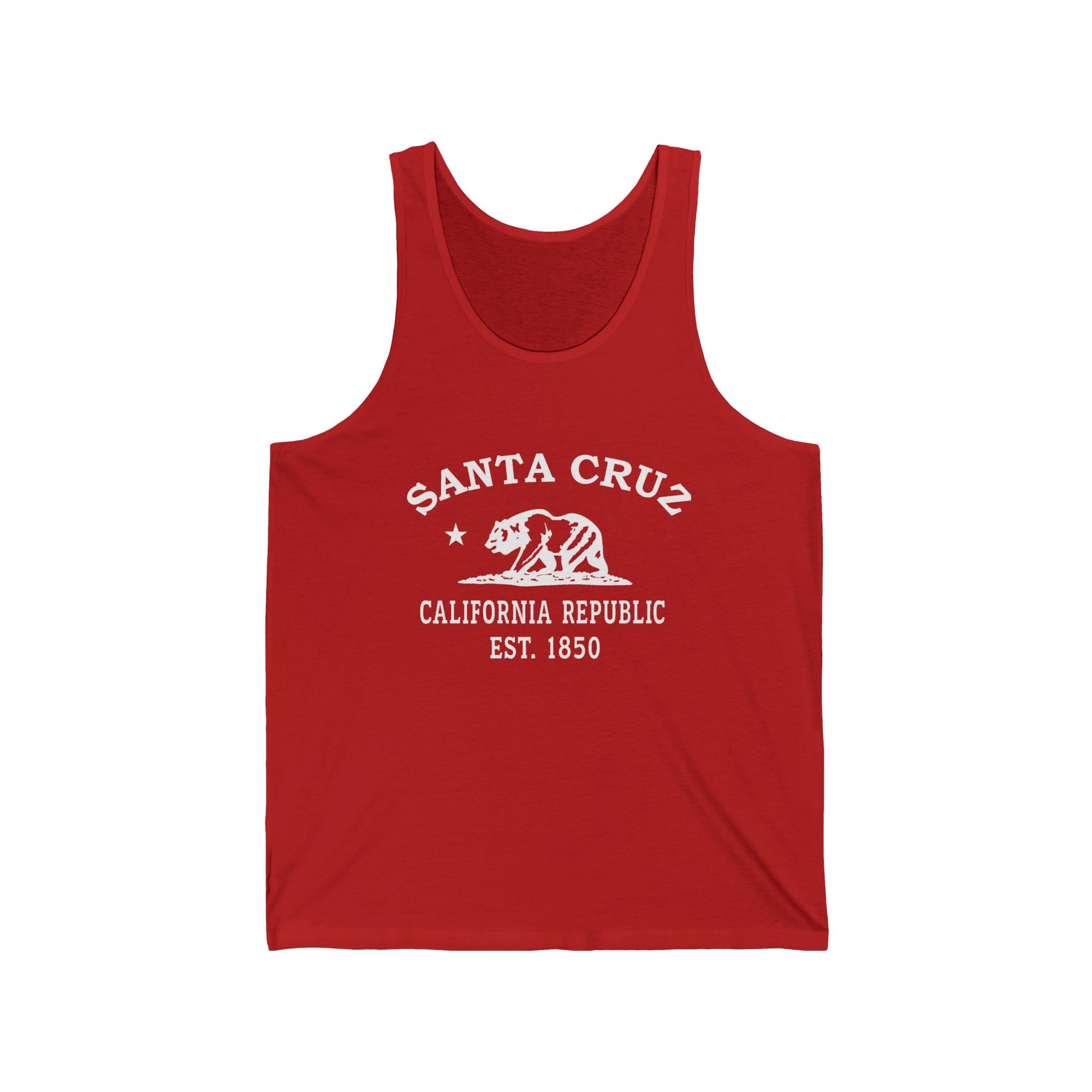
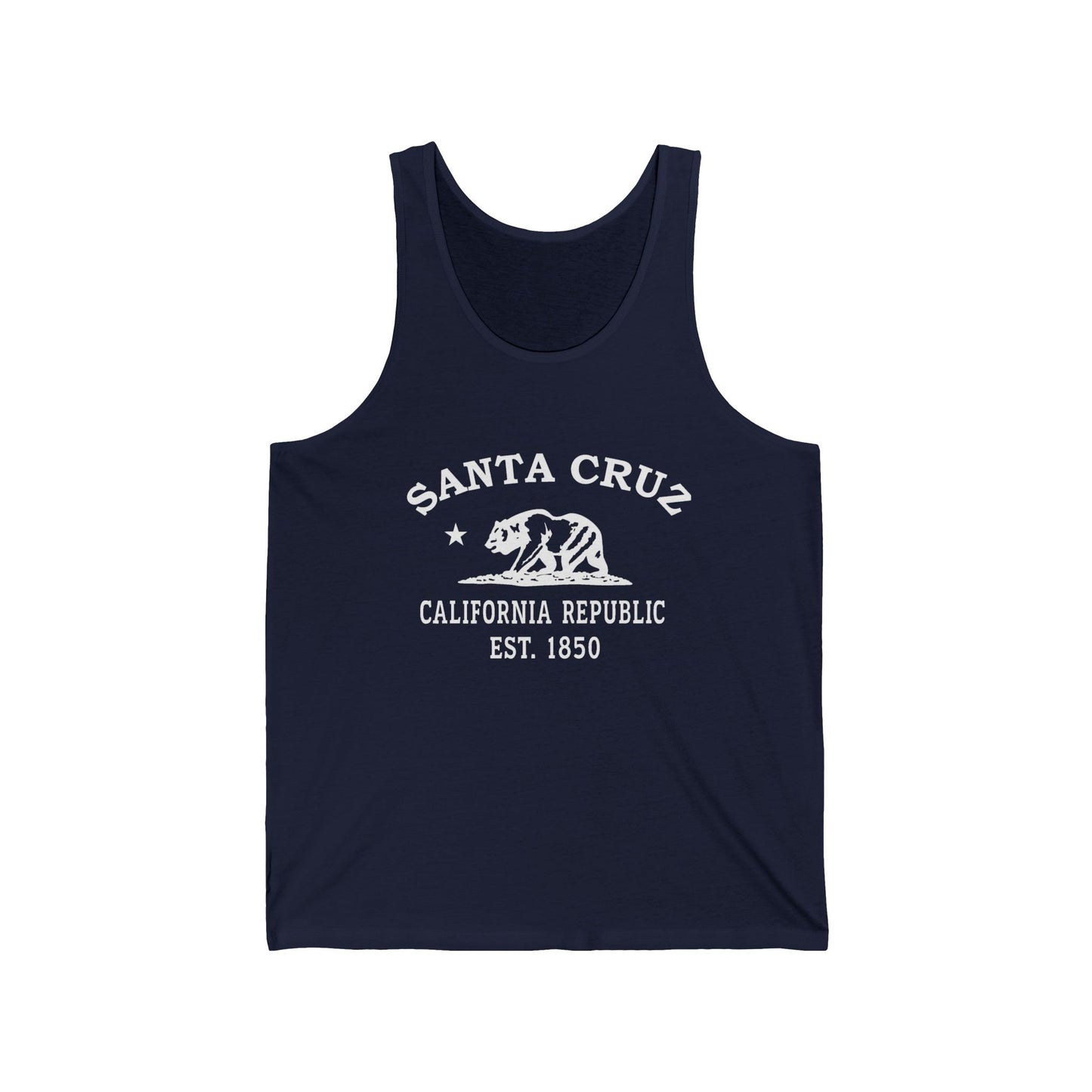
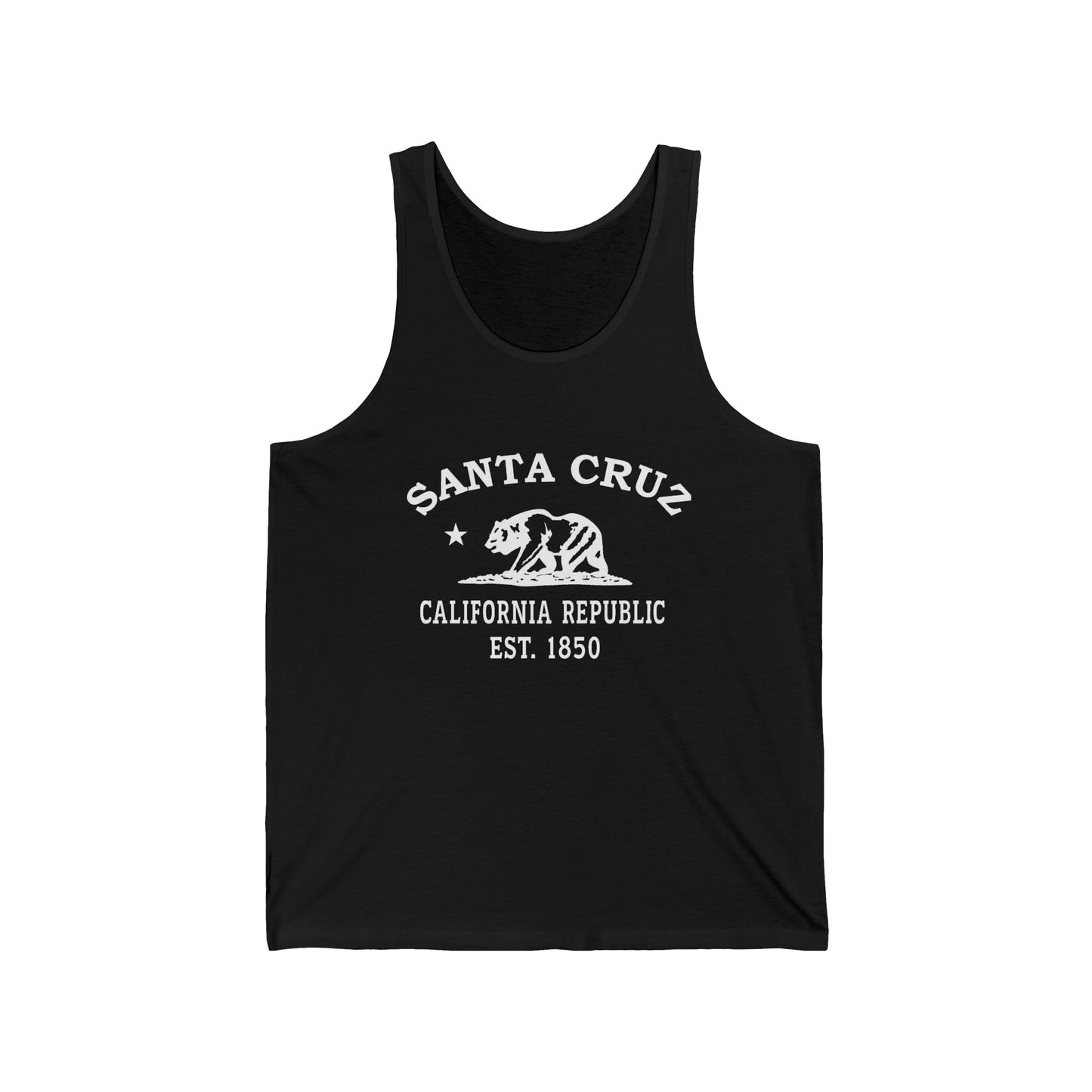
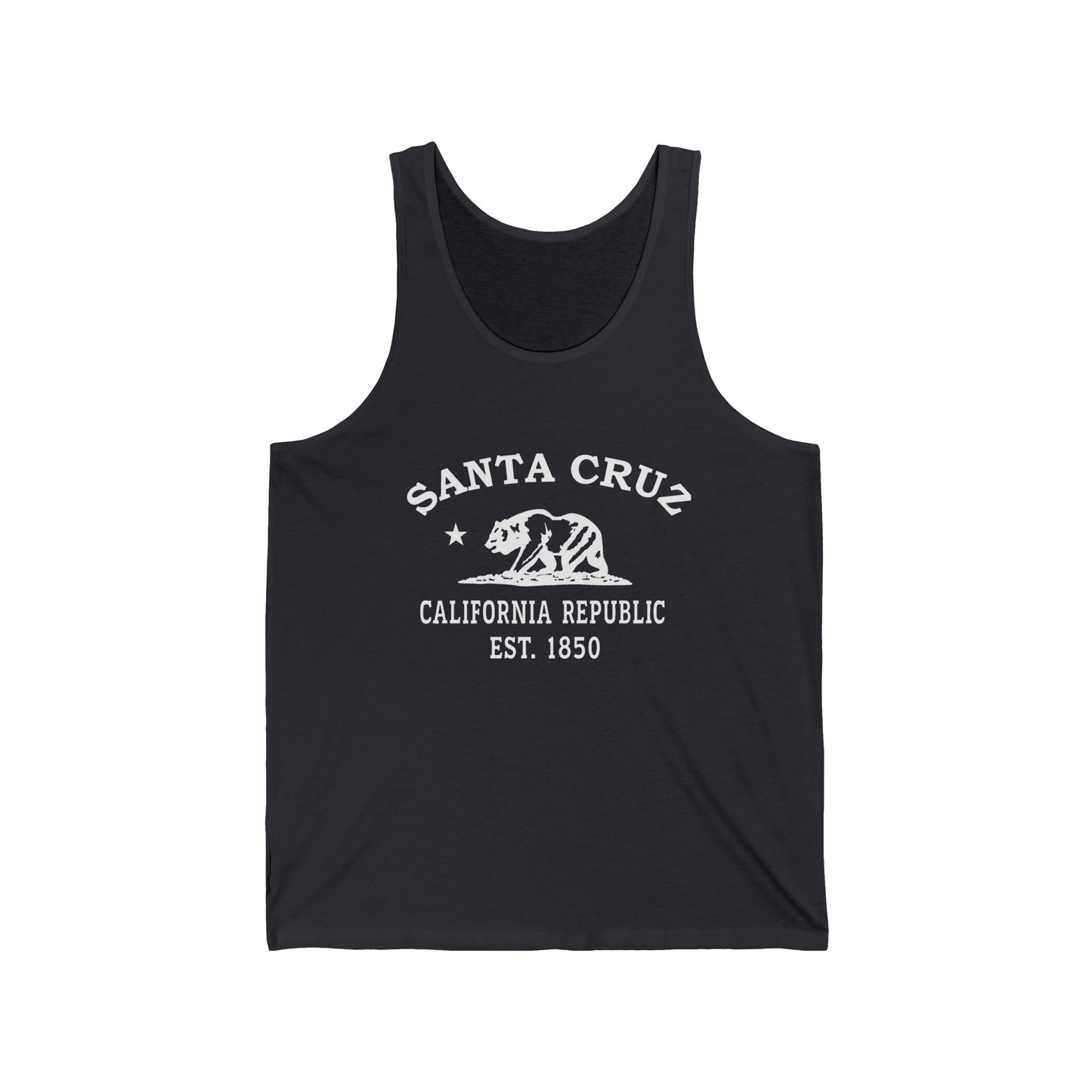
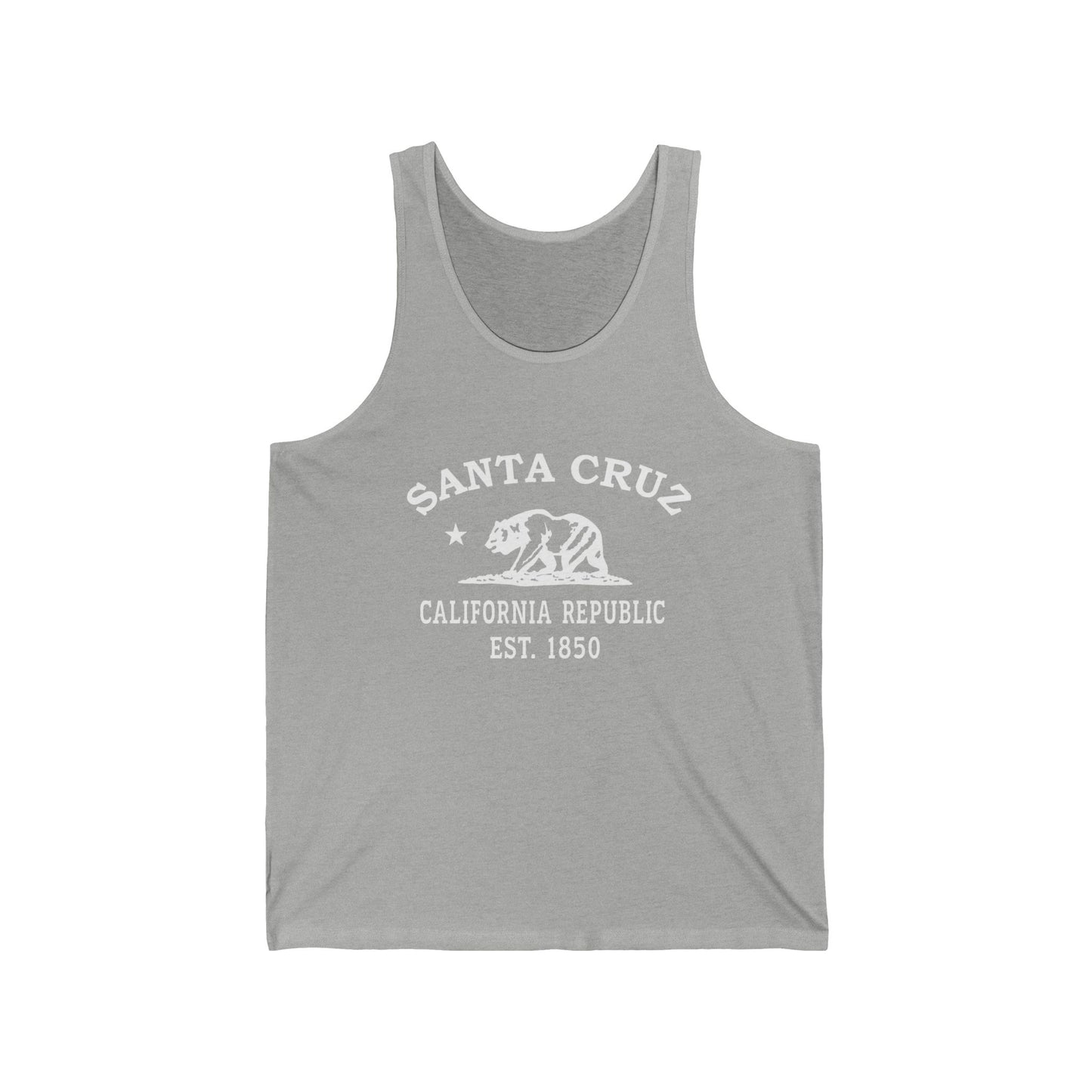
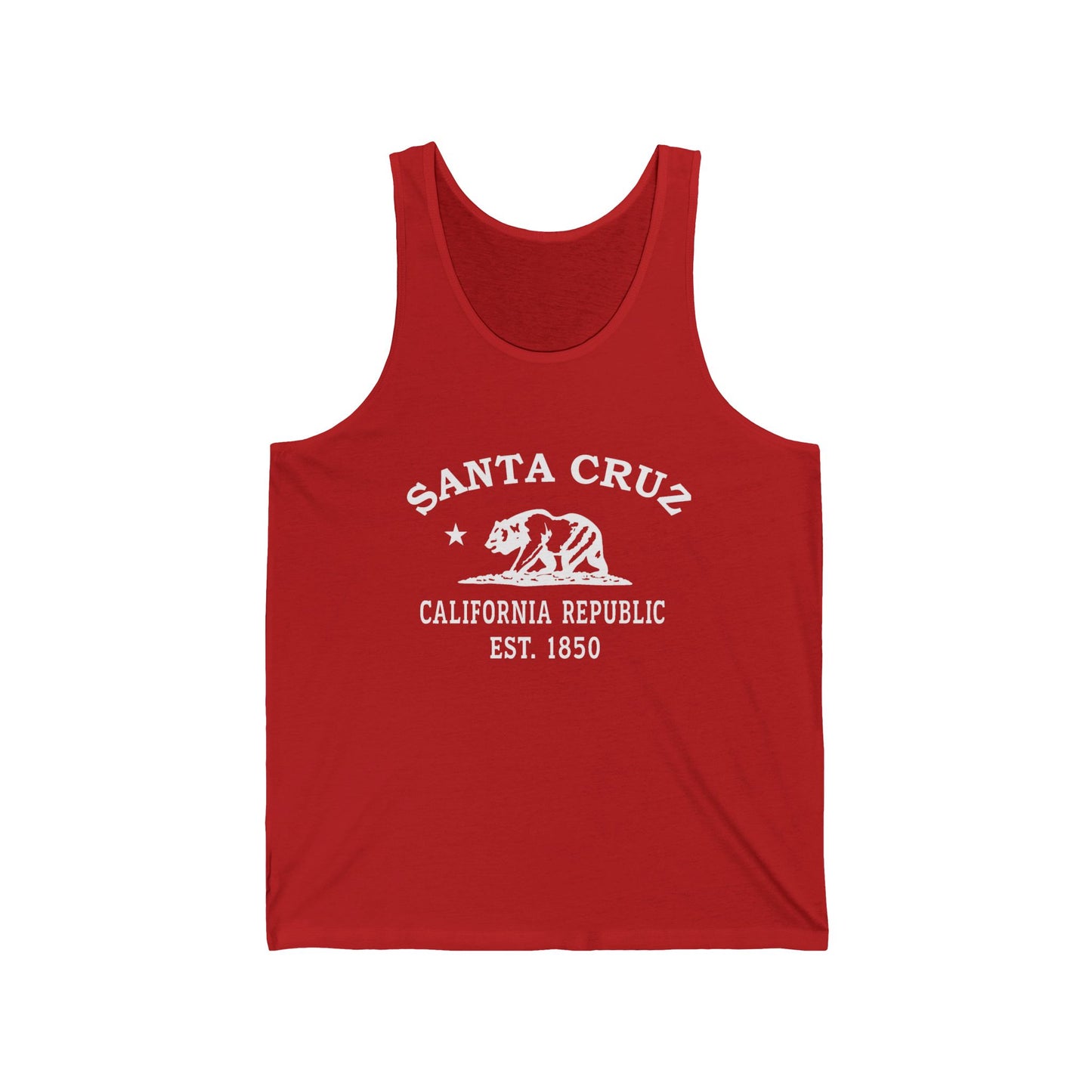
Our Santa Cruz retro logo carries the California Bear and the star of the 1846 Bear Flag tradition, with "1850" stamped beneath for the year of statehood. The black-and-white styling is retro, in the vocabulary of crate labels, mid-century beach signage, and the old wooden-coaster placards that once told boardwalk visitors how tall they had to be to ride. The bear and star, paired with the date, do the work of placing the design in the founding generation of the state — and the city that has been running its boardwalk longer than any other California town has been running anything along the Pacific.
The town's modern story runs on the San Andreas Fault as much as on the surf: on October 17, 1989, at 5:04 in the afternoon, the magnitude-6.9 Loma Prieta earthquake struck, its epicenter nine miles northeast of town in the redwoods of the Forest of Nisene Marks; downtown's Pacific Garden Mall was rebuilt as today's Pacific Avenue pedestrian district. The surf never stopped. Steamer Lane, off Lighthouse Point, has been the great Northern California break since the Santa Cruz Surfing Club formed in 1936 — half a century after the princes' redwood boards — and its cold-water surfers helped pioneer the modern wetsuit; Pleasure Point joined it on the eastside as a world-class right point, with The Hook at its far end. A bronze surfer statue stands watch on West Cliff Drive. The monarchs fill the eucalyptus grove at Natural Bridges every winter, bright-yellow banana slugs cruise the redwood duff up the hill, Big Basin — California's first state park — was set aside in the mountains in 1902, and UC Santa Cruz opened in the redwoods above the town in 1965.
Why People Visit Santa Cruz California
Santa Cruz offers California's oldest surviving amusement park on the bay, the 1911 Looff Carousel and the 1924 Giant Dipper as a paired National Historic Landmark, the only original Mission Santa Cruz building still standing, the surf breaks at Steamer Lane and Pleasure Point where mainland American surfing began in 1885, the sea arches and monarch grove at Natural Bridges, the rebuilt Pacific Garden Mall downtown, and the redwoods of Henry Cowell and Big Basin — California's first state park. It is a coast town that has been running its boardwalk longer than any other California city has been running anything along the Pacific. On Monterey Bay since 1791.
