Oakland became the western terminus of the Transcontinental Railroad on November 8, 1869; the Long Wharf opened in 1871 and the Oakland Mole in 1882.
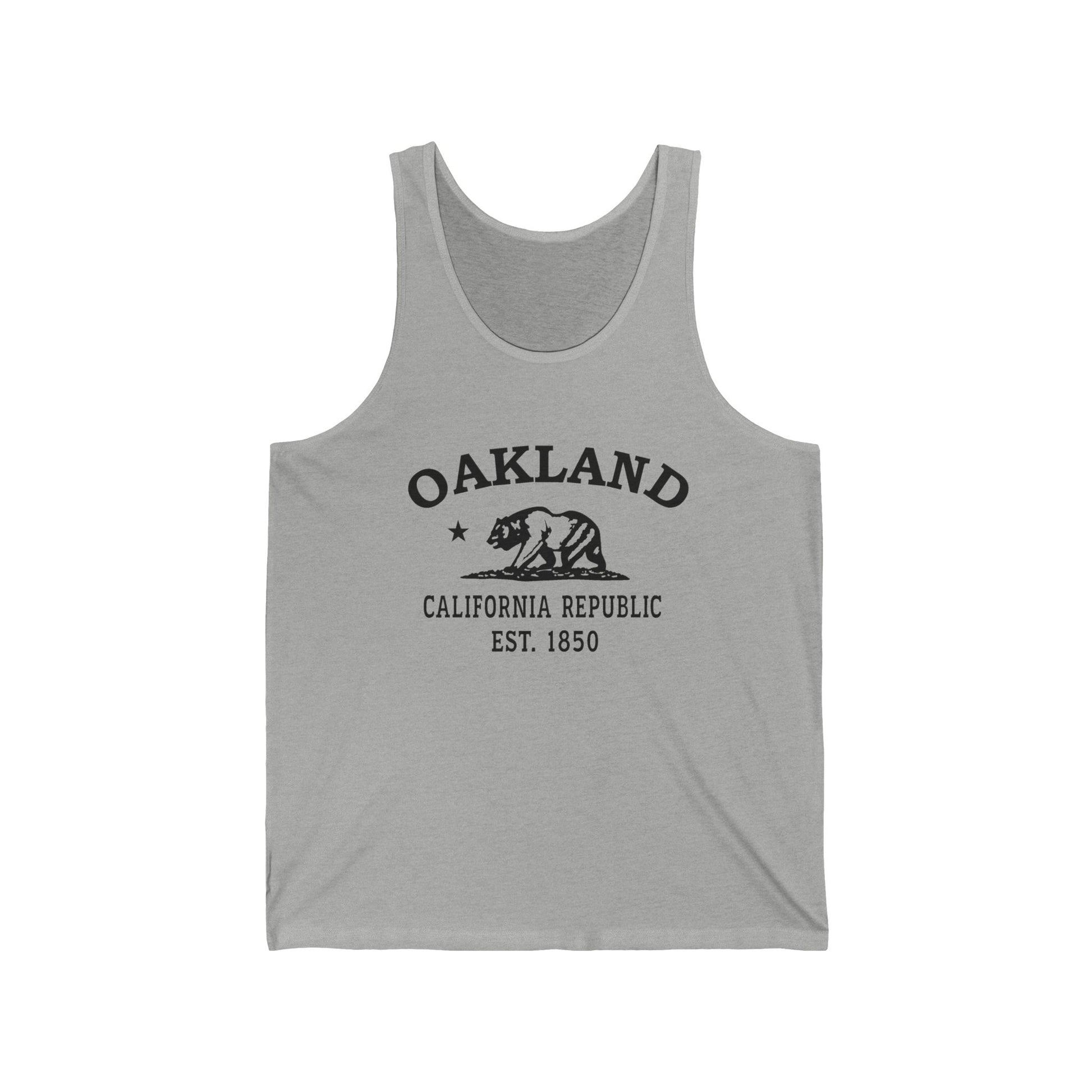
So Oakland gathers oak groves, a wild lake with a necklace of lights, redwoods that once steered ships, a night heron on the city seal of the heart, and the end of the transcontinental line onto one East Bay shore — with a 2025 quarter carrying an Oakland story in millions of pockets. Our Oakland designs gather all of that into wearable form. Wear the history. Oakland, California — The Town: oak groves, the Necklace of Lights, and the western end of the line.
Why People Visit Oakland
Visitors come to Oakland for a Bay Area city with its own strong character: a wild lake at its center, redwood groves in the hills, a historic waterfront, and one of the most celebrated food scenes in California. The museums and Jack London Square sit minutes from the lake, and San Francisco is a quick trip across the bay. Equal parts oak-grove heritage and creative energy, Oakland rewards anyone drawn to the heart of the East Bay.
