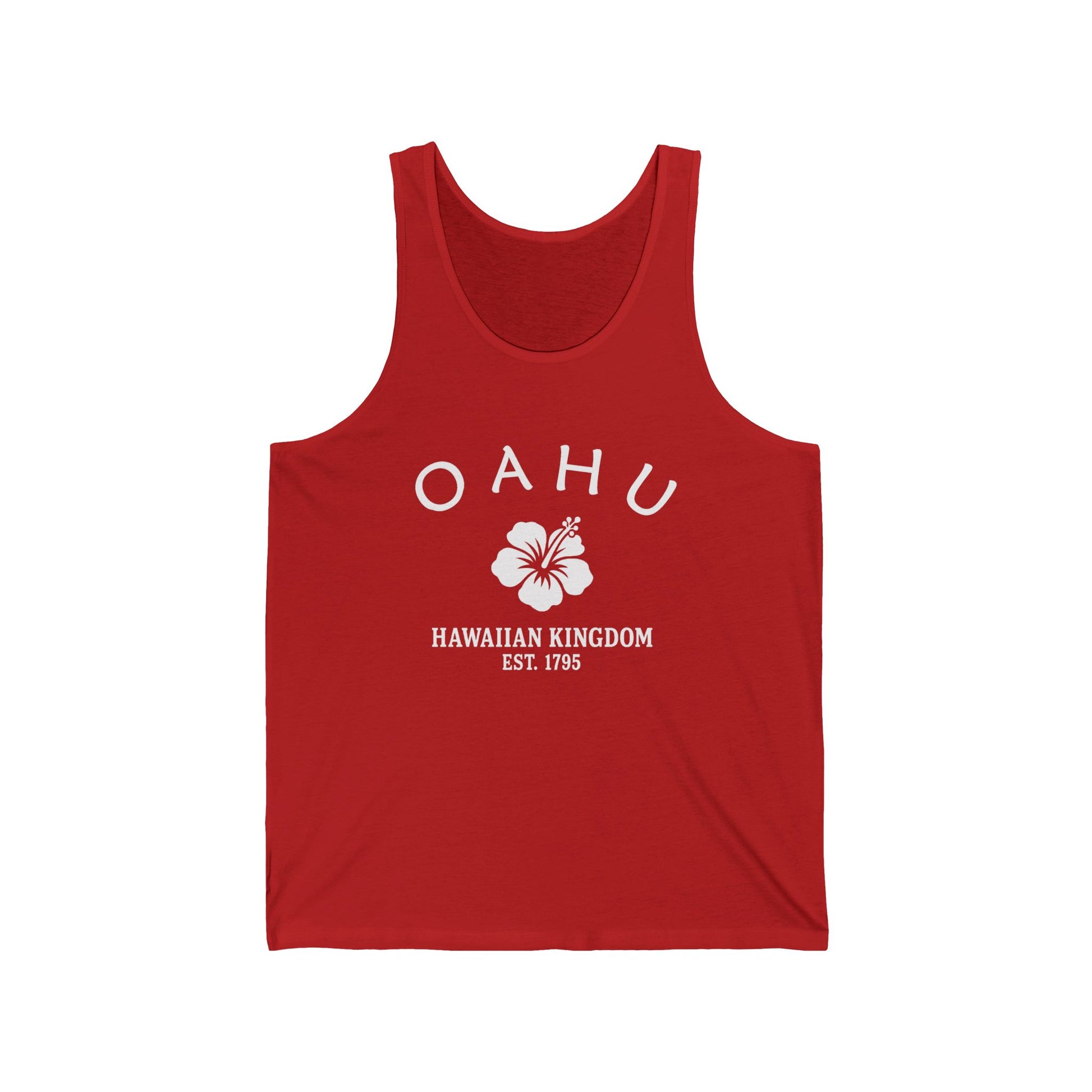
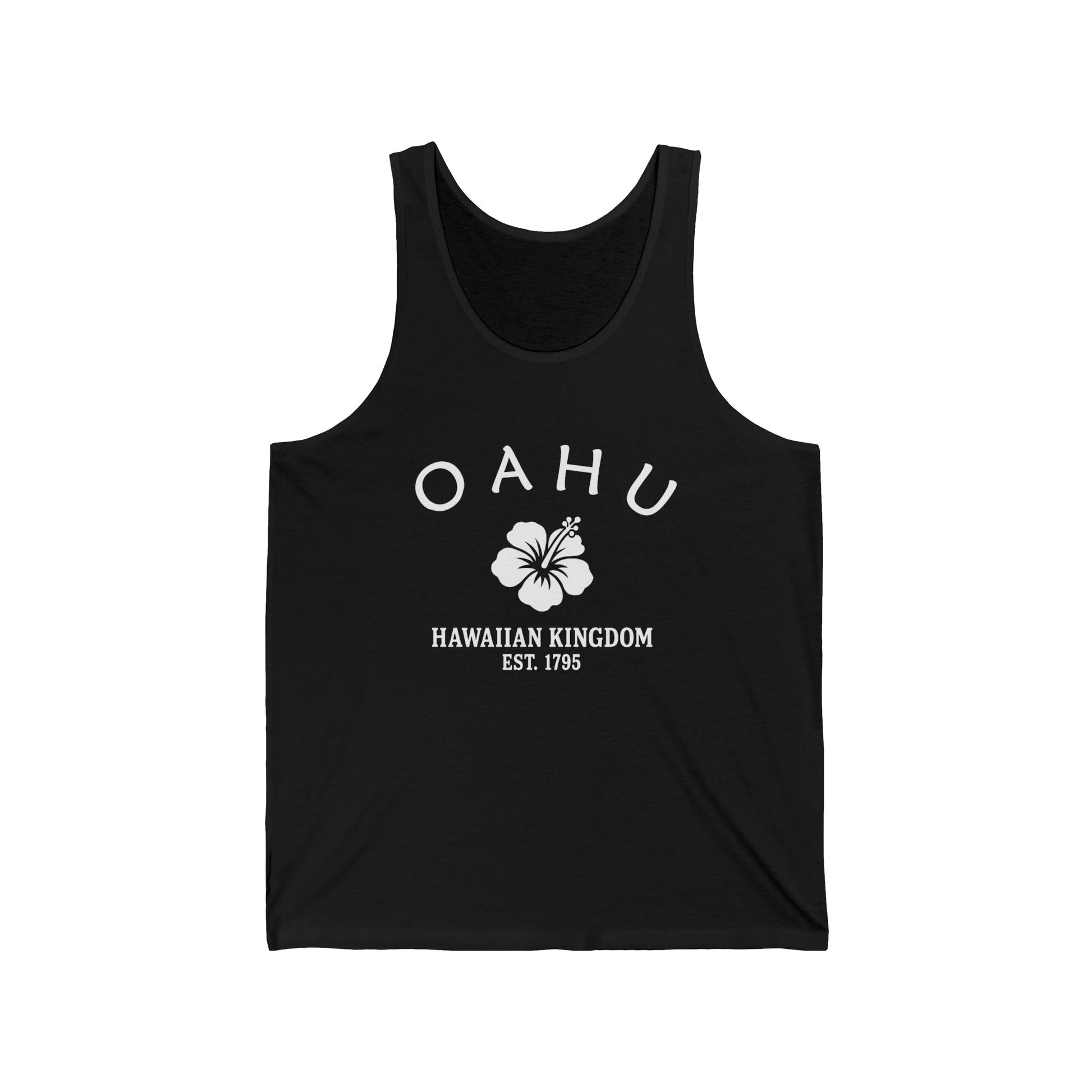
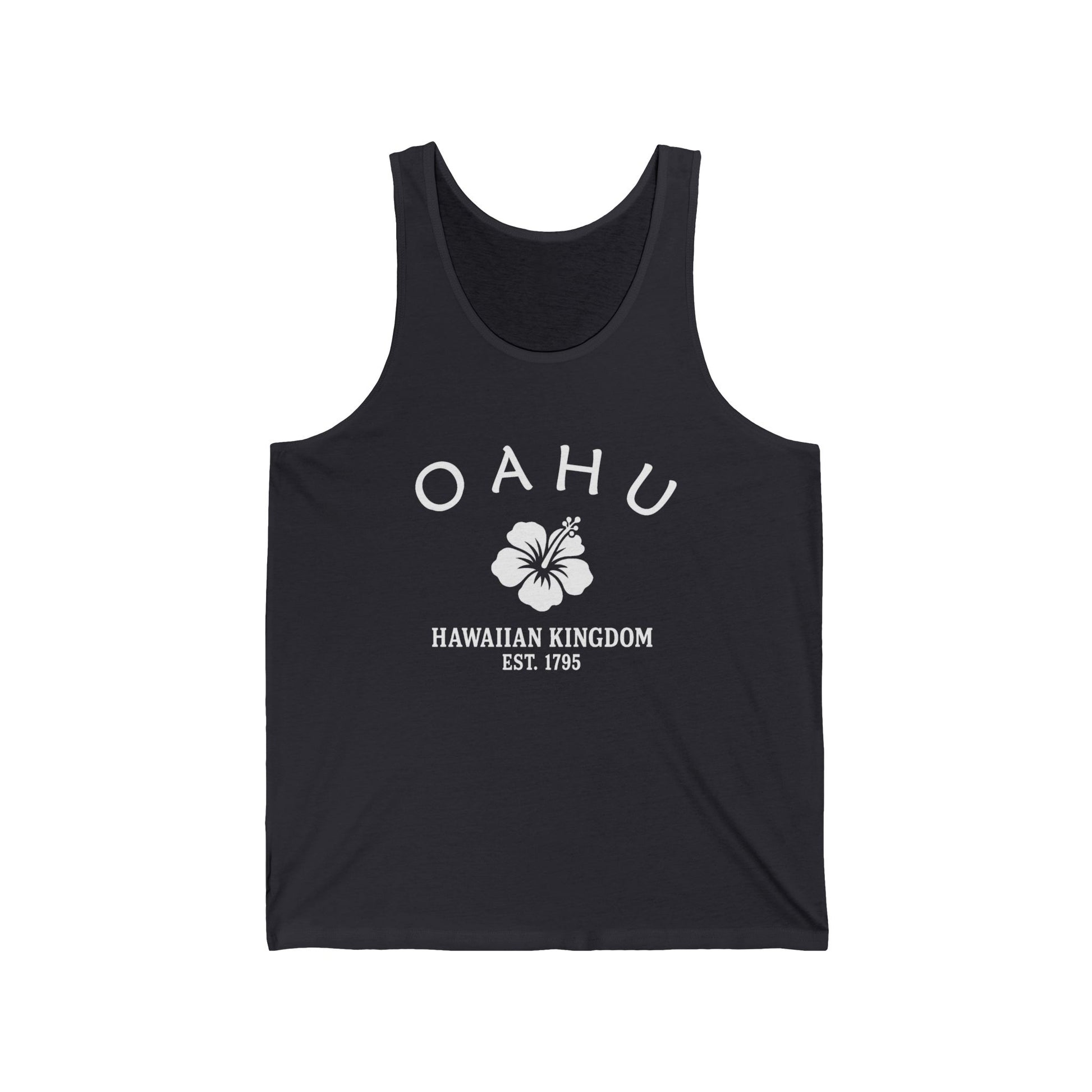
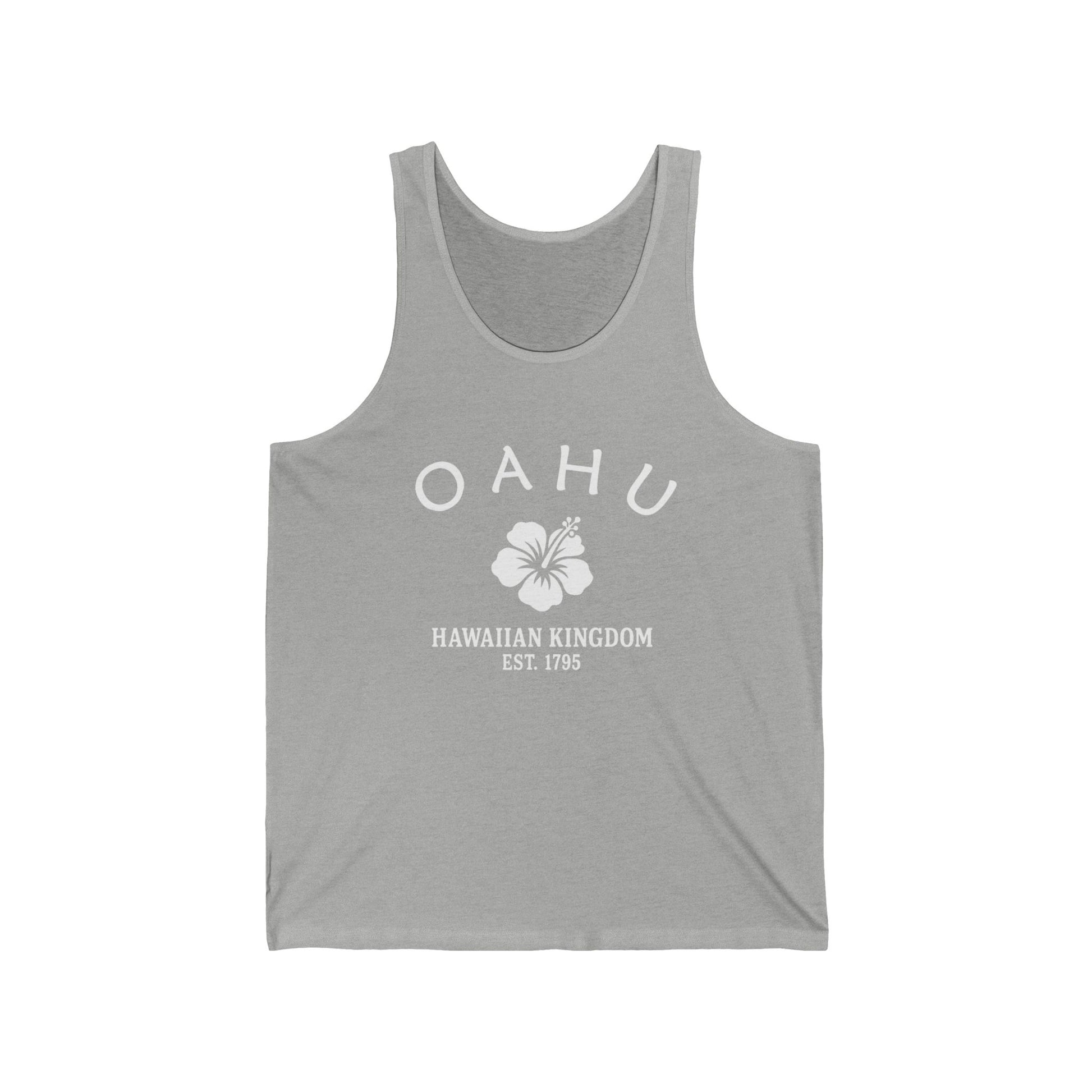
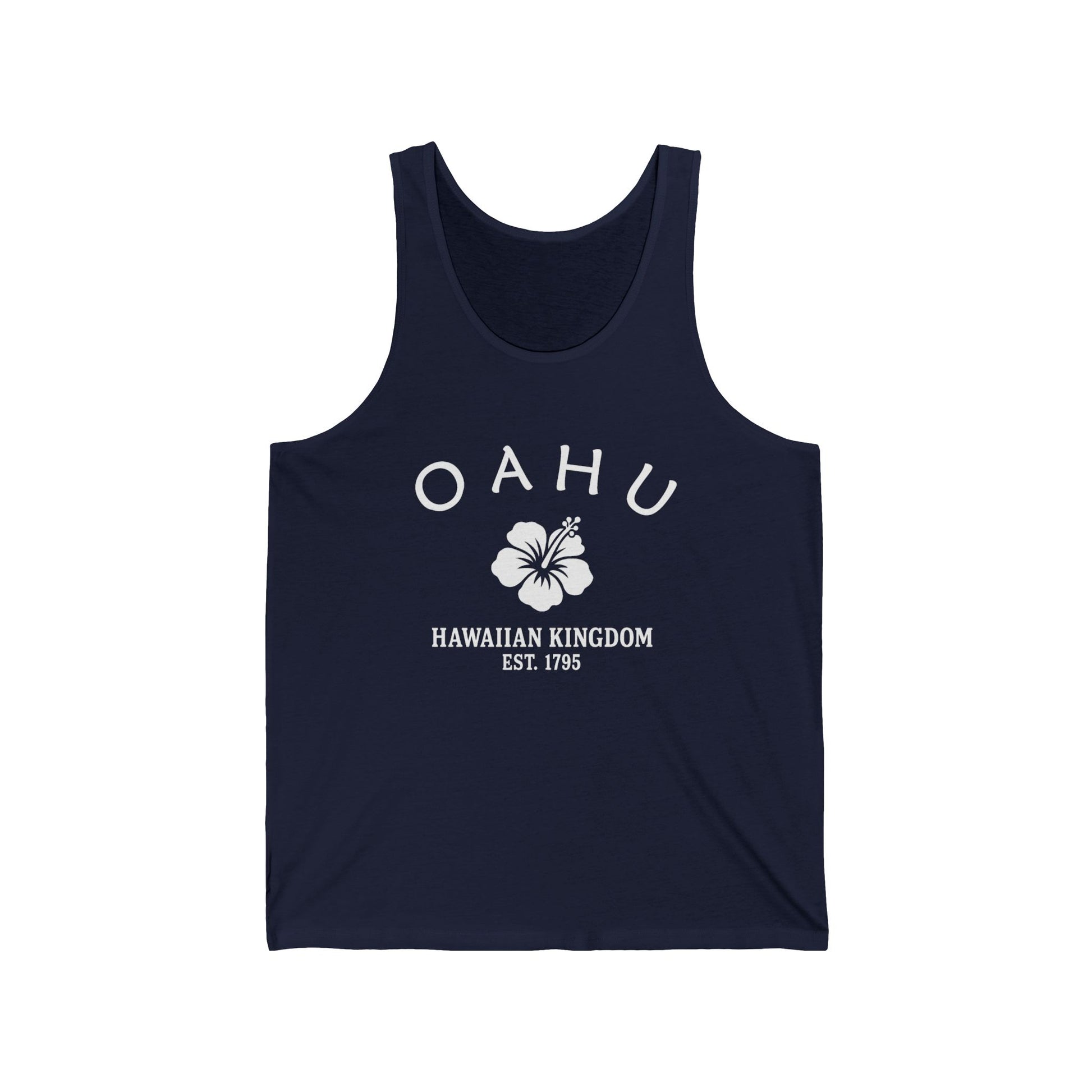
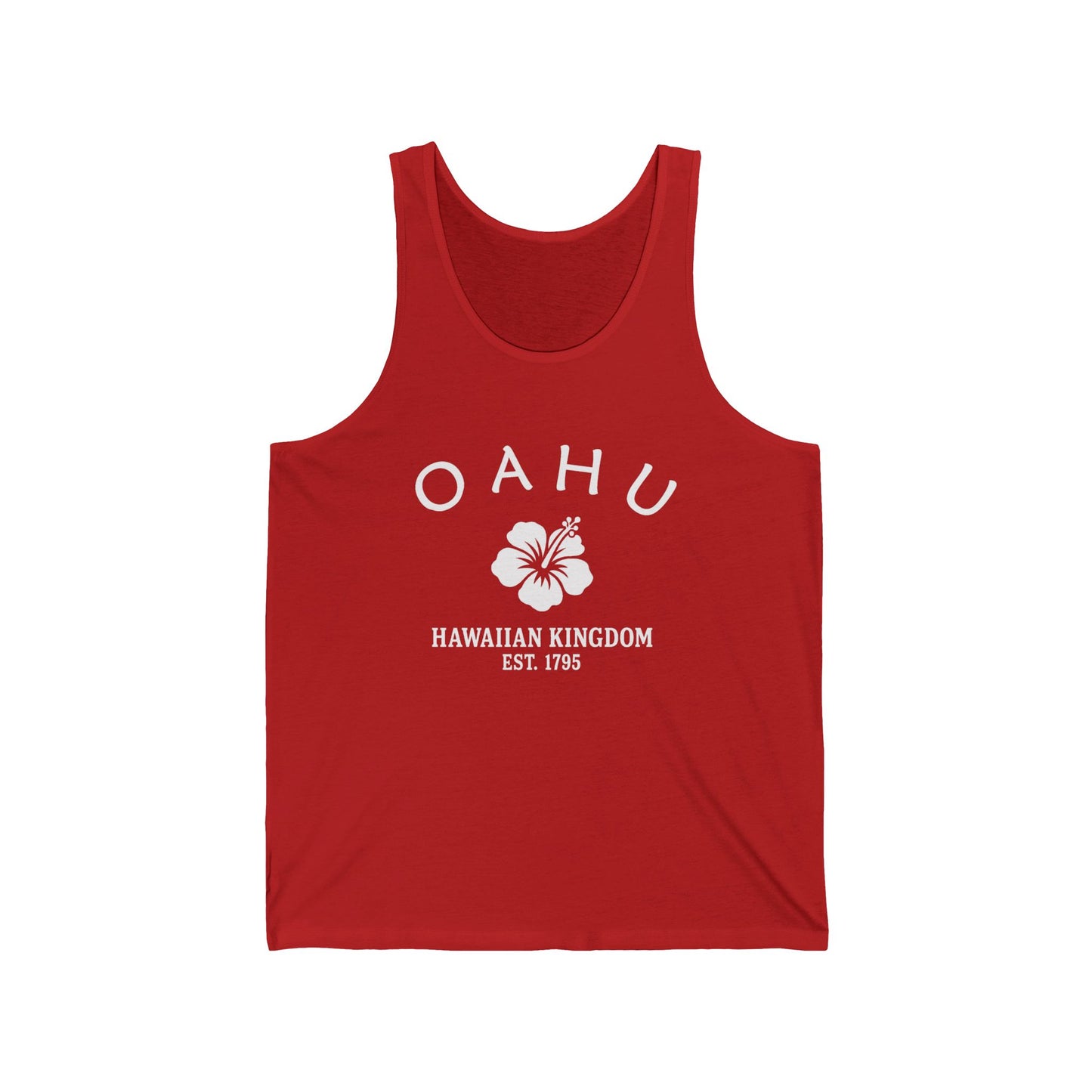
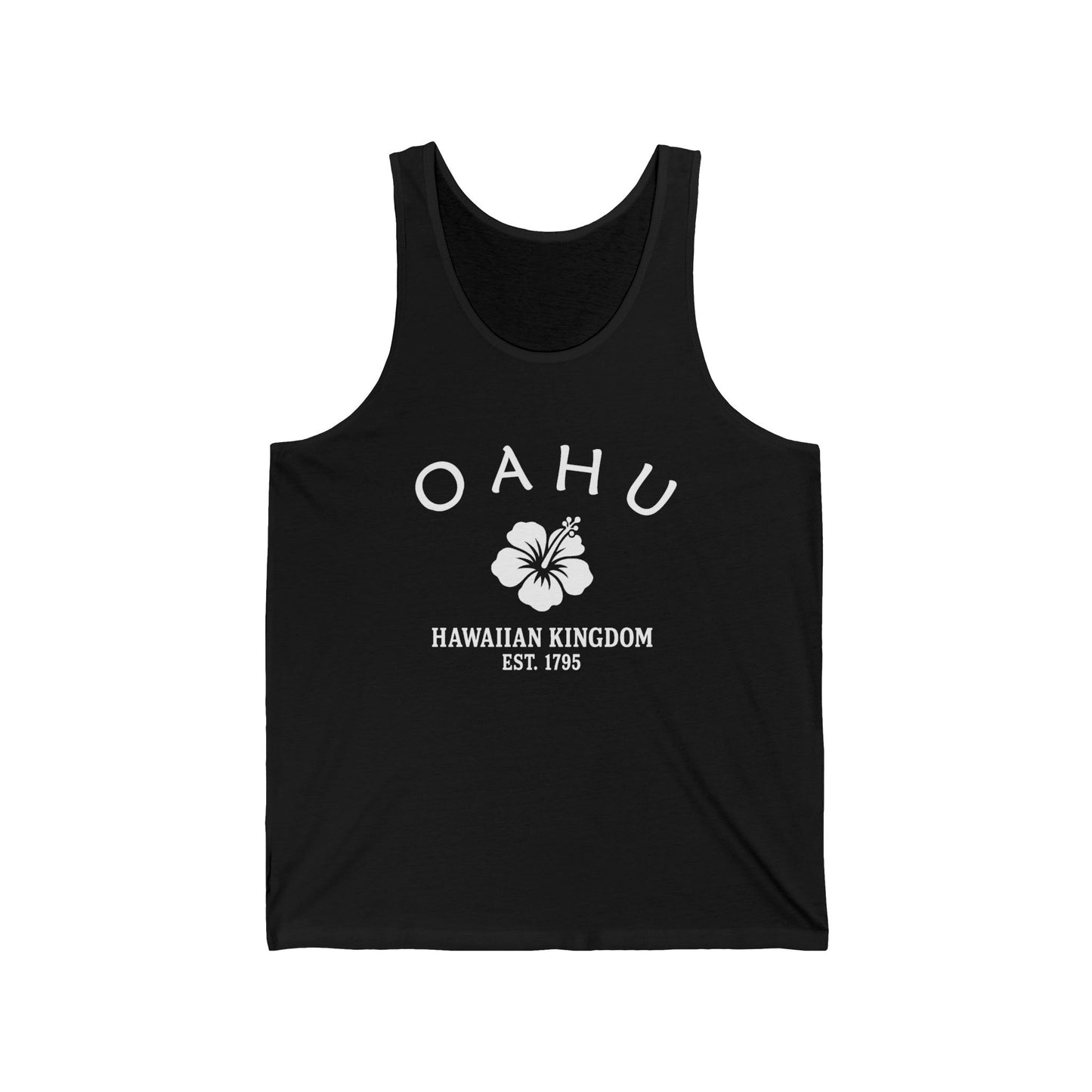
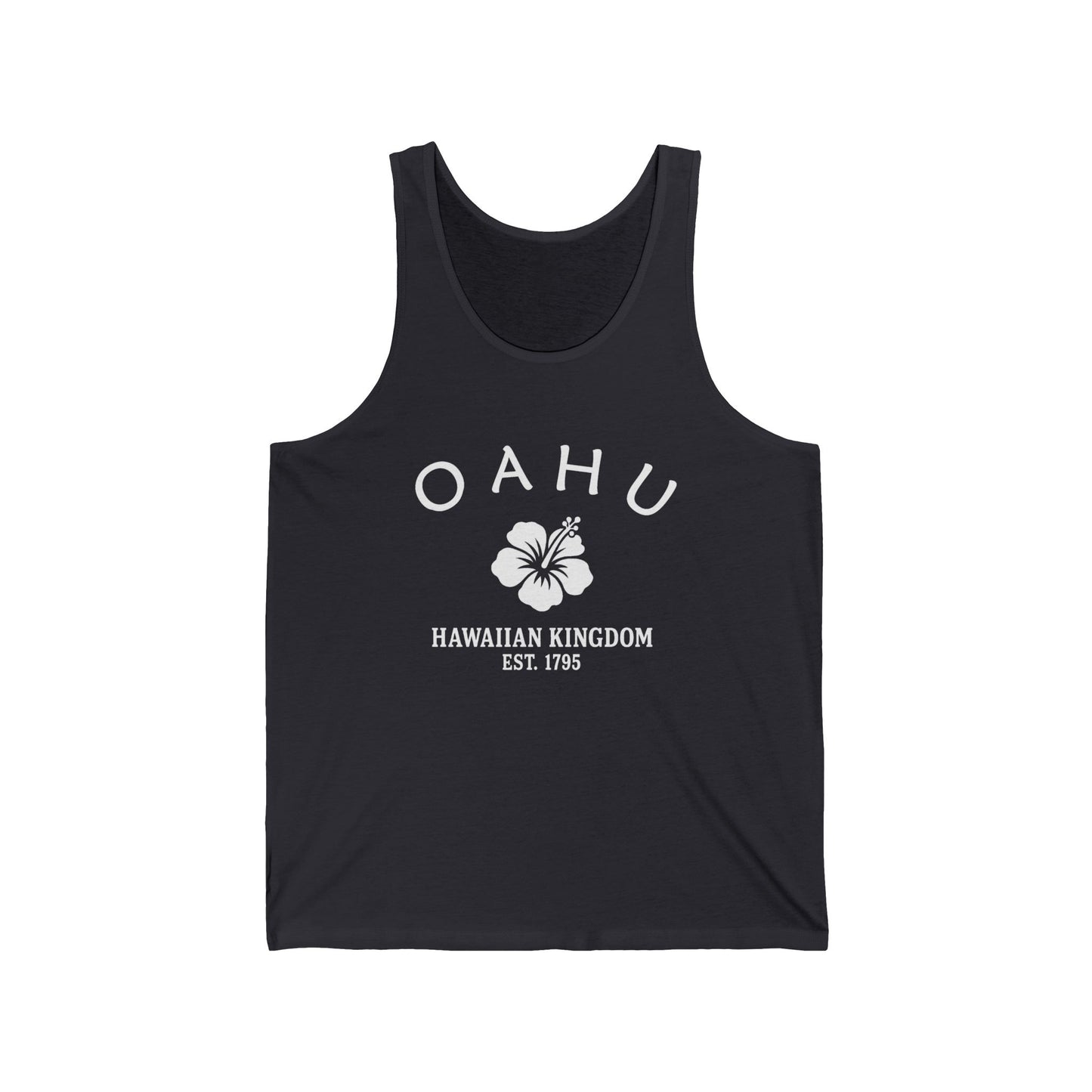
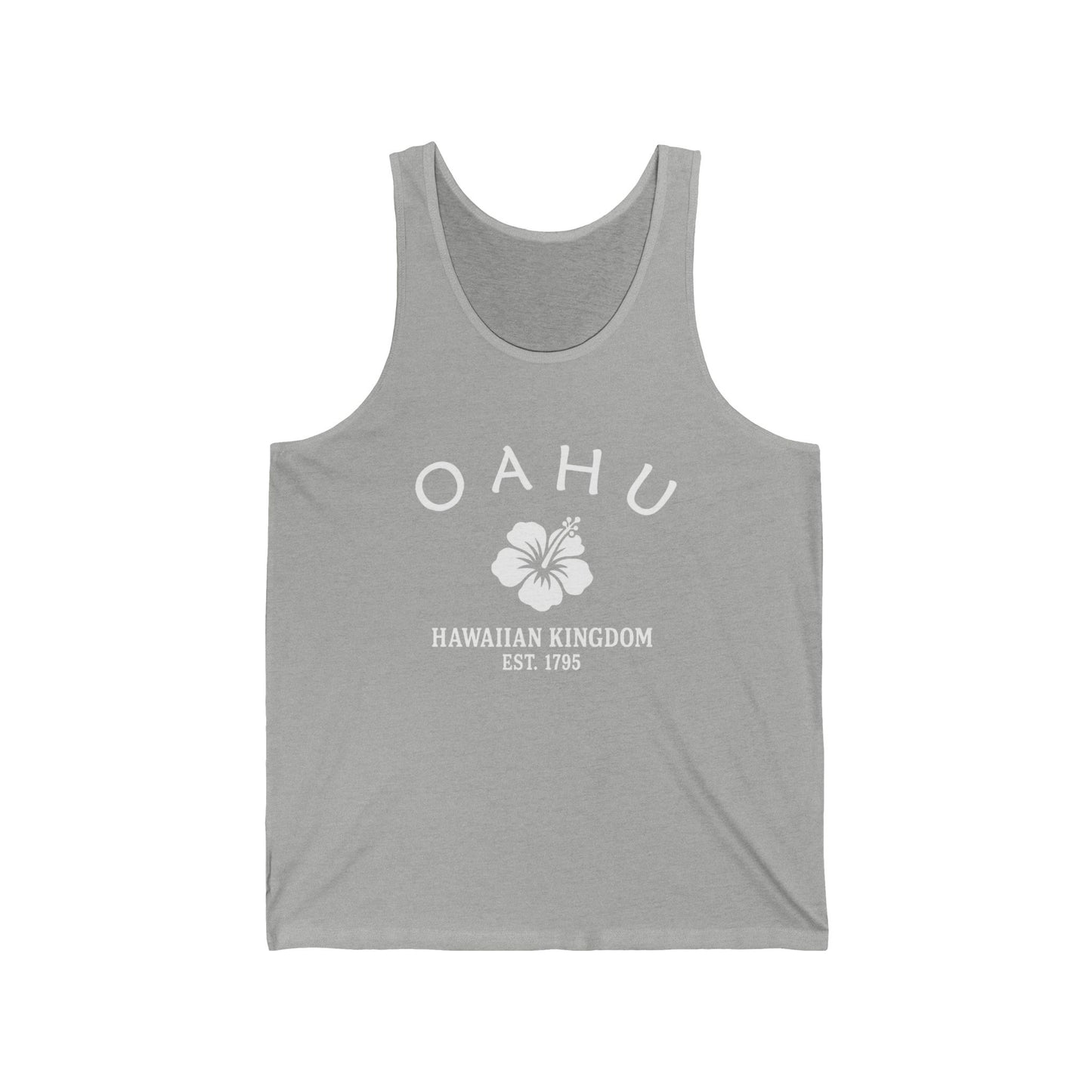
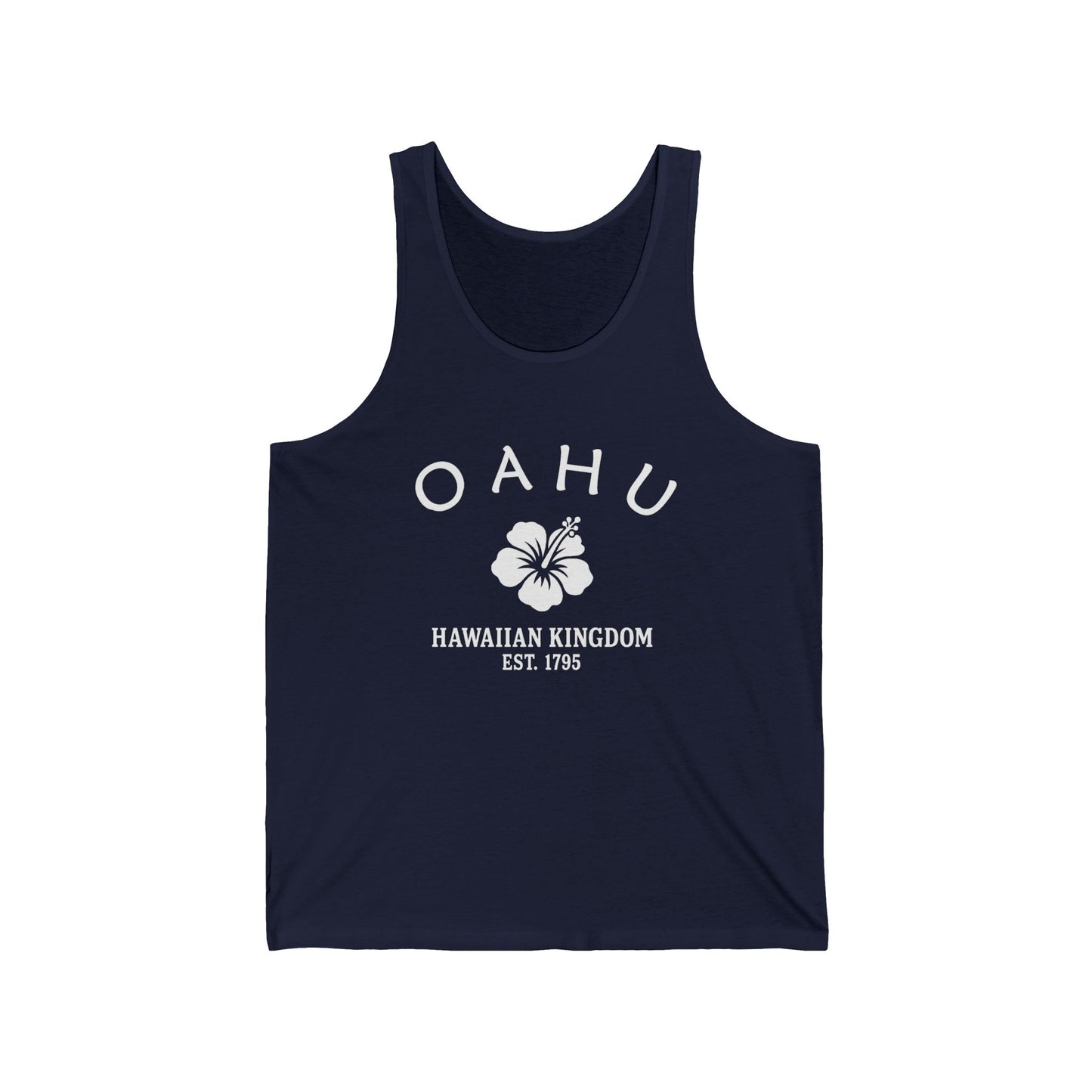
Our Oʻahu logo carries the Hawaiian hibiscus over "Hawaiian Kingdom · Est. 1795," the shared emblem of every Merlin Classics Hawaiʻi place, marking the 1795 unification that began on this very island at Nuʻuanu. Printed in clean retro black-and-white like an old travel decal, the hibiscus stands for the islands as a whole; what makes this one Oʻahu is everything around it — Diamond Head over Waikākā, the surf of the North Shore, the green wall of the Koʻolau, and the gathering-place spirit of Hawaiʻi's busiest island.
And on a Sunday morning the world changed here. On December 7, 1941, the attack on Pearl Harbor took the lives of 2,403 Americans — more than a thousand of them aboard the USS Arizona — and brought the United States into the Second World War. The USS Arizona Memorial rests above the sunken ship today, a place of quiet remembrance that Oʻahu keeps with reverence, never for sale.
Why People Visit Oʻahu
Oʻahu offers the whole of Hawaiʻi in one place: deep history and living culture, world-famous surf, a great multicultural city, and beaches for every mood. It is where most visitors begin — and, for the million people who live here, simply home, the island where Hawaiʻi gathers.
