Skip to product information
1 of 5

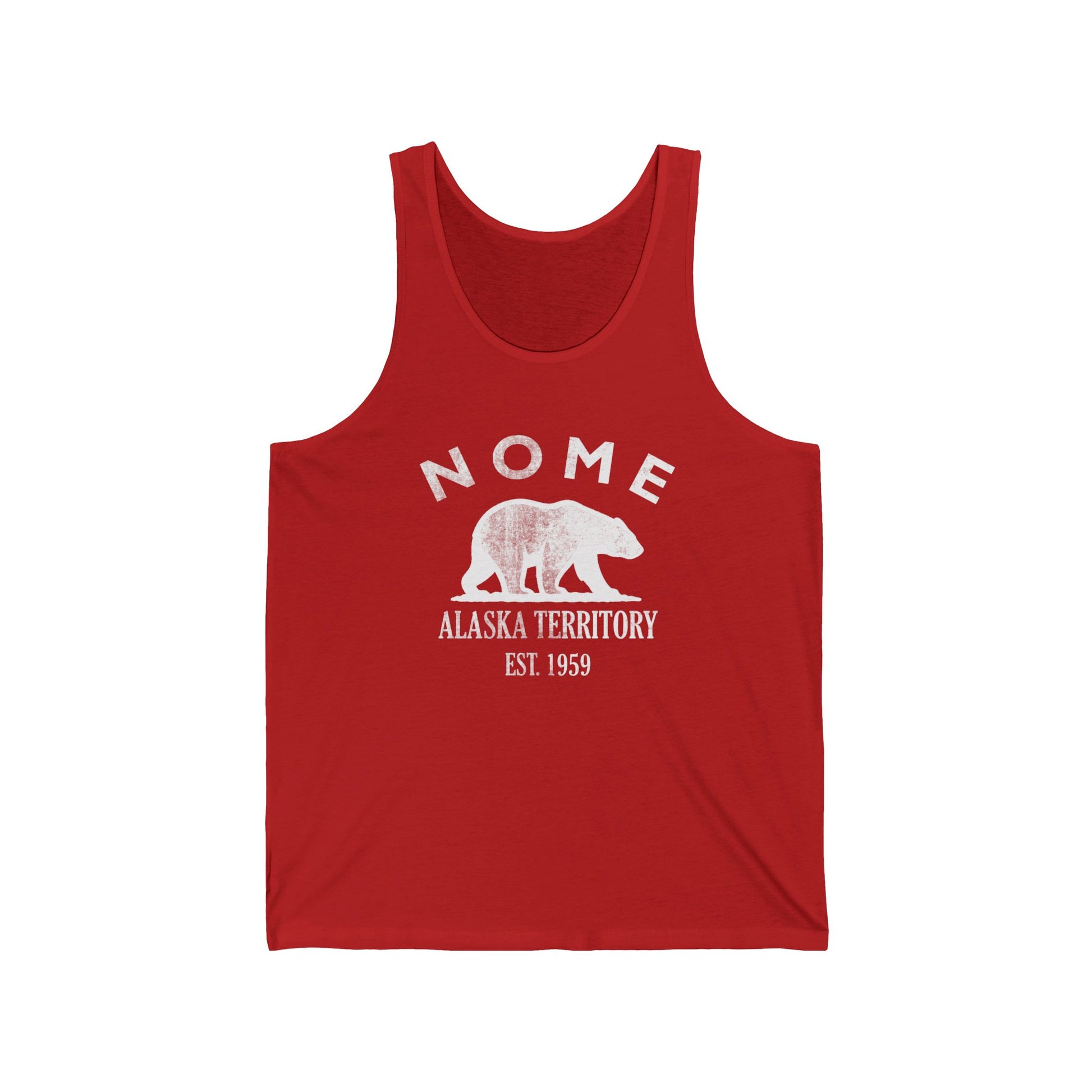
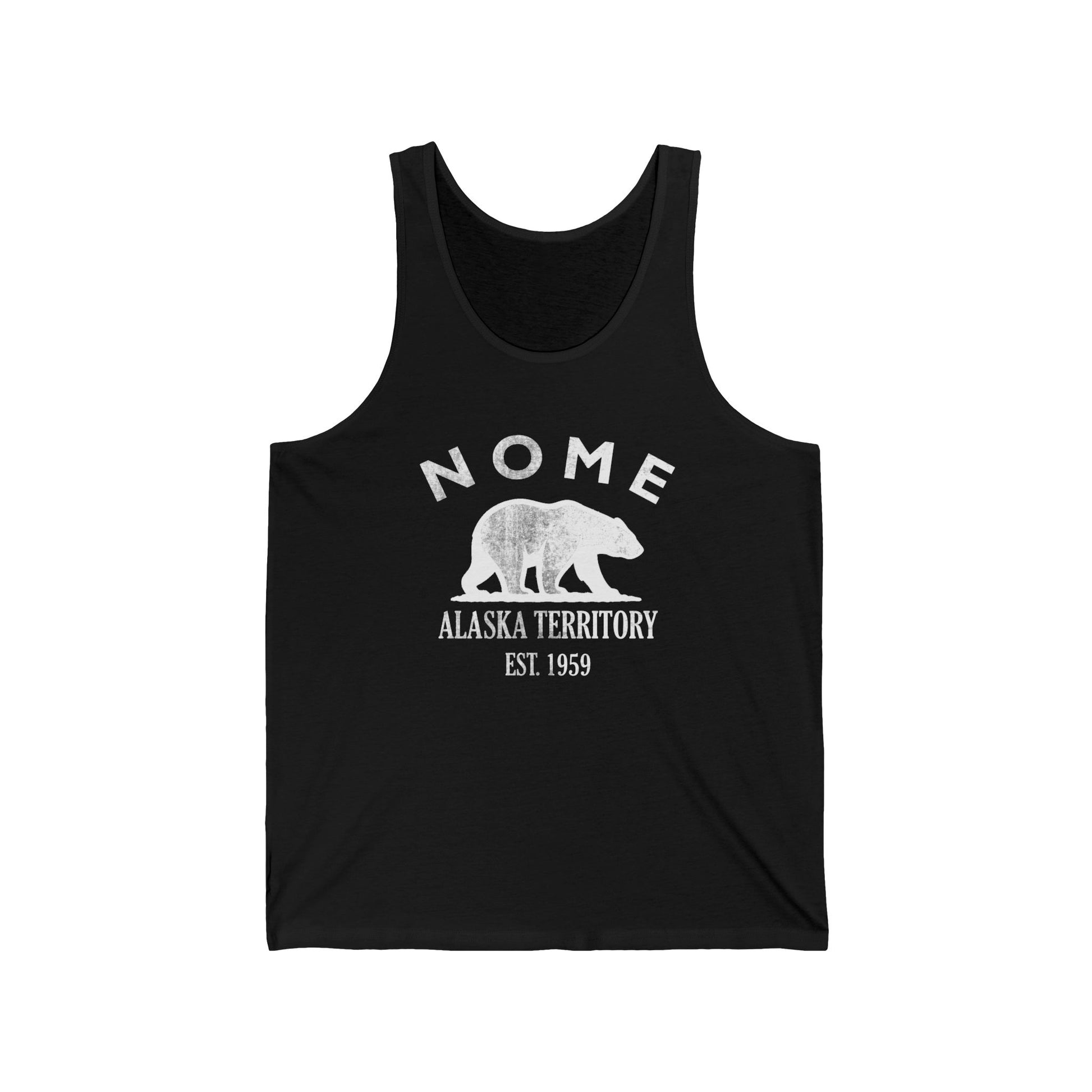
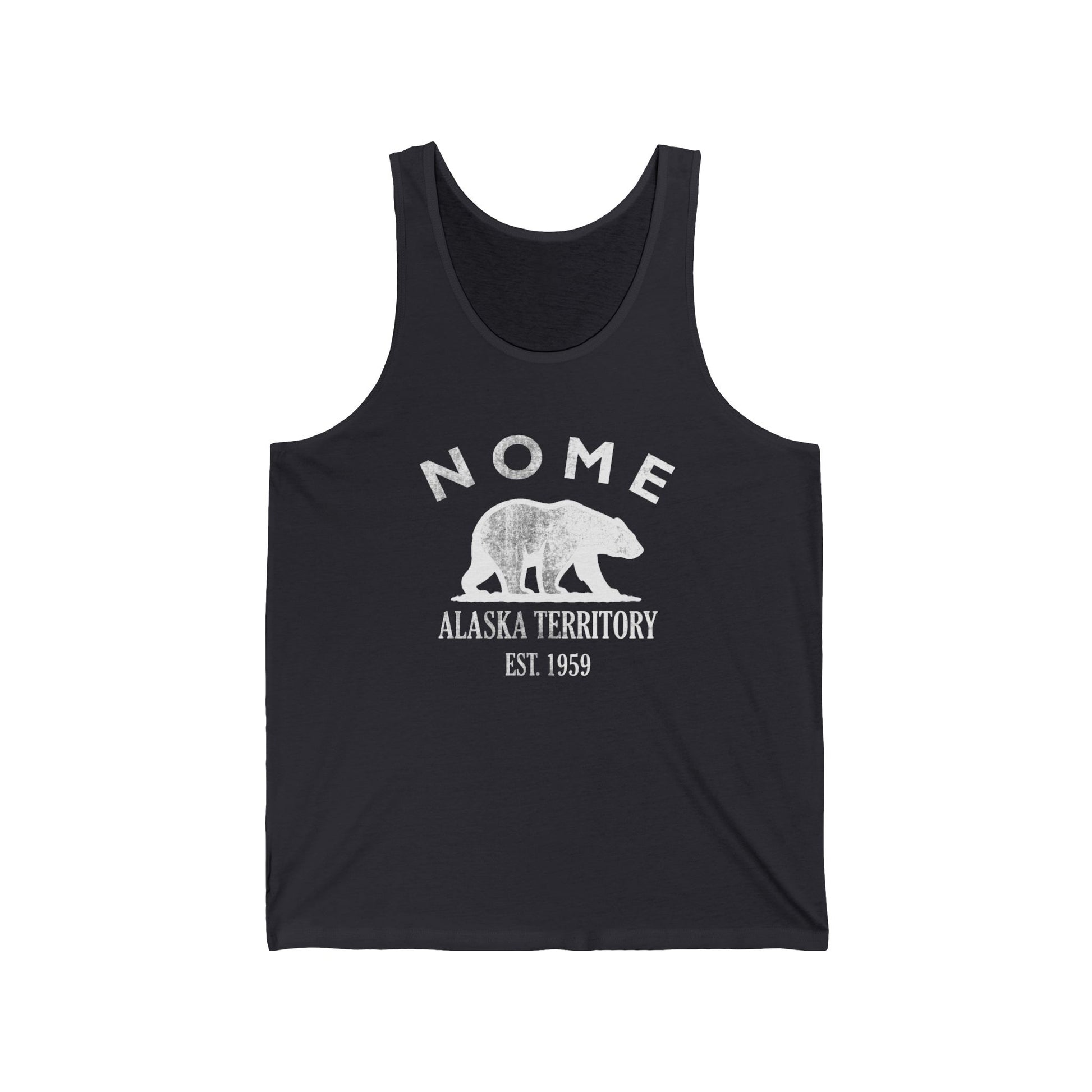
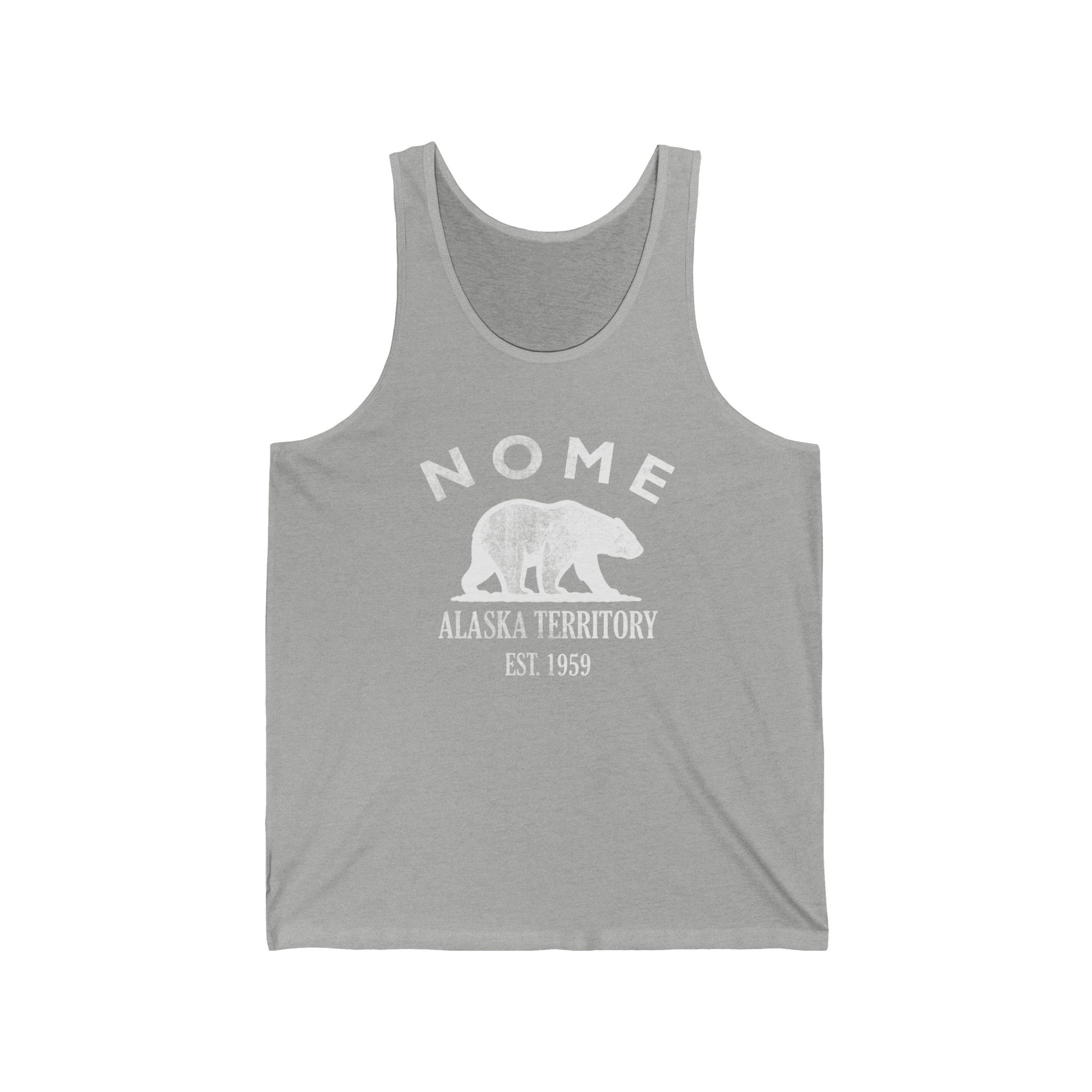
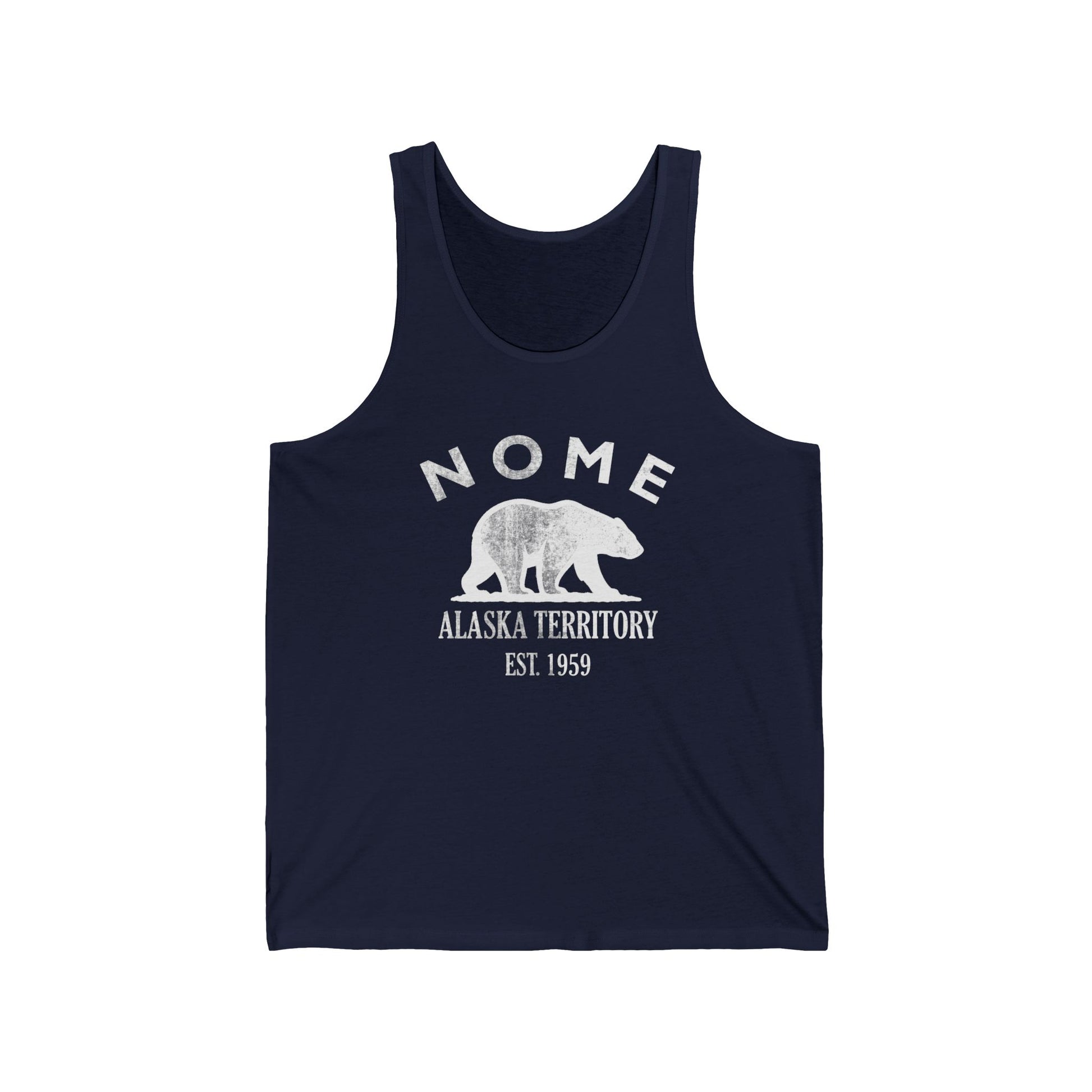
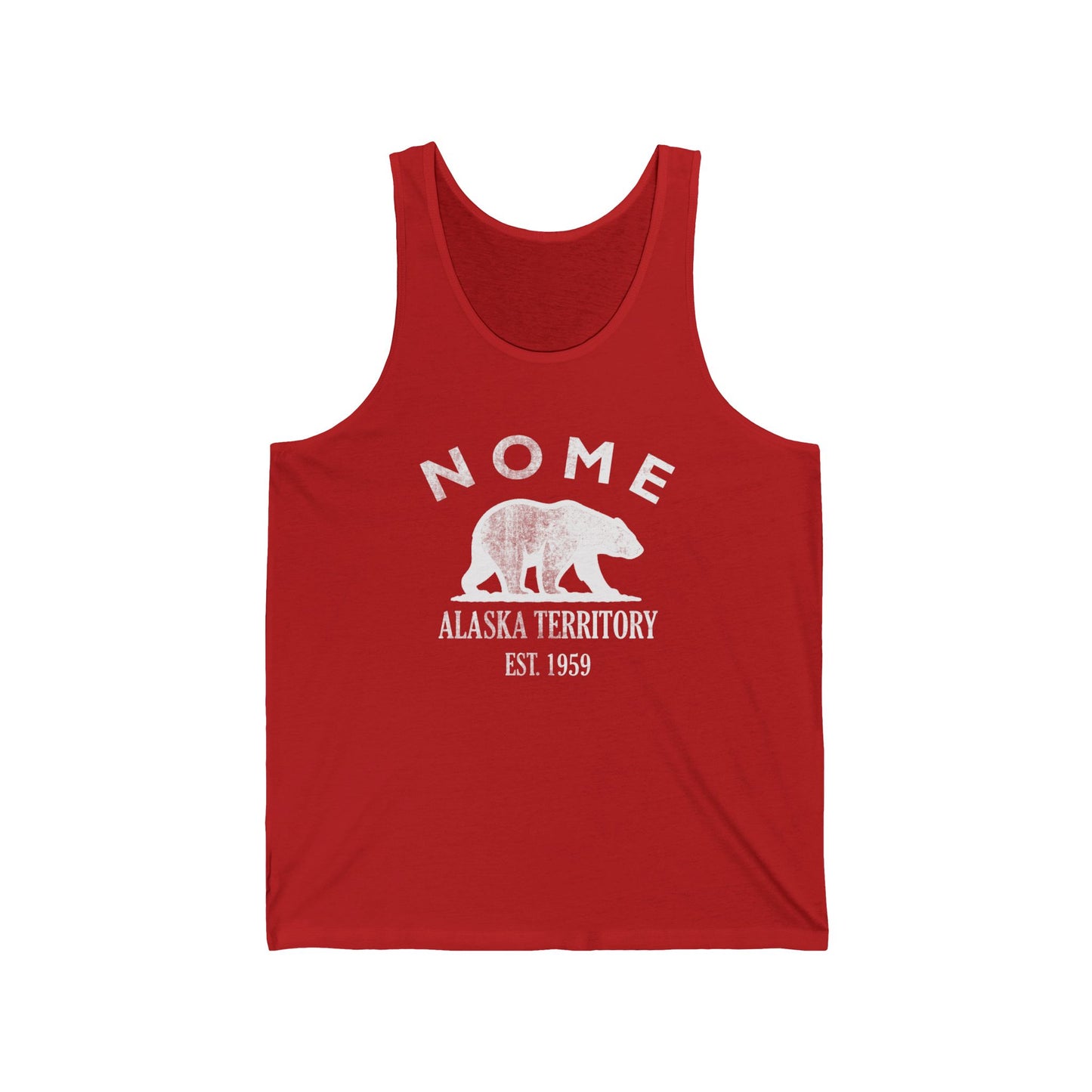
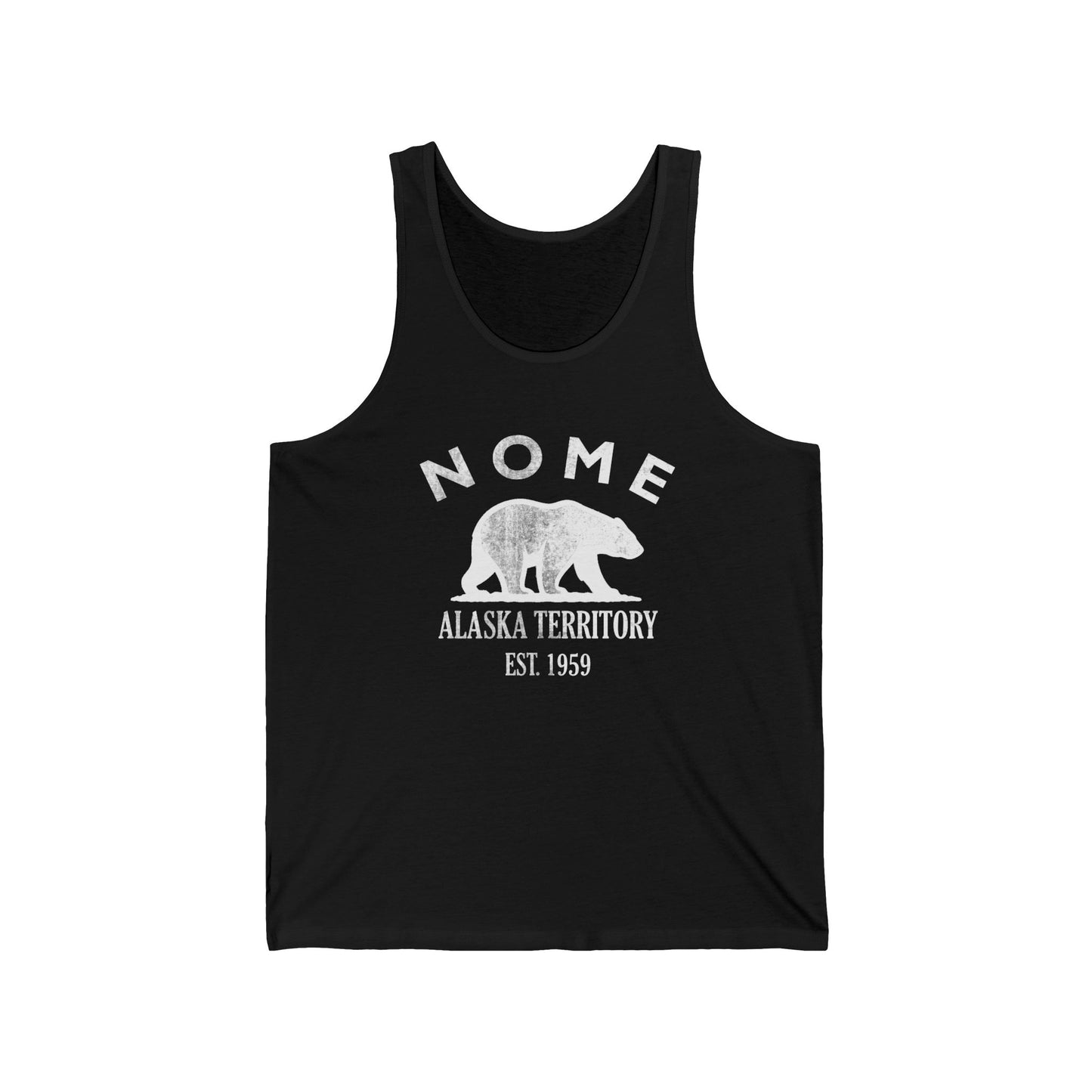
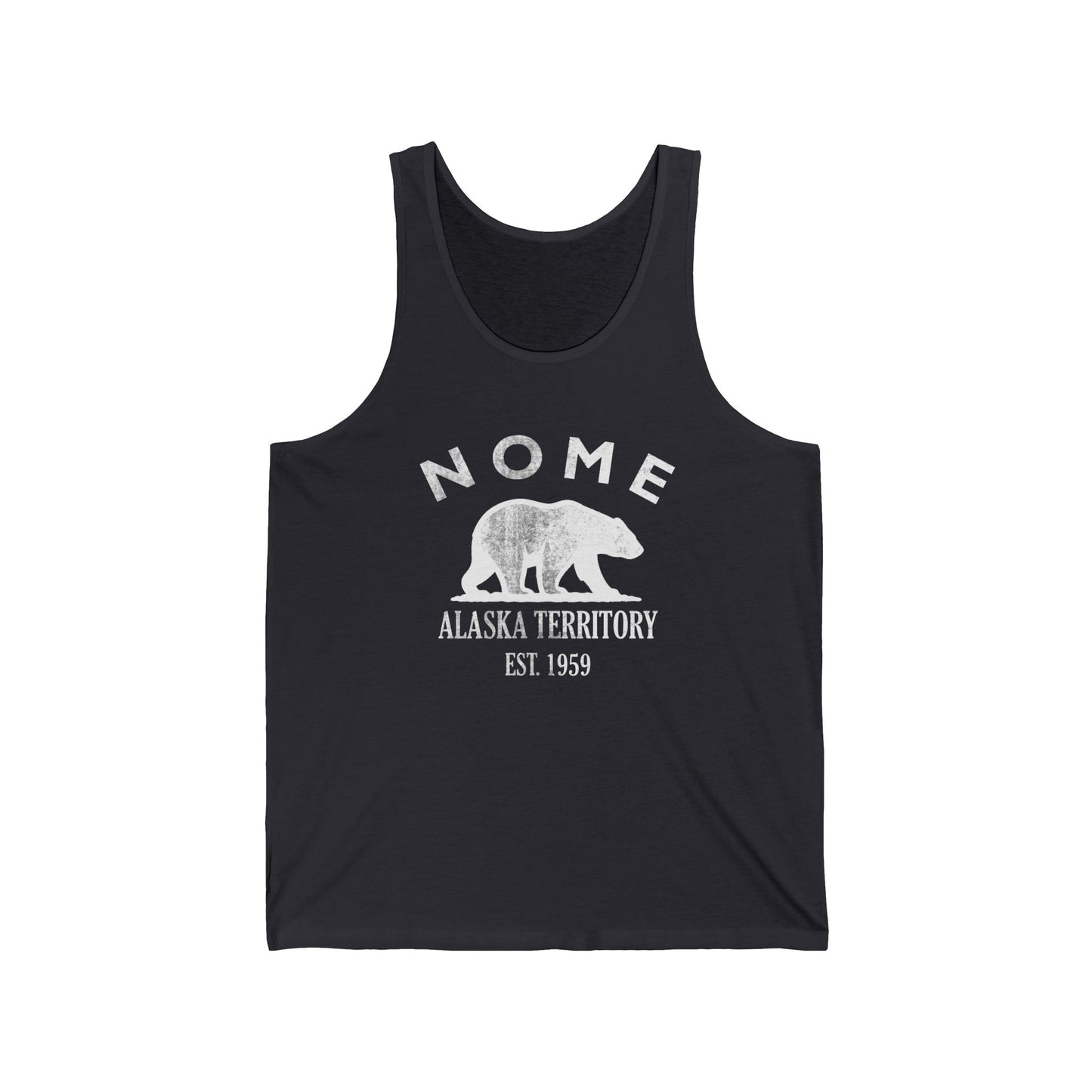
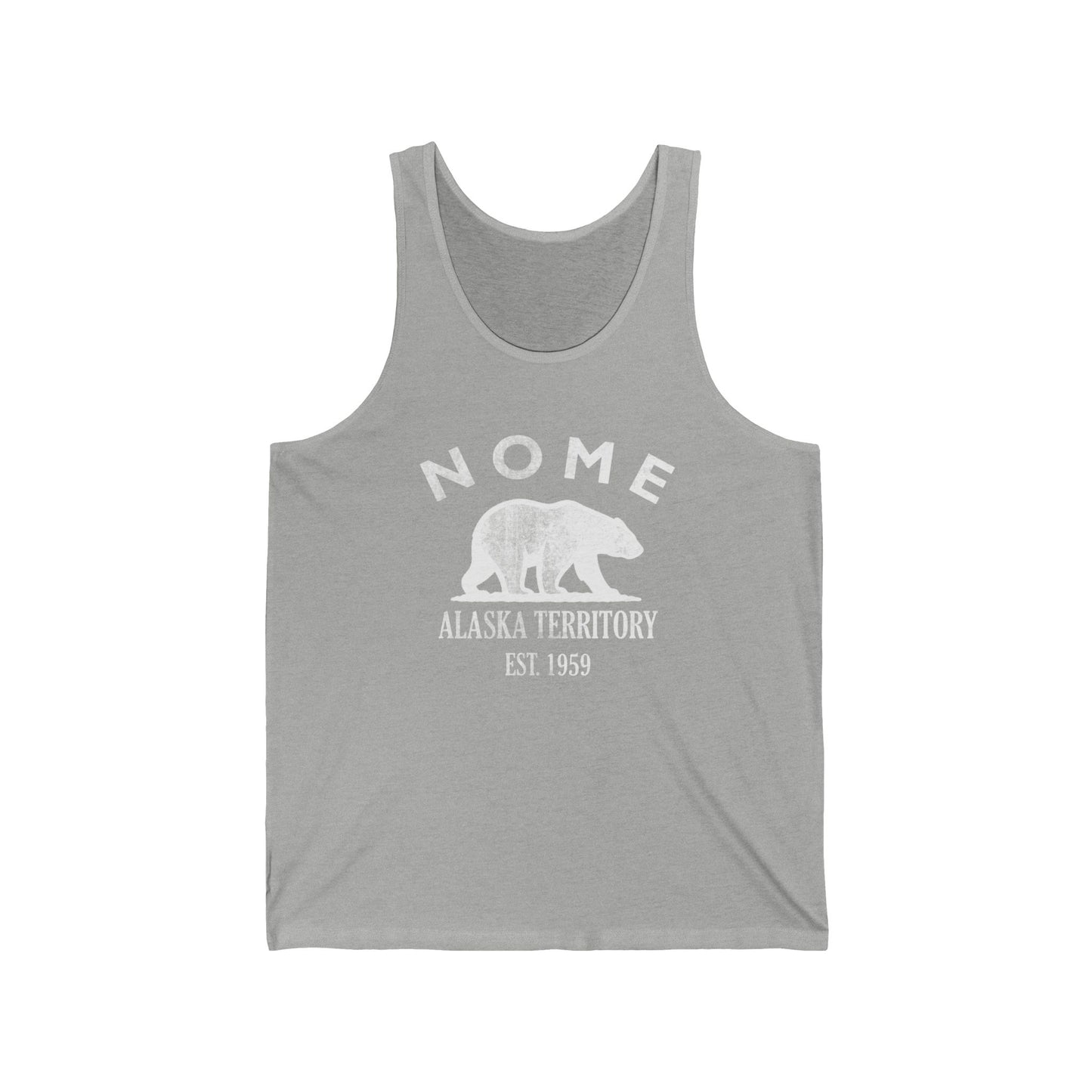
Nome Alaska Vintage Retro Unisex Cotton Jersey Tank Top - White Logo

Nome Alaska Vintage Retro Unisex Cotton Jersey Tank Top - White Logo

Regular price $28.00 USD
Regular price Sale price $28.00 USD
Sale
Shipping calculated at checkout.
Size
Color
Quantity
Unisex jersey tank made from lightweight Airlume combed and ring-spun cotton with a retail fit. Side-seam construction and self-fabric binding help it hold shape, with a tear-away label, and it runs true to size for adults. Solid colors are 100% cotton; select heather/prism shades may include cotton–poly or cotton–poly–rayon blends.

View full details

Nome was founded in 1898 during the Nome Gold Rush, when thousands flocked to the Bering Sea coast seeking fortune. Long before, the Inupiat people lived there, fishing, hunting, and enduring harsh Arctic conditions. Nome's founding identity reflects both Indigenous survival and frontier ambition, where a gold stampede created sudden prosperity. The settlement grew rapidly into a bustling boomtown of tents, saloons, and miners. Nome's origins highlight Alaska's dual identity: Native continuity and frontier upheaval. Its early story emphasized resilience, ambition, and survival, making it one of Alaska's most famous Gold Rush towns of heritage and endurance.

The finish line of the Iditarod, the end of the last great American gold rush, and the closest US city to Russia. Nome, Alaska sits on the Bering Sea coast of the Seward Peninsula, 539 miles northwest of Anchorage and 161 miles east of Russia across the Bering Strait. Little Diomede, the small American island just offshore, is two and a half miles from Russian Big Diomede — the closest point between the two countries, with the International Date Line running between them. The Iñupiat lived here for centuries before any of what follows. On September 22, 1898, three prospectors — Jafet Lindeberg, Erik Lindblom, and John Brynteson — struck gold on Anvil Creek a few miles up from the beach. By the next summer, gold was being found in the black sand of the beach itself, and tens of thousands of stampeders piled off ships from Seattle. Population briefly hit somewhere north of 10,000, making Nome briefly the largest city in Alaska. Wyatt Earp — the same Wyatt Earp from Tombstone — opened a saloon on Front Street in 1899 and ran it for two years; biographers estimate he made more money in Nome than from all his frontier-lawman exploits combined. In late January 1925, diphtheria broke out in town. The nearest serum was 674 miles away in Nenana. Over 127 hours, twenty mushers ran the serum in relay across Alaska in temperatures below minus forty, with two lead dogs entering popular memory: Togo, who with Leonhard Seppala covered the longest and most dangerous leg across Norton Sound sea ice, and Balto, who with Gunnar Kaasen drove the final stretch into Nome through an eighty-mile-an-hour blizzard. The serum arrived at five-thirty in the morning on February 2. The epidemic was averted. Forty-eight years later, in March 1973, the first Iditarod Trail Sled Dog Race finished on the same Front Street, under what would soon become the Burled Arch — the iconic spruce-and-cottonwood arch the town has reinstalled every March since 1975. Every year since, the world's premier long-distance sled-dog teams have run roughly a thousand miles from Anchorage to this same wooden arch, and every March the town of three thousand five hundred people doubles. The aurora rolls overhead for half the year. There's no place like Nome.

Why People Visit Nome Alaska

Nome offers gold-rush history, sled-dog-racing tradition, Bering Sea geography, and tundra landscapes that few places combine. Visitors come for the Iditarod finish in March, the 1898 gold rush and 1925 Serum Run heritage, the Bering Strait proximity to Russia, the aurora overhead, and the simple fact that the road runs out here. It is remote, resilient, and unforgettable.

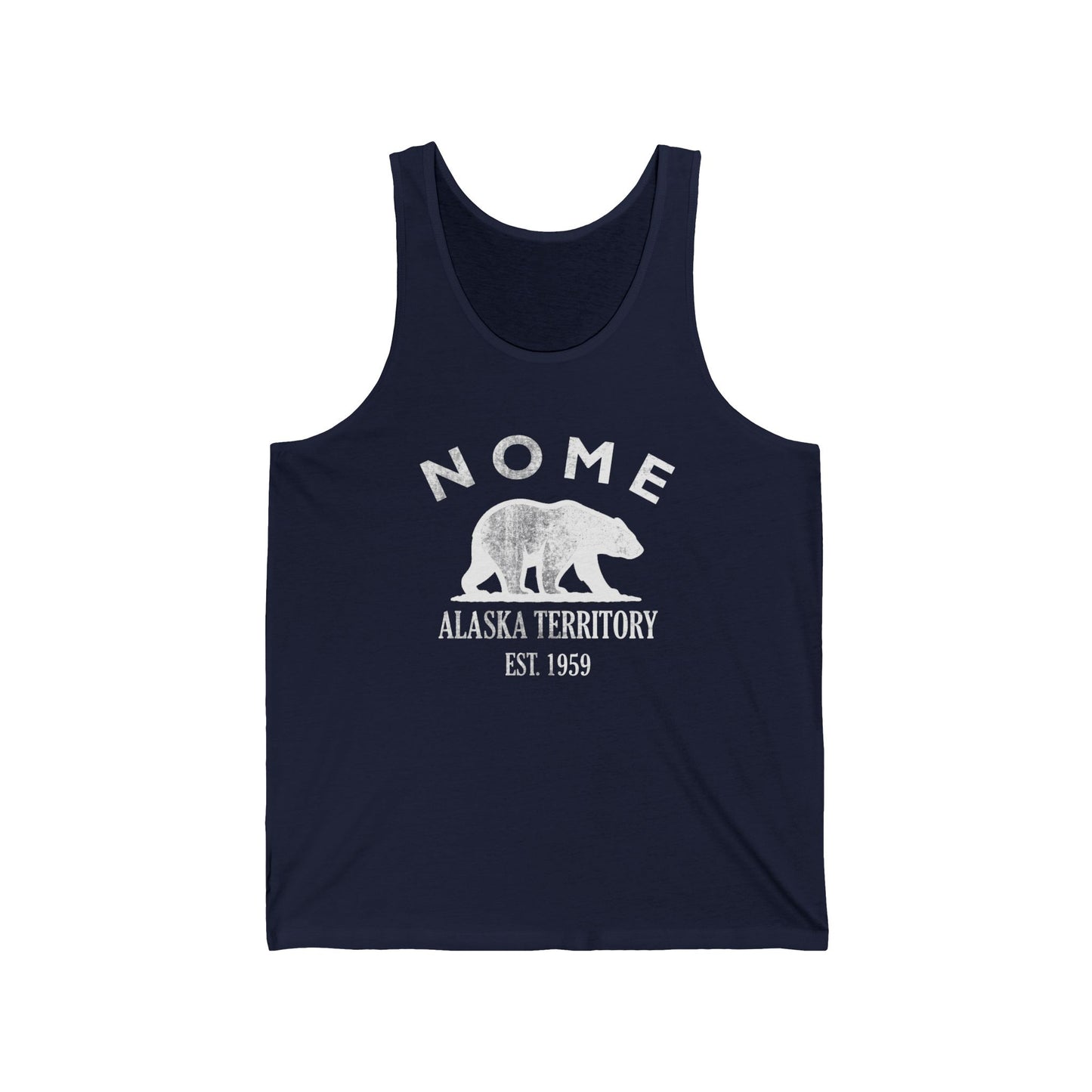
Nome Alaska Merlin Classics retro vintage logo featuring bear motif and 1959 Alaska statehood reference

Wear Local. Feed Local. Stay Classic.

Product FAQs

How does your sizing work?

Because items are made to order, we can’t accept returns for sizing or color choices. We do accept returns for defects, misprints, or shipping damage. Please review the detailed photos and descriptions before purchasing. Women’s fitted tees run small; if you prefer a looser fit, consider sizing up.

How do I send gifts?

All items ship without prices and include a simple packing slip for easy gifting. Enter the recipient’s shipping address and your billing address at checkout. Use your contact info to receive tracking updates. Orders typically arrive within 6–11 business days—please allow extra time for time-sensitive gifts.

How do I care for my item?

For apparel: wash cold, inside-out, with like colors; avoid bleach and high heat; tumble dry low or hang dry. For embroidery, iron inside-out to protect the stitching. See specific care instructions in product descriptions and also follow general best practices in caring for your items for long term enjoyment.

How are items made and when will they arrive?

We make each item on demand using premium blanks, embroidery, and soft-hand prints. Production usually takes 2–5 business days (excluding weekends and holidays). You’ll receive tracking once shipped. We currently ship to U.S. addresses via USPS, UPS, or FedEx. Most orders arrive within 6–11 business days.

What’s the return/exchange policy?

We accept returns for defects, misprints, or damage on arrival. Report issues within 14 days with photos and your order number, and we’ll replace or refund. Size or color changes aren’t supported after purchase, so please consult size charts before ordering if you are at all unsure.

Who are we?

Merlin Classics is a volunteer-run, AI-assisted apparel project celebrating timeless local style. Every item is made to order, and profits (revenue minus external product/marketing cost) support hunger-relief programs in the communities our collections spotlight. Classic looks, real local impact—every purchase helps.