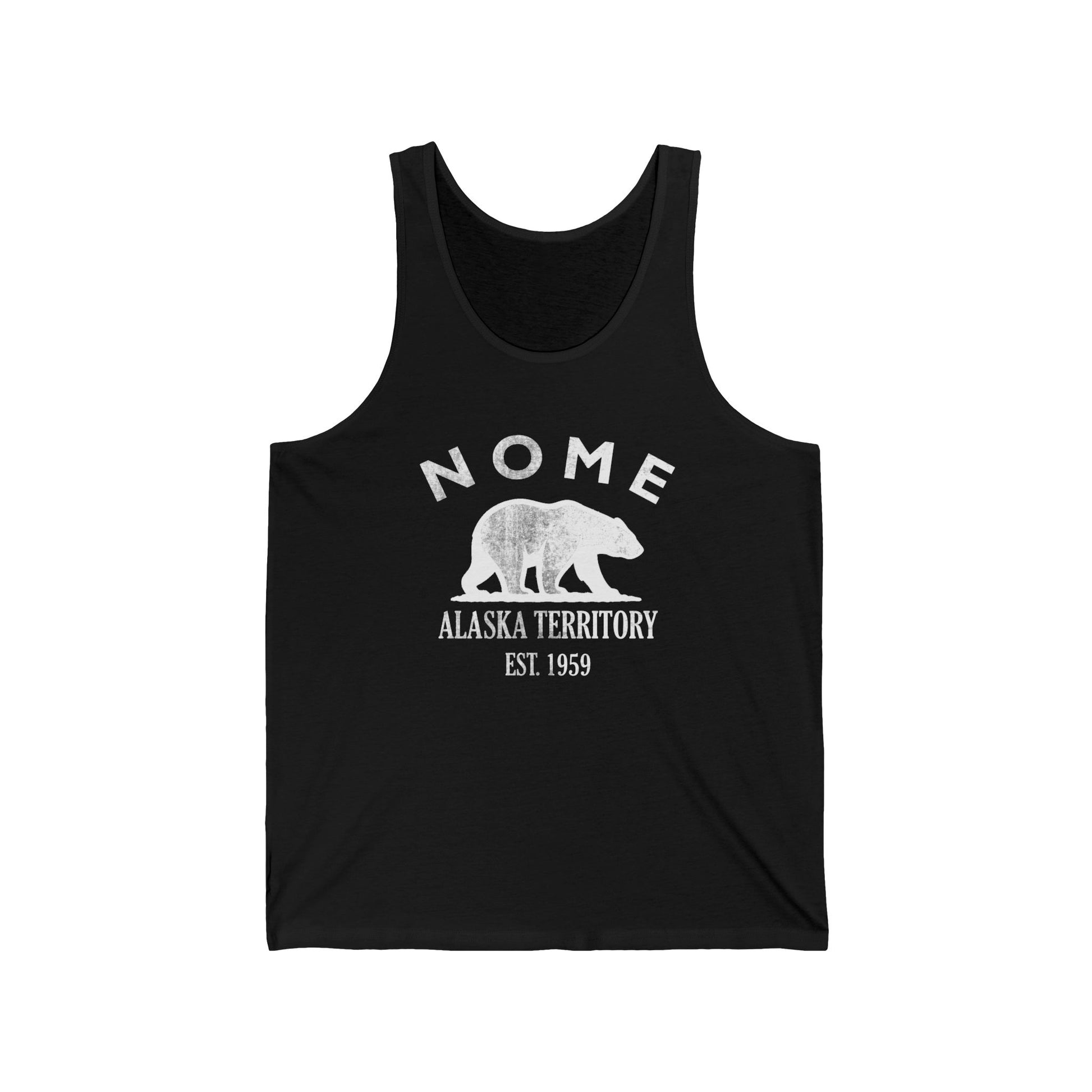
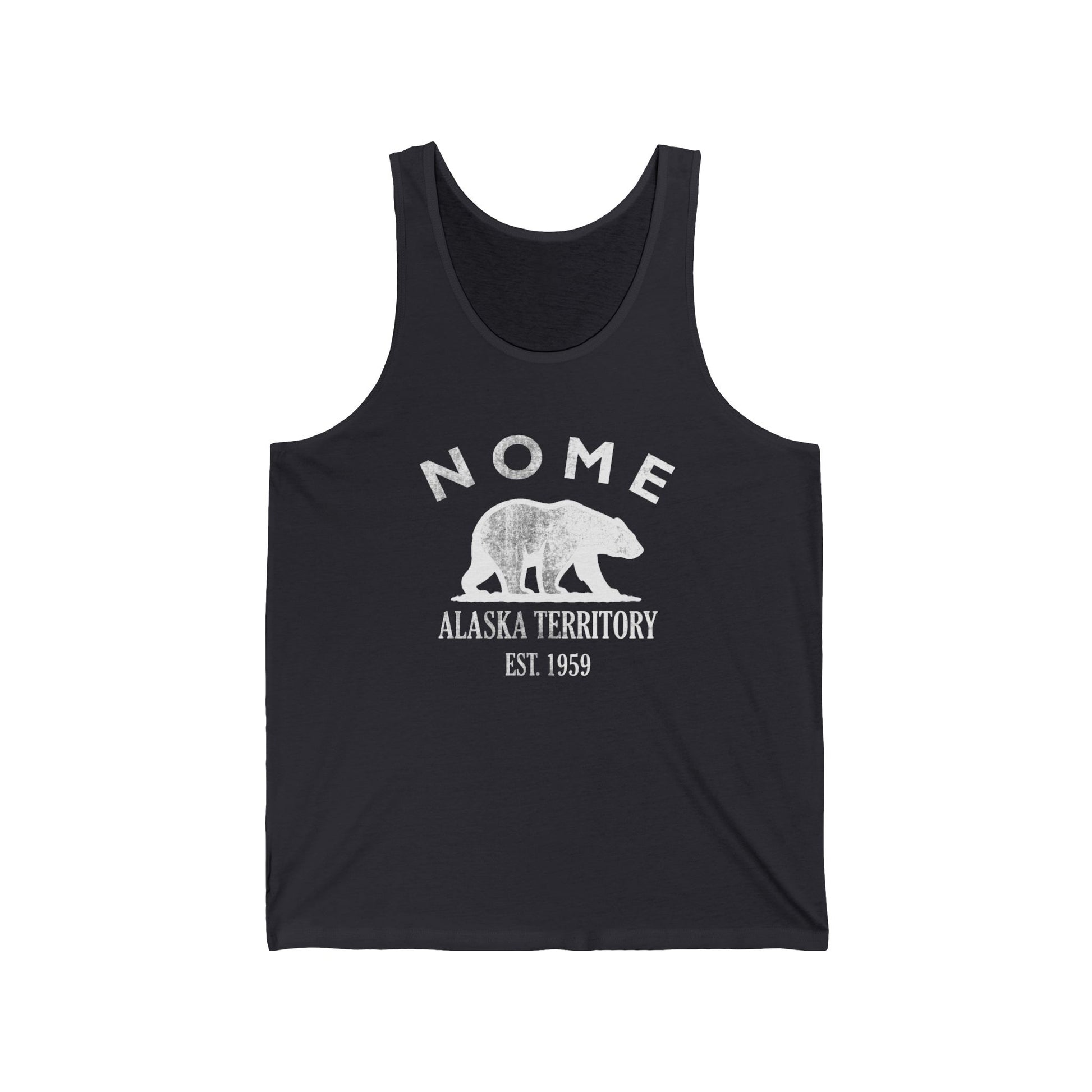
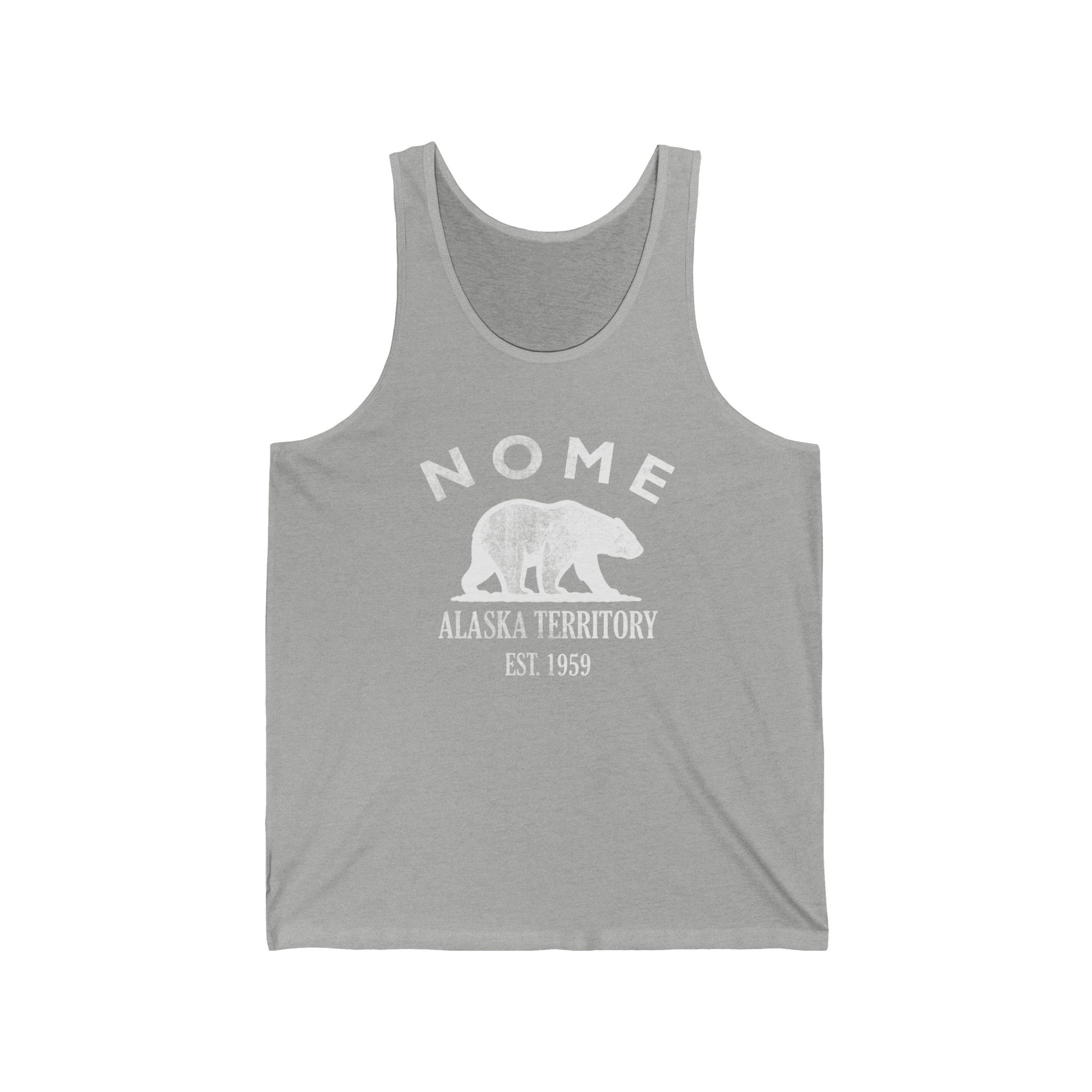
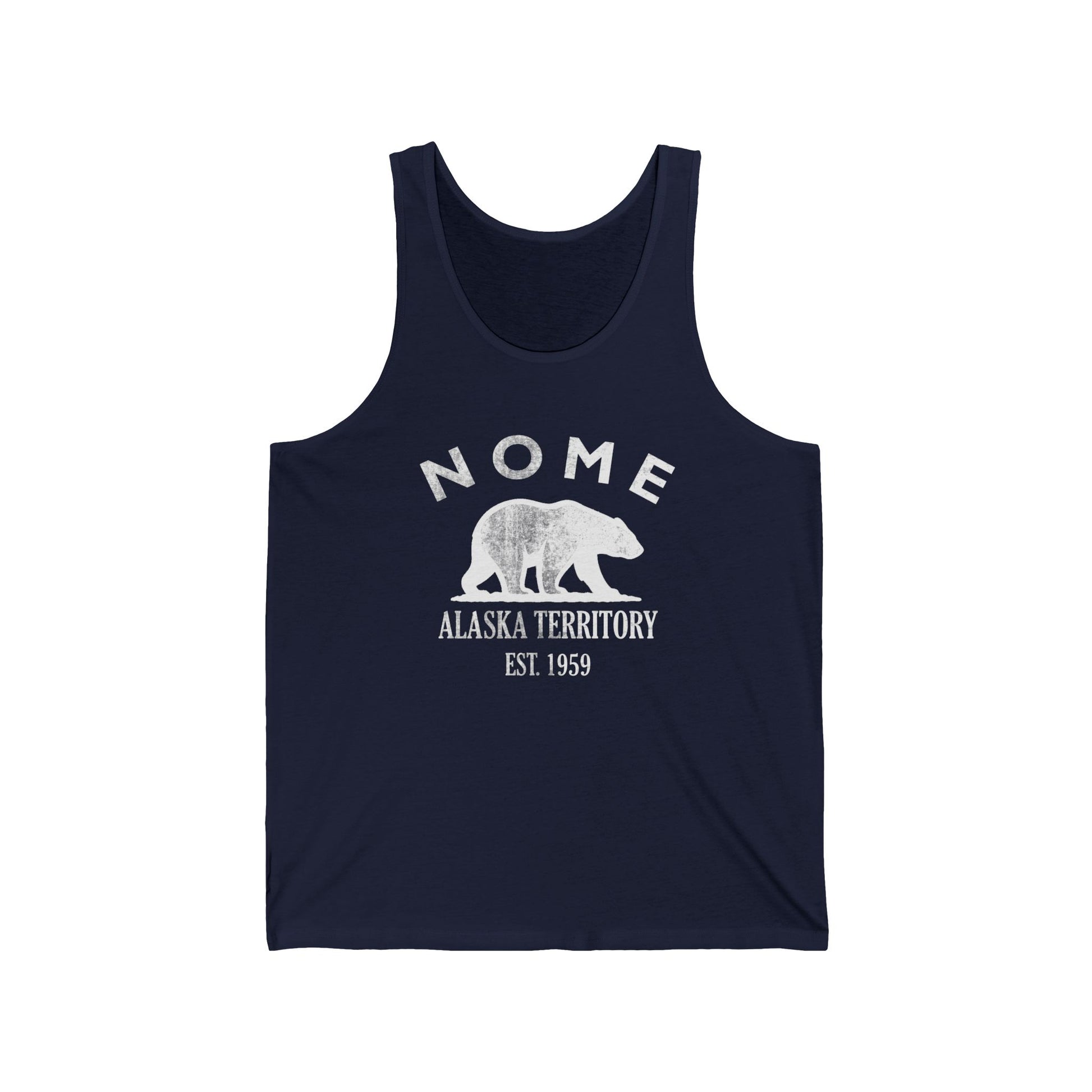
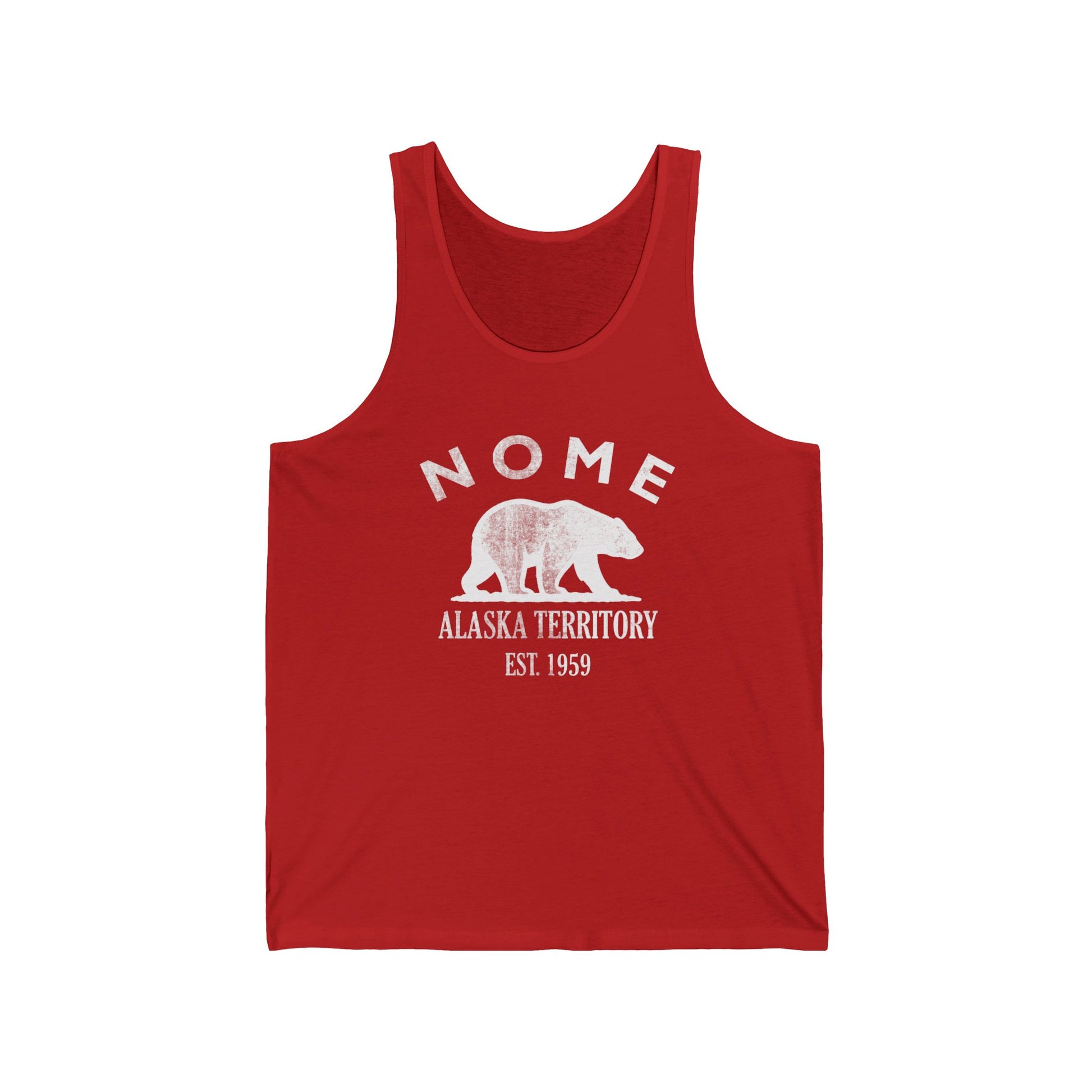
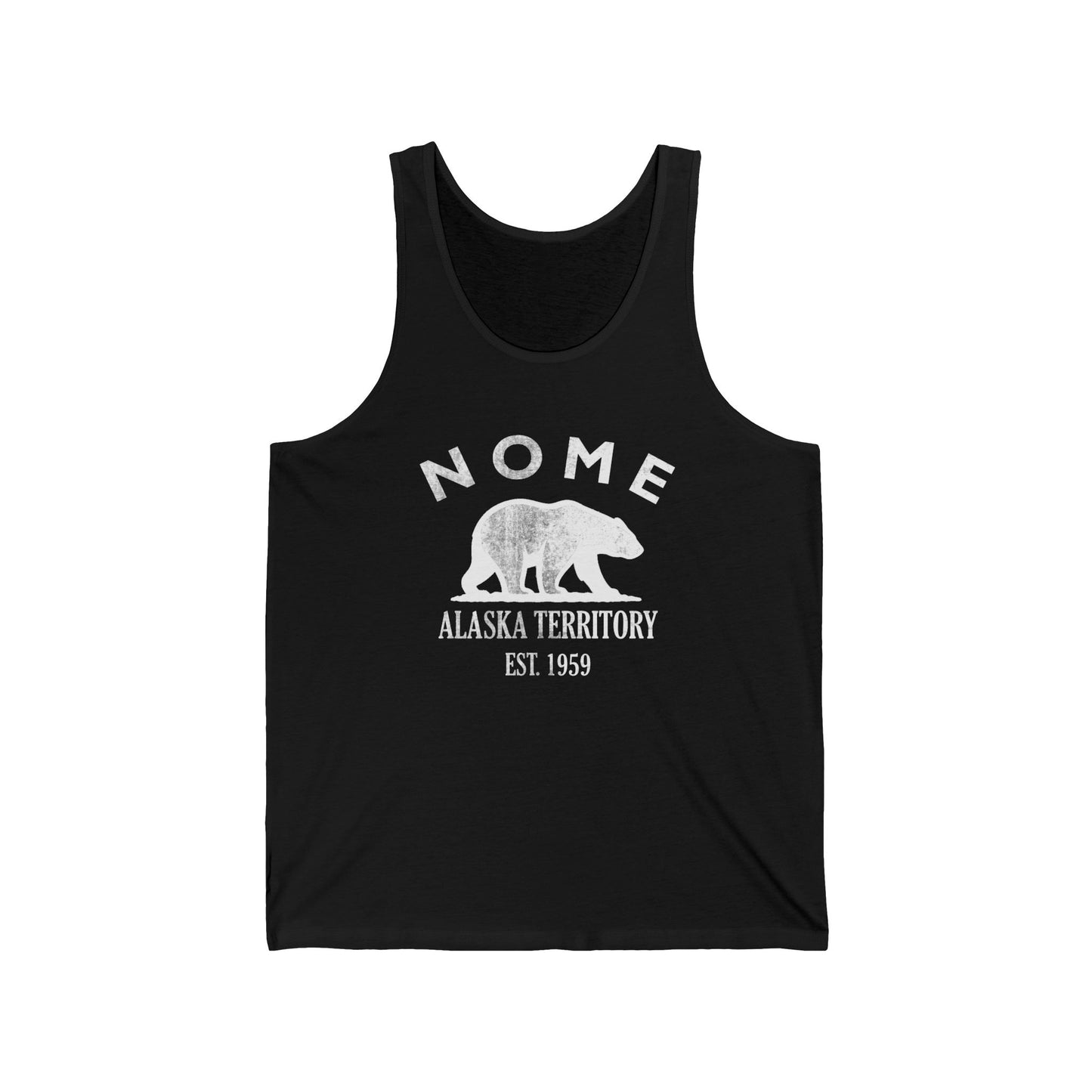
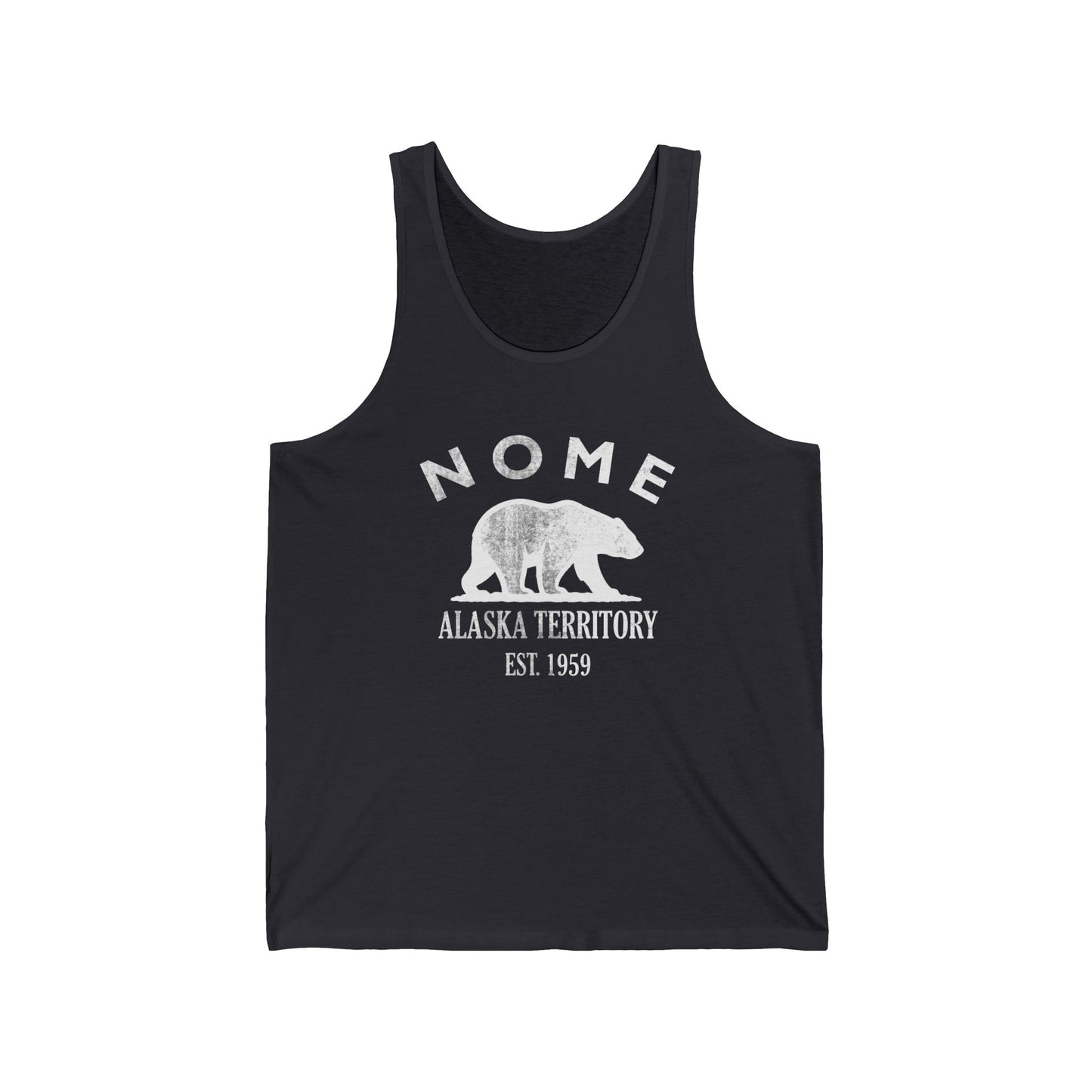
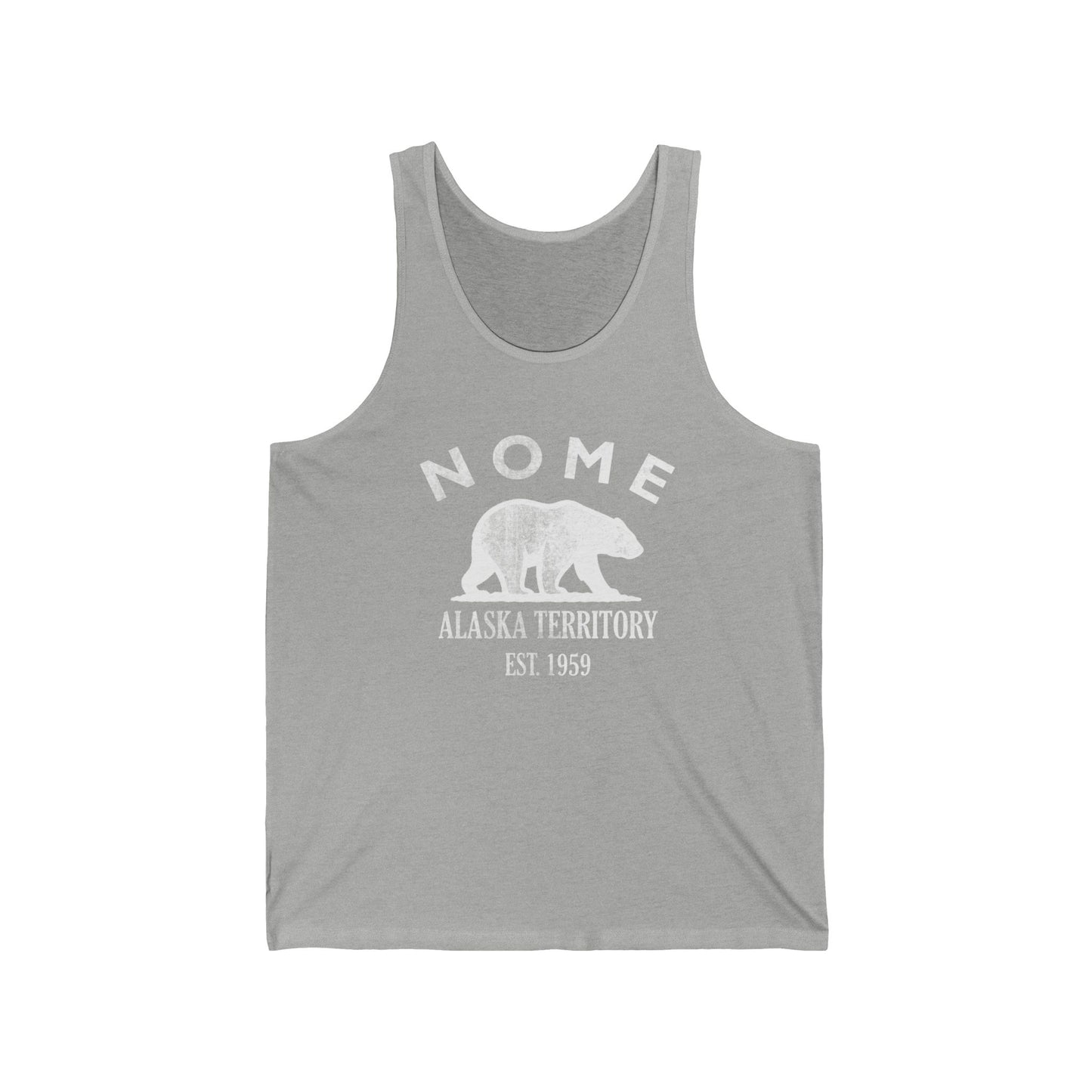
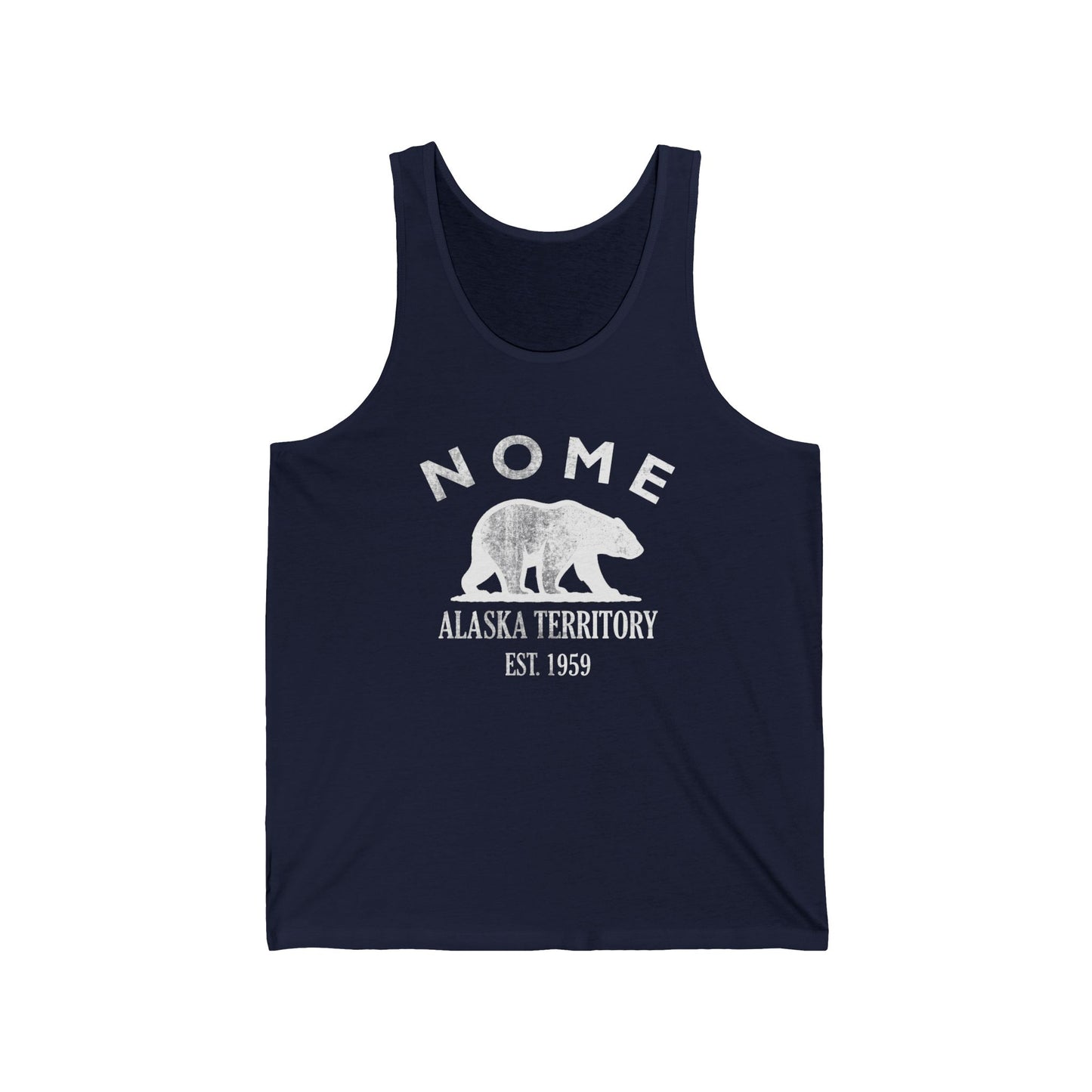
Our Nome logo carries Alaska’s distressed bear over “1959,” the year of statehood — the shared retro emblem of every Merlin Classics Alaska town. Printed in worn black-and-white that recalls a crate stamp or an outfitter’s mark, the bear is the state in shorthand: rugged, patient, at home in hard country. What makes this one Nome is everything around it — the beach that paid in gold, the dog teams, the Bering Sea at the door, and Siberia over the horizon.
The Iñupiat were here first, and they are here still. The coast around Sitŋasuaq — the Iñupiaq name for the Nome area — had been fished and hunted for centuries before any prospector arrived, part of a network of Seward Peninsula communities living by salmon, seal, walrus, and caribou. Roughly half of Nome’s people today are Alaska Native, and the town remains a hub for the surrounding Iñupiat villages of the region. Whatever gold built here, the deeper story of this coast is continuity — a homeland that long predates the stampede and outlasts it.
Why People Visit Nome Alaska
Nome combines gold-rush history, sled-dog tradition, Bering Strait geography, and open tundra in a way no other town can. Visitors come for race week in March, for the beach where the last great American gold rush ended, for muskox and wildflowers in the long summer light, for the aurora, and for the plain fact that the road runs out here. Remote, resilient, unforgettable.
