


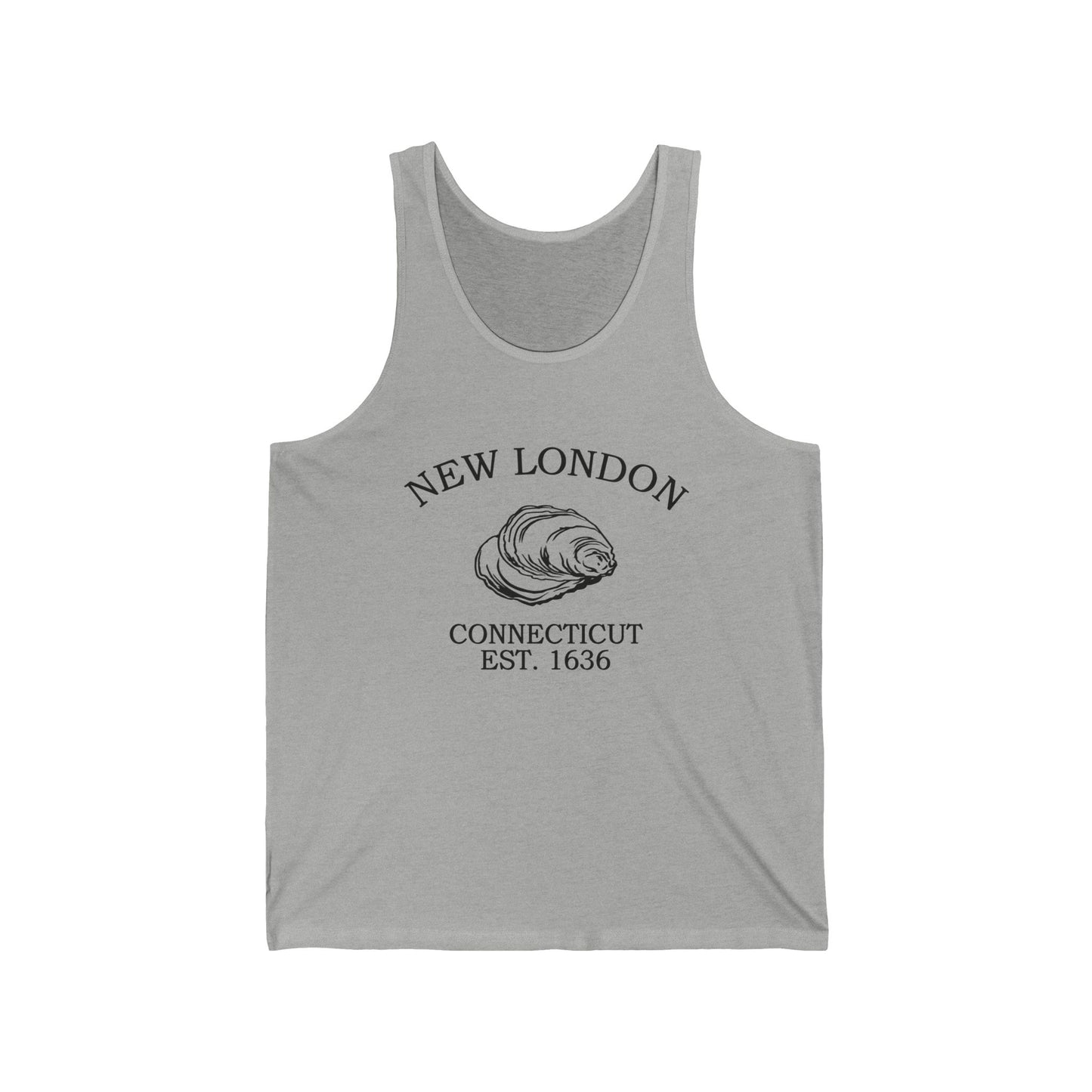
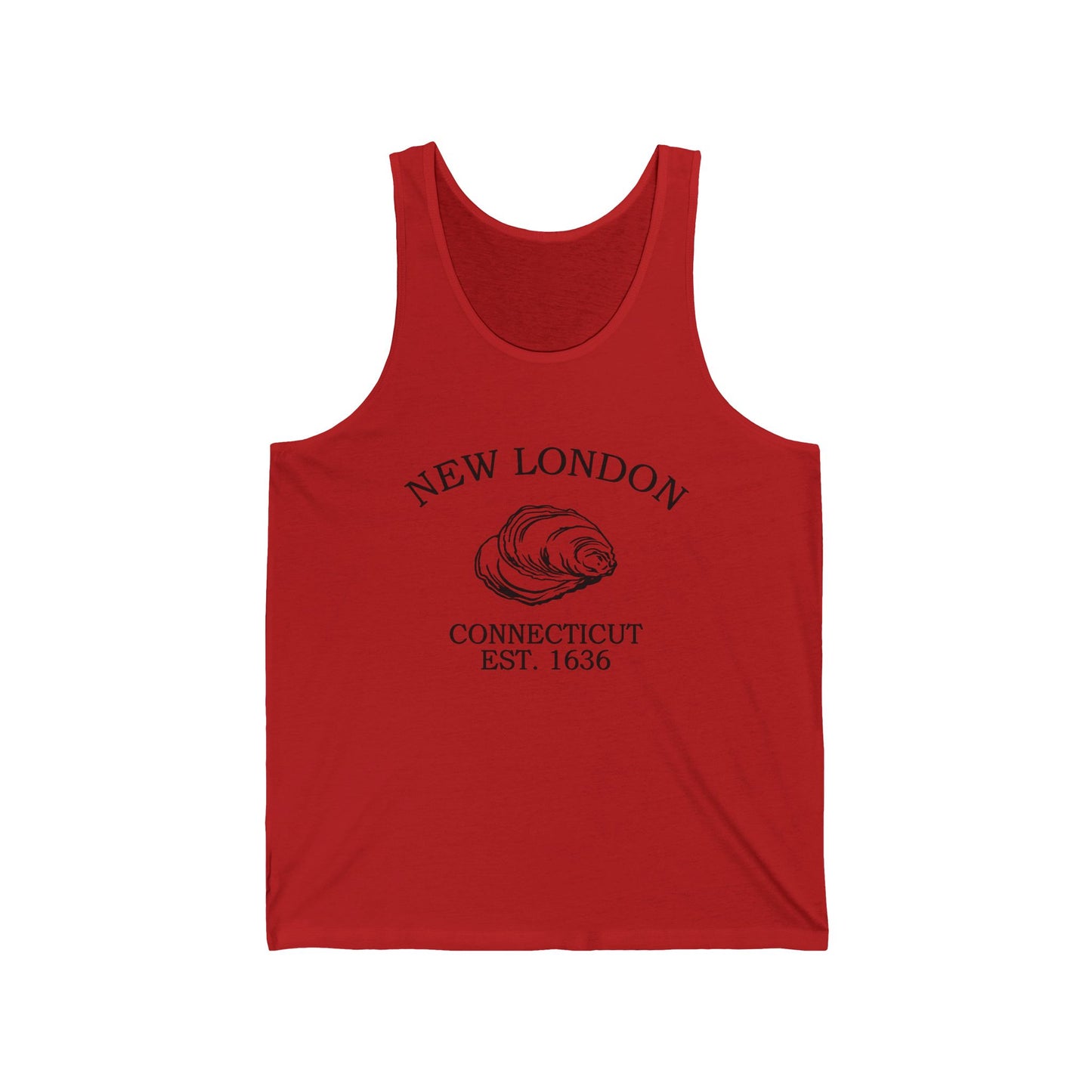
New London keeps two seafaring identities at once. There is the whaling city — Whale Oil Row, the old harbor, the 1833 Custom House, and the lights that still guide ships in: New London Harbor Light, raised in 1801 and the oldest and tallest lighthouse in Connecticut, and the offshore Ledge Light of 1909, square on its house out in the channel. And there is the Coast Guard city — the academy on the Thames, the cadets, and the Eagle standing out under sail, one of the last great square-riggers flying the American flag. Between them runs the Thames itself, with the ferries pulling out for Orient Point and Block Island, the Amtrak trains along the waterfront, and the working harbor that has defined the place since 1646.
The water came first. The Pequot people lived and fished at the mouth of the Thames, and the settlement John Winthrop the Younger began here in 1646 was called Pequot until it was renamed New London in 1658 — for the city in England, on a river the colonists renamed the Thames to match. With one of the best deep-water harbors on the coast, New London became a shipbuilding and shipping town, and in the Revolution a base for privateers who captured hundreds of British vessels. That made it a target: on September 6, 1781, a British force led by the turncoat Benedict Arnold — born just up the river in Norwich — burned much of the city and stormed Fort Griswold across the Thames in Groton. New London rebuilt; chartered as a city in 1784, it turned back to the sea.
Why People Visit New London Connecticut
- Visit the U.S. Coast Guard Academy and, when she's in port, the barque Eagle.
- Tour Fort Trumbull State Park, the granite fort with harbor views and coastal-defense exhibits.
- See New London Harbor Light — the oldest lighthouse in Connecticut — and the offshore New London Ledge Light.
- Walk Whale Oil Row and the historic downtown around Bank Street and the 1833 Custom House.
- Spend a summer day at Ocean Beach Park, or catch a show at the Garde Arts Center.
- Ride the Cross Sound Ferry across to Orient Point, or sail for Block Island.
