


The harbor was long the homeland of the Quinnipiac people. In 1638 a company of English Puritans led by the Reverend John Davenport and the merchant Theophilus Eaton founded New Haven, and the surveyor John Brockett laid out its nine-square grid around the Green — the first planned town in America. For a time it was its own colony, a strict Puritan theocracy, until it was folded into Connecticut in 1664 and later shared the role of state capital with Hartford. The elms its settlers planted arched over the streets and gave the city its enduring name, and Yale College arrived in 1716. Out on the water, the harbor made New Haven a trading and oystering port, and in the nineteenth century a center of manufacturing.
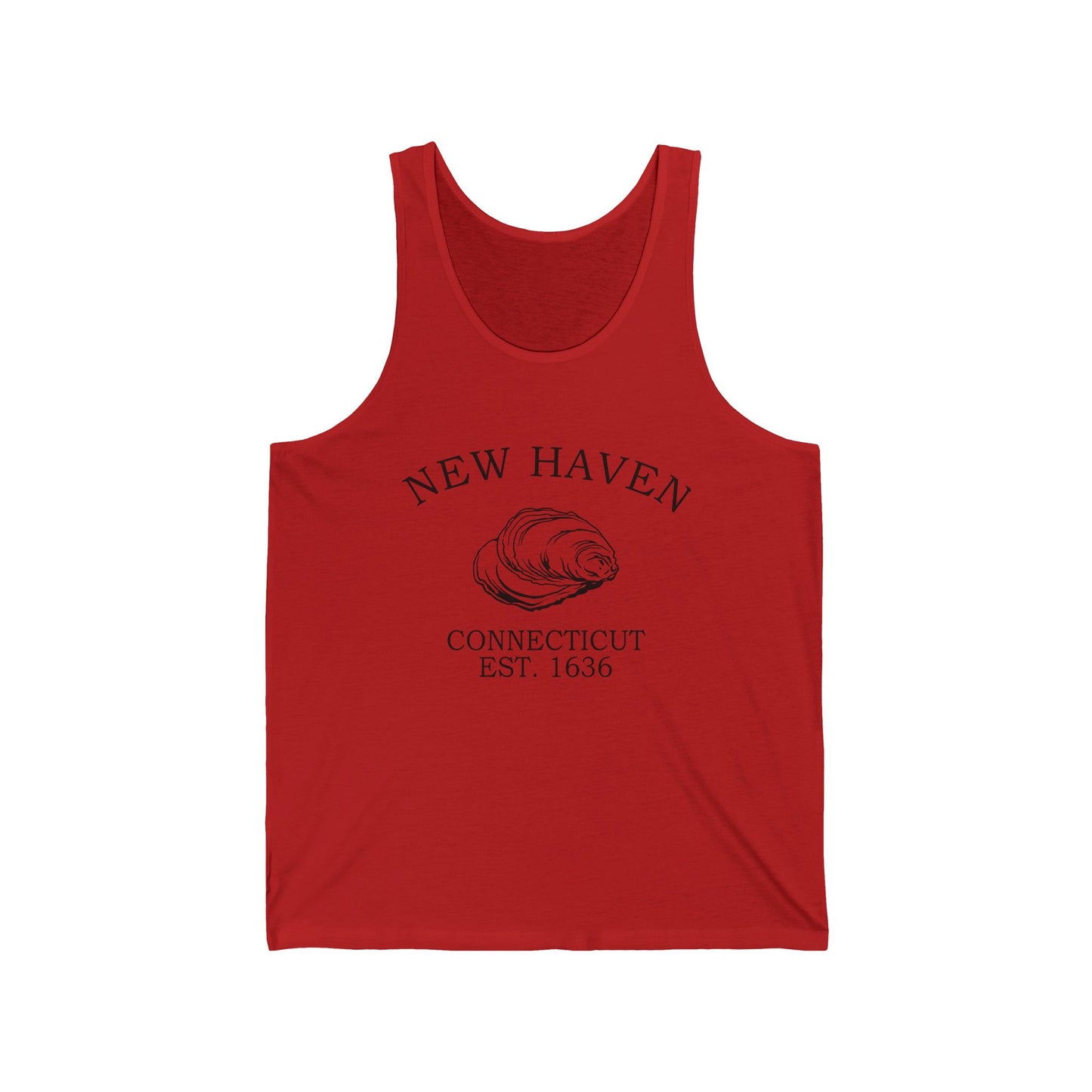
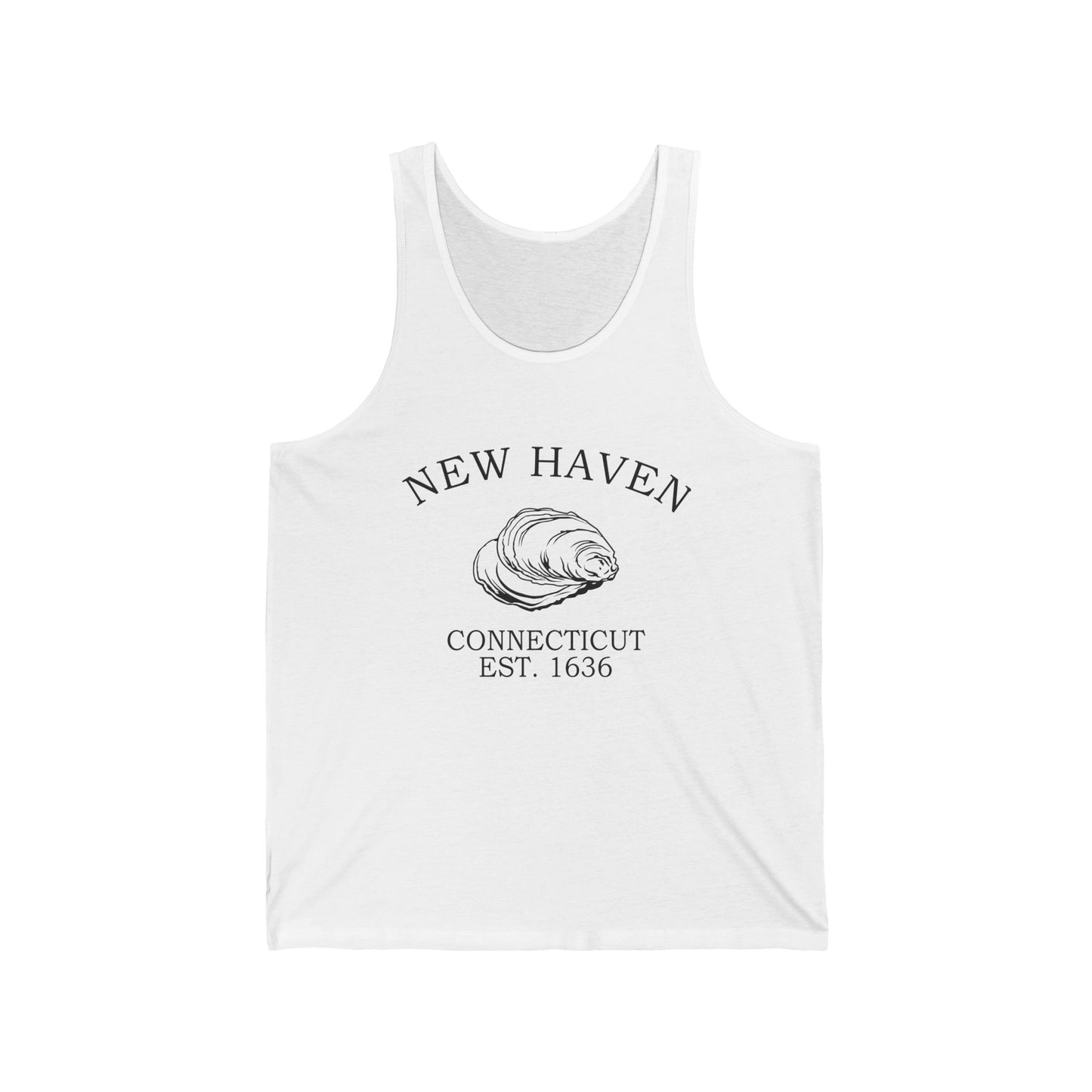
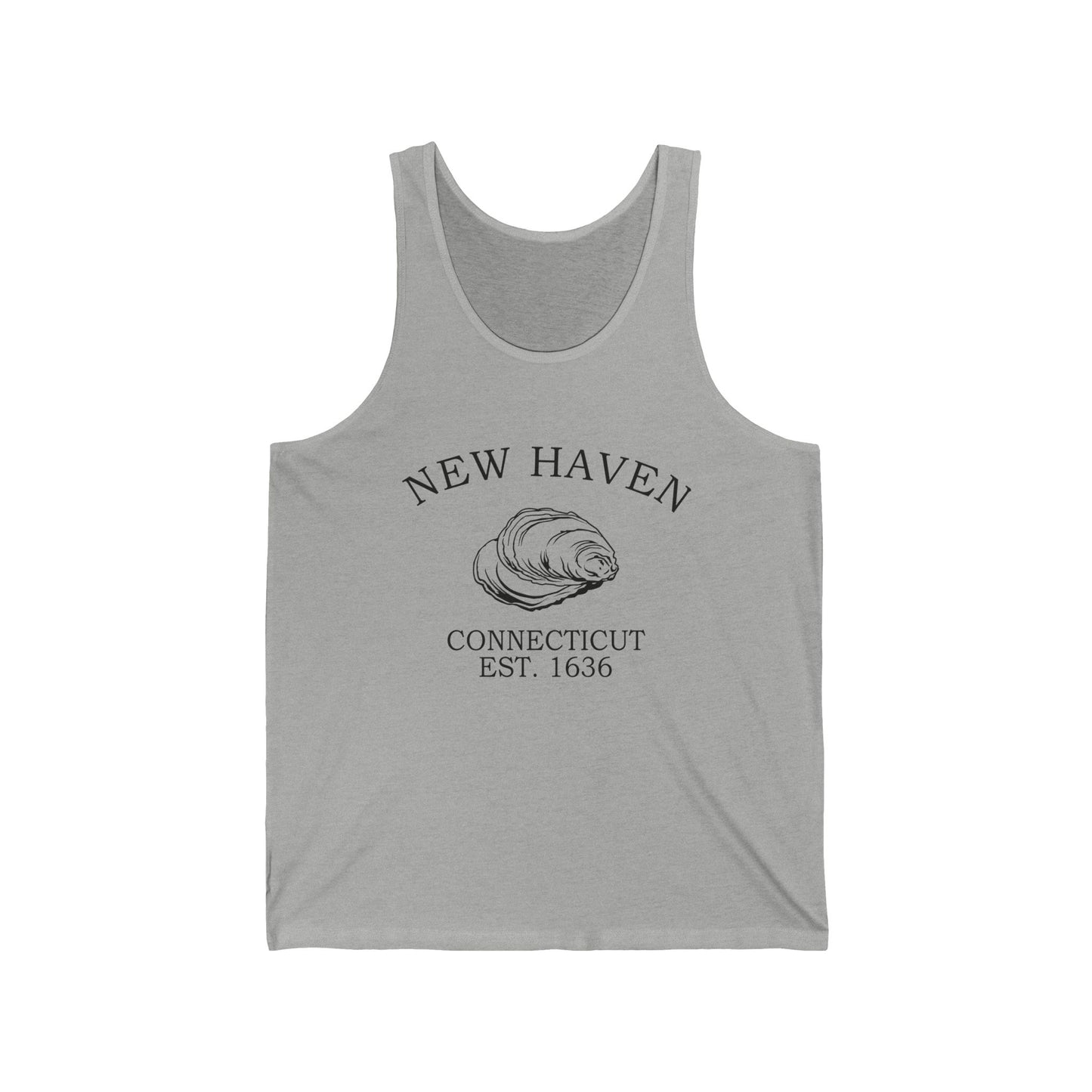
Our New Haven logo carries the same emblem every Merlin Classics Connecticut place wears — a Long Island Sound oyster, above "New Haven, Connecticut, Est. 1636," rendered in hand-printed black and white with a worn, vintage feel. The oyster is Connecticut's shoreline mark, the through-line that ties New Haven to every other Connecticut place we make — a nod to the Sound that built these towns. What makes this one New Haven is everything around it: the Elm City, the nine-square Green, the regicides' cave on West Rock. On a tee or a cap it reads less like a souvenir and more like a piece of the Connecticut shore — Est. 1636, worn plain.
Why People Visit New Haven Connecticut
- Walk the New Haven Green, the 1638 central common of the nine-square plan, framed by its three historic churches.
- Hike West Rock to Judges' Cave, the regicides' hideout, along the Regicides Trail.
- Climb East Rock Park for the classic view over the city and the harbor.
- Visit Lighthouse Point Park for the 1847 Five Mile Point Light, the historic carousel, and Atlantic-flyway birding.
- Stroll Wooster Square for spring cherry blossoms and brownstones.
- See the free downtown museums — the Yale University Art Gallery and the Peabody Museum.
- Try a New Haven-style apizza, the city's signature charred, coal-fired pizza.
