Skip to product information
1 of 5

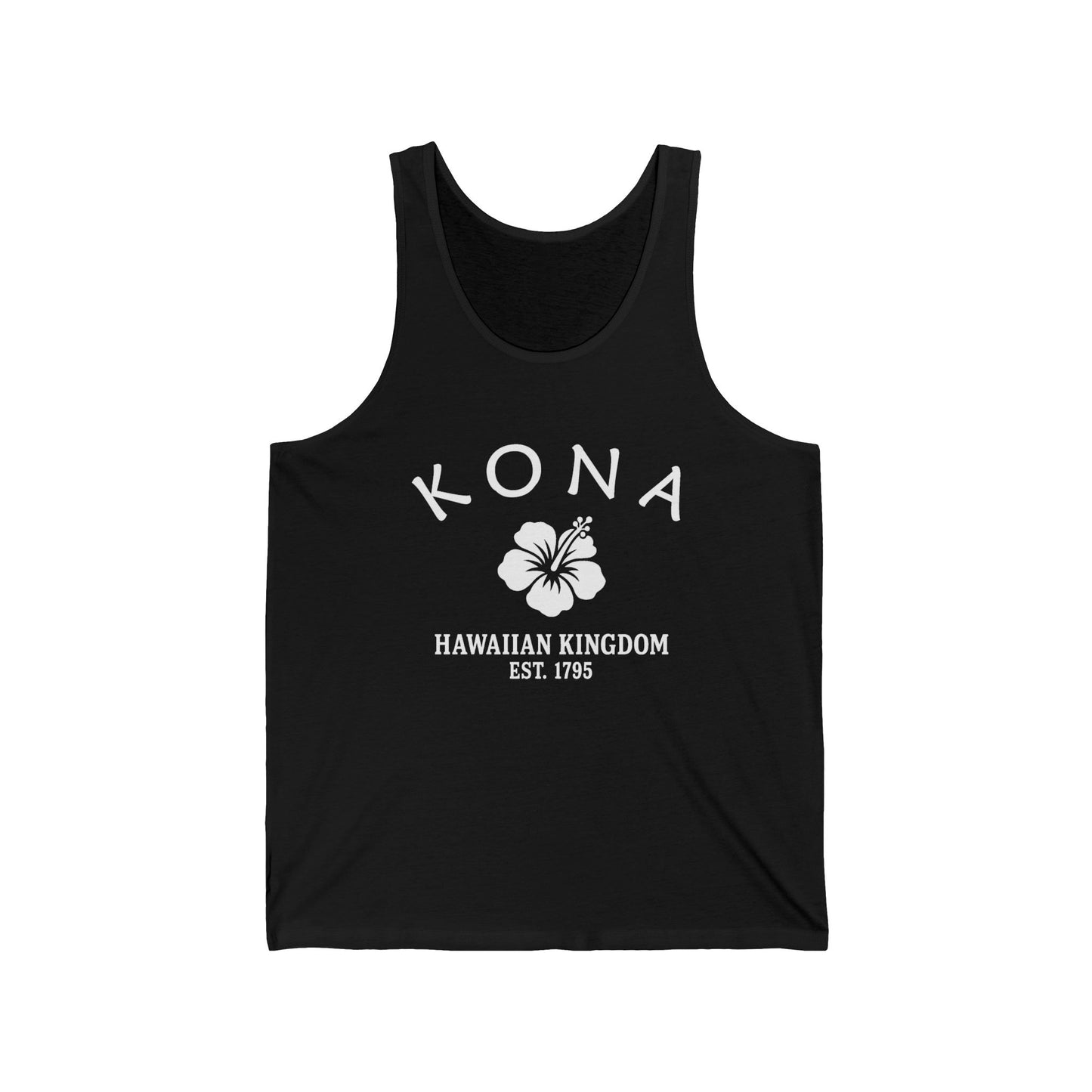
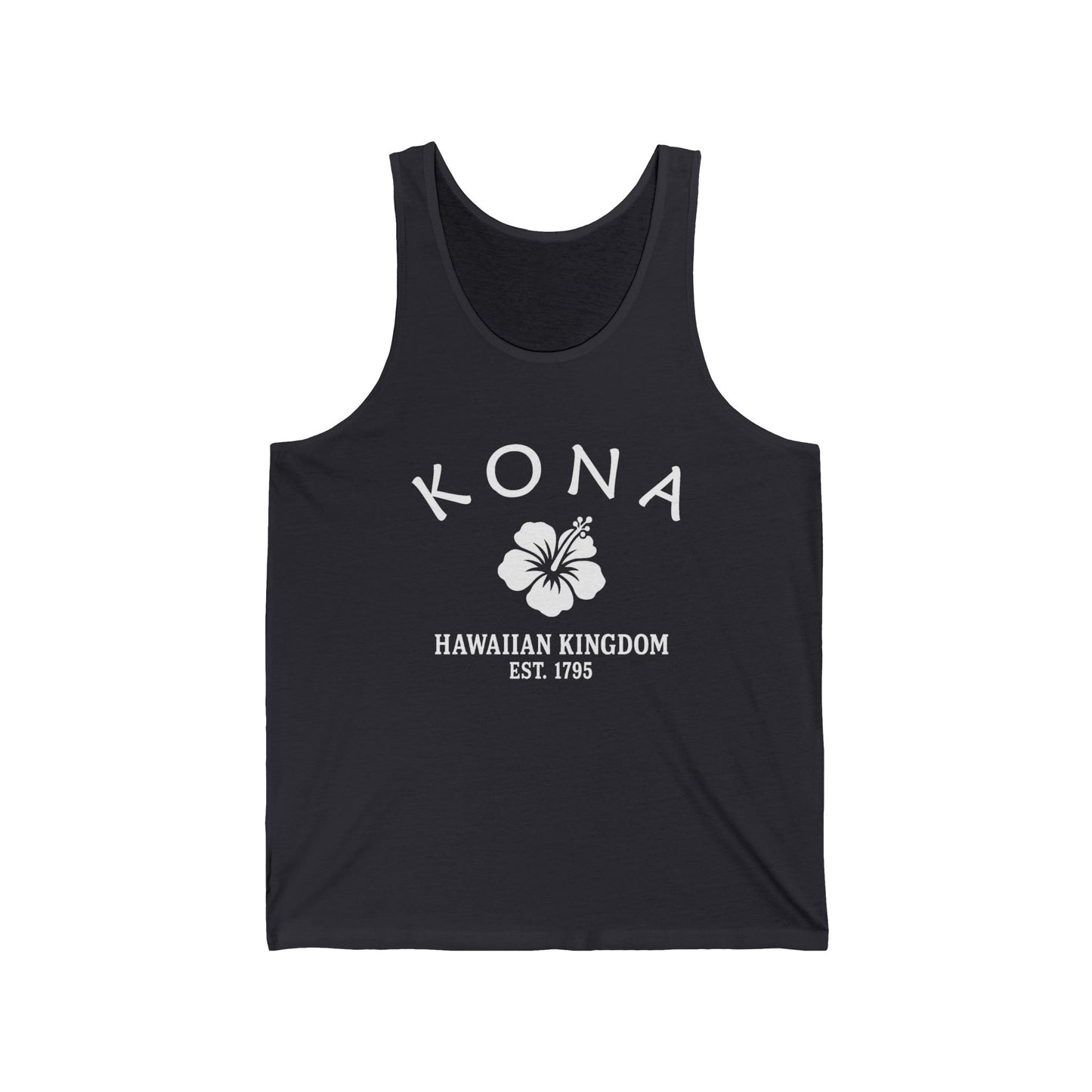
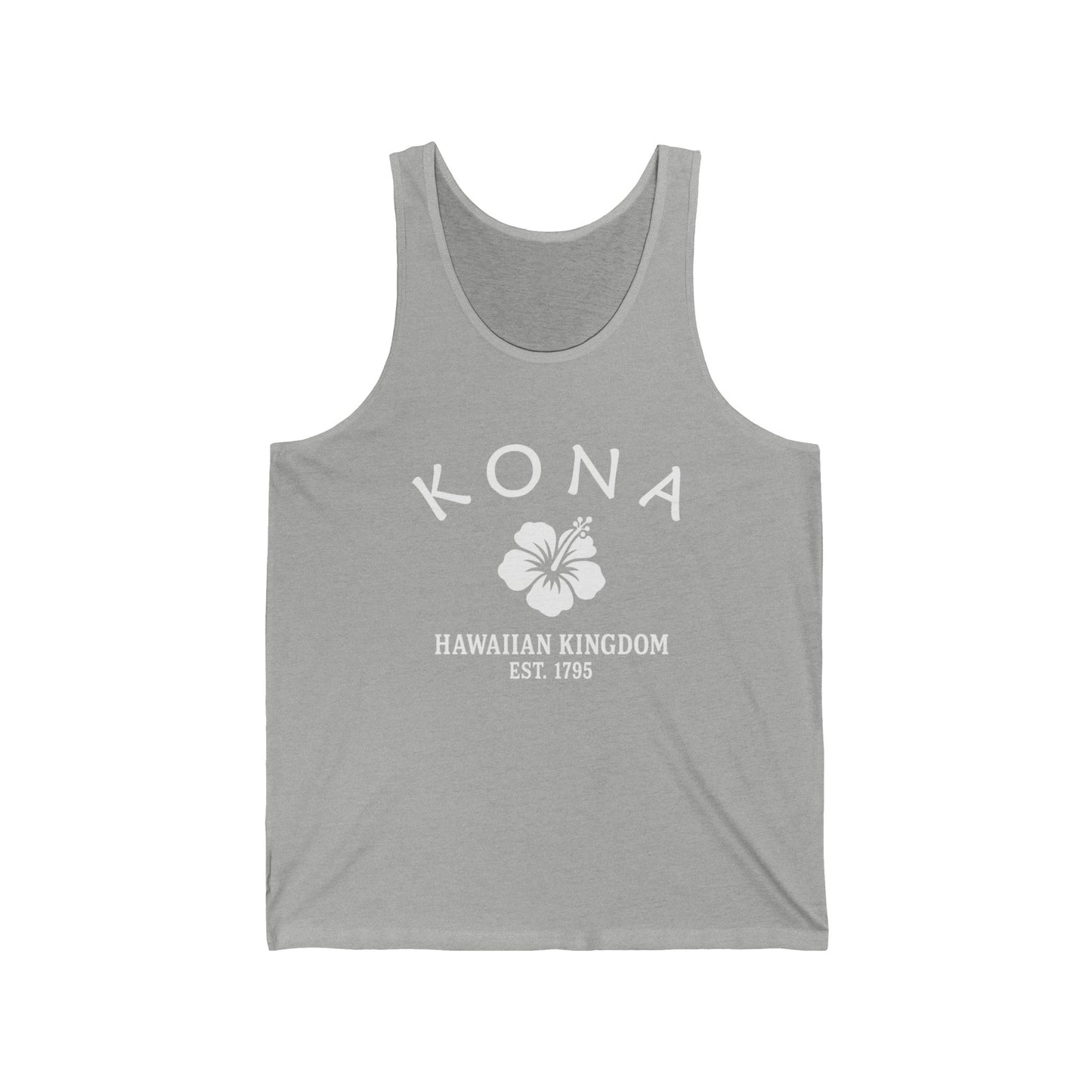
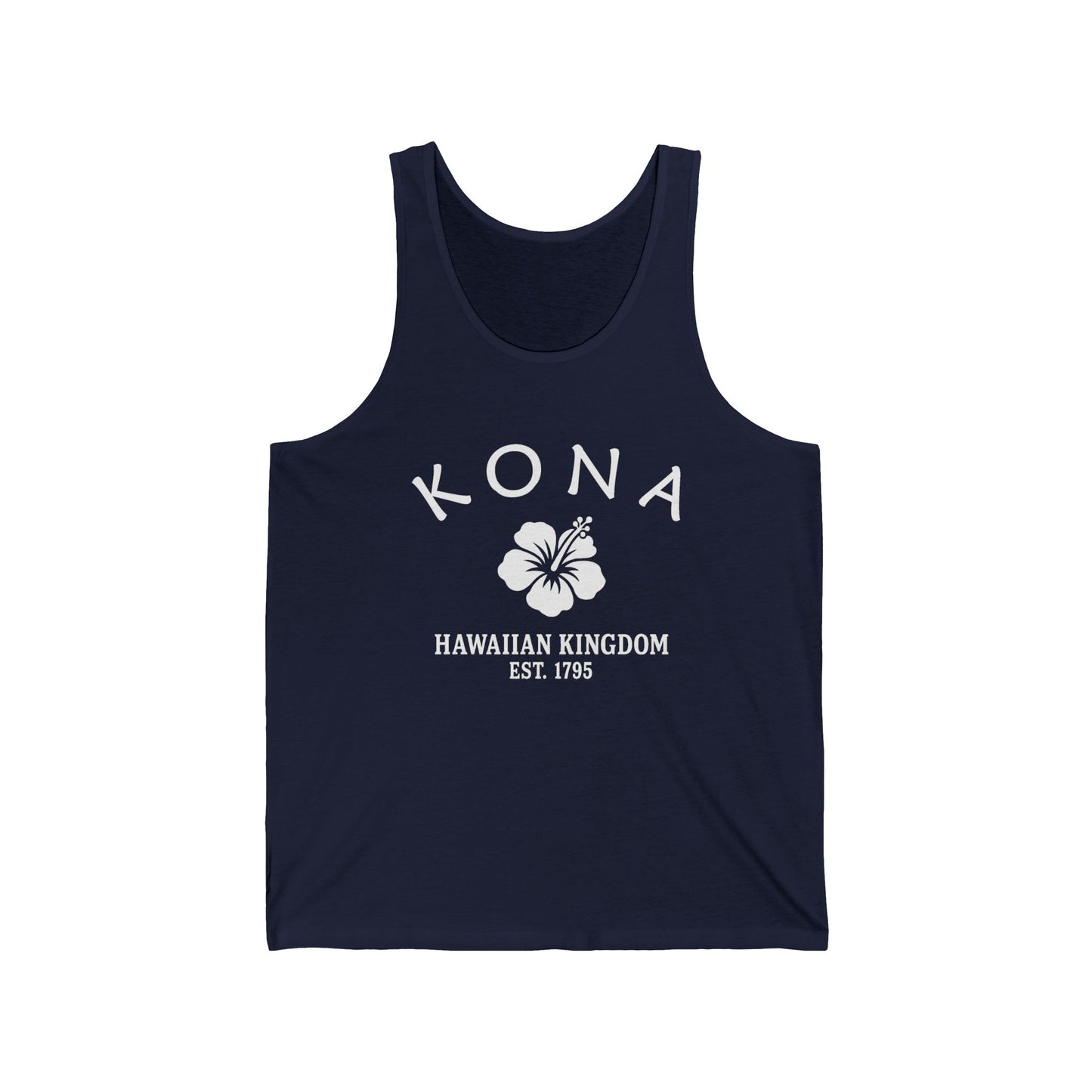
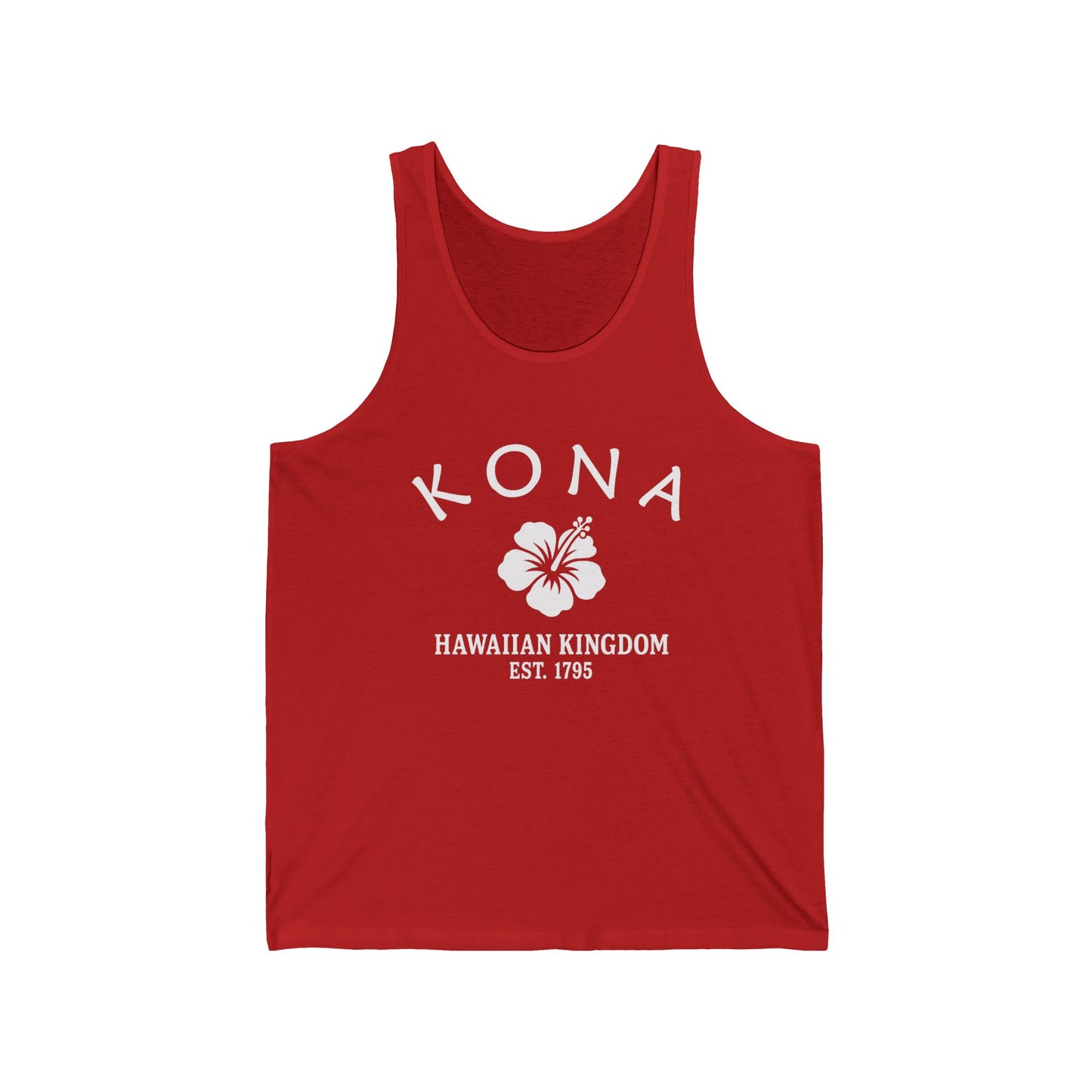
Kona Hawaii Vintage Retro Unisex Cotton Jersey Tank Top - White Logo

Kona Hawaii Vintage Retro Unisex Cotton Jersey Tank Top - White Logo

Regular price $28.00 USD
Regular price Sale price $28.00 USD
Sale
Shipping calculated at checkout.
Size
Color
Quantity
Unisex jersey tank made from lightweight Airlume combed and ring-spun cotton with a retail fit. Side-seam construction and self-fabric binding help it hold shape, with a tear-away label, and it runs true to size for adults. Solid colors are 100% cotton; select heather/prism shades may include cotton–poly or cotton–poly–rayon blends.

View full details

In the nineteenth century, Kona thrived on coffee, cattle, and fishing. By the 1950s and 1960s, tourism expanded, with hotels, festivals, and neighborhoods growing along the coast. Coffee farms endured, linking heritage to economy. Its timeline reflects Hawaii's adaptability: Indigenous subsistence and modern tourism balanced. Kona's mid-century decades highlighted cultural pride, festivals, and resilience. The story demonstrates Hawaii's broader character: survival and adaptation. Kona preserved coffee traditions while embracing suburban growth, showing how heritage and modernization coexisted, making Kona both a sacred cultural hub and tourist destination in Hawaii's layered identity.

Where Kamehameha I lived and died — the Hawaiian Kingdom capital, 1812-1819. By 1810, King Kamehameha I had united the Hawaiian Islands under one rule for the first time in their history. In 1812, with the kingdom consolidated, he came home to Kona. He settled at Kamakahonu beside Ahuʻena Heiau at the north end of Kailua Bay — a royal compound on the shoreline he had known since boyhood — and ruled the unified Kingdom of Hawaiʻi from there for the next seven years. He died at Kamakahonu on May 8, 1819. By traditional Hawaiian custom, his bones were hidden in the cliffs of Kona by trusted attendants so that no enemy could ever claim his mana. They were never recovered. Six months later, his son Kamehameha II — Liholiho — and his stepmother Queen Kaʻahumanu broke the ancient ʻai kapu by sitting and eating with women at a feast in Kailua-Kona. The act ended the traditional Hawaiian religion overnight. In March 1820, when the first American missionaries arrived aboard the brig Thaddeus after a 163-day voyage from Boston, they stepped ashore into a kingdom that had just dismantled its own ancient order. They were led by Asa and Lucy Thurston and accompanied by Henry ʻŌpūkahaʻia's translation work. The congregation they founded that summer at Kailua-Kona — Mokuʻaikaua — is the oldest Christian church in Hawaiʻi; the stone-and-coral-mortar building still standing on Aliʻi Drive was completed in 1837. The next year, Governor John Adams Kuakini — half-brother to Kaʻahumanu — finished Huliheʻe Palace next door. In 1874, King David Kalākaua bought Huliheʻe and made it a royal retreat. Queen Kapiʻolani was the last royal resident before the palace was sold in 1914 and saved by the Daughters of Hawaiʻi in 1927 as a museum. Today Huliheʻe is one of only three royal palaces in the United States — the other two are ʻIolani and Queen Emma's Summer Palace, both on Oʻahu. The capital moved to Honolulu in 1845. But the first decades of unified Hawaiʻi were governed from this stretch of black-rock coast under Hualālai, and the buildings that anchored that era — the church on the hill, the palace by the pier, the heiau at Kamakahonu — are all still here.

Why People Visit Kona Hawaii

Kona offers culture beside calm ocean days. Visitors enjoy palaces, petroglyphs, and bayfront sidewalks. It is sunny, walkable, and rich with island stories. Travelers find year round appeal in parks, paths, and public spaces. The setting combines natural beauty with accessible neighborhoods and landmarks. History and everyday culture sit side by side in a welcoming way. Visitors can plan relaxed mornings and unhurried afternoons without missing key sights.

Kona Hawaii Merlin Classics retro vintage logo featuring hibiscus motif

Wear Local. Feed Local. Stay Classic.

Product FAQs

How does your sizing work?

Because items are made to order, we can’t accept returns for sizing or color choices. We do accept returns for defects, misprints, or shipping damage. Please review the detailed photos and descriptions before purchasing. Women’s fitted tees run small; if you prefer a looser fit, consider sizing up.

How do I send gifts?

All items ship without prices and include a simple packing slip for easy gifting. Enter the recipient’s shipping address and your billing address at checkout. Use your contact info to receive tracking updates. Orders typically arrive within 6–11 business days—please allow extra time for time-sensitive gifts.

How do I care for my item?

For apparel: wash cold, inside-out, with like colors; avoid bleach and high heat; tumble dry low or hang dry. For embroidery, iron inside-out to protect the stitching. See specific care instructions in product descriptions and also follow general best practices in caring for your items for long term enjoyment.

How are items made and when will they arrive?

We make each item on demand using premium blanks, embroidery, and soft-hand prints. Production usually takes 2–5 business days (excluding weekends and holidays). You’ll receive tracking once shipped. We currently ship to U.S. addresses via USPS, UPS, or FedEx. Most orders arrive within 6–11 business days.

What’s the return/exchange policy?

We accept returns for defects, misprints, or damage on arrival. Report issues within 14 days with photos and your order number, and we’ll replace or refund. Size or color changes aren’t supported after purchase, so please consult size charts before ordering if you are at all unsure.

Who are we?

Merlin Classics is a volunteer-run, AI-assisted apparel project celebrating timeless local style. Every item is made to order, and profits (revenue minus external product/marketing cost) support hunger-relief programs in the communities our collections spotlight. Classic looks, real local impact—every purchase helps.