


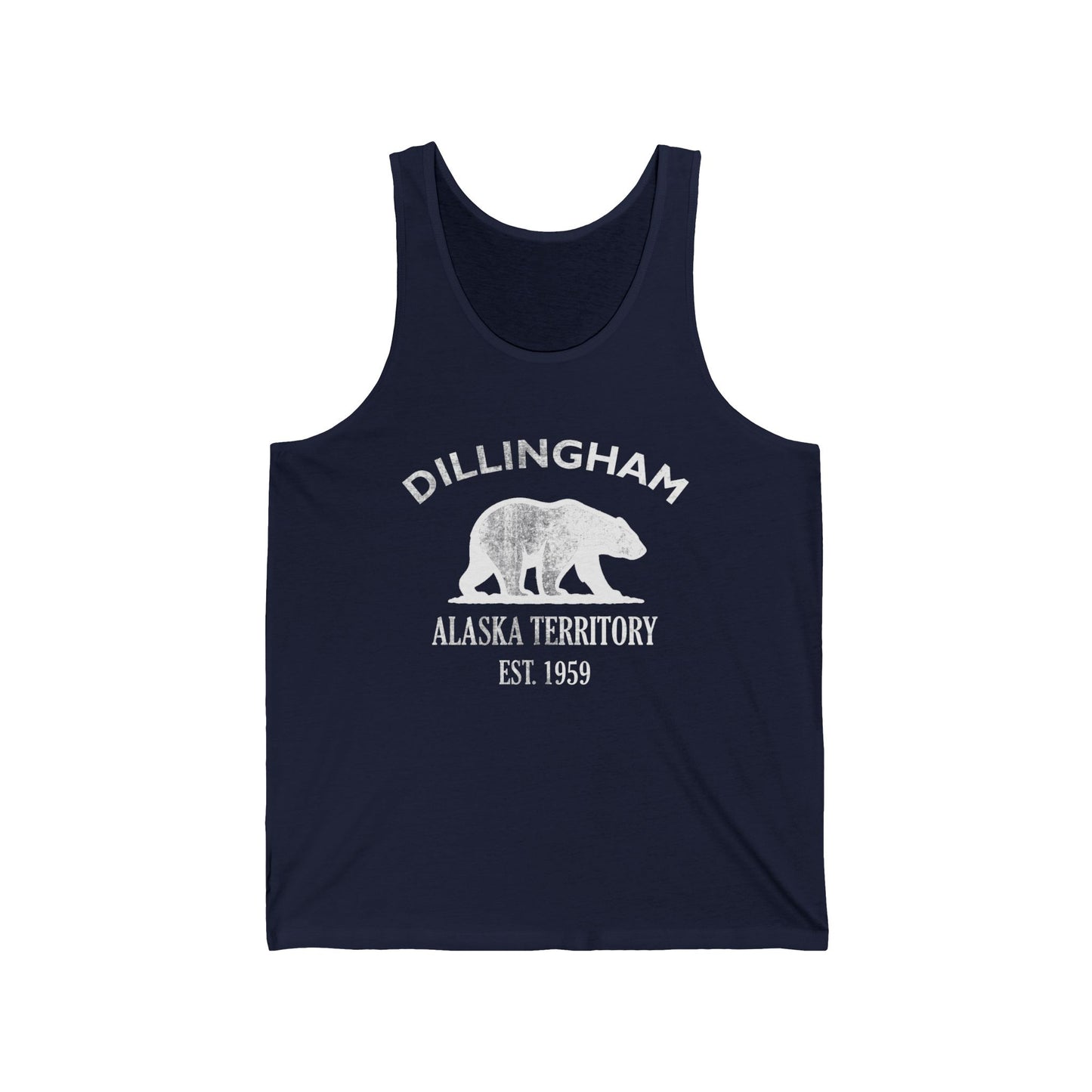
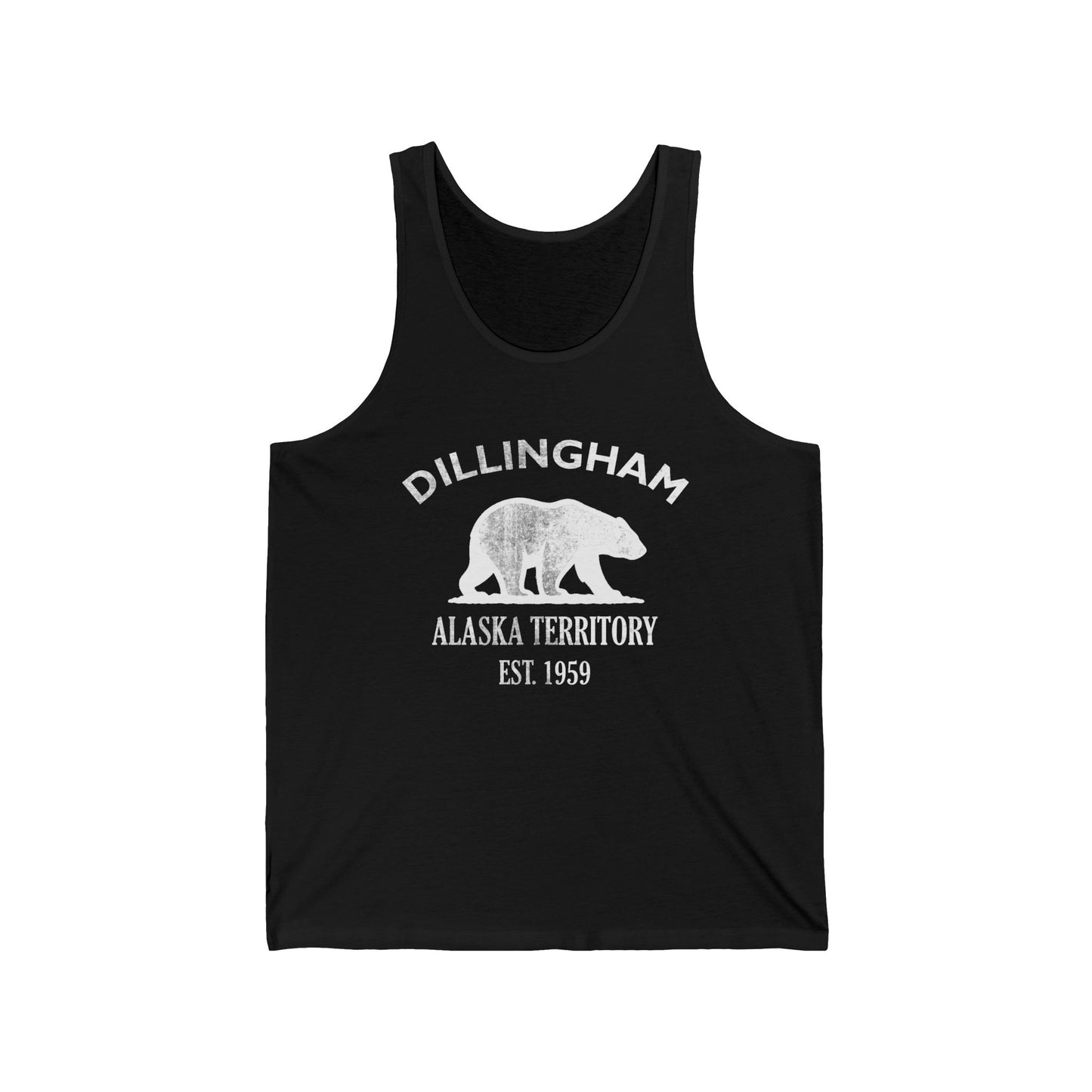
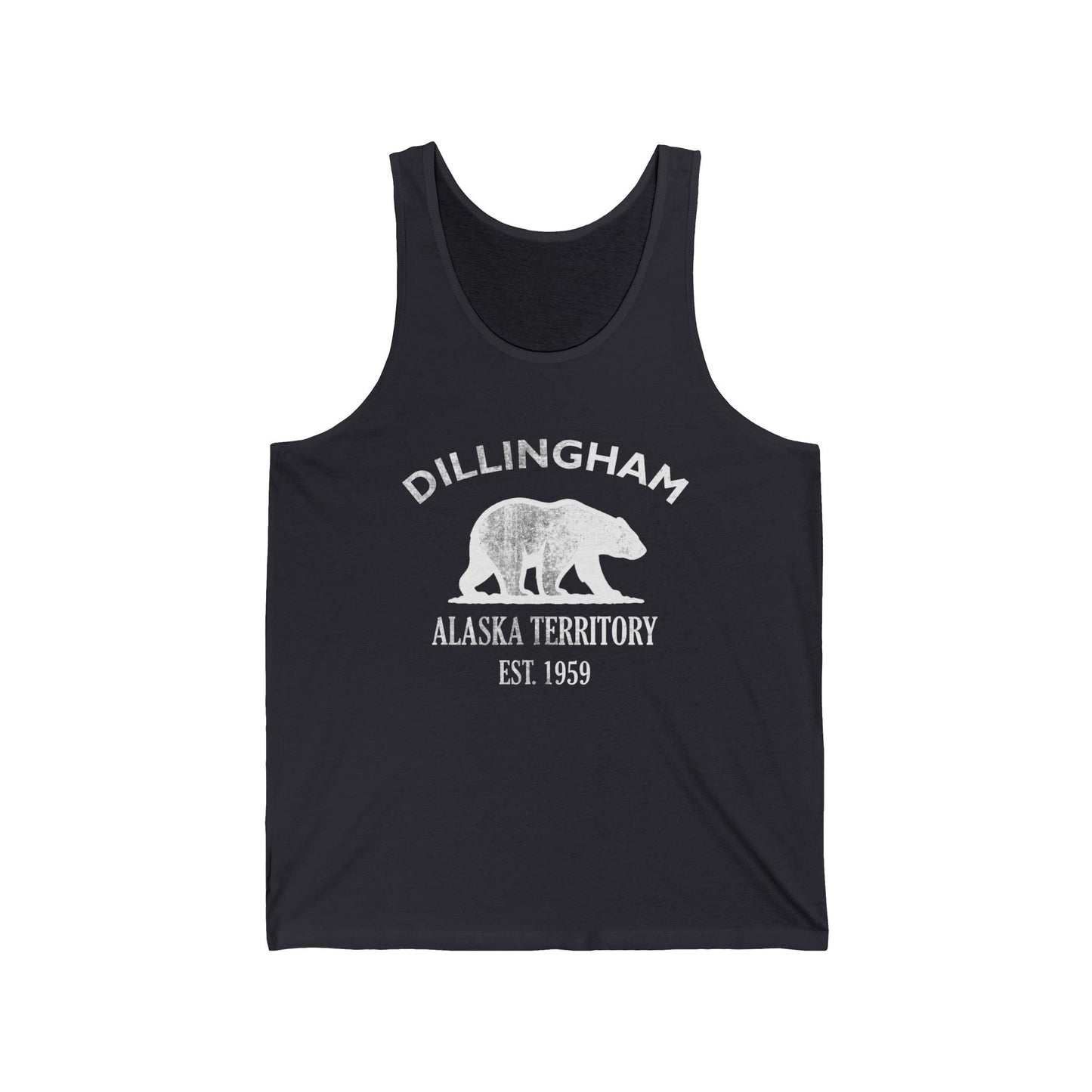
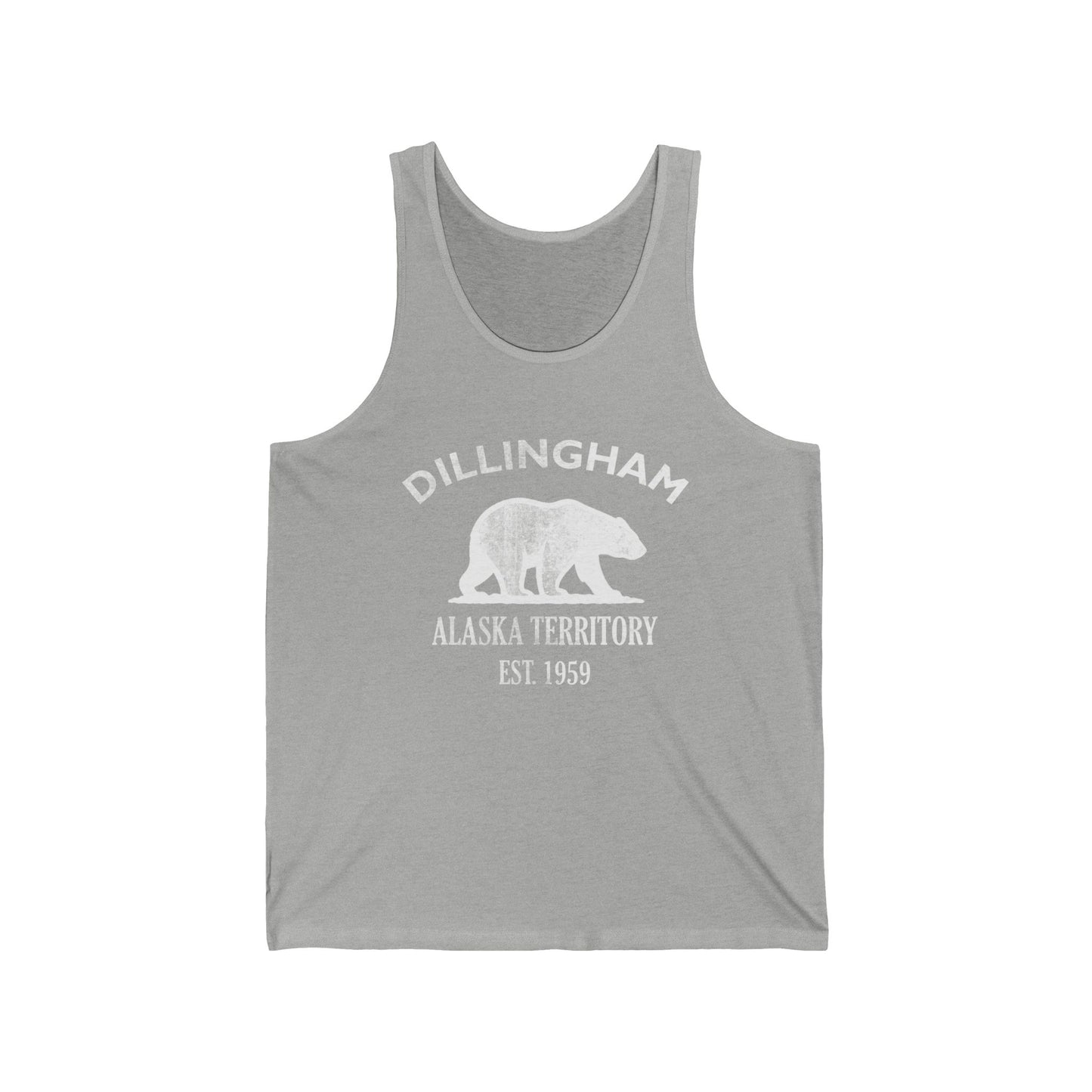
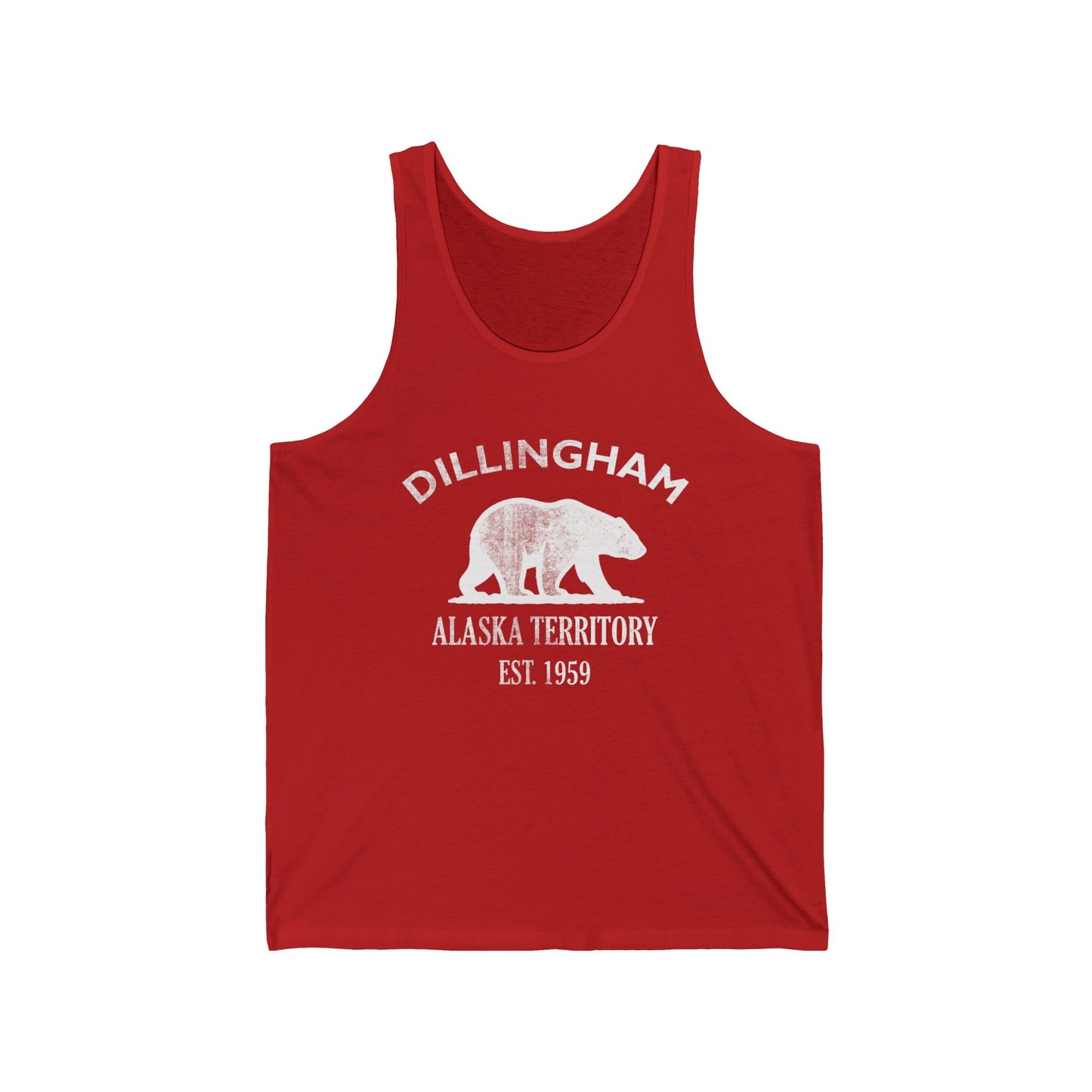
Our Dillingham retro logo uses Alaska’s distressed bear motif, representing strength, resilience, and wilderness identity. The bear reflects both Indigenous reverence and frontier endurance, while “1959” grounds the motif in Alaska’s statehood. Its black-and-white styling is rugged and vintage, resembling crate labels or outfitter branding. The motif bridges Dillingham’s dual identity: Native subsistence and modern fishing industry. On merchandise, it conveys authenticity, pride, and toughness, retro in tone. The bear emblem honors Dillingham’s story: resilience, heritage, and fishing pride. Retro in style, it is a vintage emblem of Alaska’s maritime and frontier endurance.
Dillingham’s stories include salmon runs so abundant they seemed endless, remembered in festivals and myths. Families recall working in canneries, balancing subsistence with cash economy. Myths describe spirits of rivers blessing fishermen or storms testing endurance. Mid-century tales highlight resilience against floods and economic downturns, with residents rebuilding each time. These stories emphasize Dillingham’s identity: tough, resourceful, and proud of fishing traditions. Myth and fact together illustrate resilience and heritage, ensuring Dillingham remained a cultural anchor of Bristol Bay. The lore reflects Alaska’s story: resourceful survival in a wilderness environment shaped by sea and storms.
Why People Visit Dillingham Alaska
Dillingham offers the rare combination of a genuine working fishery and an unmatched wilderness backyard: the regional hub of Bristol Bay, set where the clear Wood River meets the muddy Nushagak at the Yup'ik place called Curyung, the service center of the largest wild sockeye salmon run on Earth, the gateway to Wood-Tikchik State Park — the largest state park in the United States — and the headquarters of the 4.7-million-acre Togiak National Wildlife Refuge. There is no road in; the town is reached by plane or boat, which keeps it unhurried and close to the water. Working town. Working harbor. Salmon country at the edge of the largest state park in the nation.
