



And always there were the parks. Olmsted's Seaside Park, founded in 1864, still curves for two miles along the Sound; Beardsley Park, laid out in 1878, holds Connecticut's only zoo. Add the smaller greens and the city's parkland runs past thirteen hundred acres. From Captain's Cove on the harbor to the beaches at the end of the peninsula, the waterfront stayed public and close at hand, and the Bridgeport–Port Jefferson ferry has crossed the Sound to Long Island since 1883. For a hard-working industrial city, Bridgeport kept an unusual amount of room to breathe.
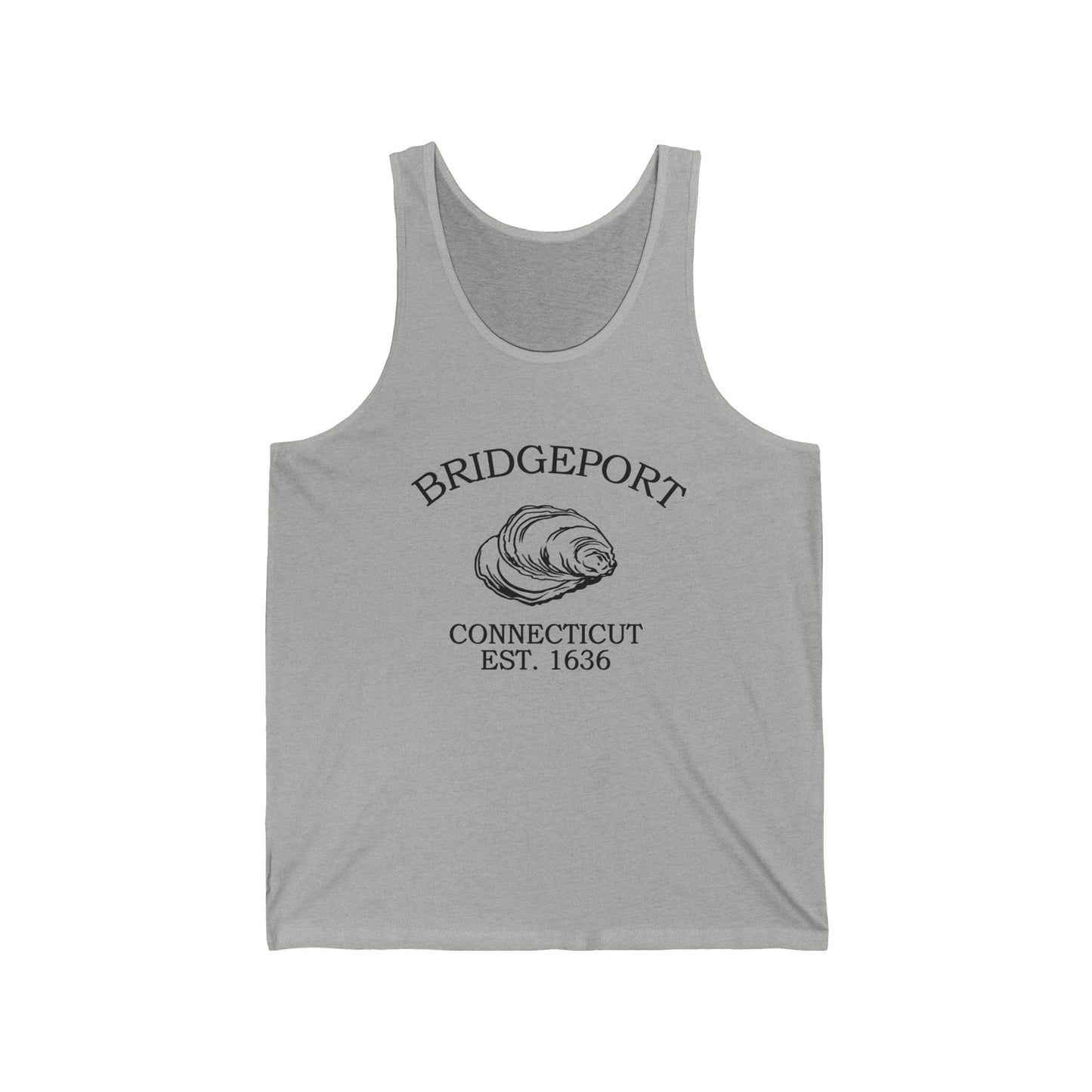
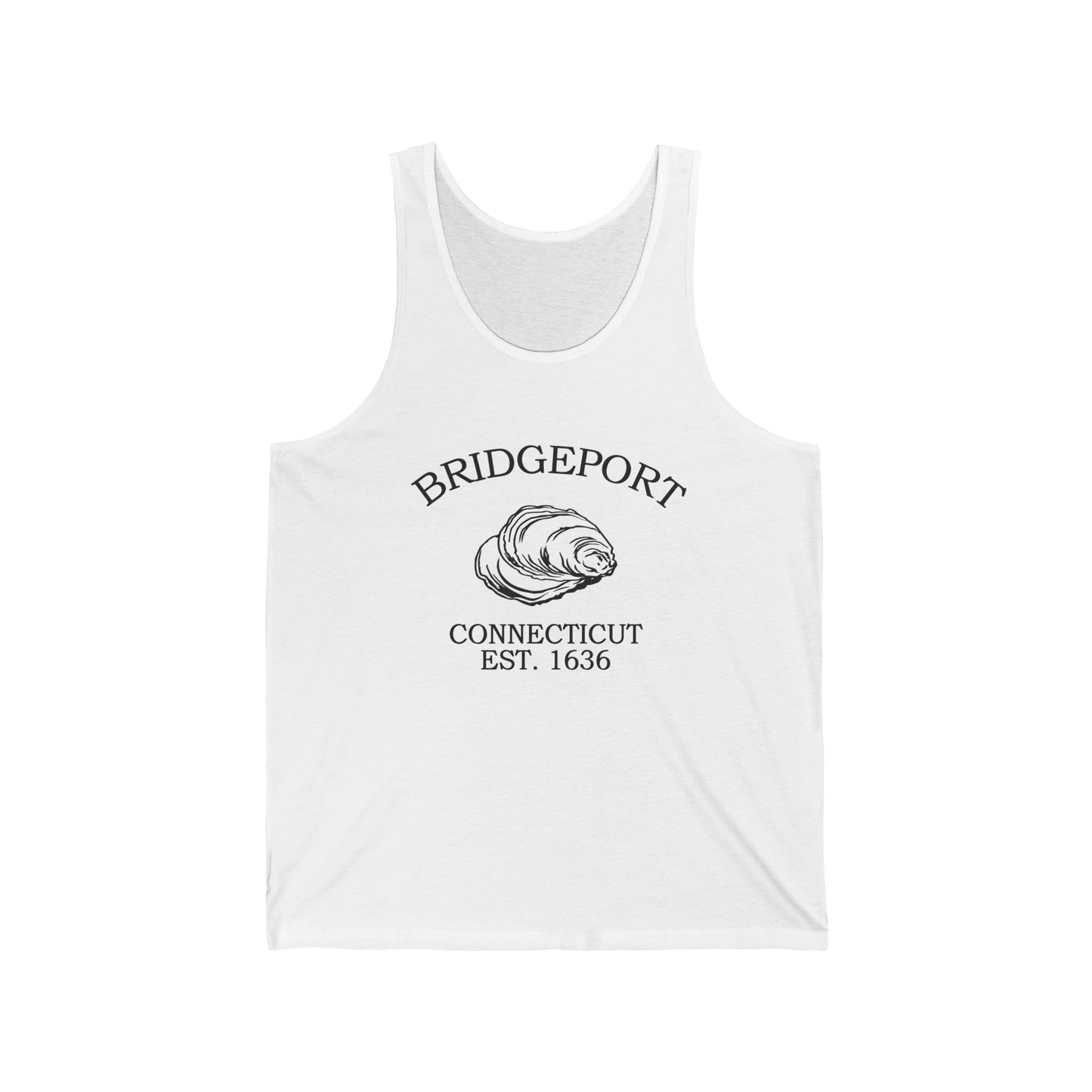
Today Bridgeport is Connecticut's largest and most diverse city, a working harbor town finding new life in its old brick mills and along its public shore. Its days mix park afternoons and zoo mornings with the rhythm of a place that has always made and remade itself, all facing the same Sound the oyster boats once worked. Our Bridgeport designs gather that into wearable form. Wear the history. The Park City still faces the water.
Why People Visit Bridgeport
Bridgeport balances big-city history with shoreline ease. Visitors pair the Barnum story and the downtown blocks with park afternoons, a morning at the zoo, and a ferry ride across the Sound. It is varied, historic, and coastal, with year-round appeal in its parks, paths, and public waterfront. History and everyday culture sit side by side here in a welcoming way.
