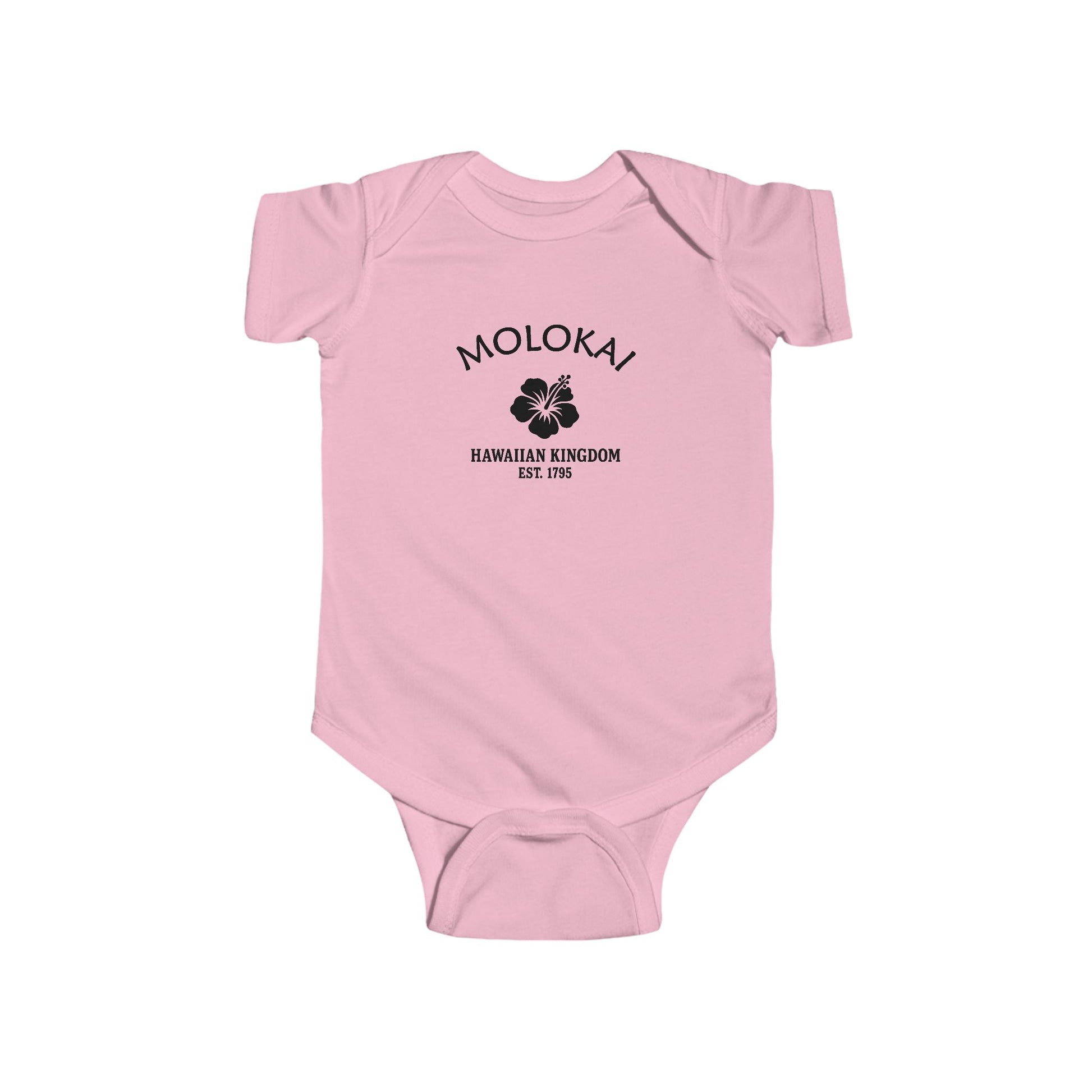
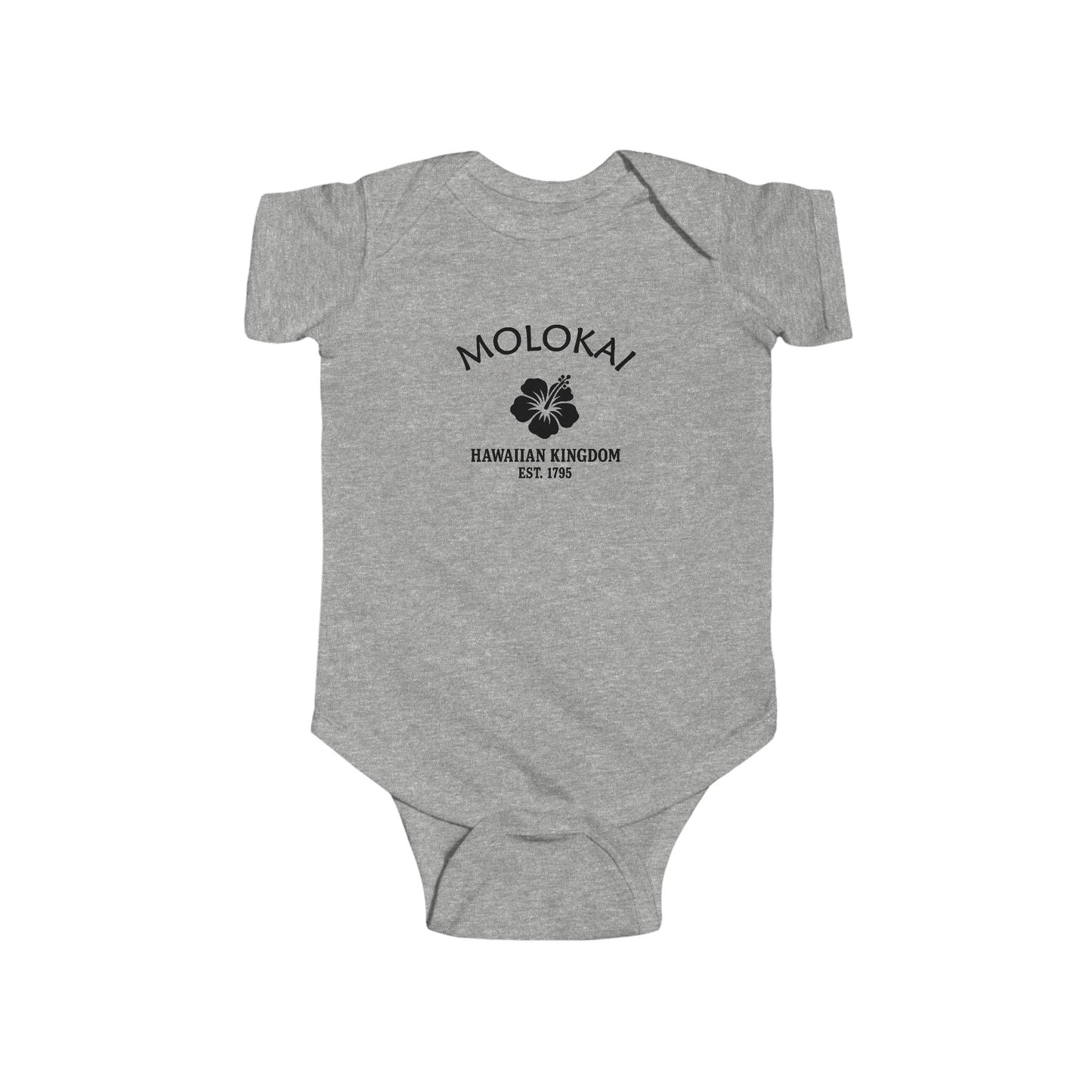
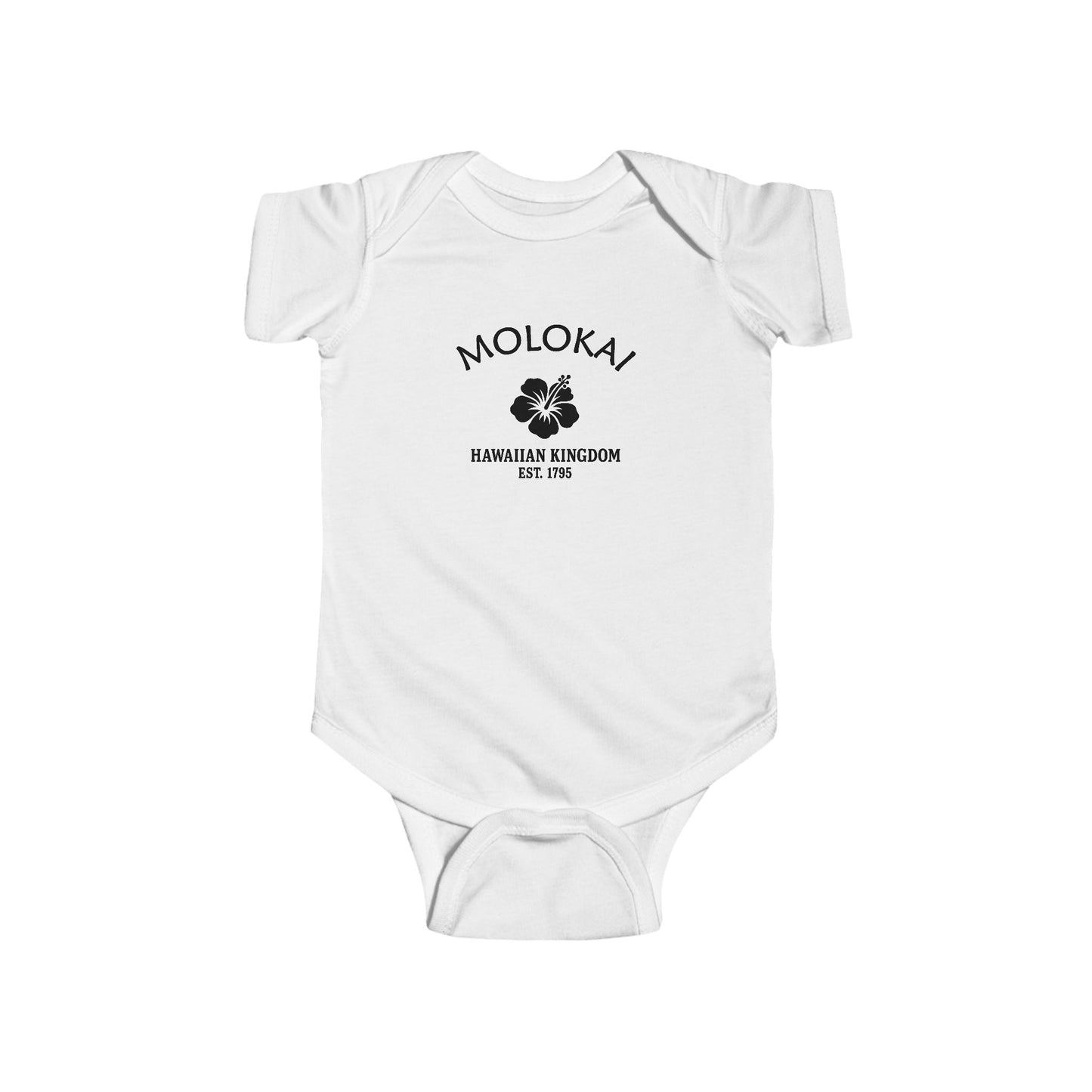
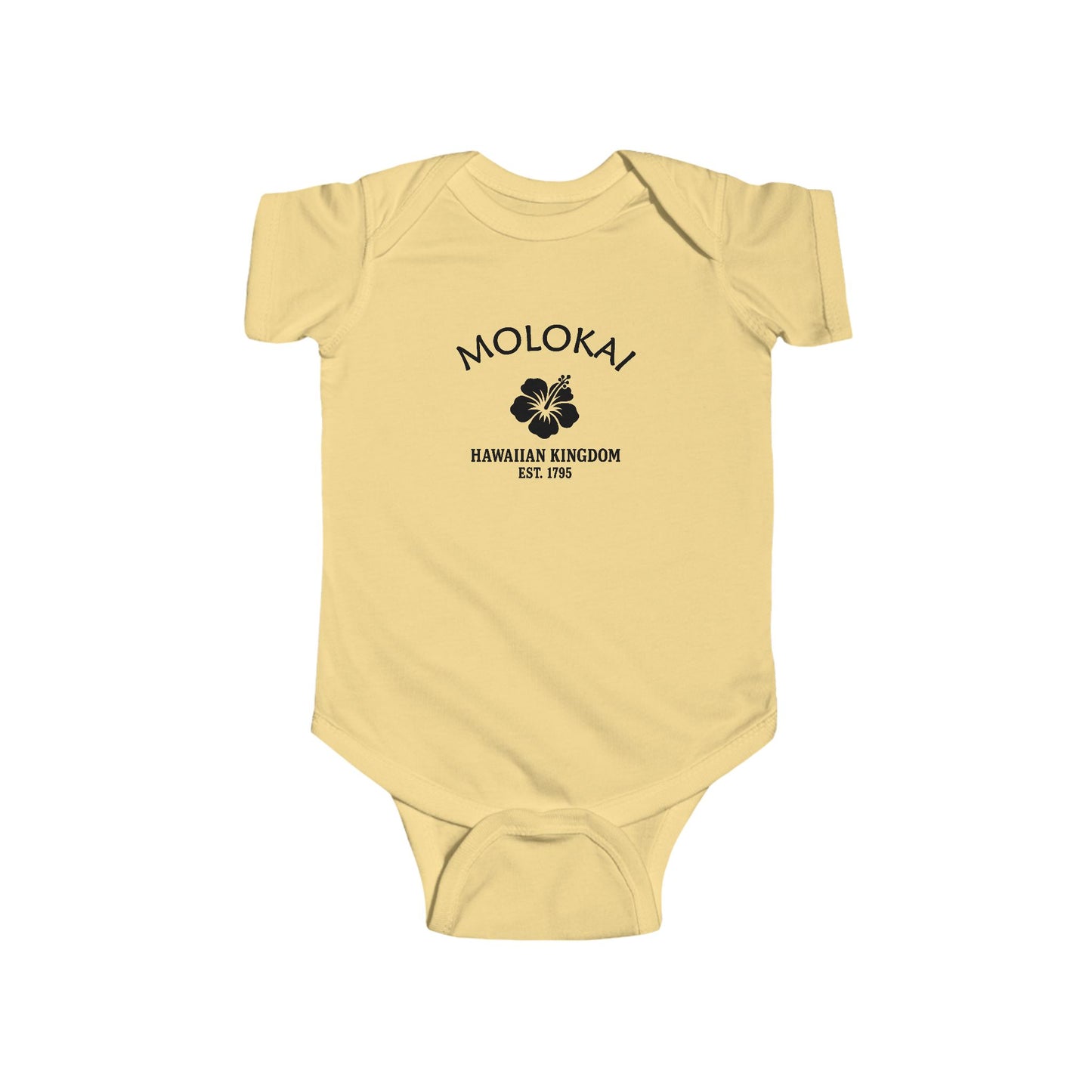
The land matches the depth of the culture. Molokaʻi is the fifth-largest Hawaiian island, roughly thirty-eight miles long, set between Oʻahu and Maui. Its windward north coast rises into the tallest sea cliffs in the world — a wall of green plunging some three thousand six hundred feet and more straight to the Pacific, recorded in the Guinness book and sheltering deep, near-roadless valleys behind it. The dry west end runs the other way entirely, into the soft pale sand of Papohaku, one of Hawaiʻi's largest beaches, often empty for its full length. Lush to windward, dry to leeward, rural everywhere: this is the closest thing left to old Hawaiʻi.
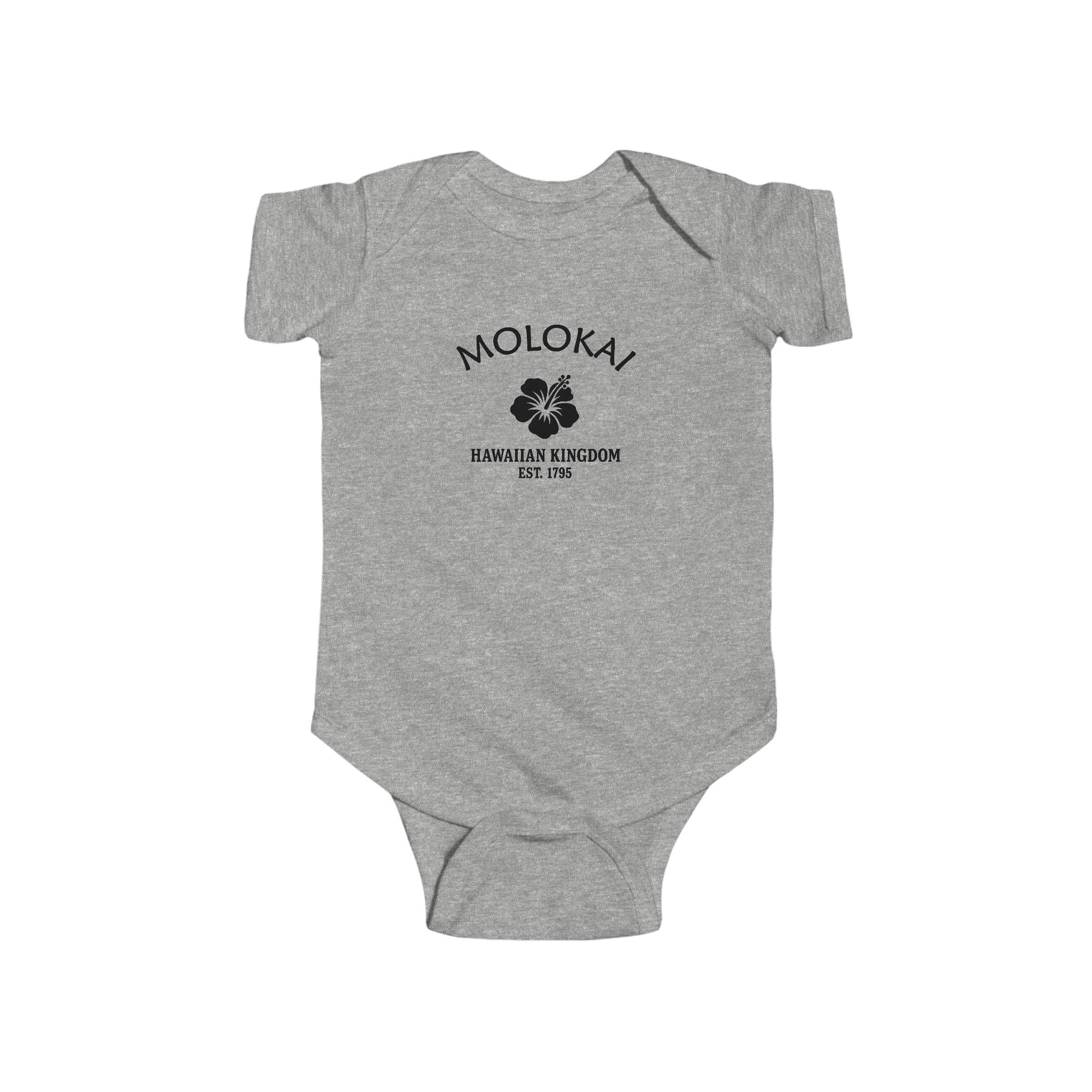
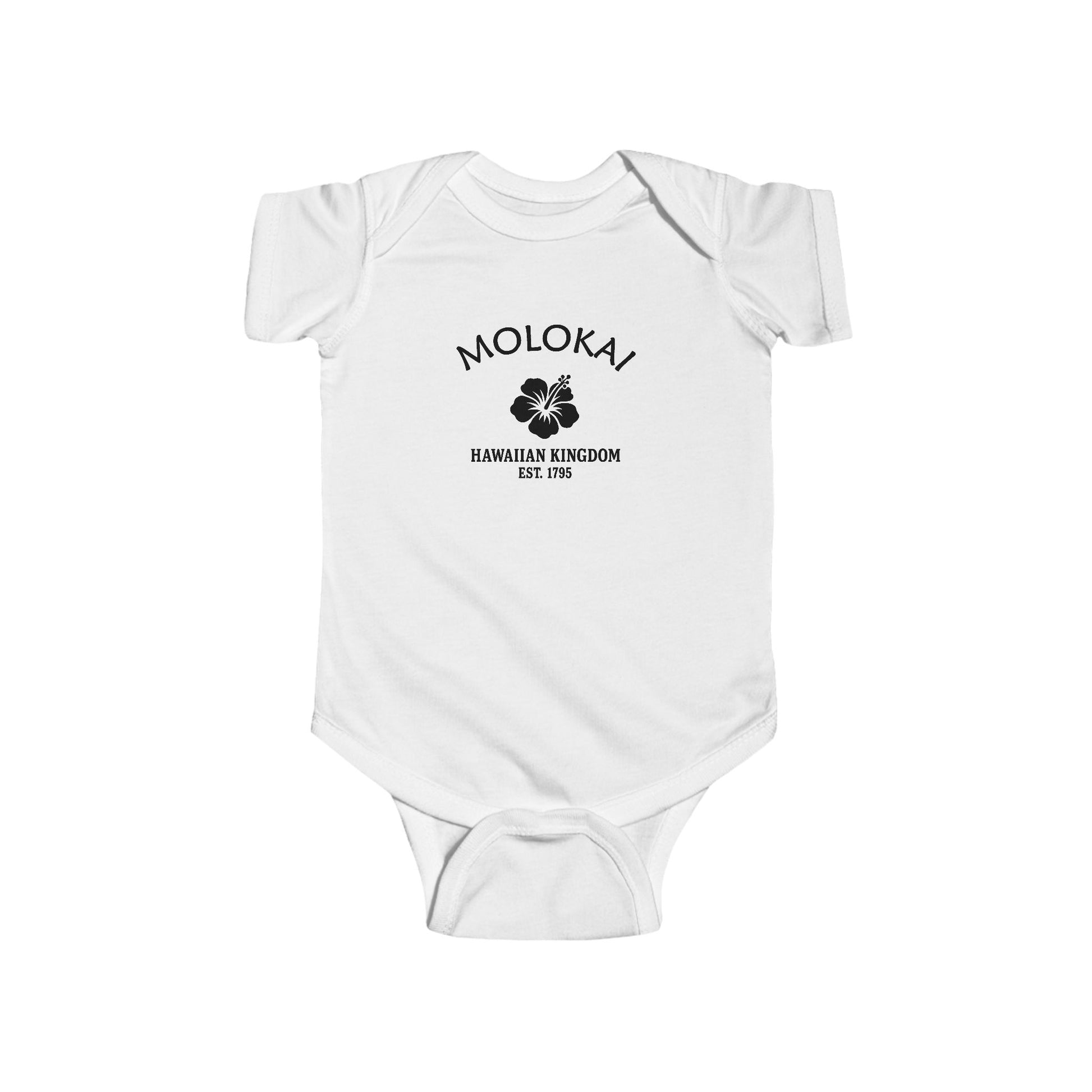
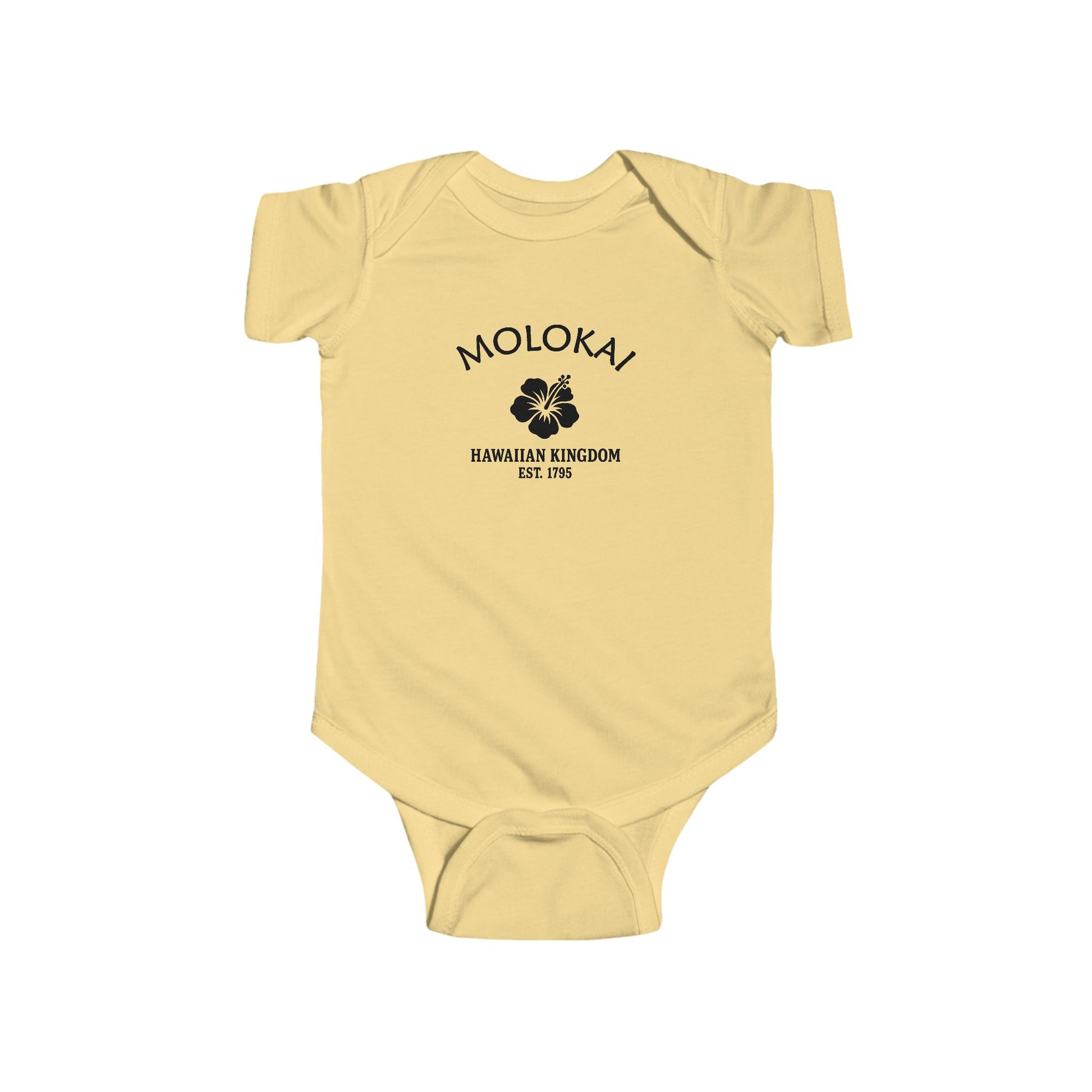
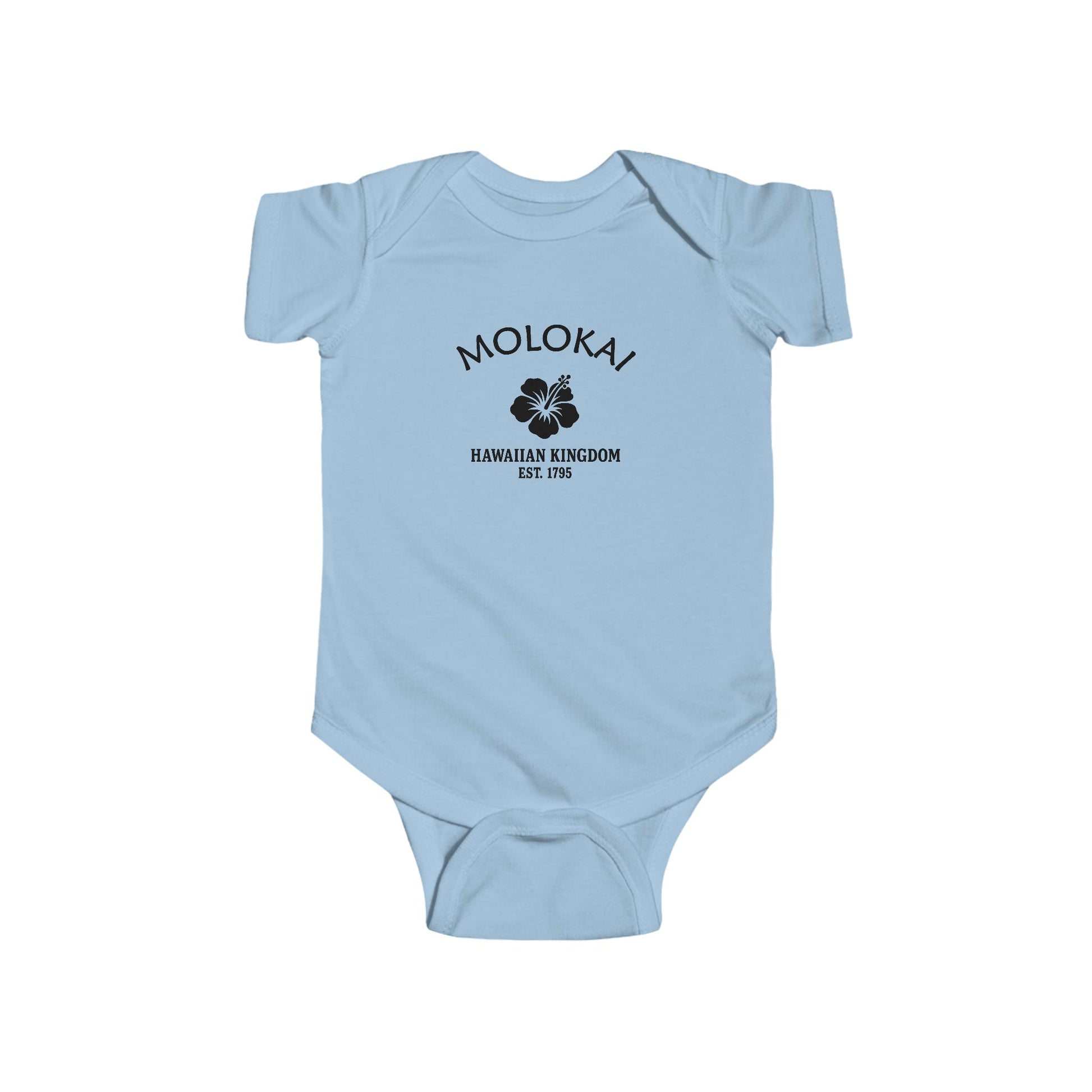
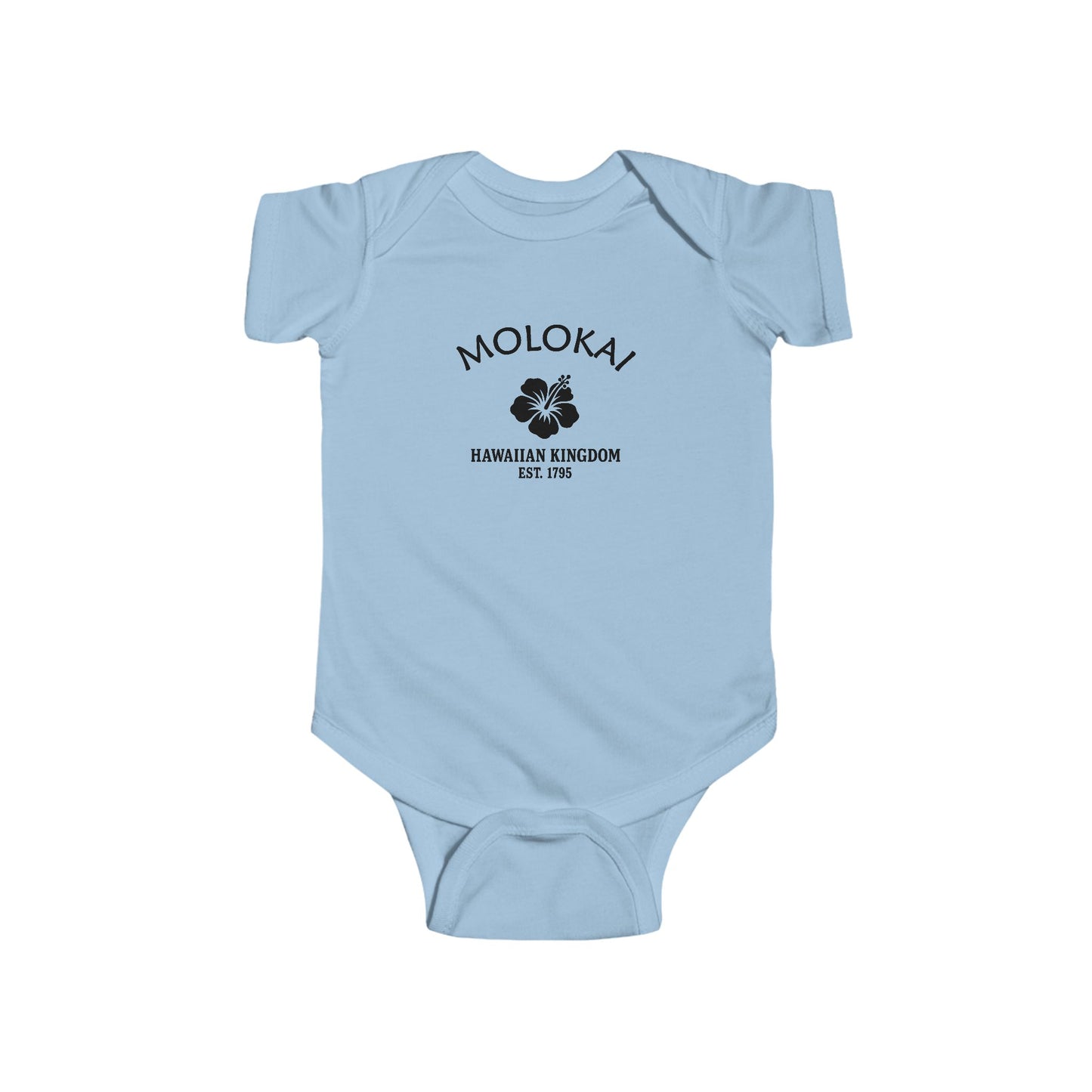
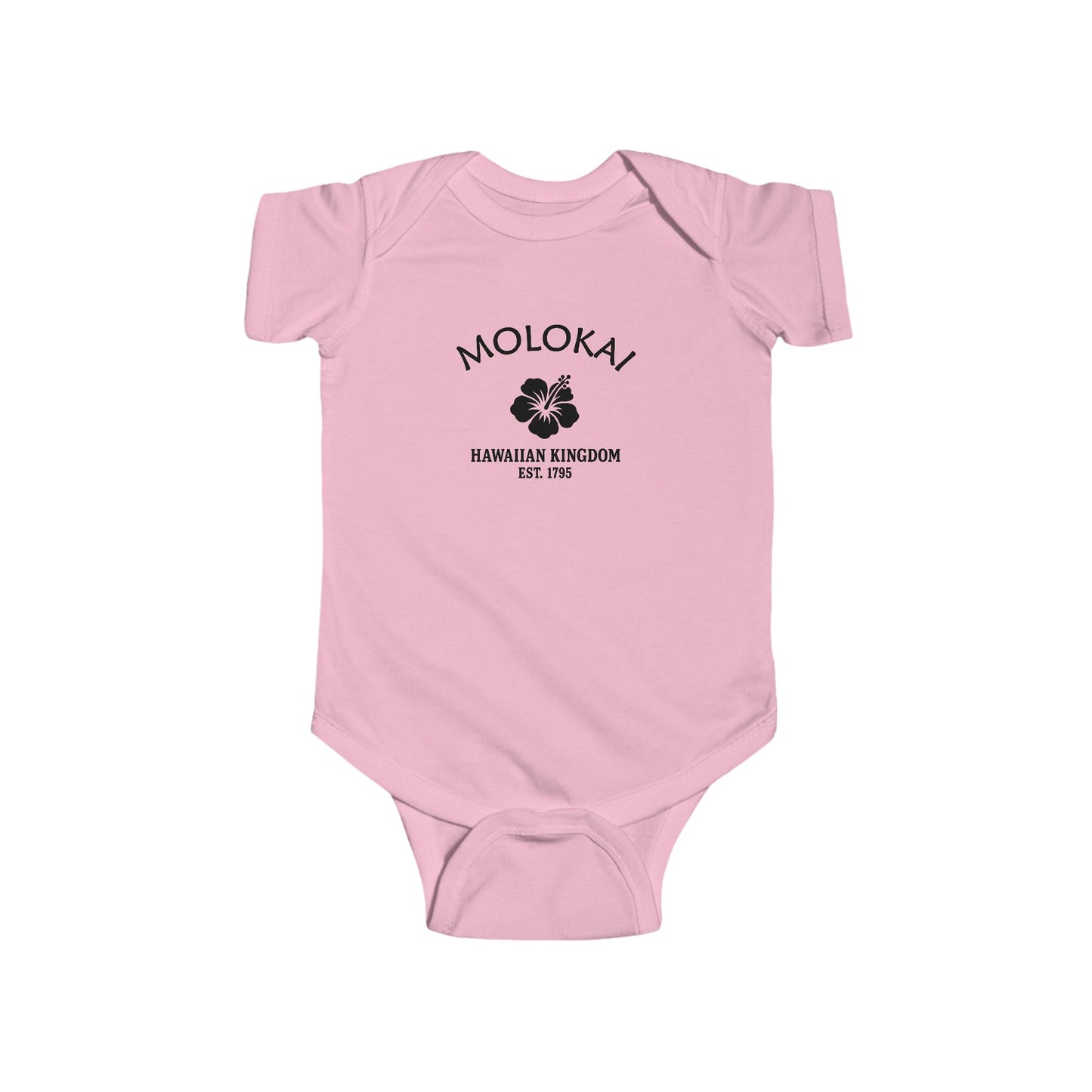
Our Molokaʻi logo carries the Hawaiian hibiscus over "Hawaiian Kingdom · Est. 1795," the shared emblem of every Merlin Classics Hawaiʻi place, marking the 1795 unification of the islands under Kamehameha. Printed in clean retro black-and-white like an old crate label, the hibiscus stands for the islands as a whole; what makes this one Molokaʻi is everything around it — the taro loʻi and the south-shore fishponds, the tallest cliffs in the world, the outrigger crews who cross the channel each fall, and the deep quiet of an island that chose to stay itself.
Why People Visit Molokaʻi
Molokaʻi offers the rarest thing in Hawaiʻi: an island that is still genuinely itself. It pairs deep living culture — hula's birthplace, the fishponds, the homestead lands — with dramatic, near-empty coast and a pace the rest of the islands lost long ago. Quiet, rural, and proud, it is made for travelers who want the real Hawaiʻi and are willing to meet it on its own terms.
