


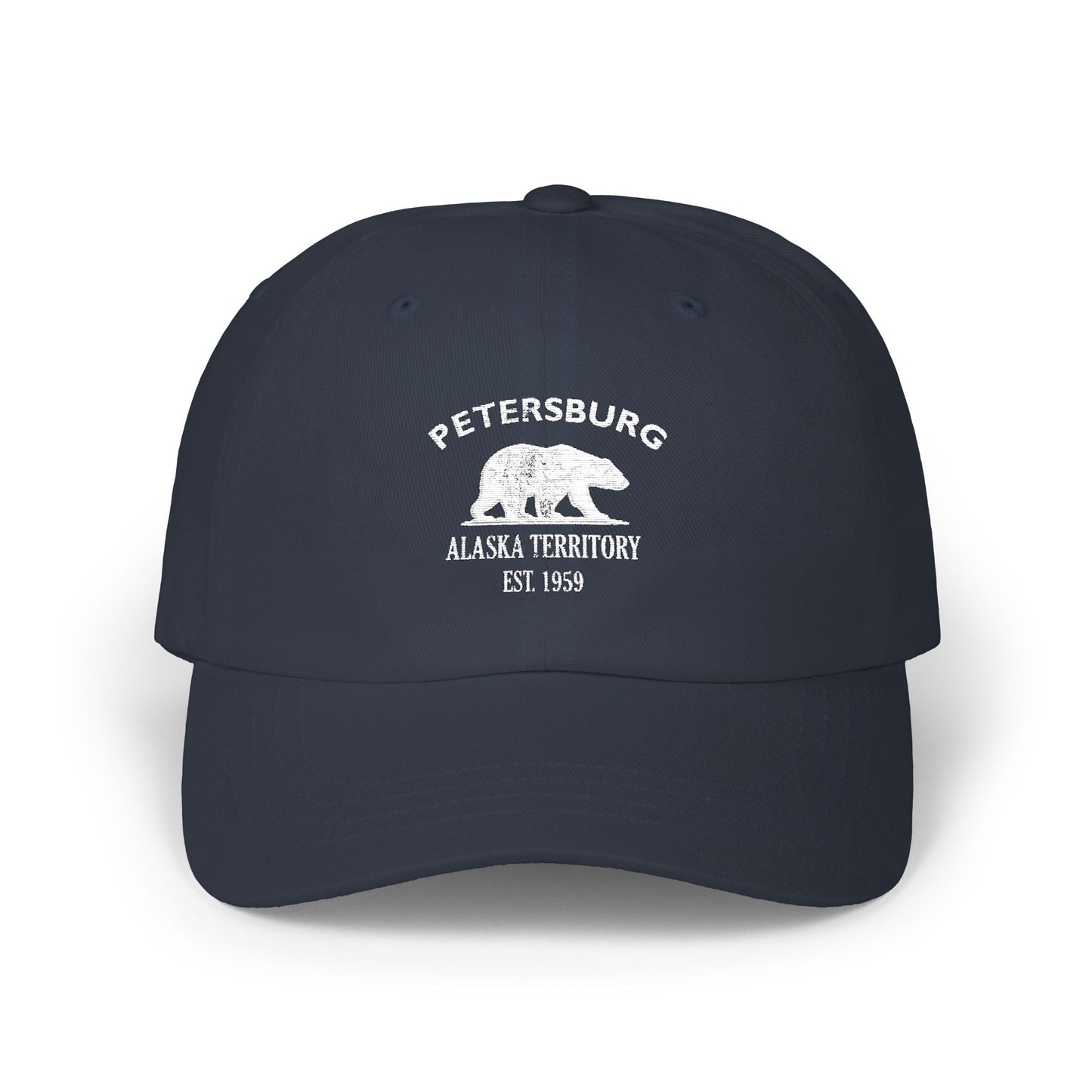
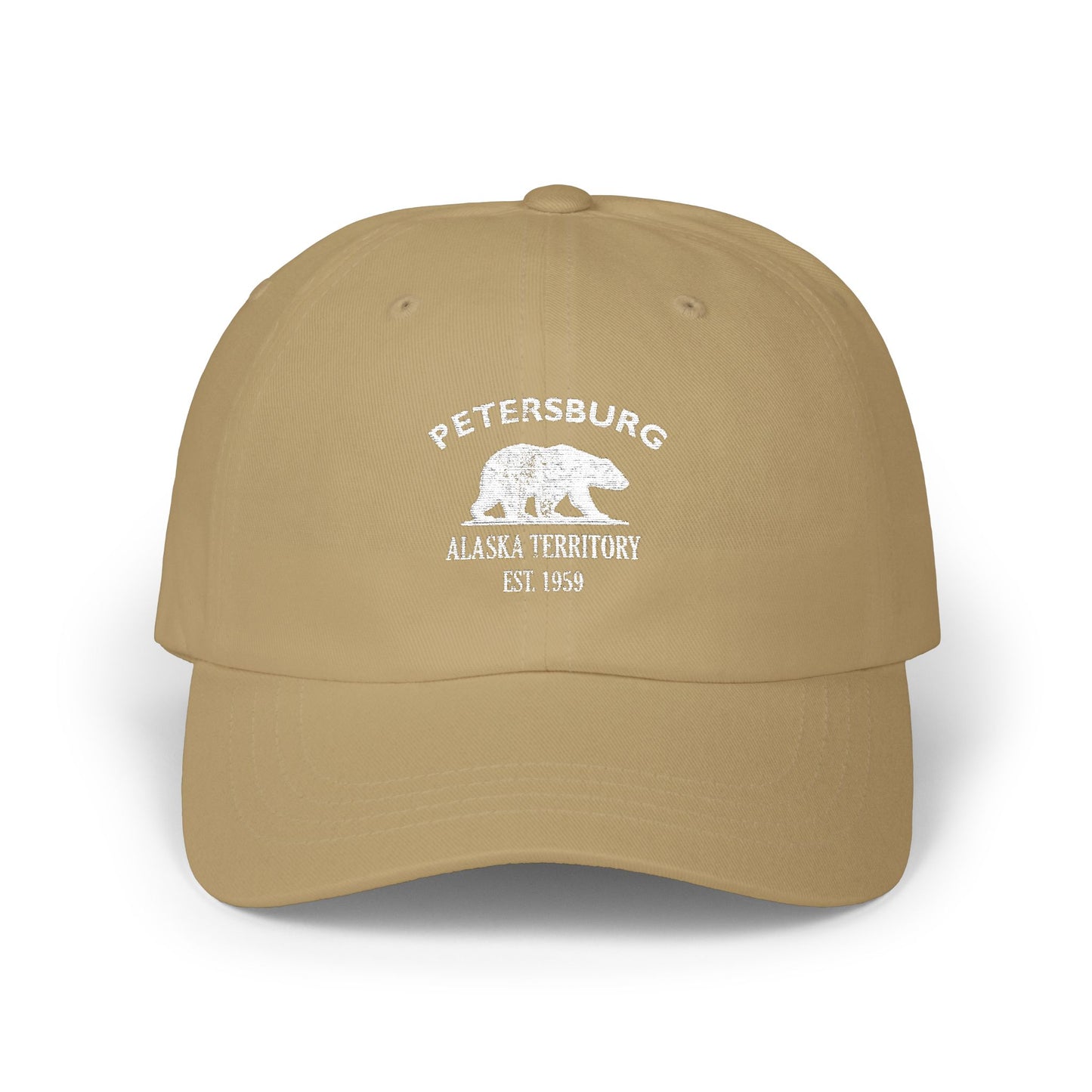
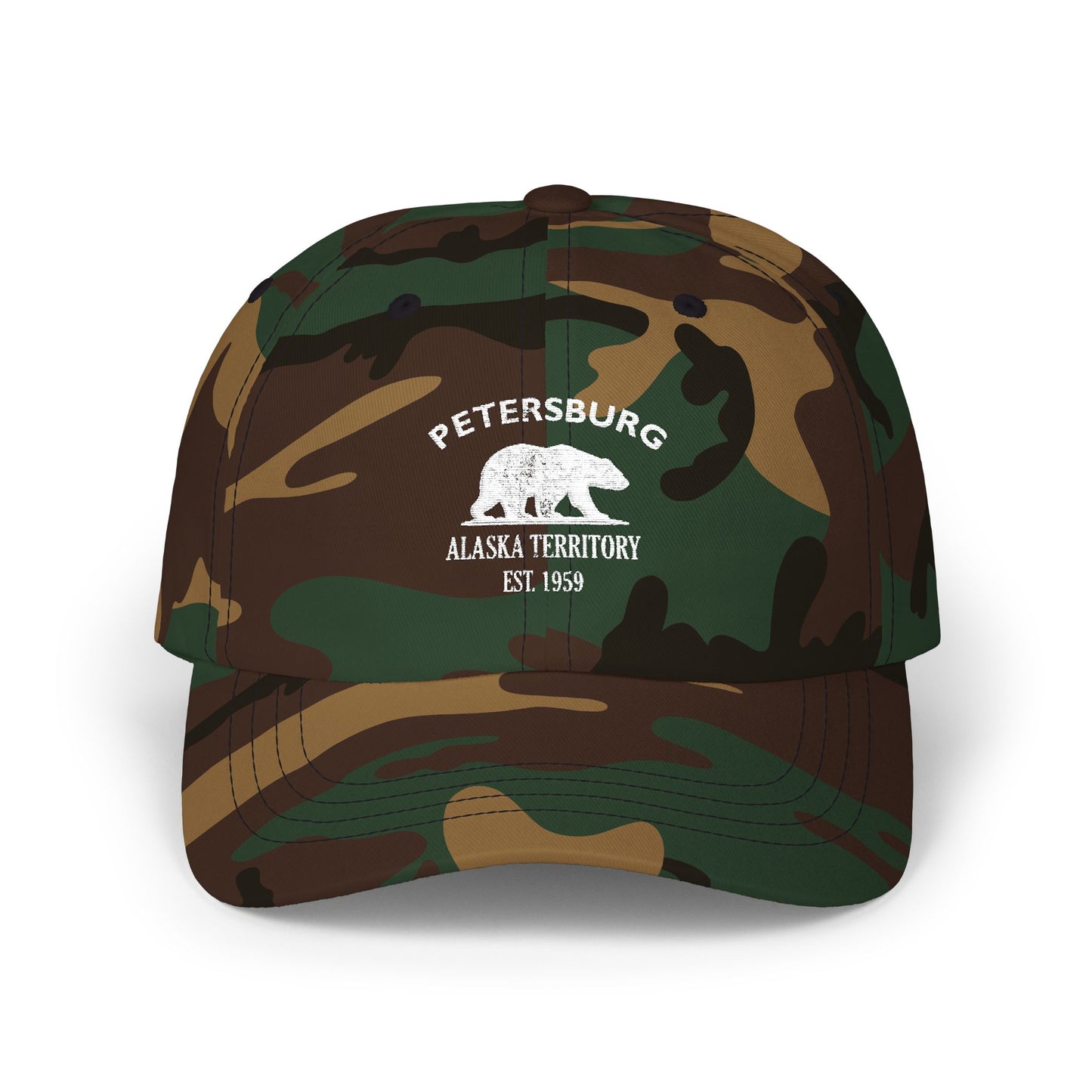
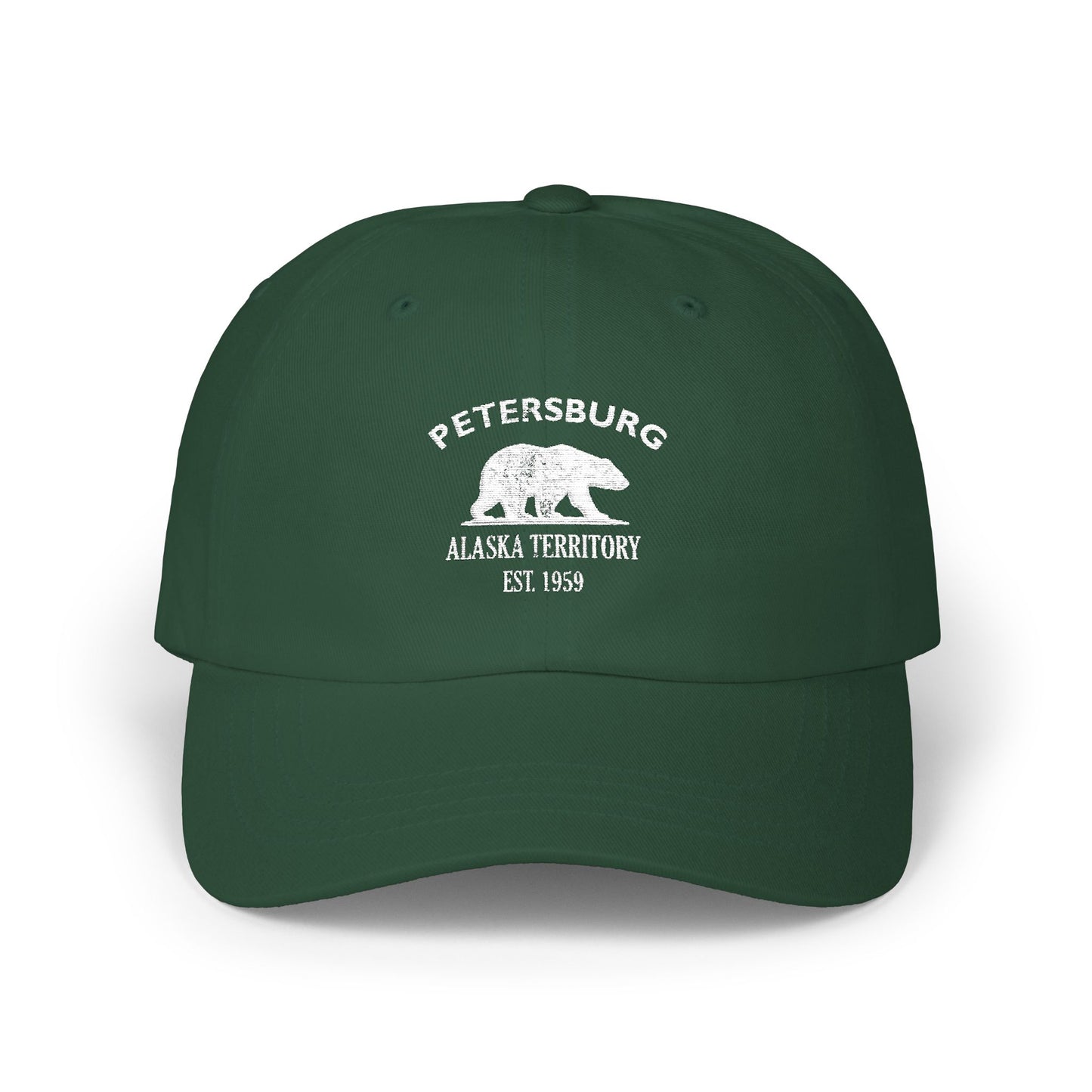
Alaska's Little Norway, on the Wrangell Narrows since 1897. In 1897 a Norwegian fisherman named Peter Buschmann came north out of Washington State and found a deep-water channel cutting between two heavily timbered islands at the south end of what is now called the Inside Passage. The channel was the Wrangell Narrows — a natural saltwater passage running roughly north-to-south between Mitkof Island and Kupreanof Island — and Buschmann, who had been salting and packing fish in Puget Sound since he emigrated from Aure, Norway in 1891, recognized everything about it at once. A fine harbor at the north end of the Narrows, abundant salmon and halibut all around, and not far up the coast, the LeConte Glacier calving clean, hard ice into LeConte Bay — the southernmost tidewater glacier in North America, the perfect natural refrigerant for packing fresh salmon south to Seattle by steamship. He bought forty acres at the head of the Narrows, built a cannery and a sawmill and a dock, and wrote home to his Norwegian friends. They followed him north. By 1900 the town had a post office. By the time the settlement formally incorporated on April 20, 1910, it had earned its nickname: Alaska's Little Norway.
The town's lore is fishing-fleet lore. Stories of crews lost in the Narrows and on the Gulf — the Bojer Wikan Memorial honors one of them, with a nine-foot bronze sculpture of a fisherman and a roll of names. Stories of the LeConte Glacier sending bergs the size of small buildings down LeConte Bay into the open water just south of town. Stories of the Norwegian-language phone book that ran for years after every other Alaska town had given up the language, of high school basketball games played for decades inside the Sons of Norway Hall (the hoop is still there). Stories of the Stikine River breakup every spring sending Tlingit families down to the salmon camps as their ancestors had for generations, and of the Norwegian fishing families running their own boats up the same river for crab. Petersburg is a small town where four cultures — Tlingit, Norwegian, Russian-era charting, American statehood — sit on the same waterfront without competing for it.
Why People Visit Petersburg Alaska
Petersburg is the rare Alaska town where the heritage is real and the working harbor is still working. Visitors come for Alaska's Little Norway — the 1912 Sons of Norway Hall, the rosemaling, the Little Norway Festival, the Norwegian-American fishing-town identity that hasn't softened into a souvenir. They come for the Wrangell Narrows and the boat day to LeConte Glacier. They come for the largest home-based halibut fleet in Alaska tied up at the harbor a block from downtown. And they come because Petersburg is what a working Southeast Alaska town looks like when the cannery has never stopped running and the locals still mostly know each other. It is compact, walkable, Norwegian, working, and unmistakably Alaska.
