The reverse shows her mid-sentence, palm open to the audience — a design by Elana Hagler, sculpted by Craig A. Campbell, that puts a working Oakland organizer on a coin the whole country carries.
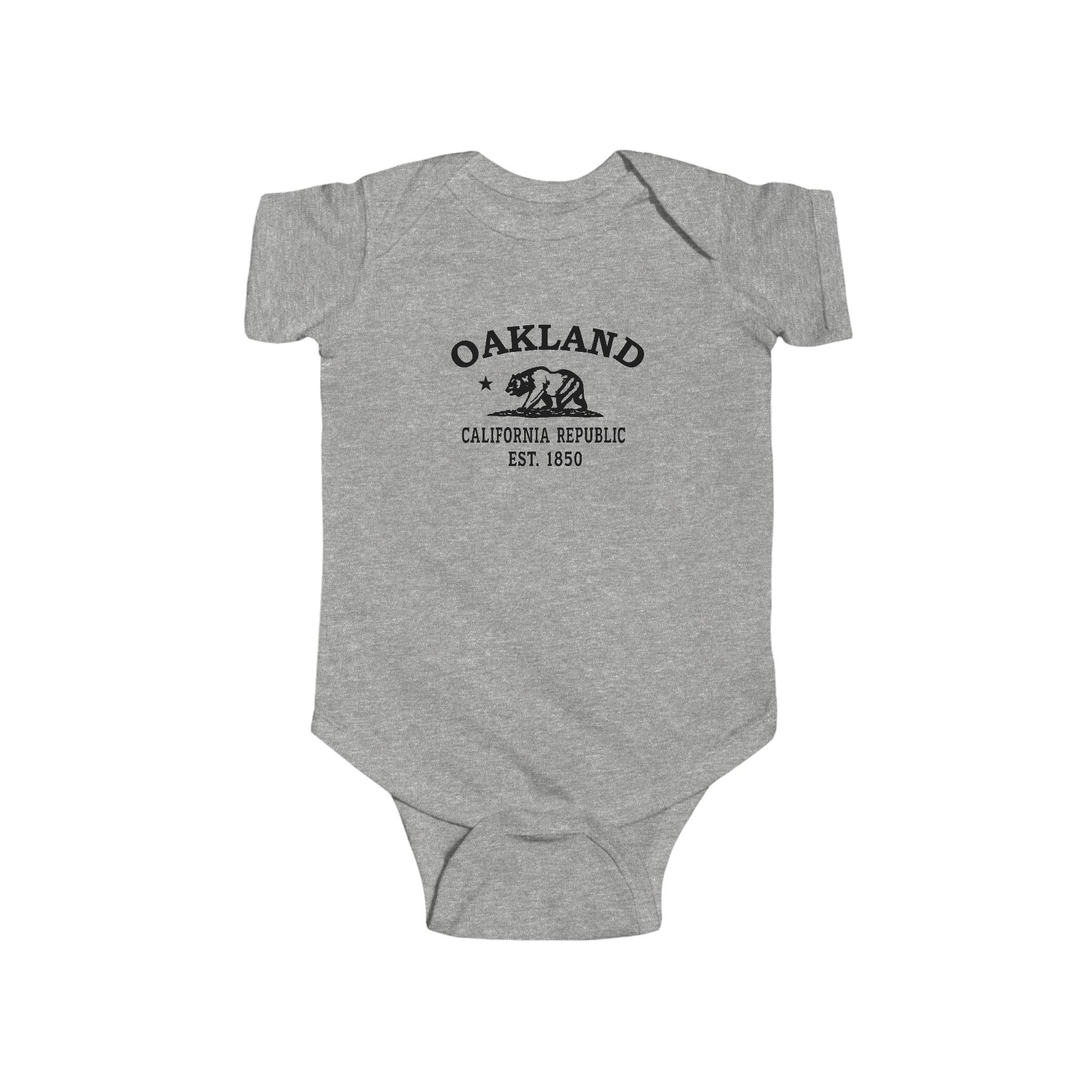
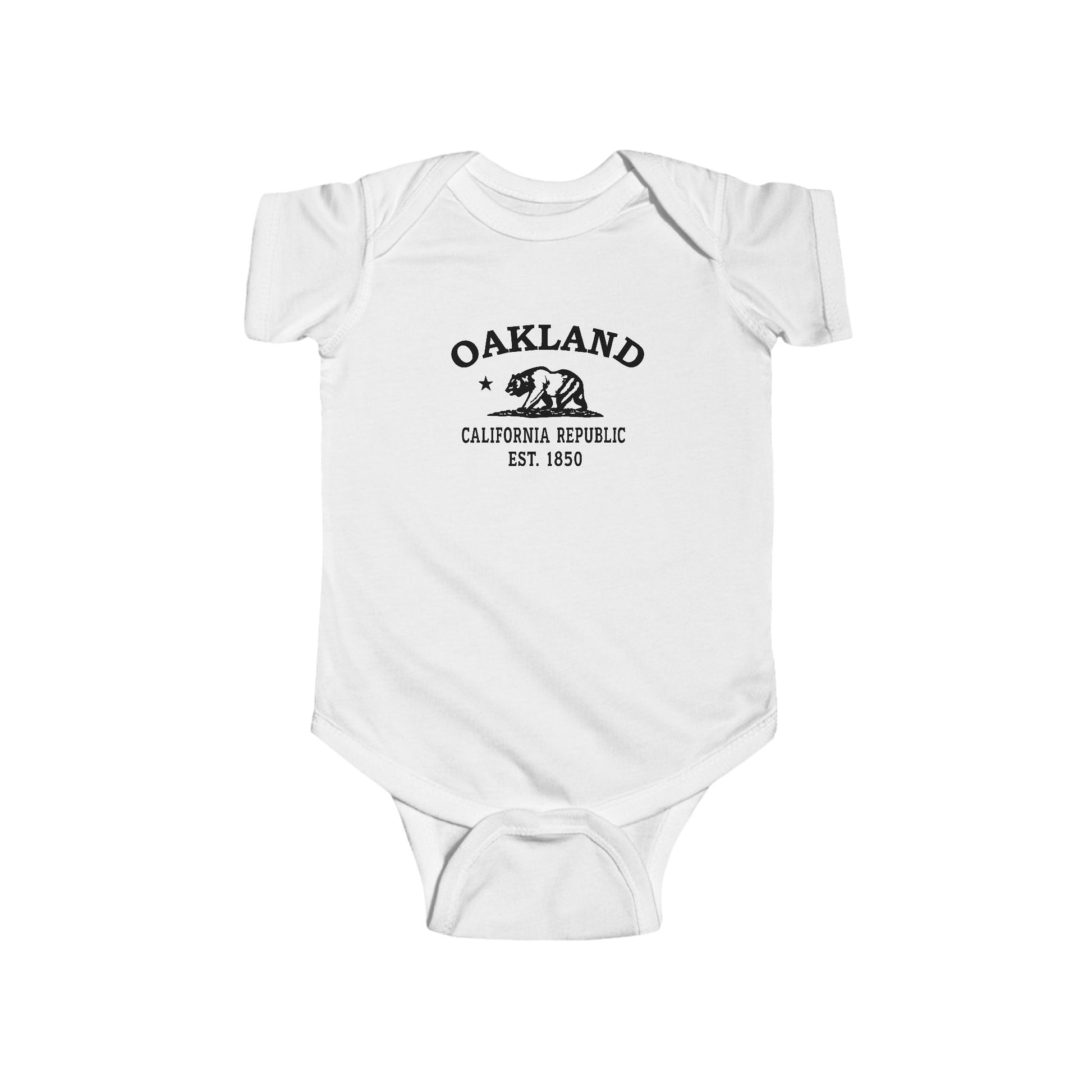
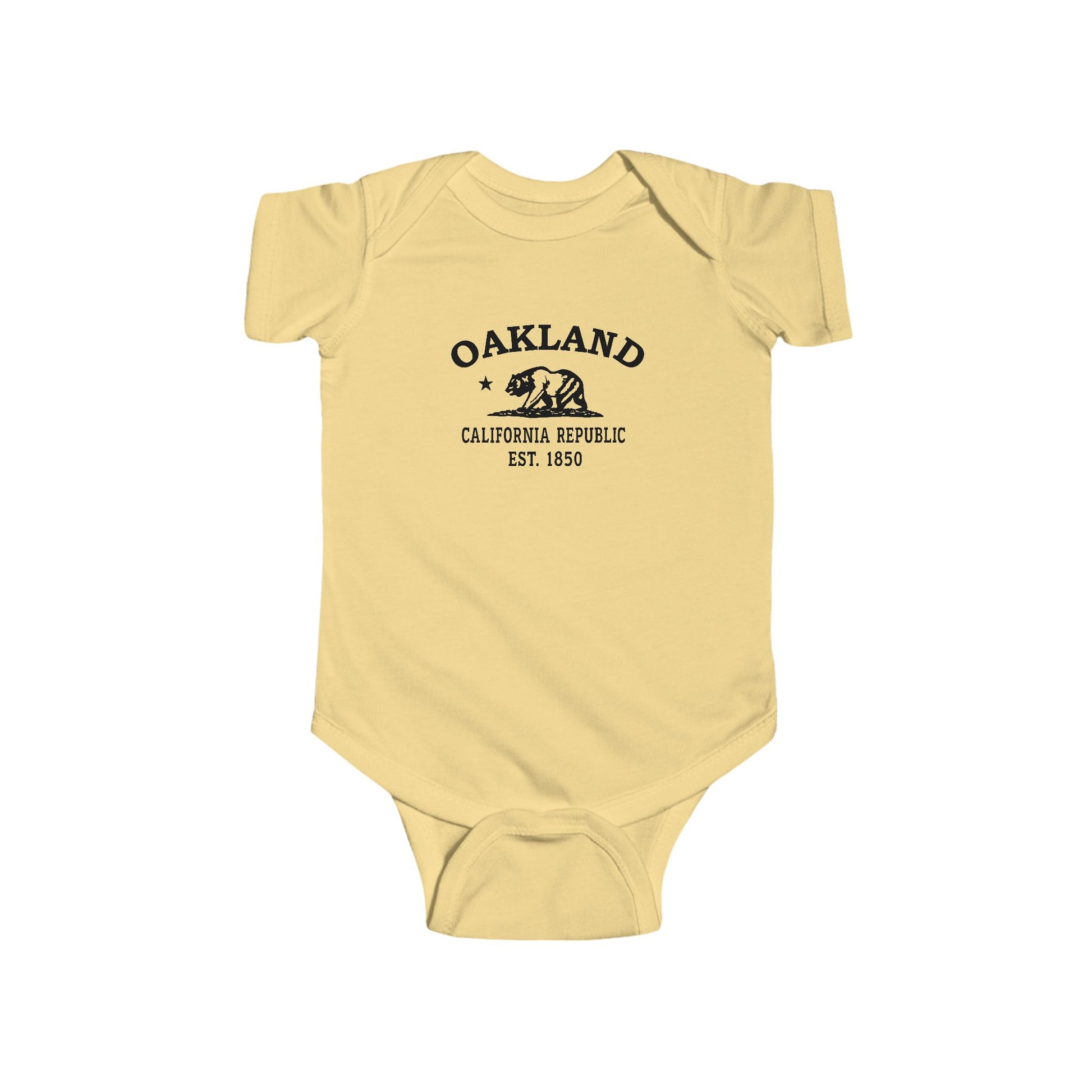
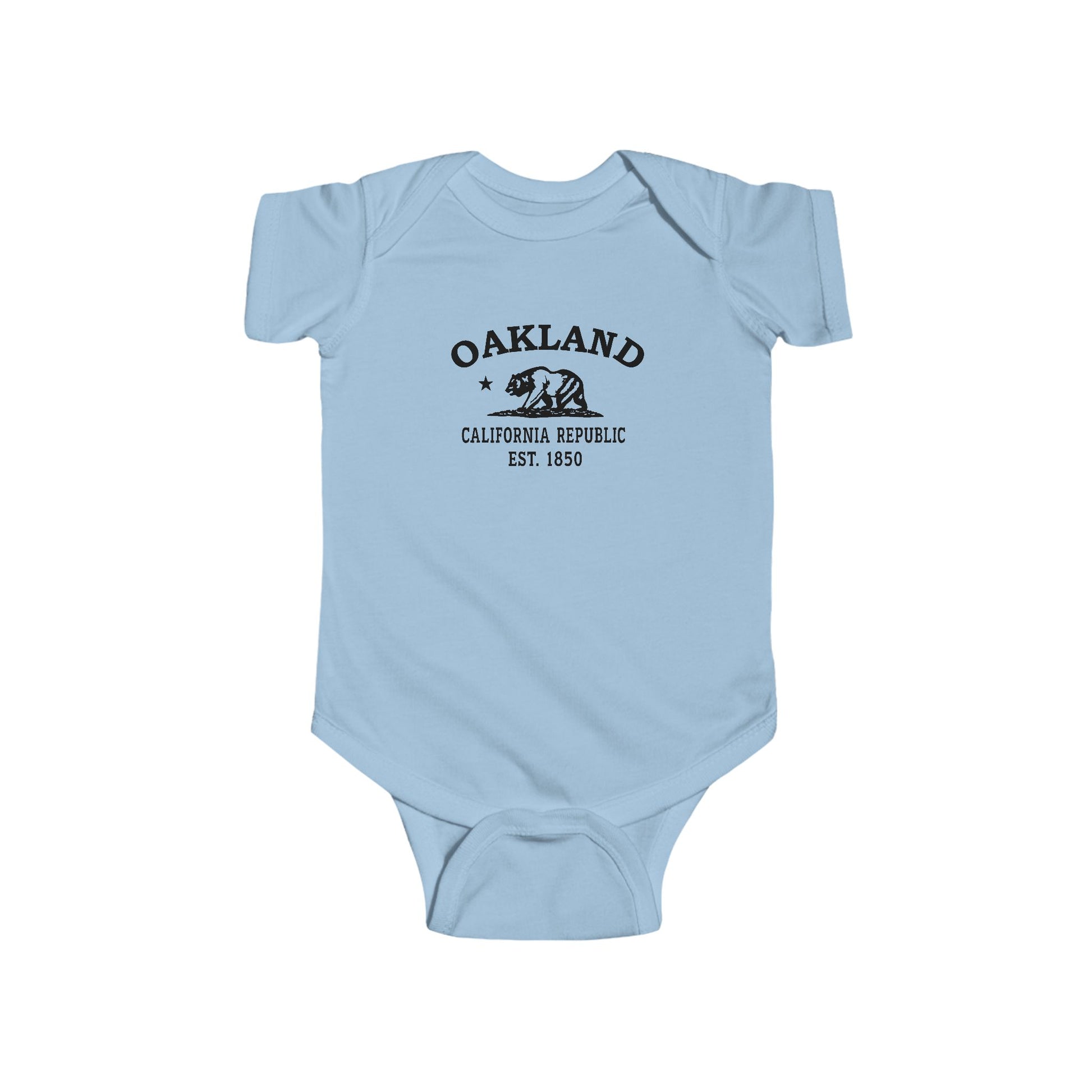
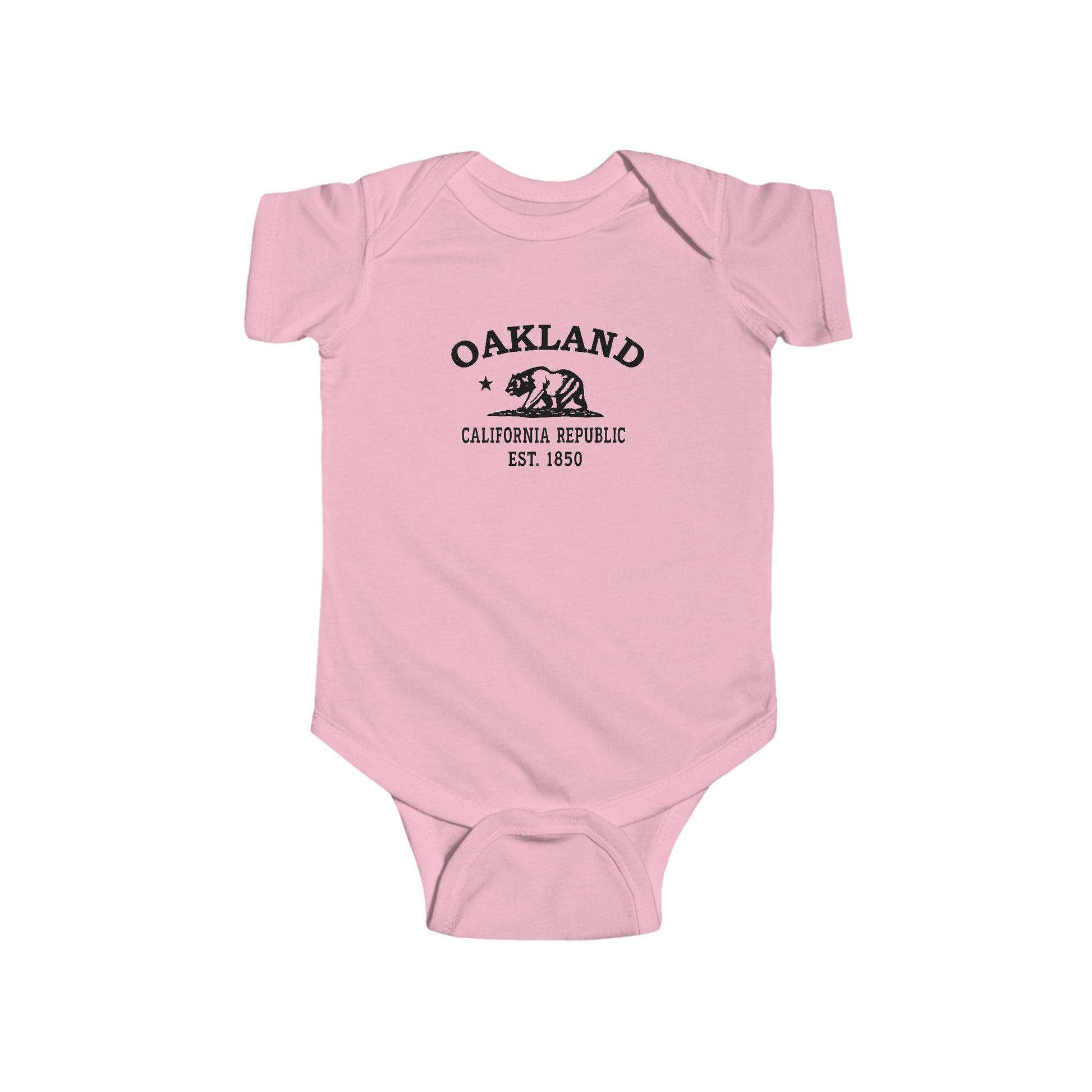
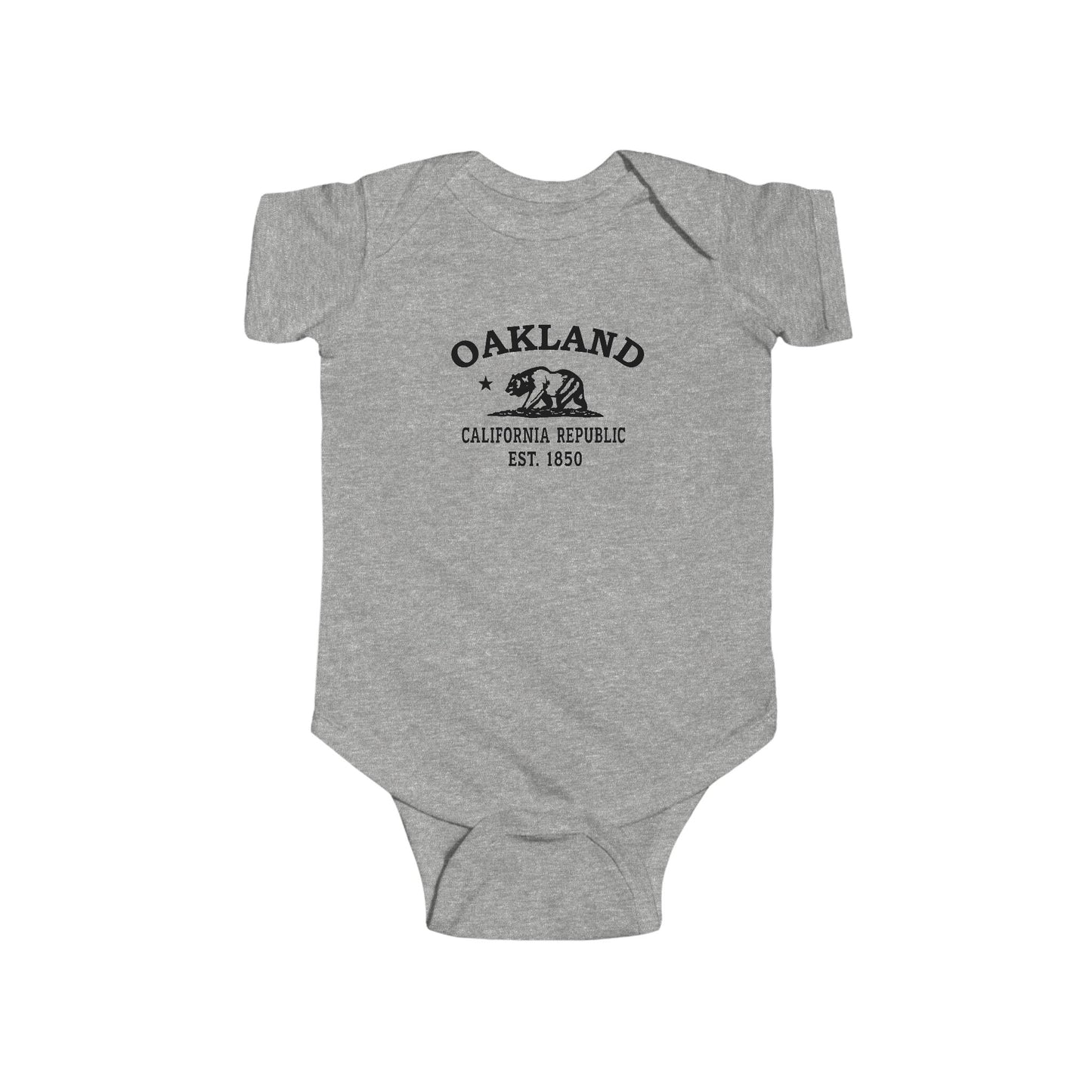
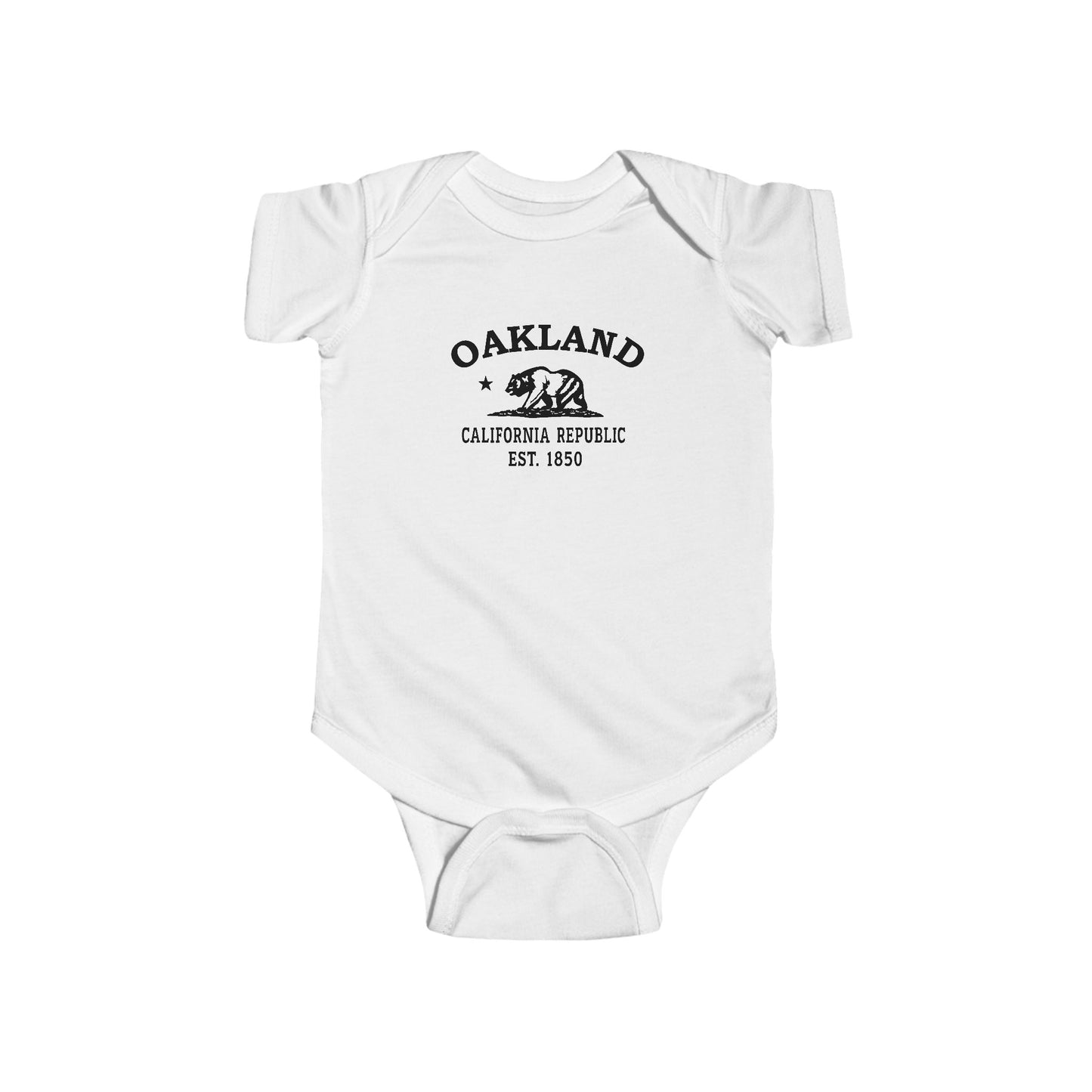
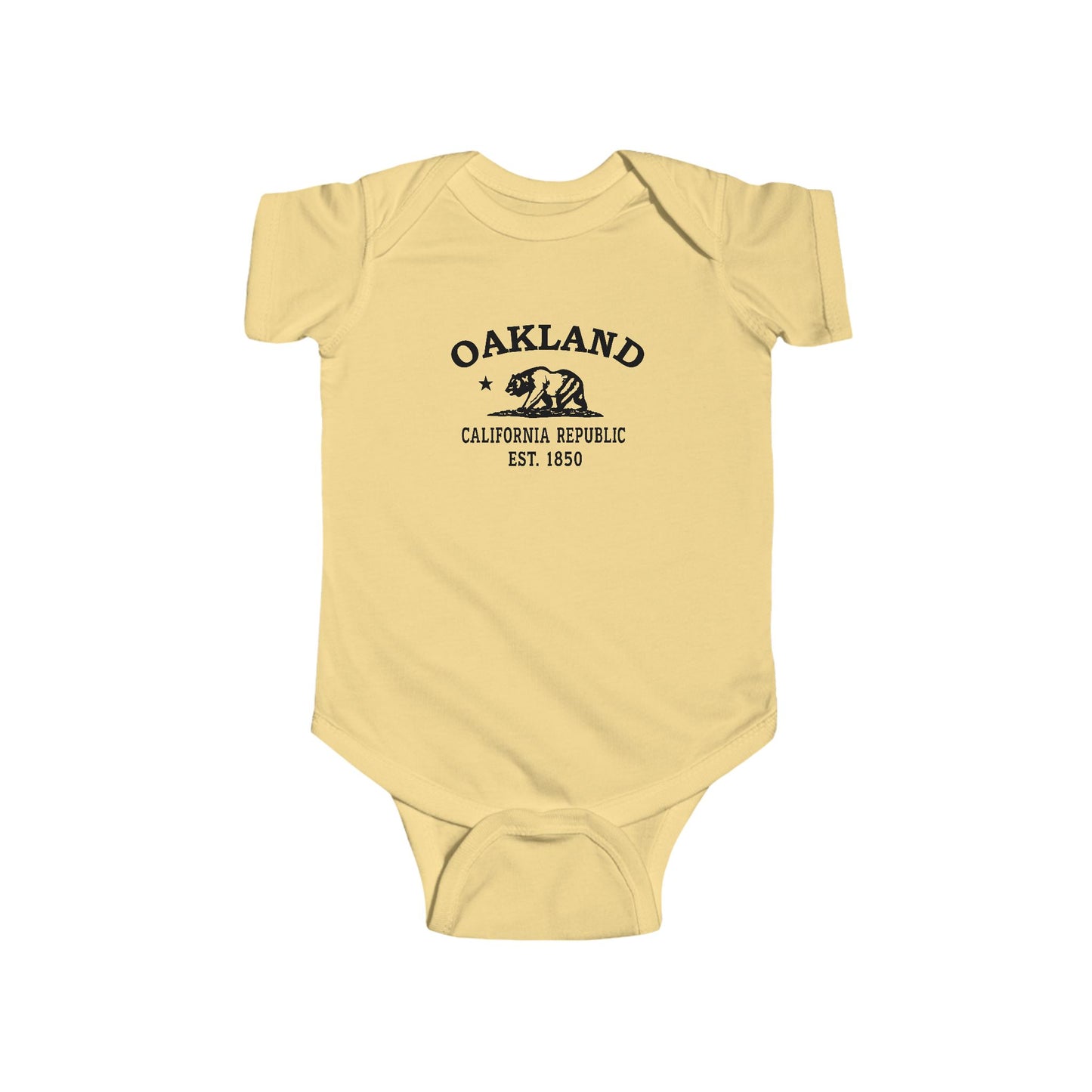
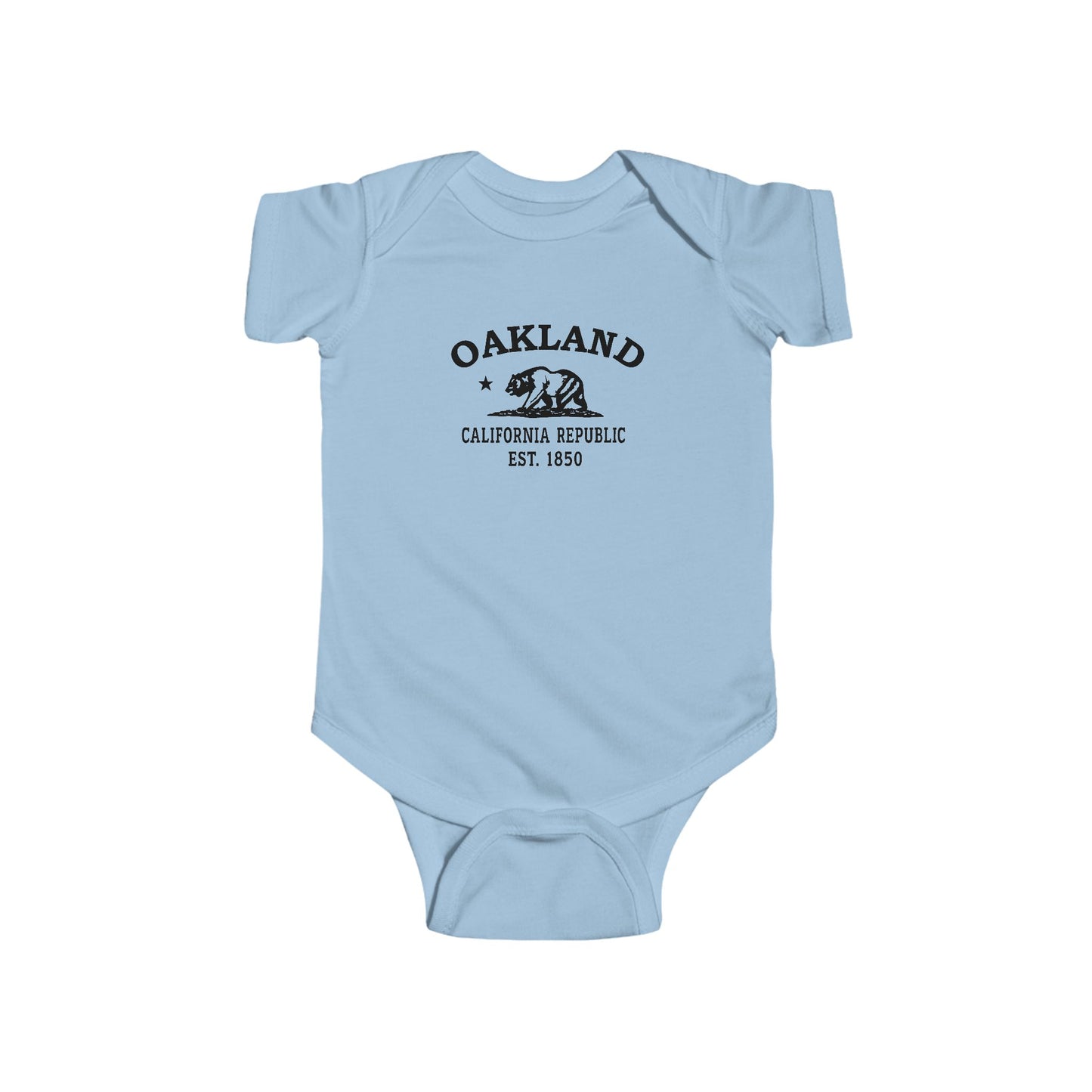
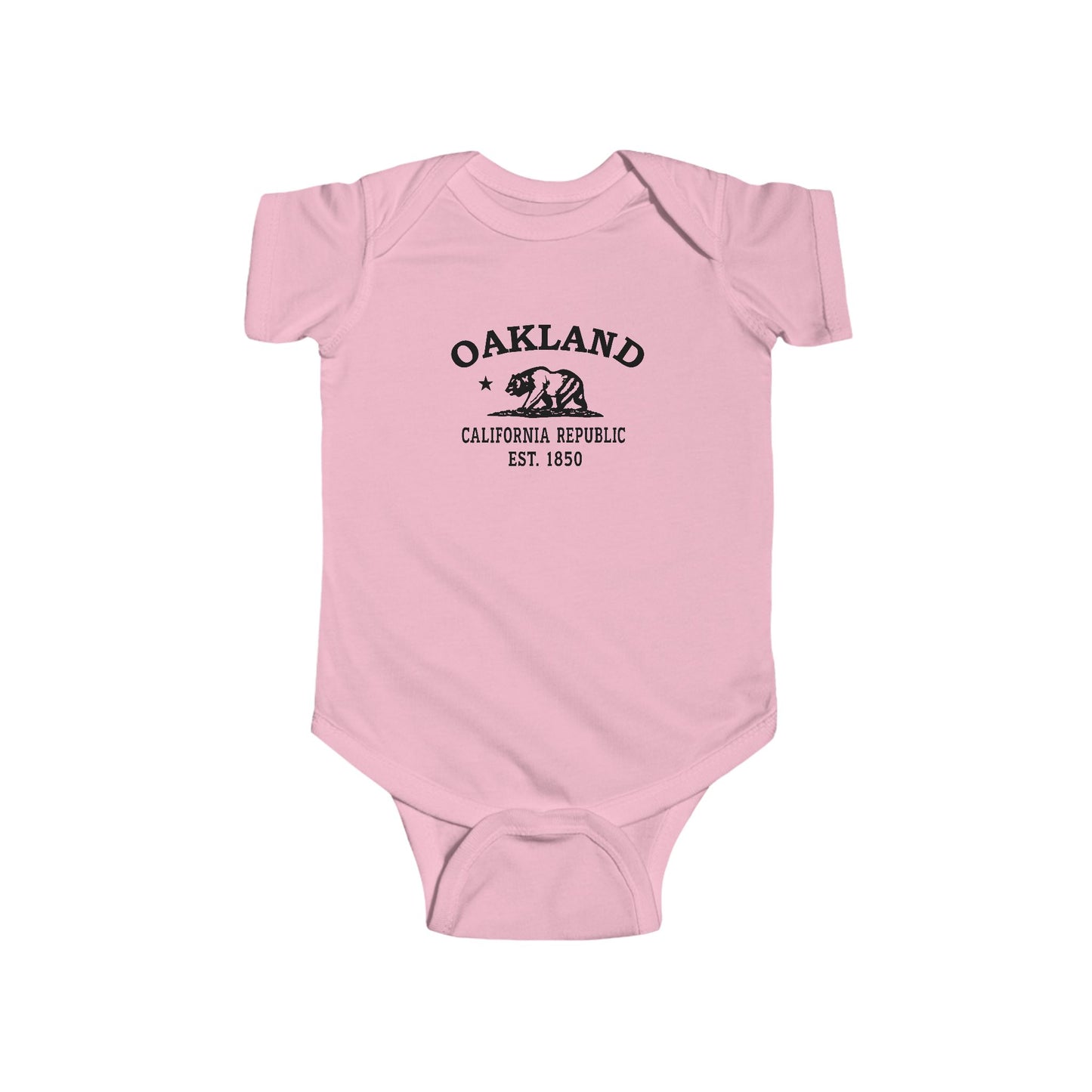
Our Oakland logo carries the California grizzly and the lone star above "California Republic — Est. 1850," the shared retro emblem of our California towns; the bear and star are the state's own, and 1850 marks the year California joined the Union — the state's birthday, not the town's, which came two years later in 1852. Rendered in worn black-and-white, like a WPA poster or a crate label, it ties Oakland to every other California town we make. What makes this one Oakland is the story behind it — the oak groves, the Necklace of Lights, and the western end of the railroad.
Why People Visit Oakland
Visitors come to Oakland for a Bay Area city with its own strong character: a wild lake at its center, redwood groves in the hills, a historic waterfront, and one of the most celebrated food scenes in California. The museums and Jack London Square sit minutes from the lake, and San Francisco is a quick trip across the bay. Equal parts oak-grove heritage and creative energy, Oakland rewards anyone drawn to the heart of the East Bay.
