


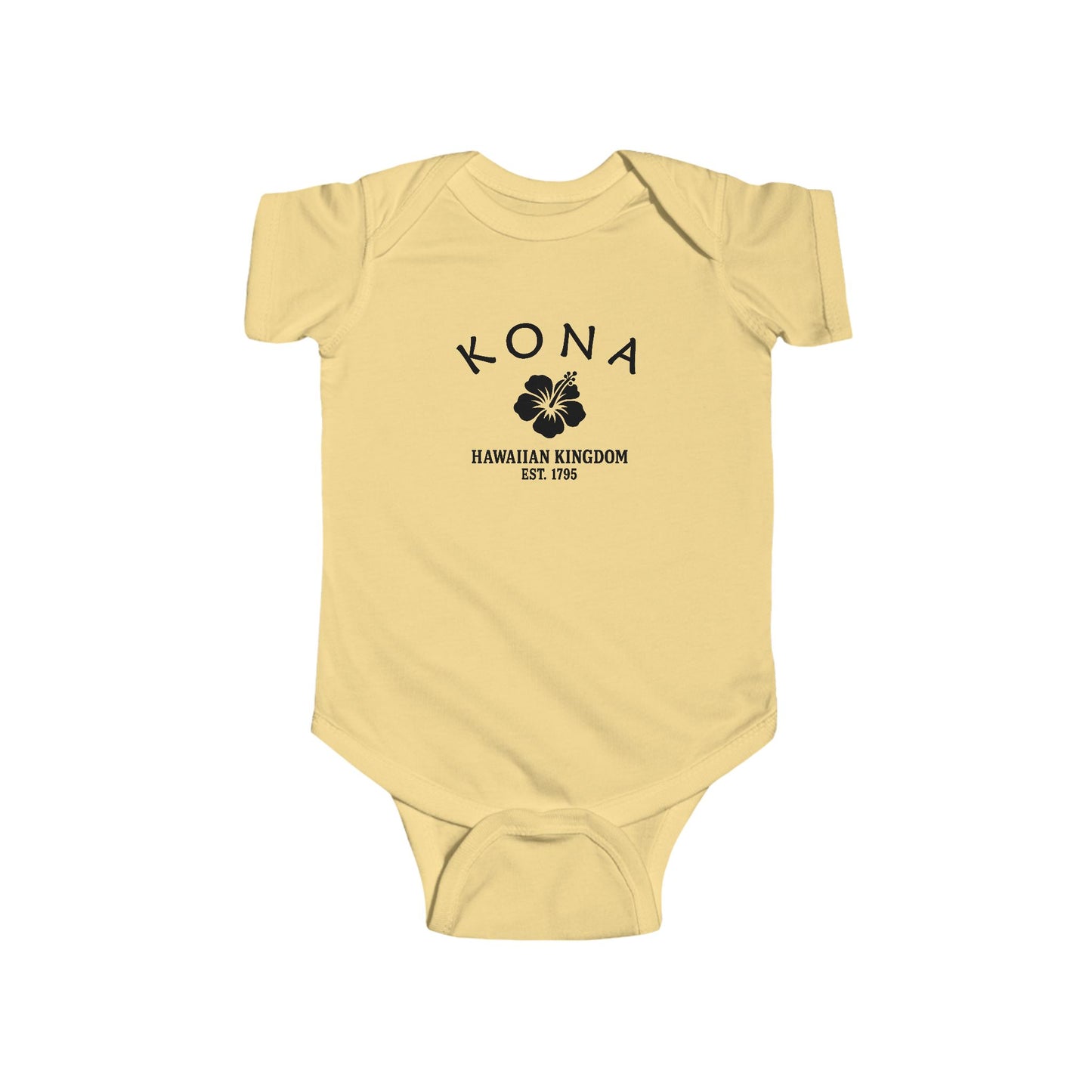
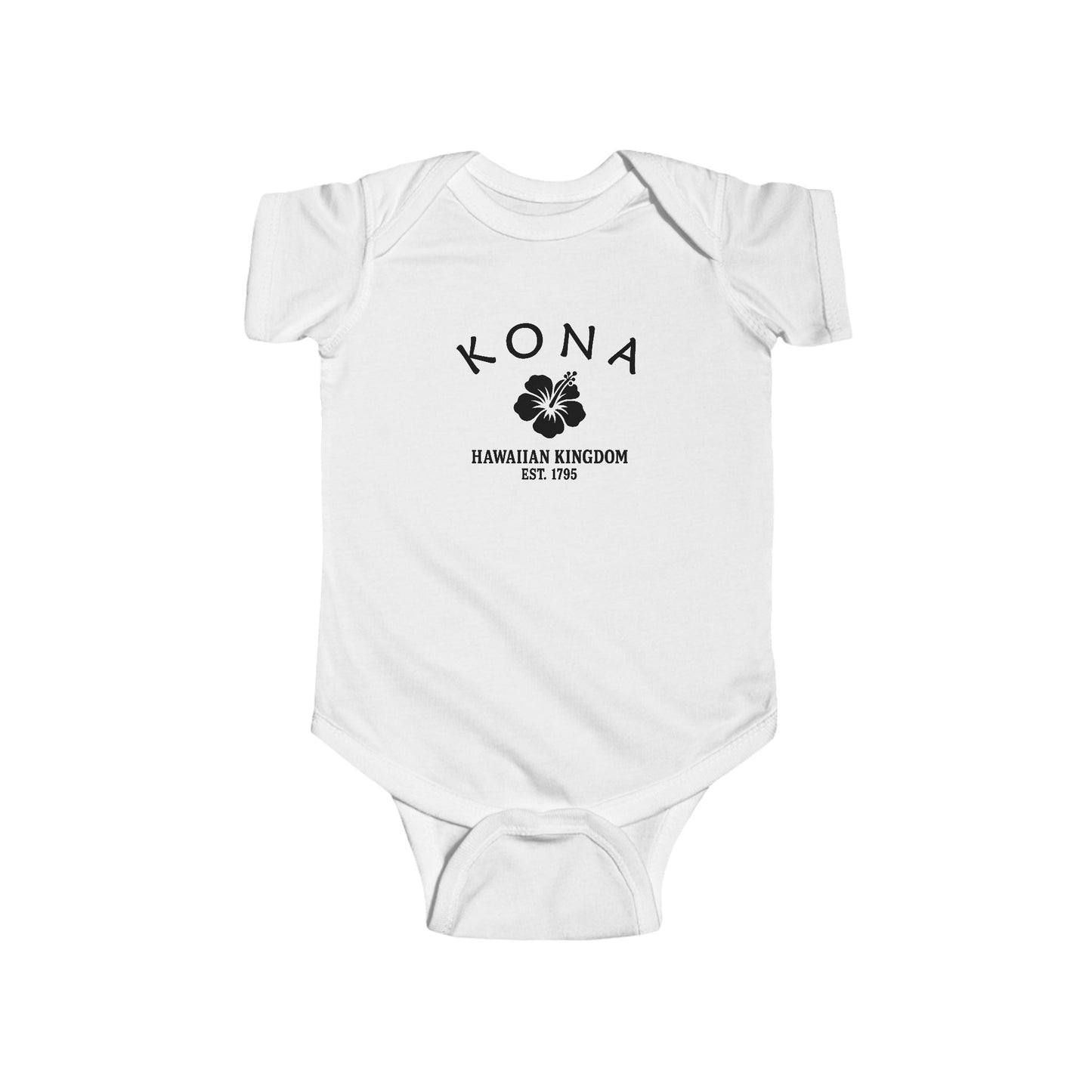
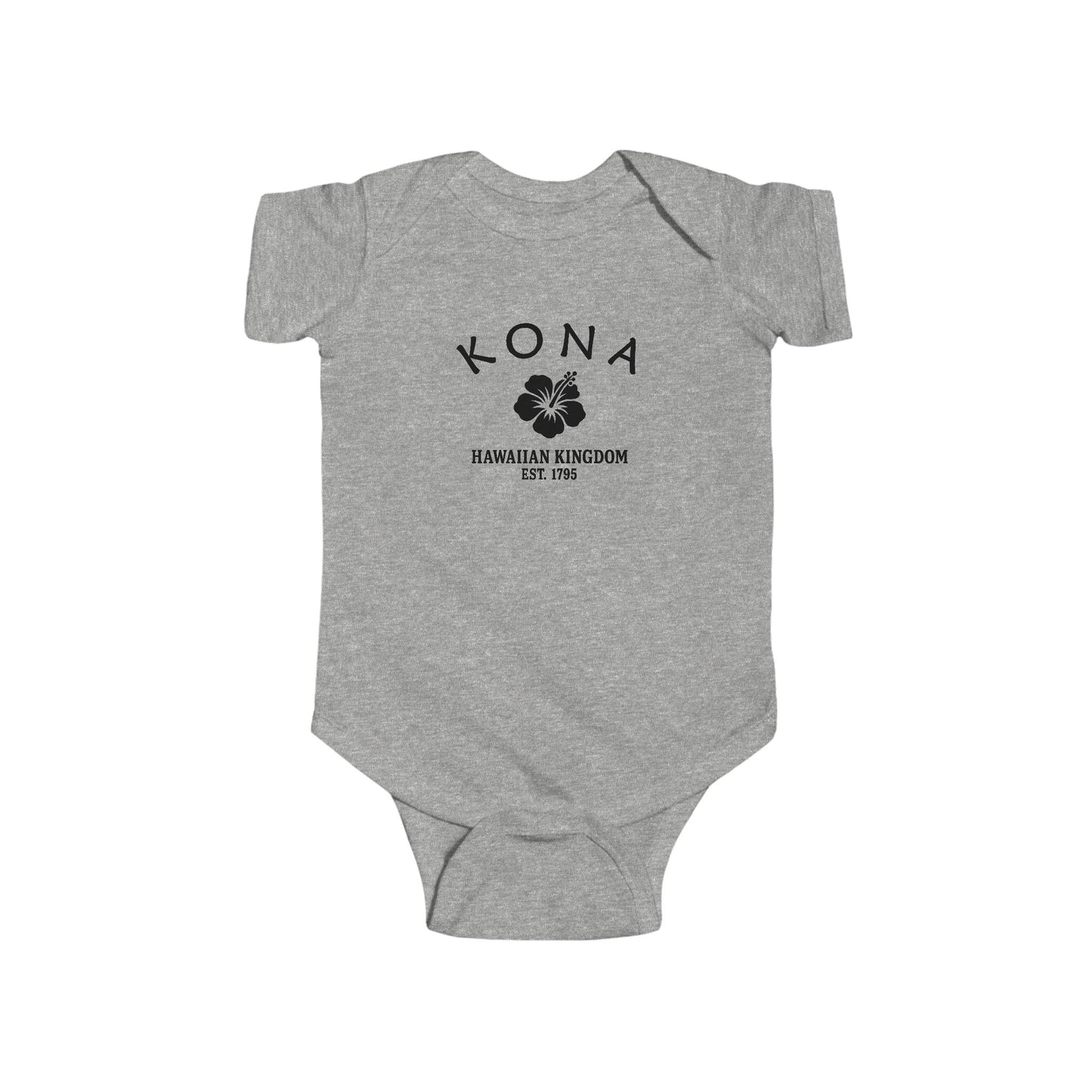
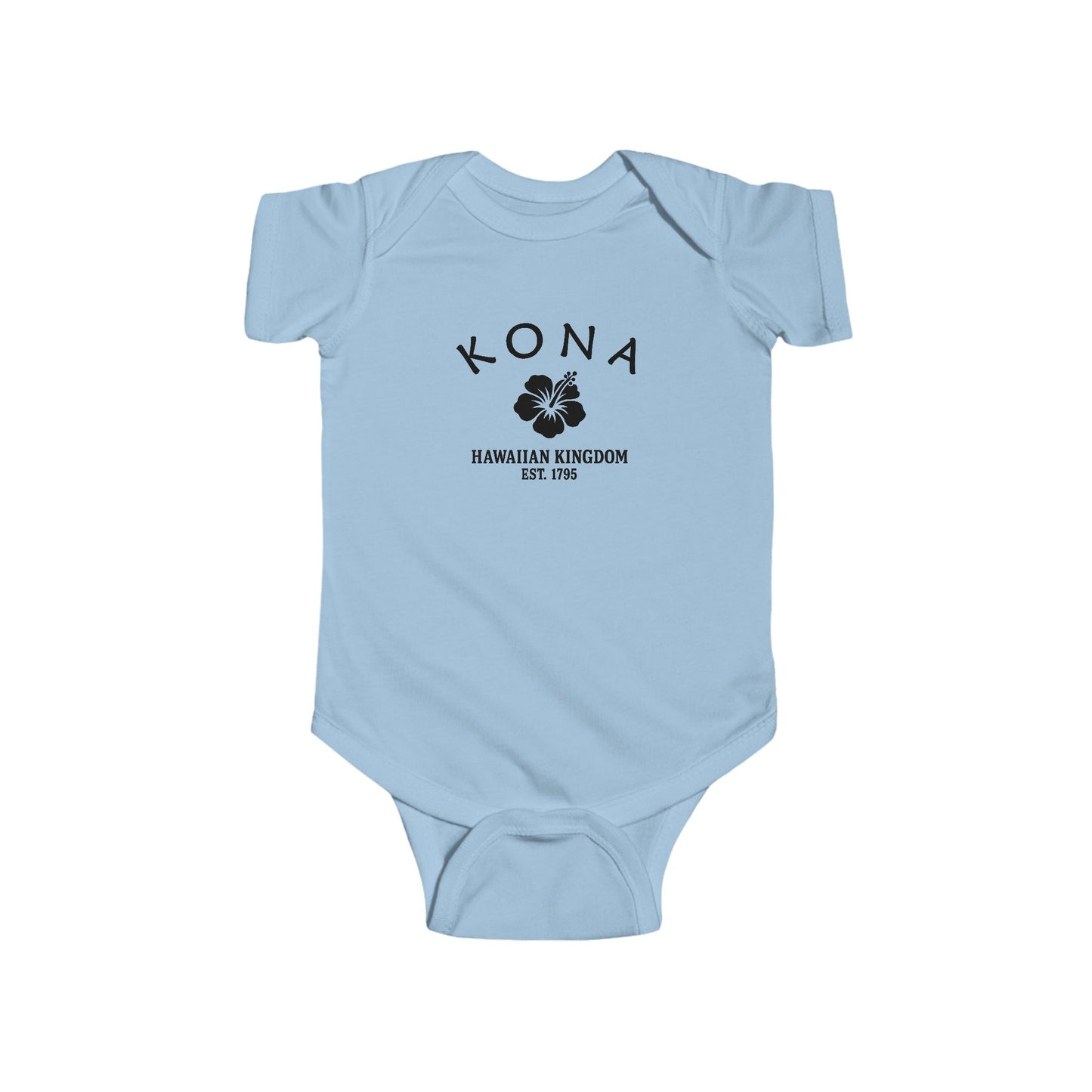
The coffee belt. On the slopes of Hualālai above the town, at 800 to 2,500 feet where morning sun gives way to afternoon cloud, lies the Kona Coffee Belt — the only place in the United States where coffee has been grown at commercial scale for more than a century. The belt was built largely by Japanese immigrant families who came to Hawaiʻi's plantations in the late 1800s and took up coffee land around Hōlualoa and the upland villages; many of those farms are still worked by their third- and fourth-generation descendants, alongside Filipino, Portuguese, and Native Hawaiian farming families. The November coffee festival that fills the town each year is the oldest food festival in Hawaiʻi — a harvest celebration for a crop that made Kona's name known on every café menu in the world.
Kona holds the hinge of Hawaiian history in a single mile of shoreline: the heiau where a kingdom's founder died, the church where a new era began, the palace the royals kept coming back to, and the pier where the world now gathers. Our Kona designs gather that identity — the hibiscus, the coffee, the black-rock coast — into wearable form. On the Kona Coast since Kamehameha.
Why People Visit Kailua-Kona Hawaiʻi
- Tour Puuhonua o Honaunau, sacred refuge with temples and coastal lava platforms.
- Walk Kaloko Honokohau paths, fishponds, petroglyphs, and quiet shoreline coves.
- Visit Hulihee Palace, seaside residence with artifacts and galleries.
- Stroll Alii Drive, palms, seawalls, and ocean viewpoints along the strip.
- Stand by the Kailua Pier, boats and breezes over the turquoise bay.
