


What's with America's best beach? For years, when travel writers and the coastal scientists who rank such things went looking for the finest beach in the United States, they kept landing in the same place: Kapalua Bay, a small crescent of gold sand on the northwest corner of Maui, cradled between two black lava points that reach into the water like a pair of arms. Those points knock down the swell, so the cove stays calm and clear over a living reef — easy swimming and snorkeling in postcard-blue water, with the islands of Molokai and Lanai floating on the horizon. The bay is the reason the name fits: Kapalua means "arms embracing the sea." One look at the cove and you stop wondering why.
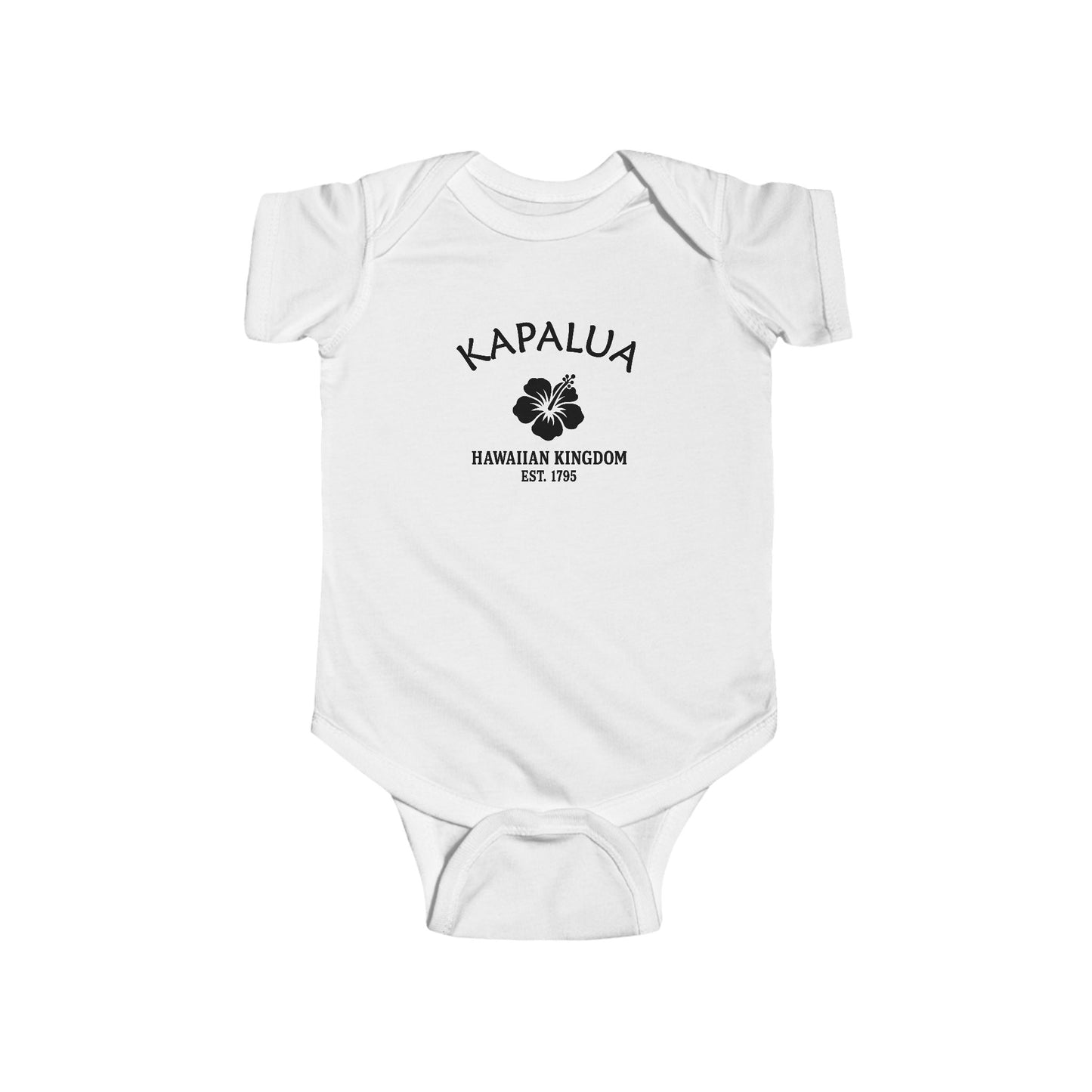
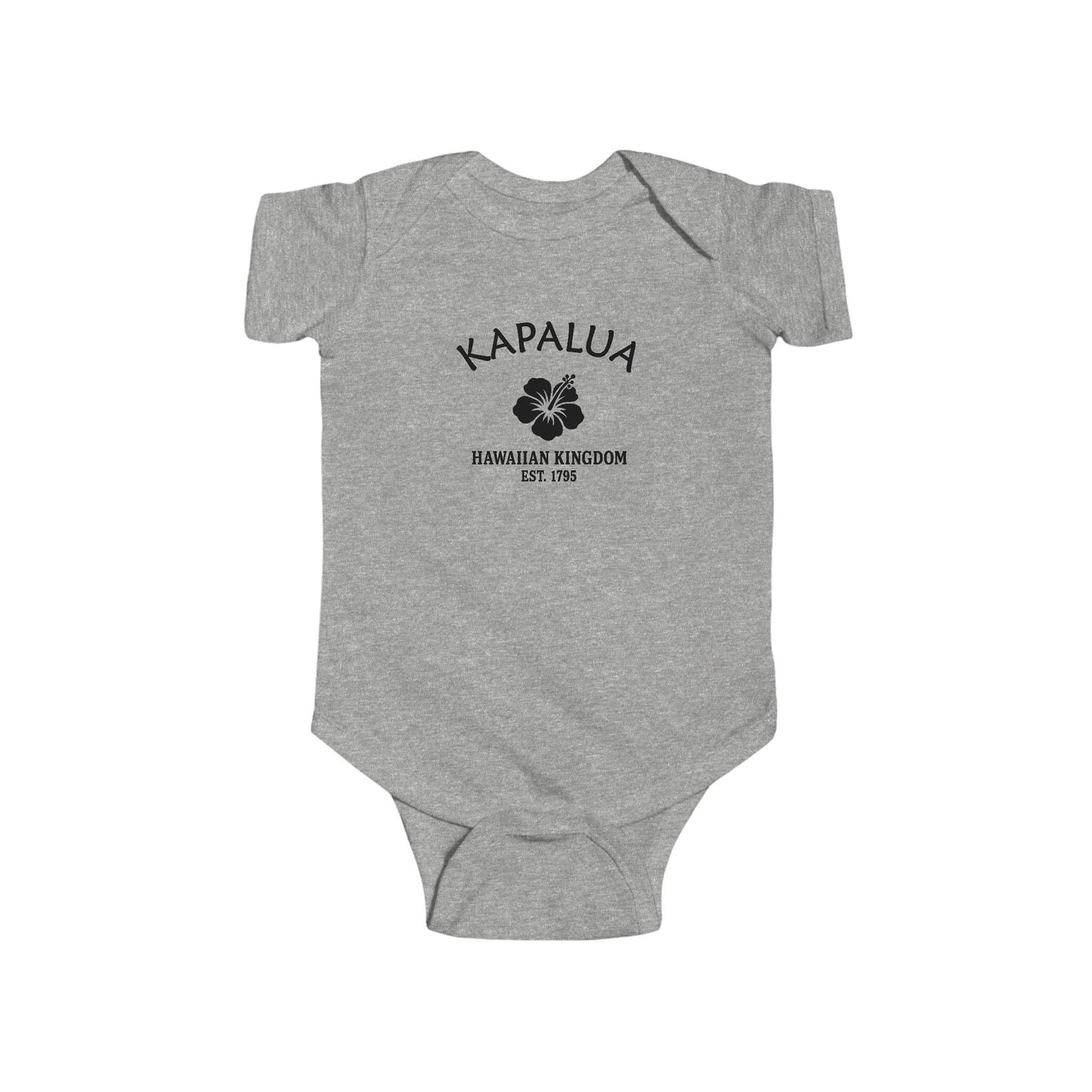
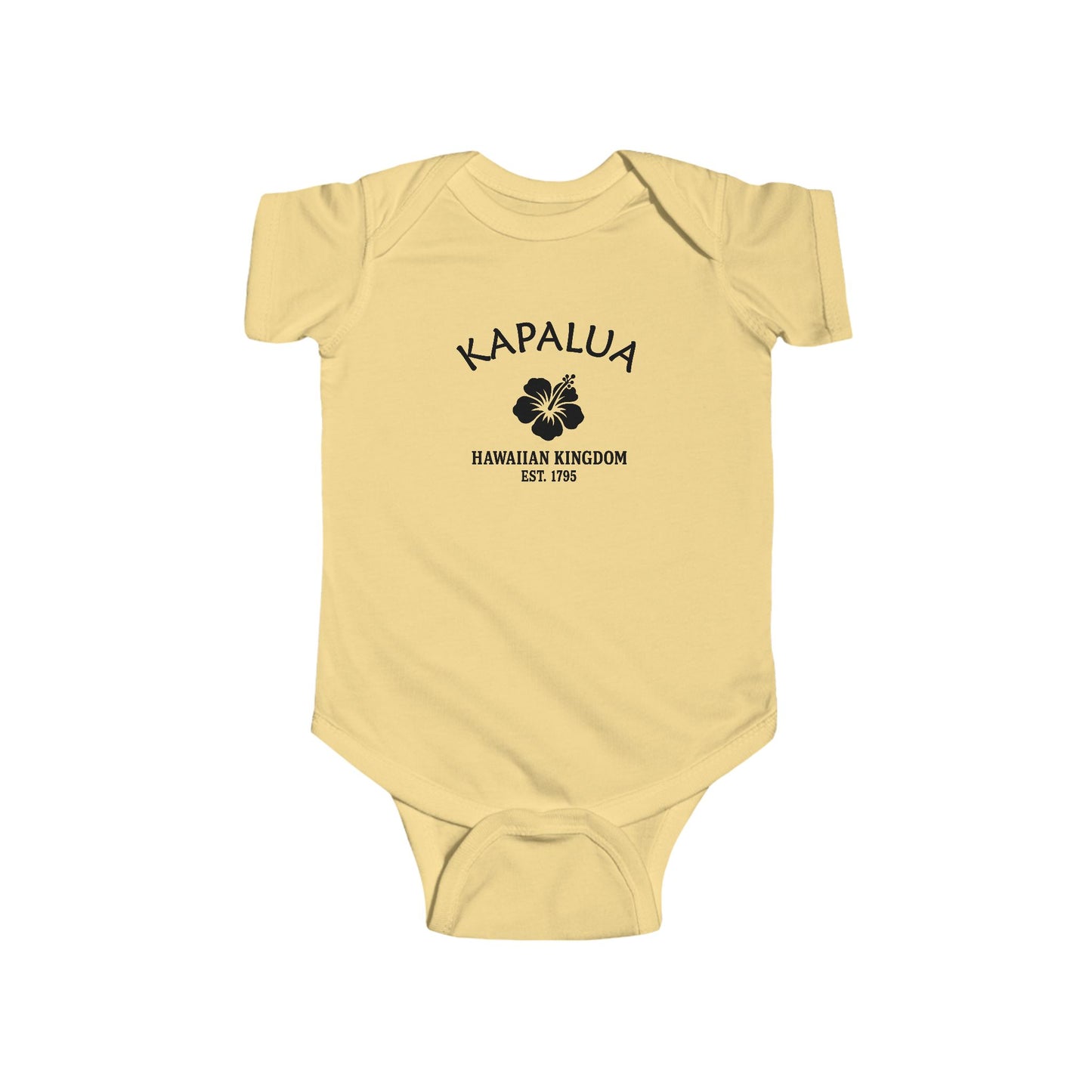
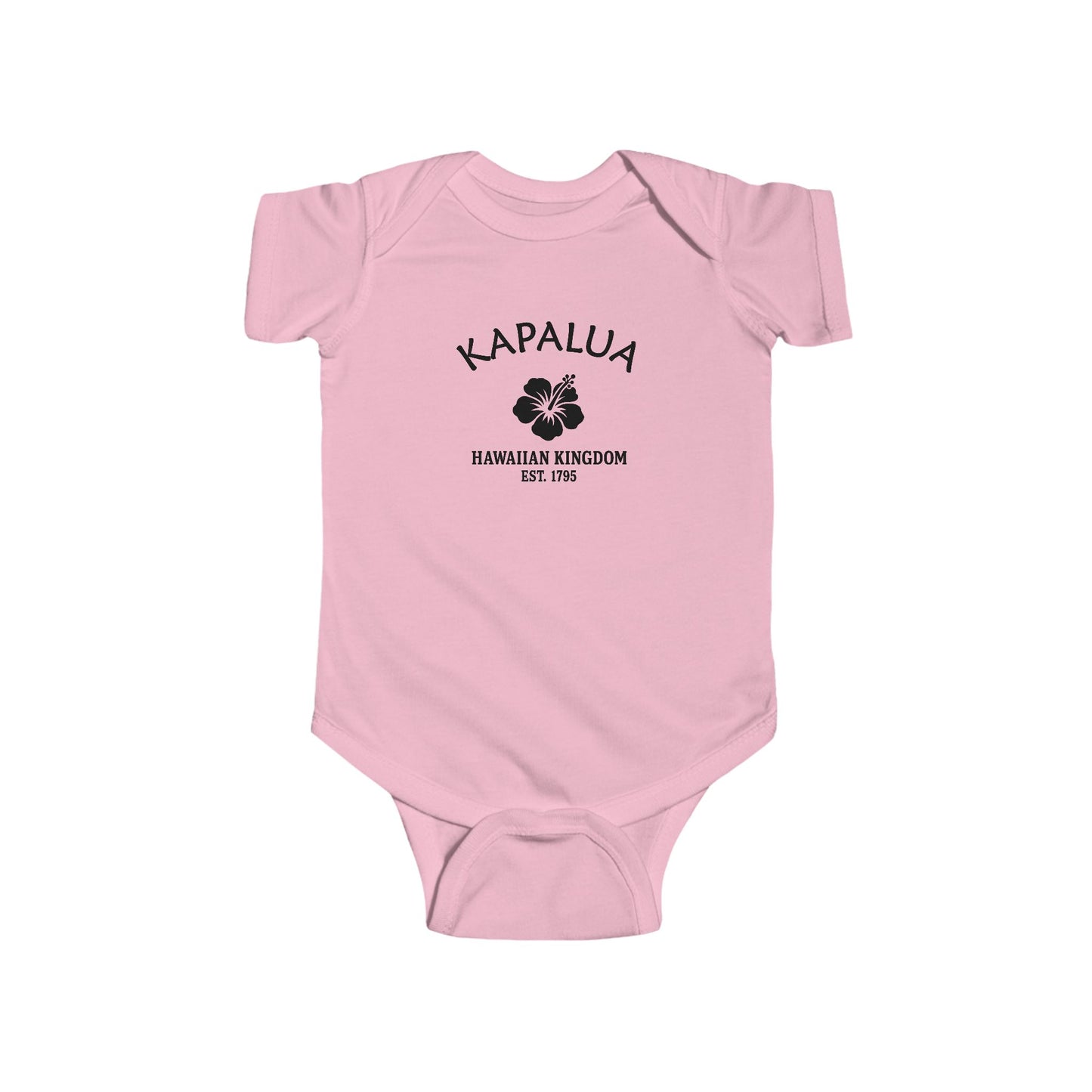
Our Kapalua logo carries the Hawaiian hibiscus above "Hawaiian Kingdom — Est. 1795," the shared retro emblem of our Hawaii towns; the hibiscus stands for the islands themselves, and 1795 marks the year Kamehameha I brought most of the Hawaiian Islands together into a single kingdom. Rendered in worn black-and-white, like a vintage travel decal or a fruit-crate label, it ties Kapalua to every other Hawaii place we make. What makes this one Kapalua is the story behind the mark — the embracing bay, the pineapple plantation, and the golf coast that grew up where the fields once ran.
Why People Visit Kapalua
Visitors come to Kapalua for the bays — the calm, reef-fringed water that earns the best-beach lists — and stay for the layered scenery: a manicured golf coast, plantation uplands, and the channel islands on the horizon. It is quiet, walkable, and built to let West Maui's landscape take the lead. Equal parts beach, history, and big ocean views, Kapalua rewards anyone who wants the Hawaiian coast at its most embracing.
