


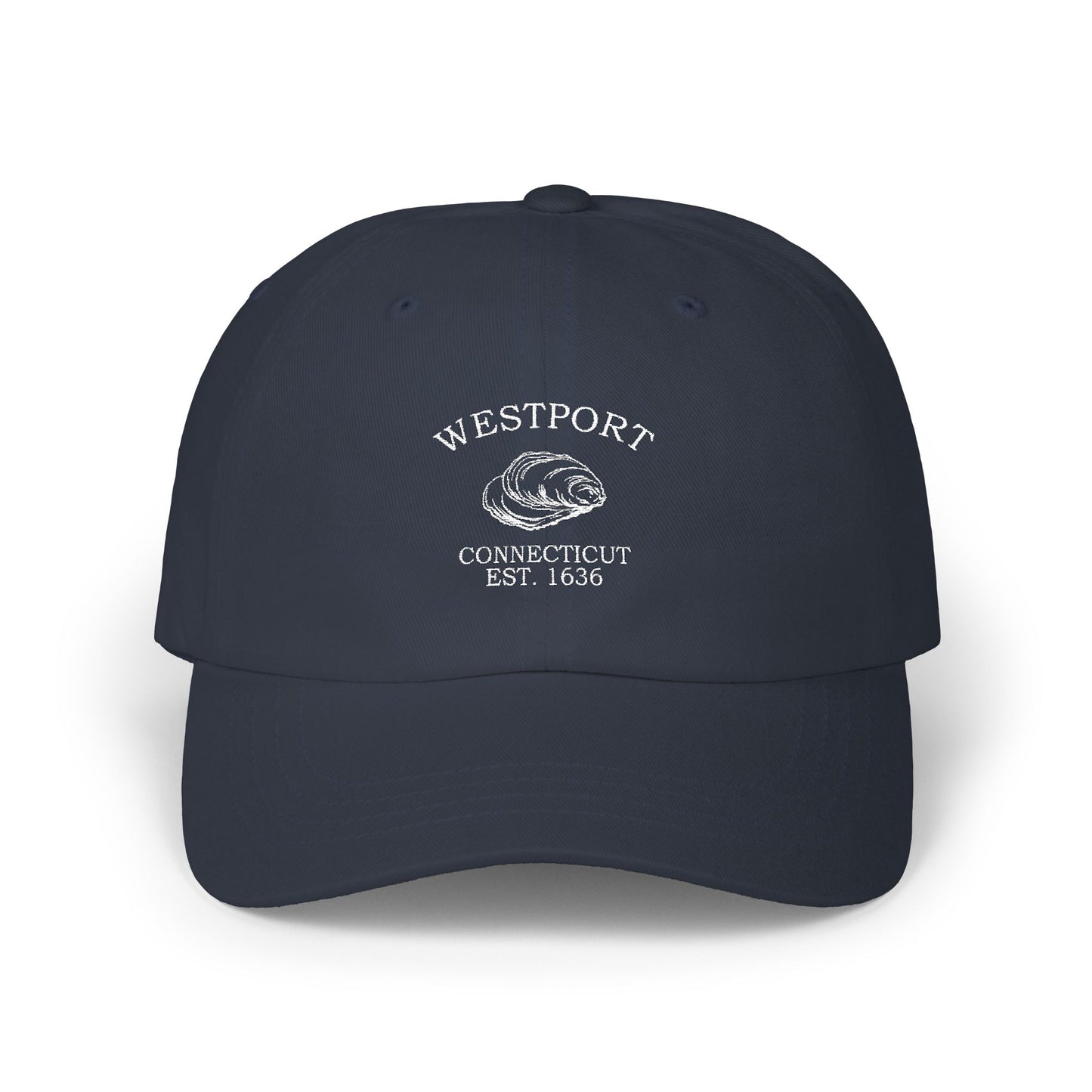
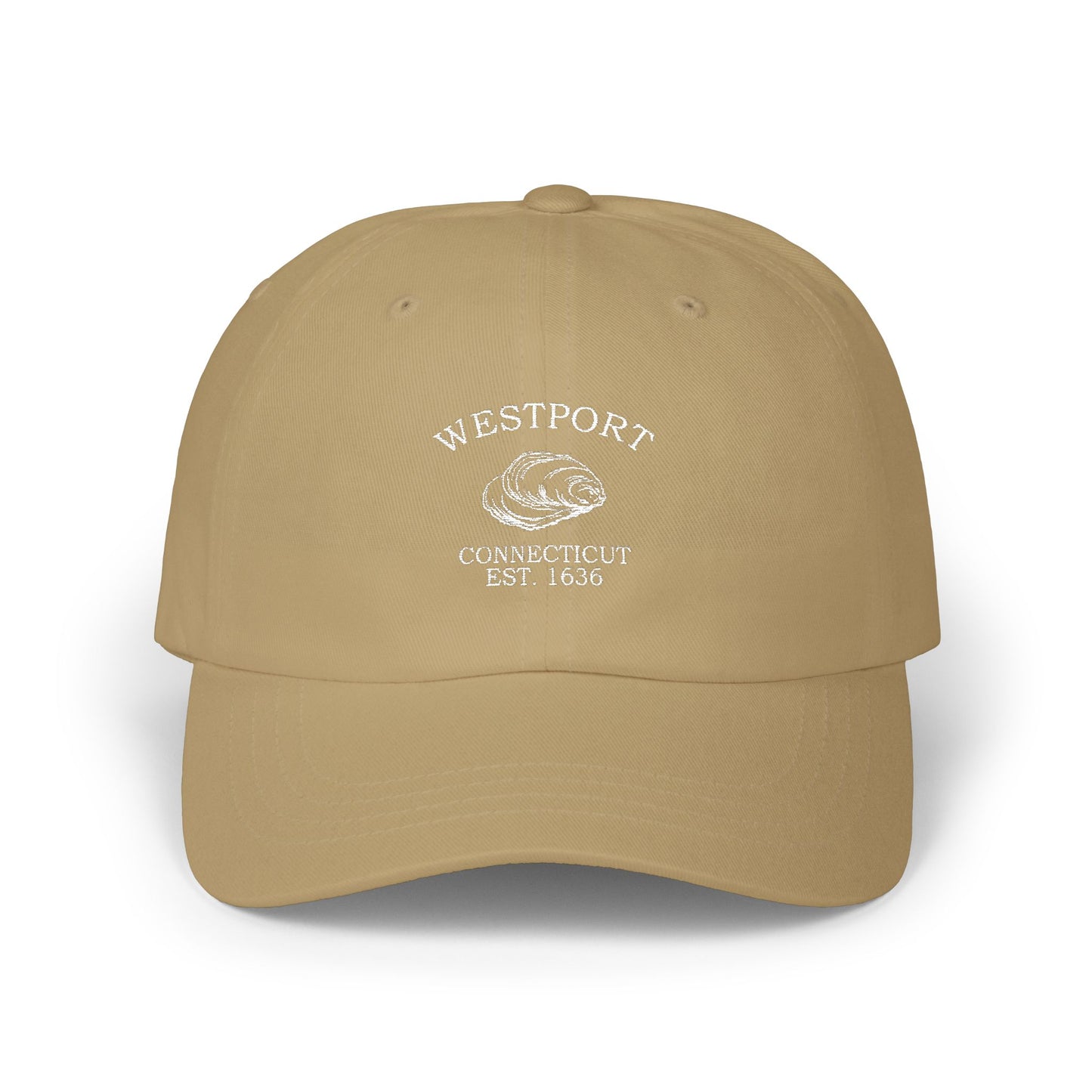
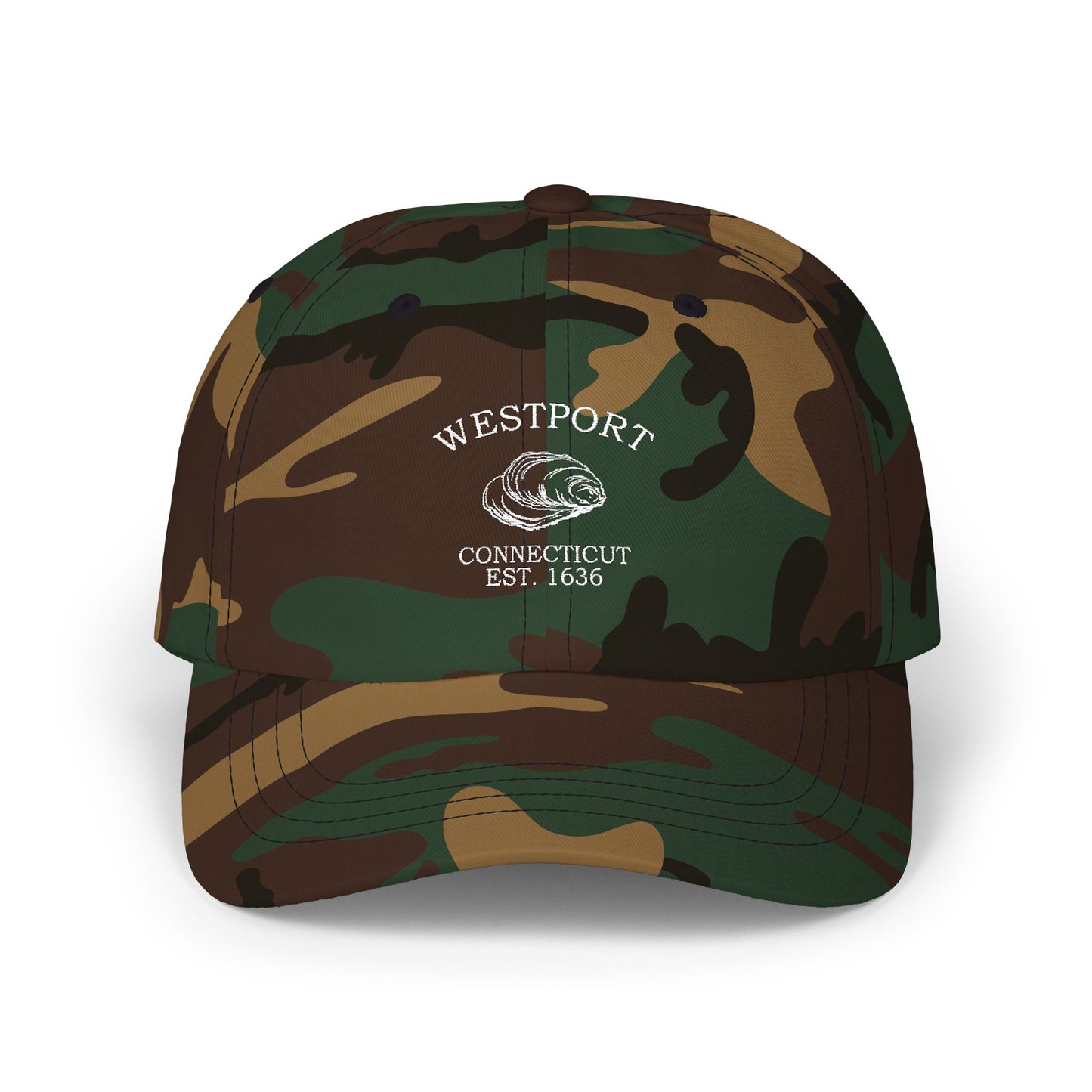
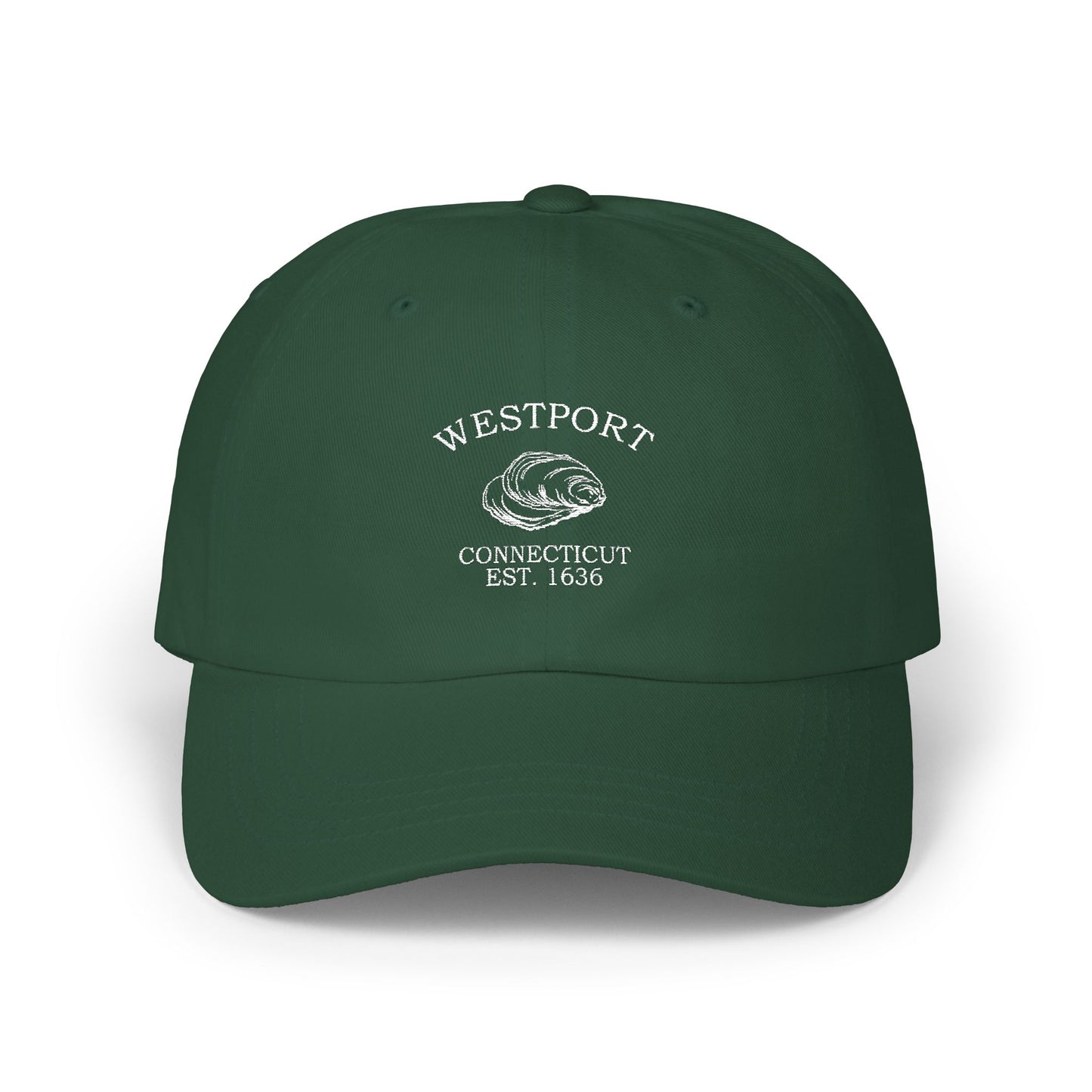
Where the British came ashore — and the minutemen met them on the way back. On the morning of April 25, 1777, some eighteen hundred British troops landed on the Long Island Sound shore at Compo Beach and marched inland to burn the Continental supply depot at Danbury. On their retreat to the ships, the local militia caught them at the Battle of Compo Hill. More than a century later the town raised a Minute Man on the bluff above the beach to remember the men who stood there. That shore is the heart of Westport, Connecticut — a town that grew up around the Saugatuck River shipping village, became a noted onion-farming center, and then turned into one of America's great arts colonies.
Westport's stories run from the shore to the easel. They'll tell you the town was once the Onion Capital, and that the Saugatuck once carried more shipping than you'd ever guess from its quiet drawbridge today. They'll tell you that around 1920 a young writer named F. Scott Fitzgerald rented a house on Compo Road South, and that the Sound-shore world he found here is bound up with the one he would later put into The Great Gatsby. And along the old Post Road, mid-century travelers knew Westport by a roadside landmark — the Clam Box, a seafood stop whose sign and silhouette are pure New England. Onions, artists, redcoats, and a writer on the shore: that's Westport.
Why People Visit Westport Connecticut
Westport draws people who love the shore, the arts, and a good story. It is a Revolutionary-War landing site with a Minute Man on the beach, a colonial shipping village turned arts colony, and a Long Island Sound shoreline of beaches, river, and marsh. Visitors come for the rare mix — history you can stand on at Compo, theater and music in the summer, and a refined New England coast an easy train ride from New York.
