


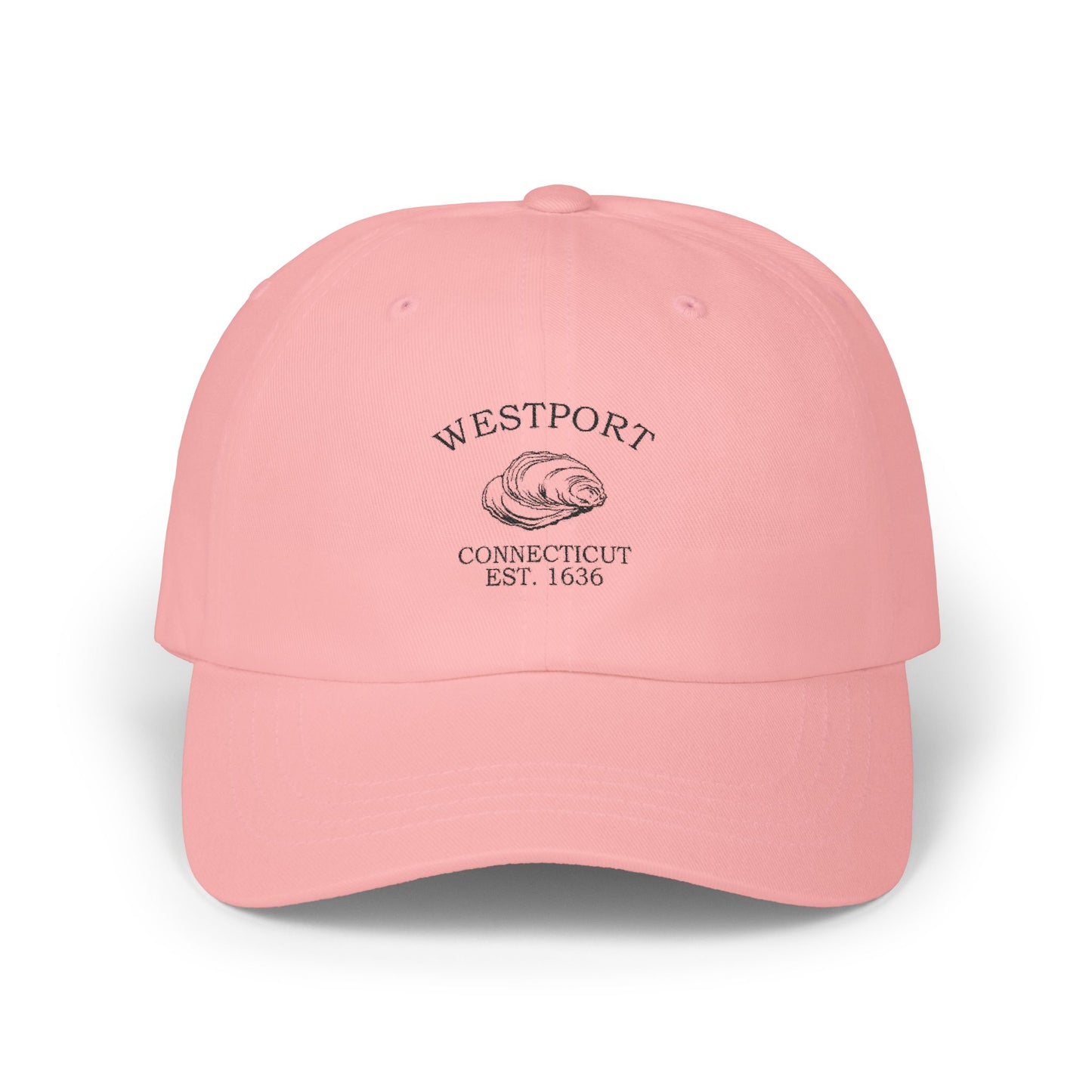
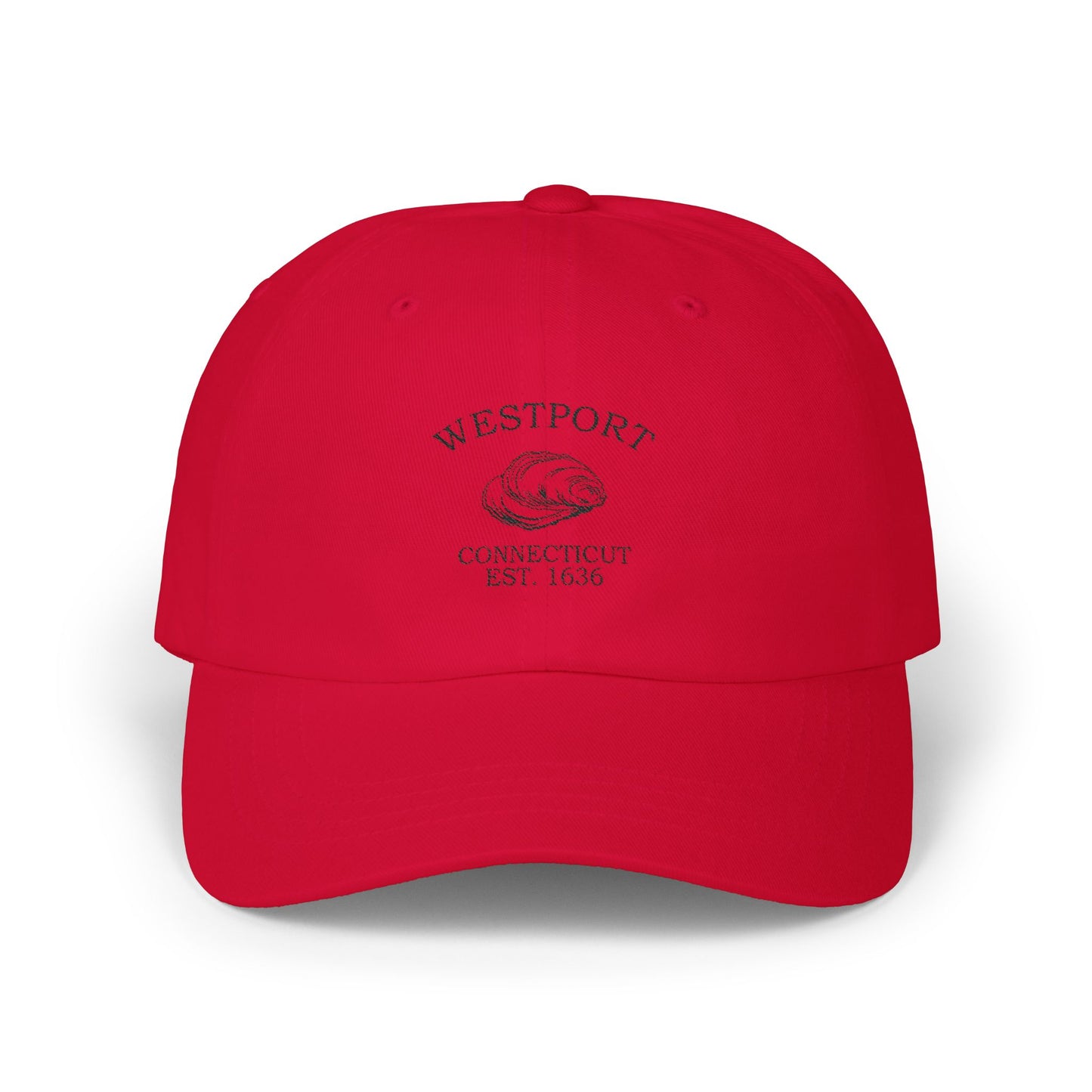
Westport's stories run from the shore to the easel. They'll tell you the town was once the Onion Capital, and that the Saugatuck once carried more shipping than you'd ever guess from its quiet drawbridge today. They'll tell you that around 1920 a young writer named F. Scott Fitzgerald rented a house on Compo Road South, and that the Sound-shore world he found here is bound up with the one he would later put into The Great Gatsby. And along the old Post Road, mid-century travelers knew Westport by a roadside landmark — the Clam Box, a seafood stop whose sign and silhouette are pure New England. Onions, artists, redcoats, and a writer on the shore: that's Westport.
The land along the Saugatuck and the Sound was the homeland of Indigenous people long before the colonists, and the older colonial core of the area — the Bankside farms of the Greens Farms section — dates to the 1640s. But the Westport story turns on the river and the Revolution. The Saugatuck River shipping village grew into a busy little port, and that prosperity is why the British came: the 1777 landing at Compo and the running fight at Compo Hill put Westport on the map of the Revolution. In 1835 the town was formally incorporated as Westport, drawn from parts of Norwalk, Fairfield, and Weston around the harbor and the Post Road.
Why People Visit Westport Connecticut
- Spend a day at Compo Beach, the town's Sound-front park, and find the Minute Man statue on the bluff above the 1777 landing site.
- Walk the Saugatuck River waterfront and the historic Saugatuck village, the colonial shipping center the town grew from.
- Catch a show at the Westport Country Playhouse, founded in 1931 in a converted 1835 tannery, or a summer concert at the Levitt Pavilion.
- Browse downtown Main Street and the river walk, with shops and galleries near the water.
- Visit Sherwood Island State Park, Connecticut's first state park, in the Greens Farms section of town.
- Read up at the Westport Library before exploring the town's deep arts-colony history.
