


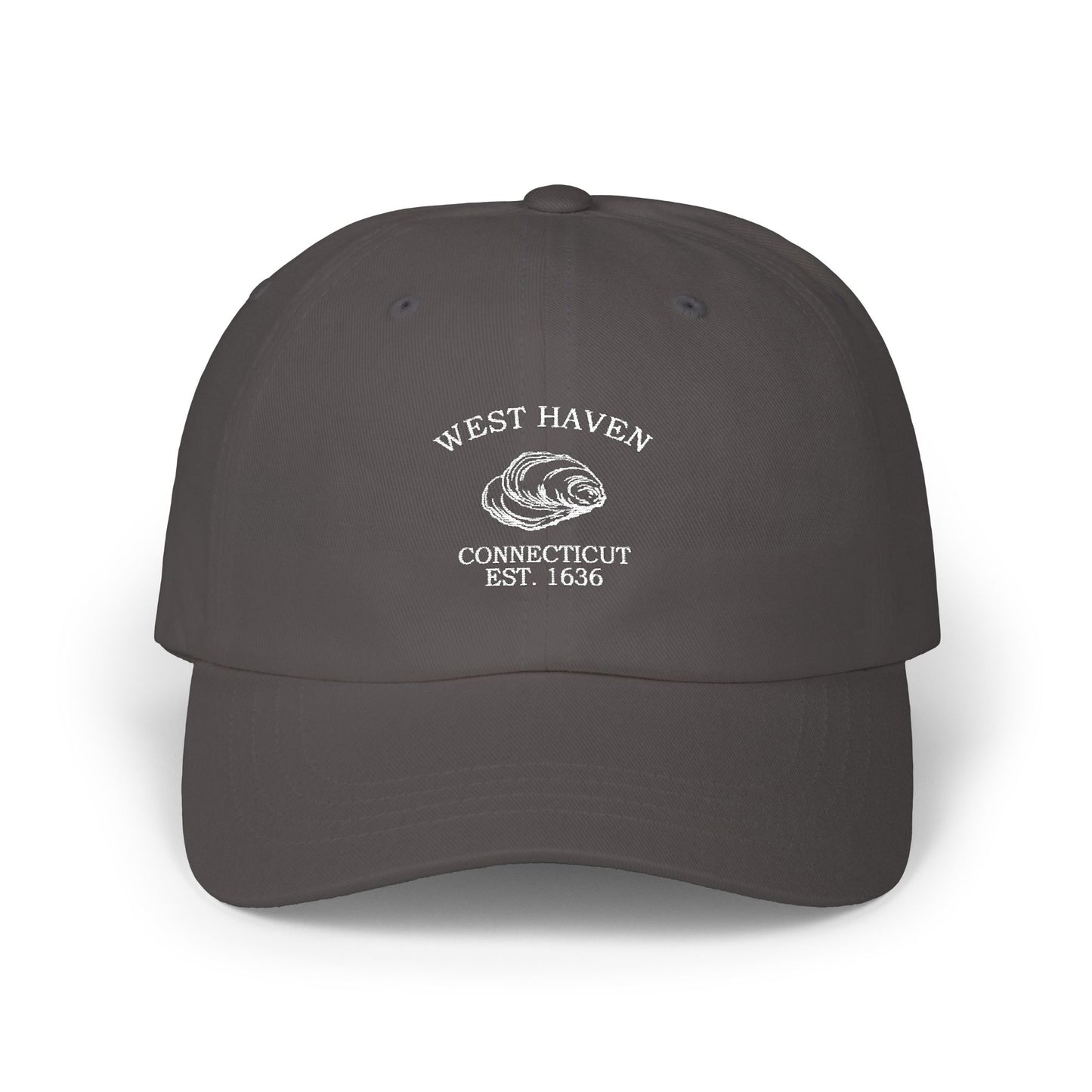
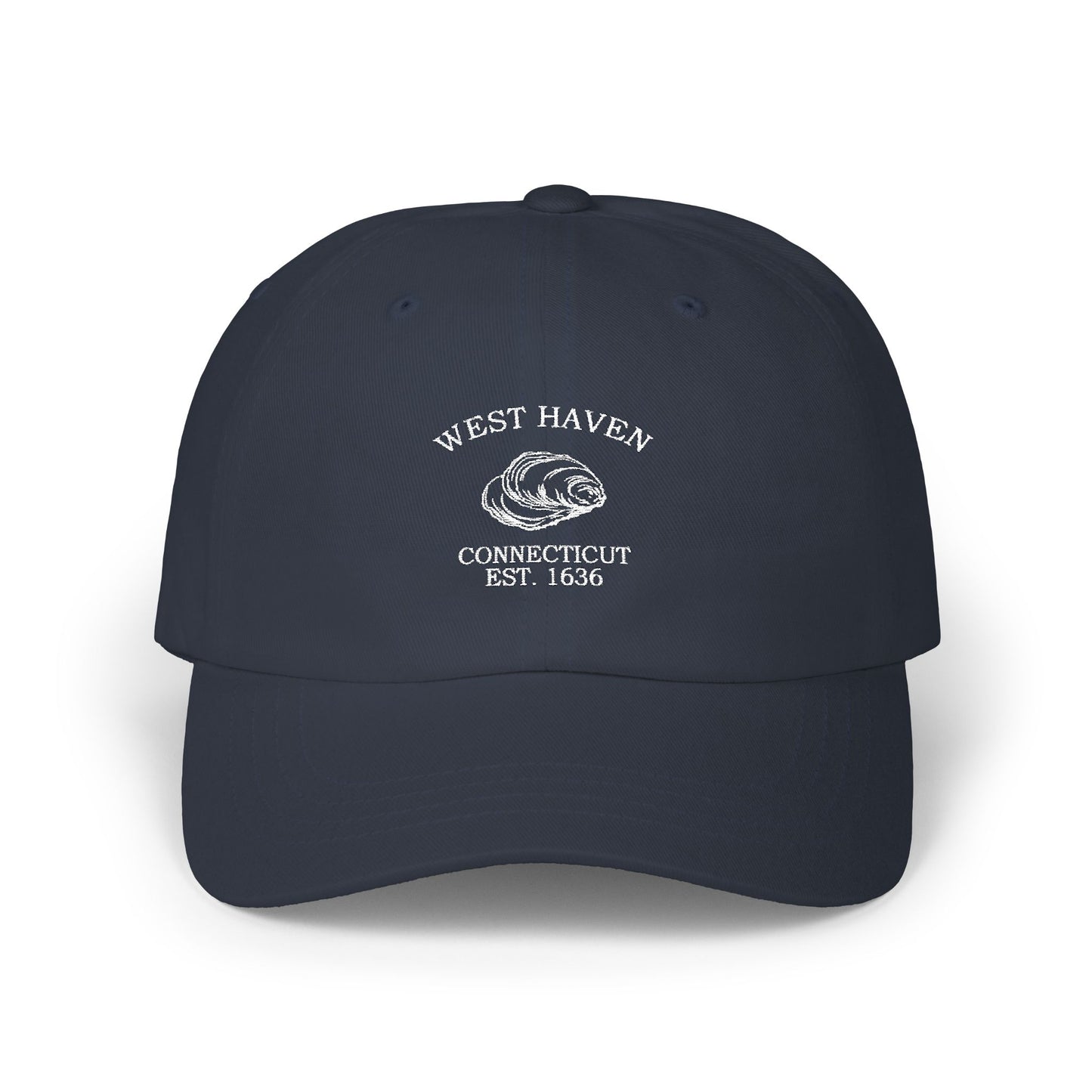
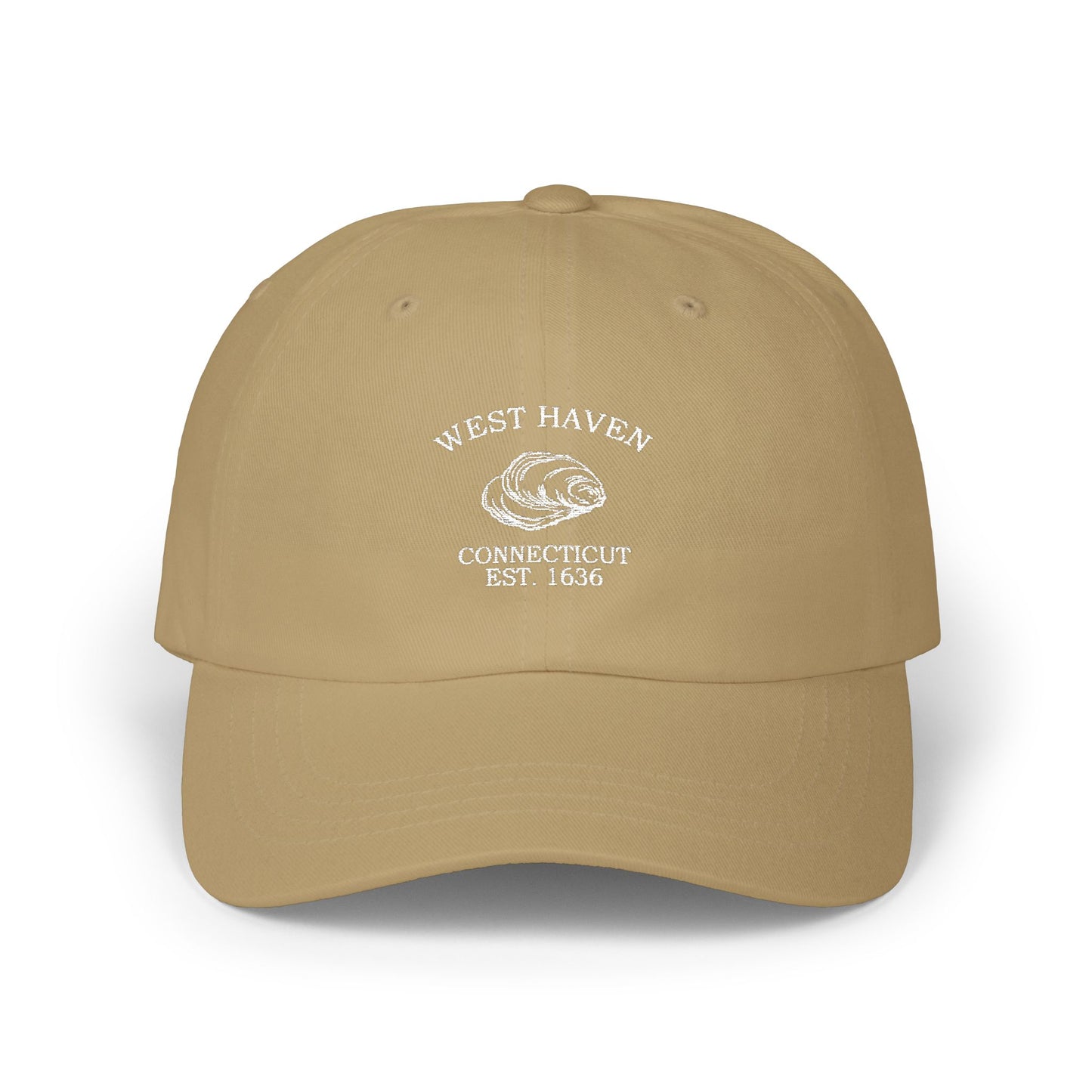
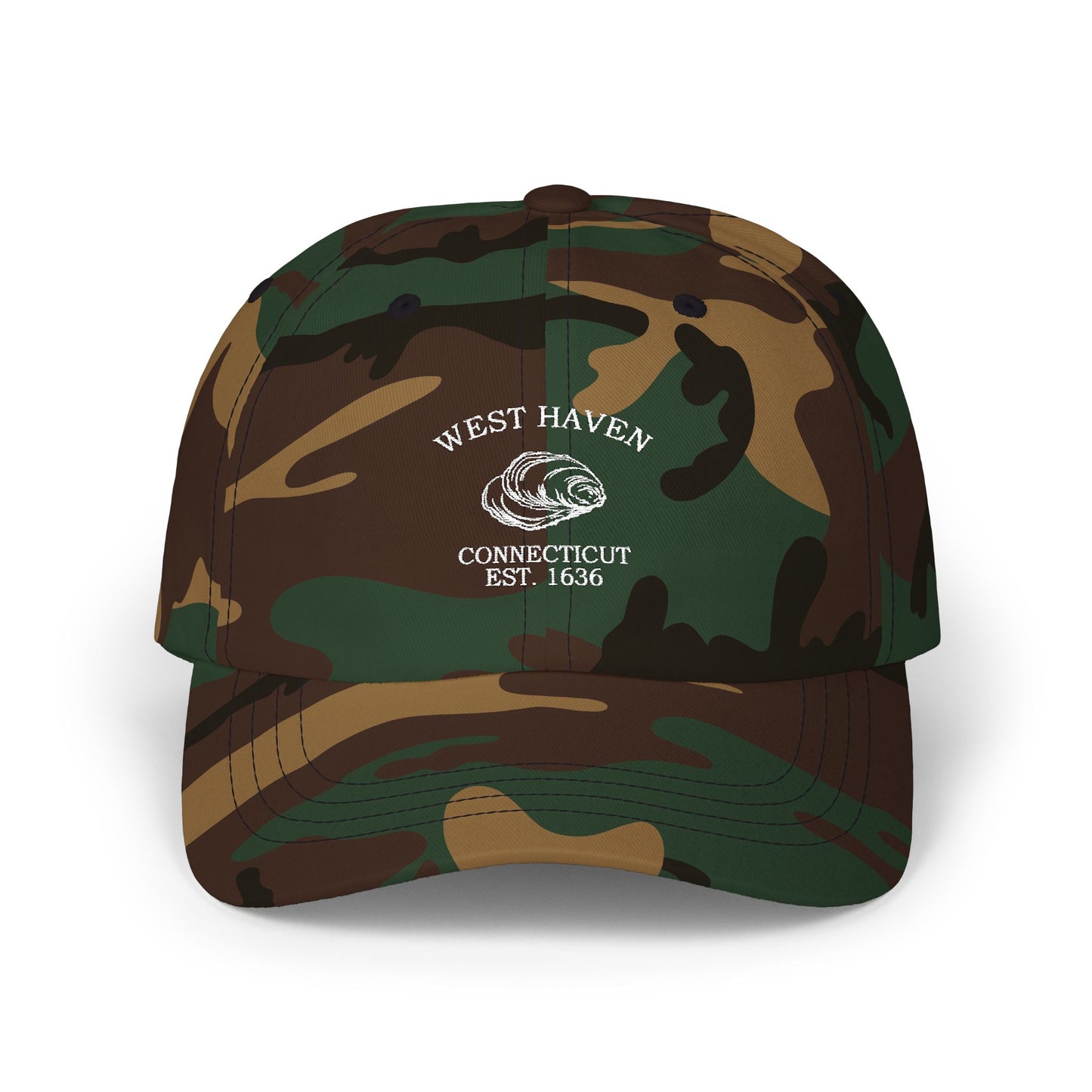
There is more to West Haven than the Rock. The old West Haven Green still anchors the town with its churches and Revolutionary monuments; nineteenth-century buckle shops and, later, the Armstrong Rubber works gave it an industrial backbone; and the University of New Haven — which sits, confusingly, in West Haven rather than New Haven — brings students to the western shore. The city keeps its own identity beside its larger neighbor: not New Haven, but the shore town just to its west, with the longer beach and the older memory of summer.
The shore has not always been peaceful. In July 1779 a British and Hessian force landed on the West Haven beaches on its way to raid New Haven, and the local militia fought a running skirmish across the flats. The raid is remembered today for a British officer, Adjutant William Campbell, who was killed after sparing the life of an elderly minister — ‘the humane Briton,’ local memory calls him. He is believed to be the only foreign soldier buried on American soil with military honors, and Campbell Avenue, West Haven's main street, still carries his name.
Why People Visit West Haven
West Haven appeals with simple shoreline beauty and strong local pride. Visitors pair long beach and boardwalk walks with small museums, the historic Green, and the nostalgia of Savin Rock. It is relaxed, local, and close to the water, with year-round appeal in its parks, paths, and public spaces. The vintage-summer feeling of the old amusement park is evergreen, and history and everyday shoreline life sit side by side in a welcoming way.
