


What's with Savin Rock? For nearly a century it was the brightest place on Long Island Sound. Savin Rock was West Haven's seaside amusement park — ‘Connecticut's Coney Island,’ the ‘playground of New England’ — a waterfront packed with wooden roller coasters, a carousel, a midway, and a long lighted pier reaching out over the water. In its early-1900s heyday they called it the ‘White City’ for the thousands of electric bulbs that turned night into day, and at its peak more than a million people a year came to ride, to stroll the boardwalk, and to eat fried clams by the Sound. The rides are gone now — the park closed in 1966 — but the boardwalk still runs, and the name still carries the whole summer with it.
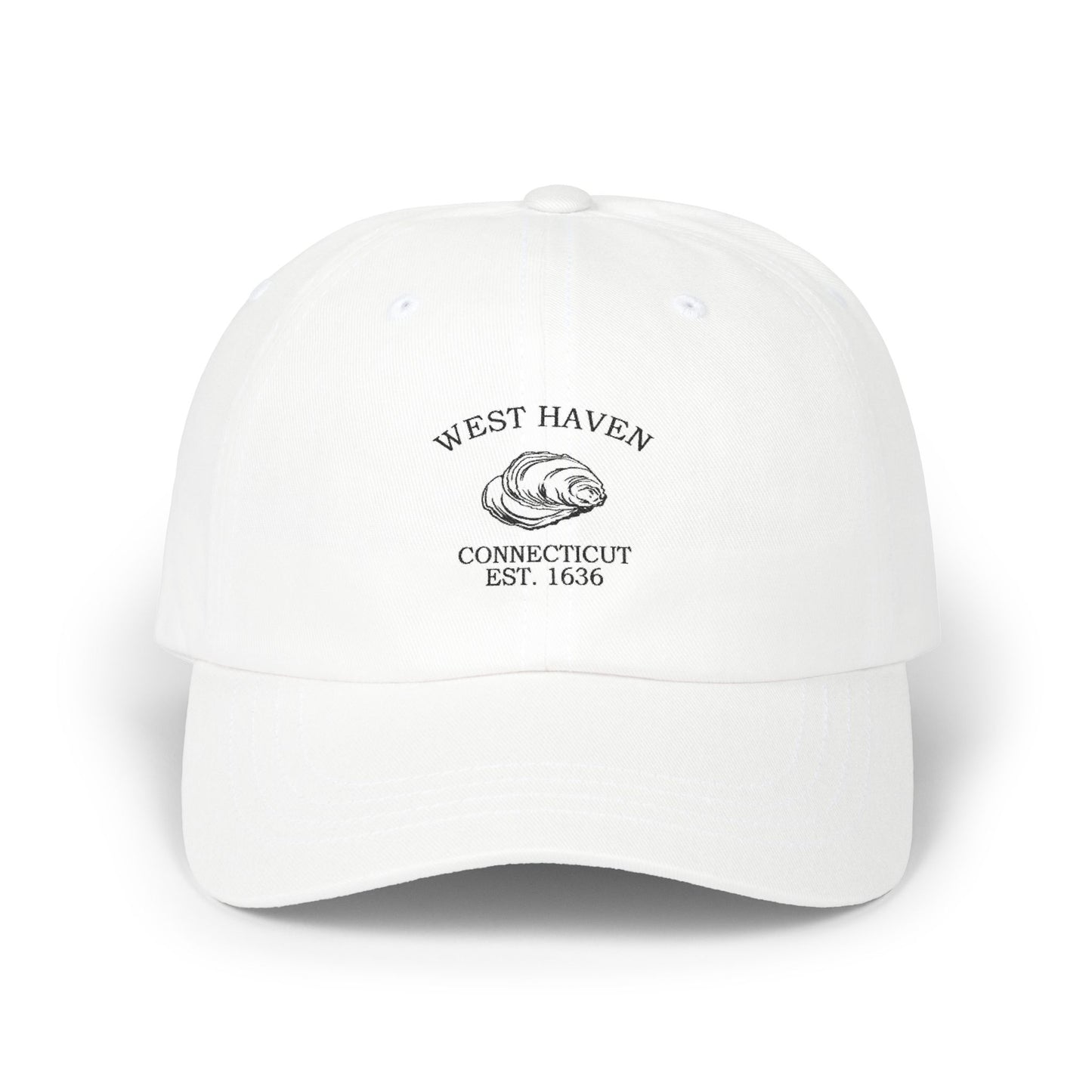
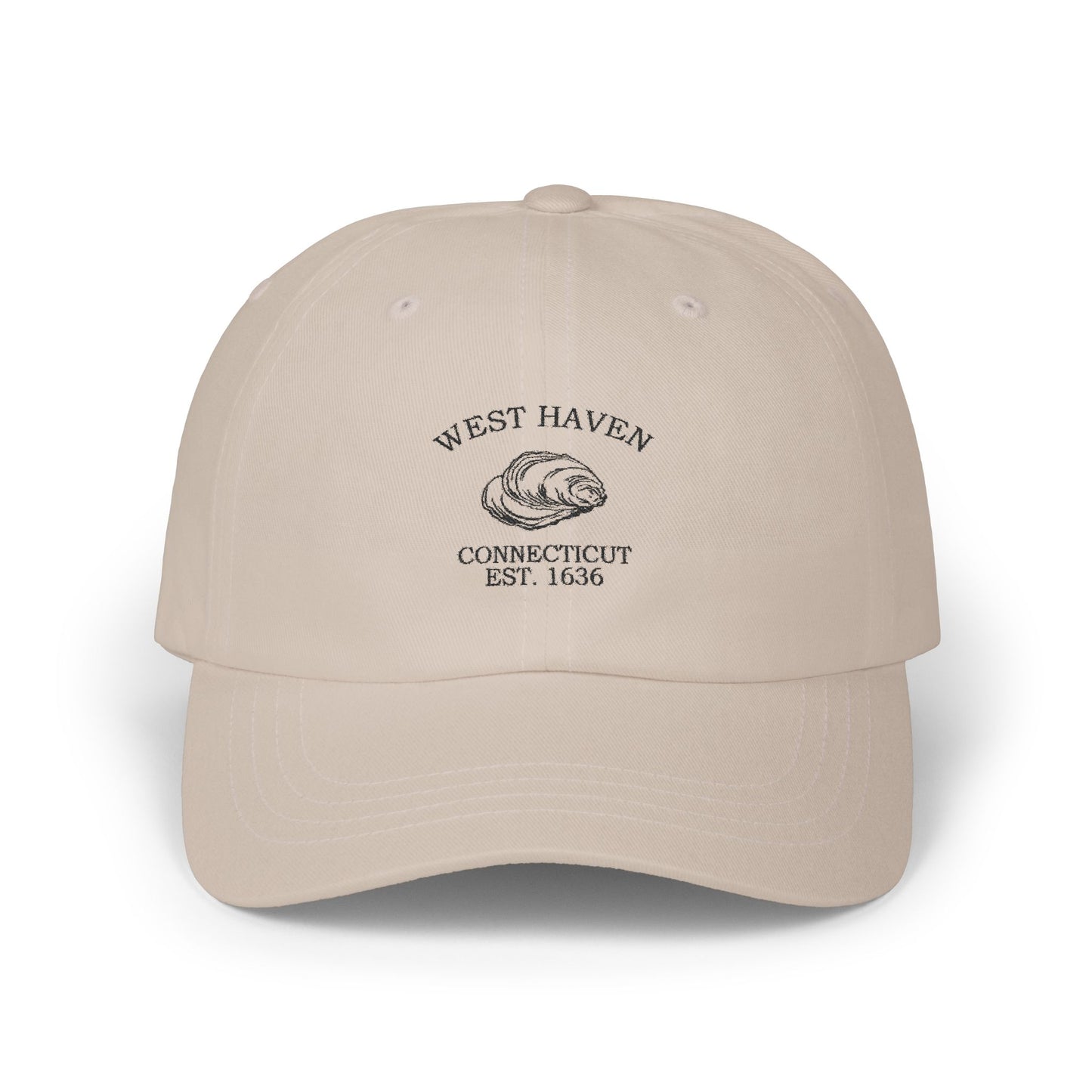
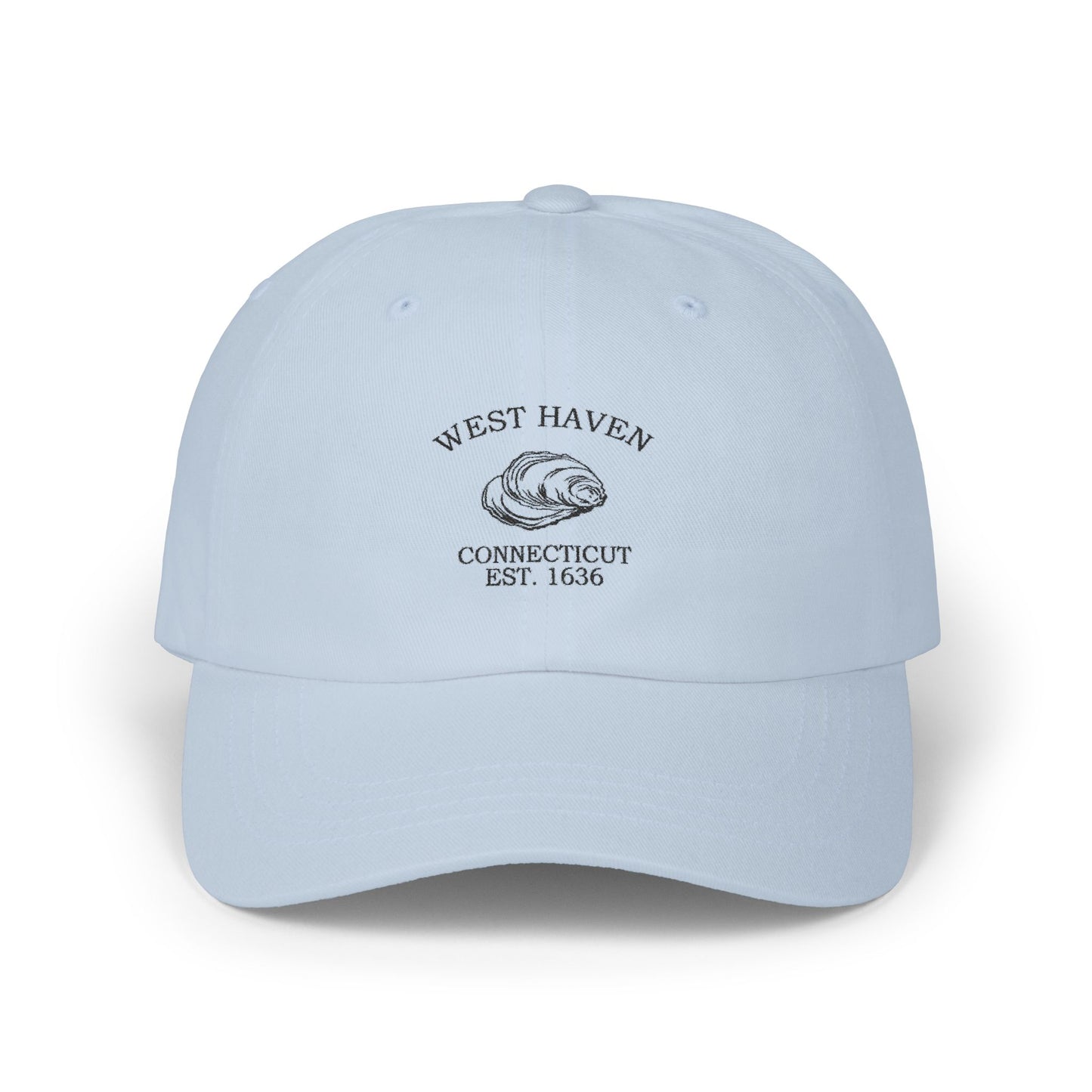
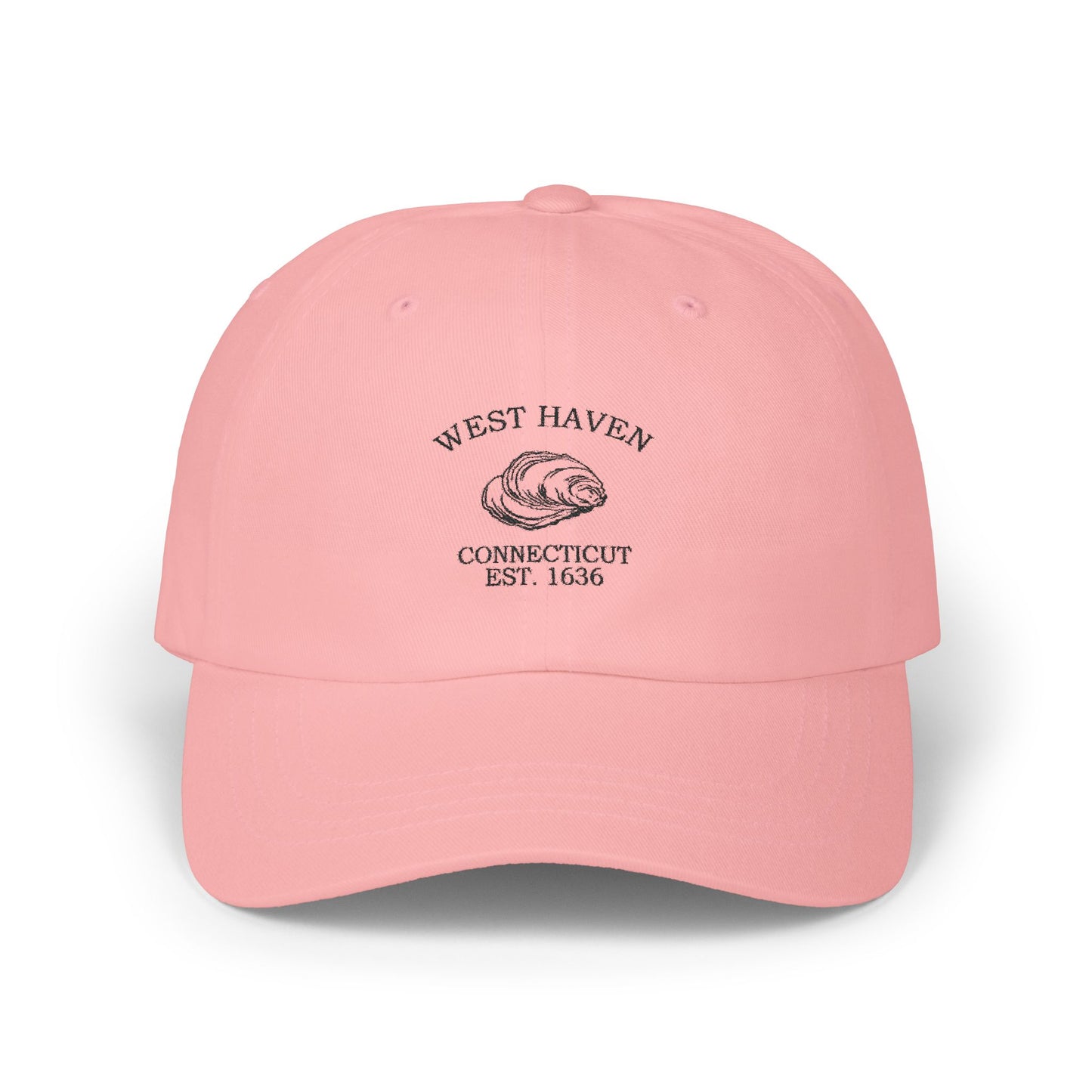
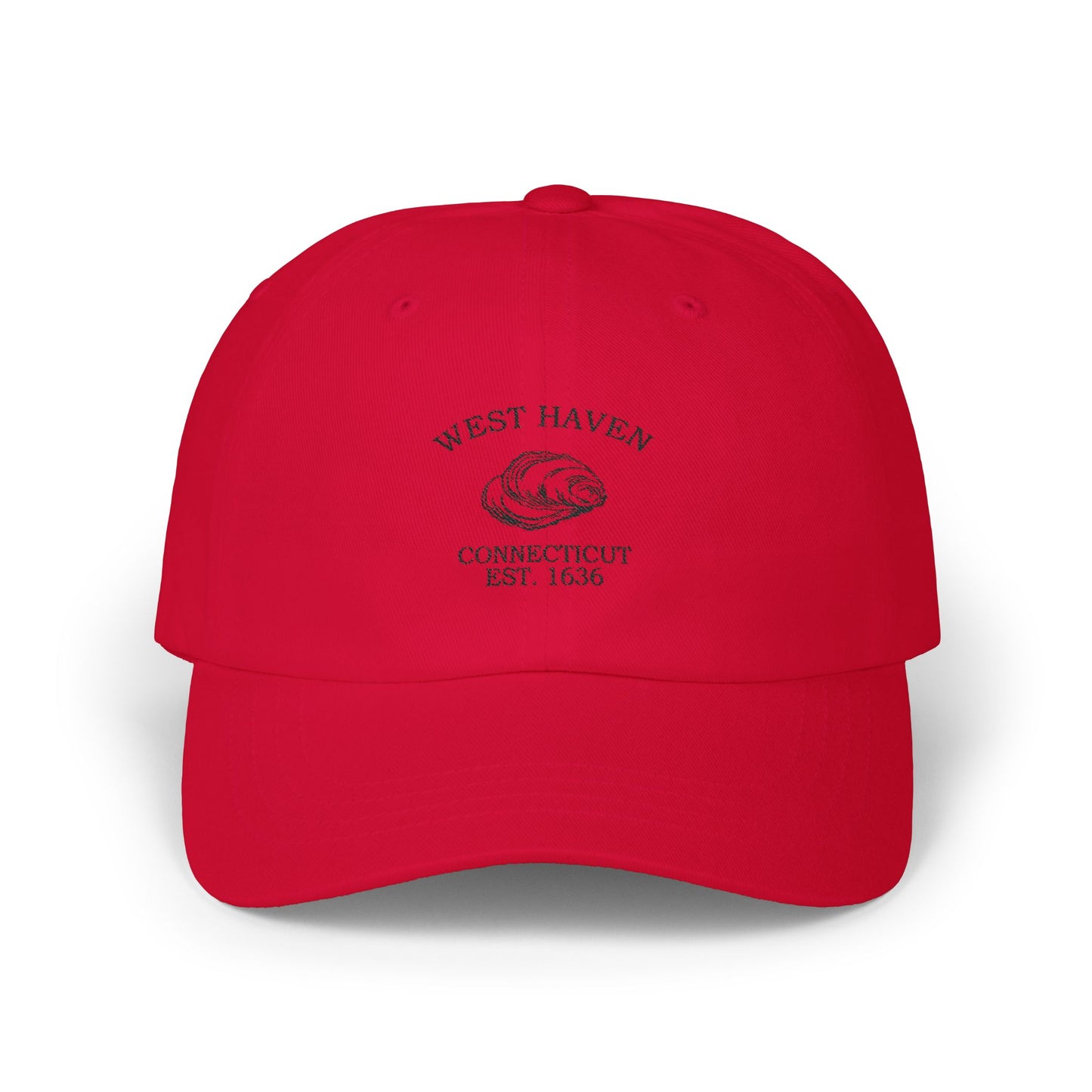
Our West Haven logo carries Connecticut's oyster above ‘Connecticut — Est. 1636,’ the shared retro emblem of our Connecticut towns. The oyster is the state shellfish, a nod to the shoreline beds the Quinnipiac and the early settlers worked, and 1636 marks the founding of the Connecticut Colony; the emblem is the through-line that links West Haven to every other Connecticut town we make. It fits a place that grew up on the water — oyster beds, shore dinners, and a boardwalk — rendered in the black-and-white style of an old crate label. What makes this one West Haven is Savin Rock underneath: a town that turned its shore into a holiday.
Why People Visit West Haven
West Haven appeals with simple shoreline beauty and strong local pride. Visitors pair long beach and boardwalk walks with small museums, the historic Green, and the nostalgia of Savin Rock. It is relaxed, local, and close to the water, with year-round appeal in its parks, paths, and public spaces. The vintage-summer feeling of the old amusement park is evergreen, and history and everyday shoreline life sit side by side in a welcoming way.
