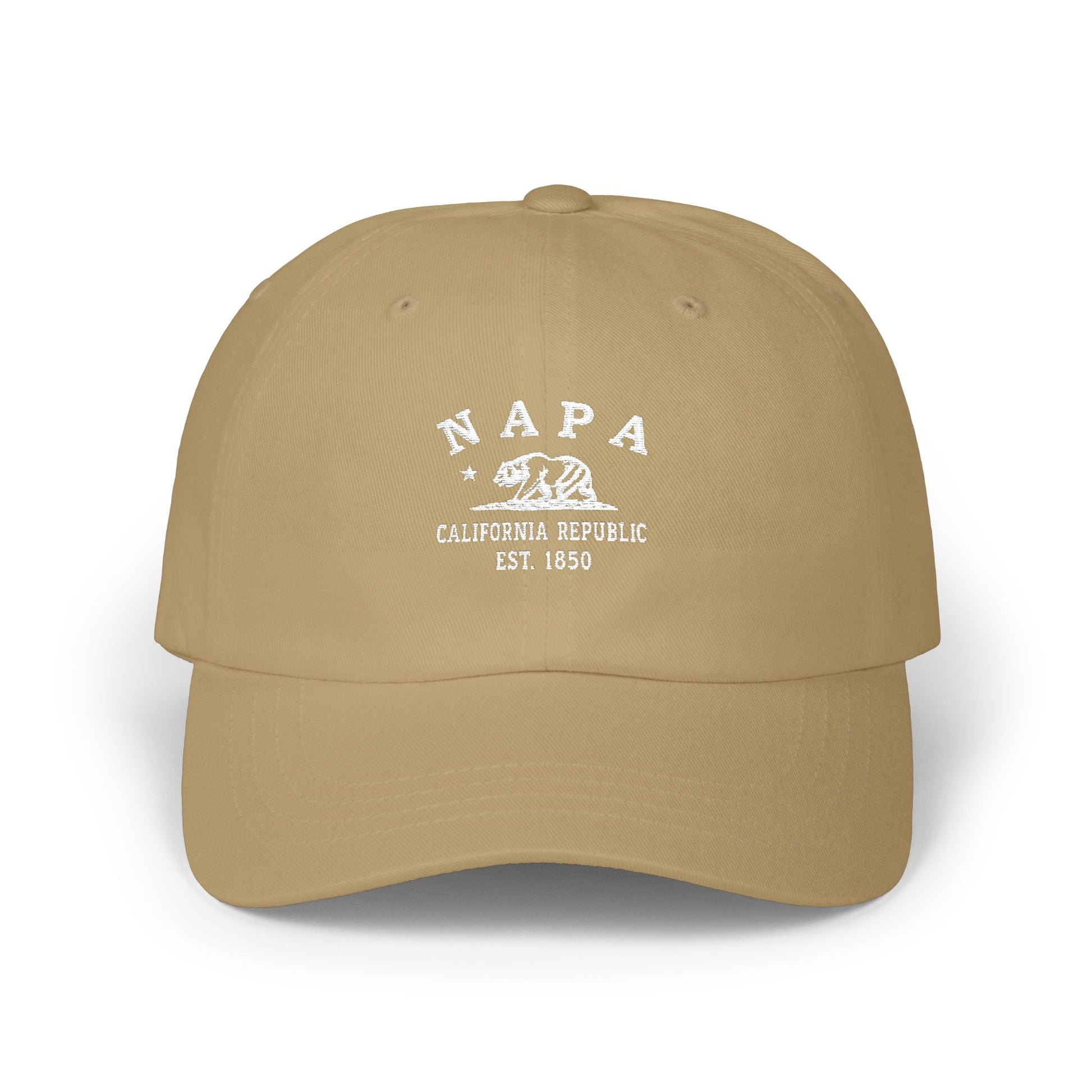
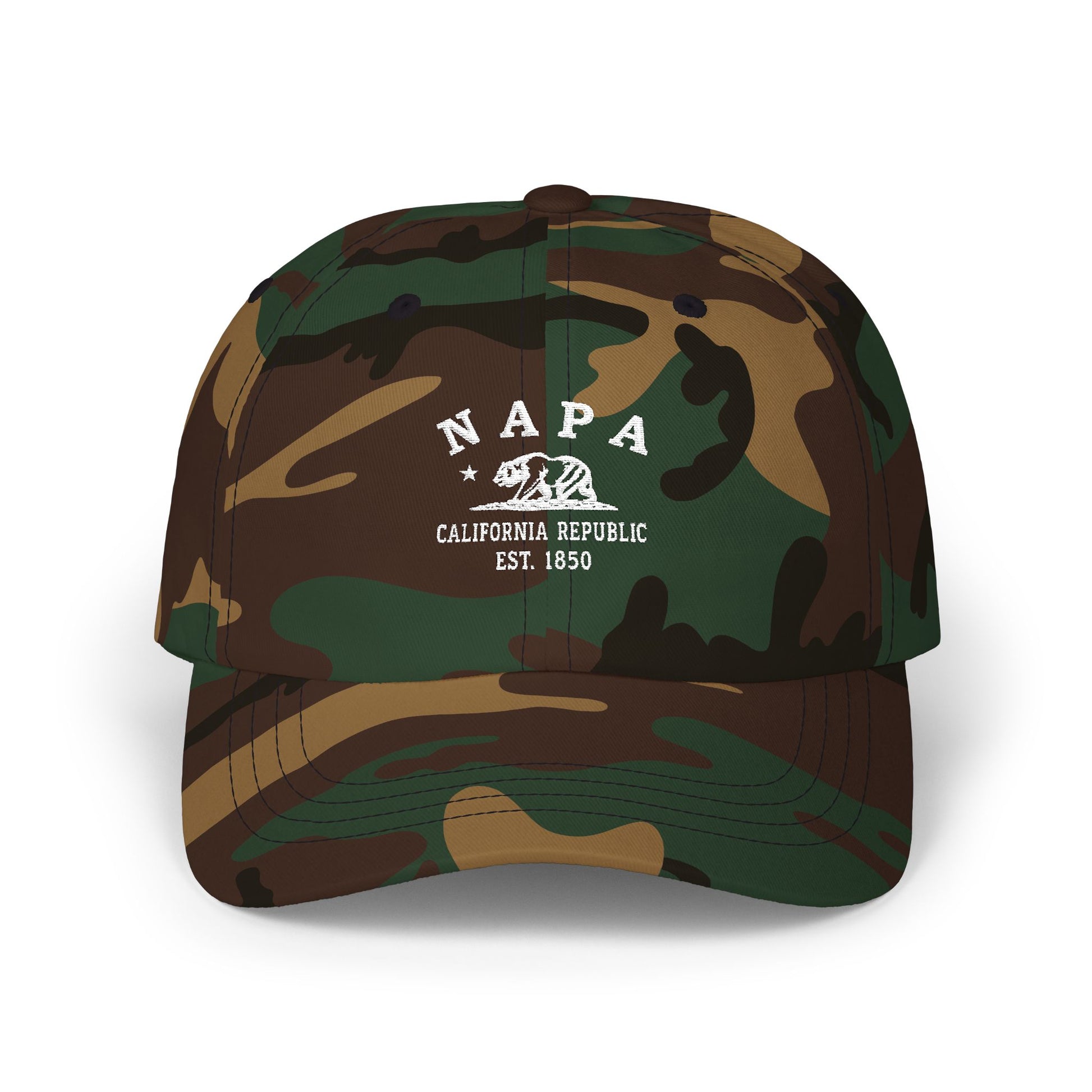
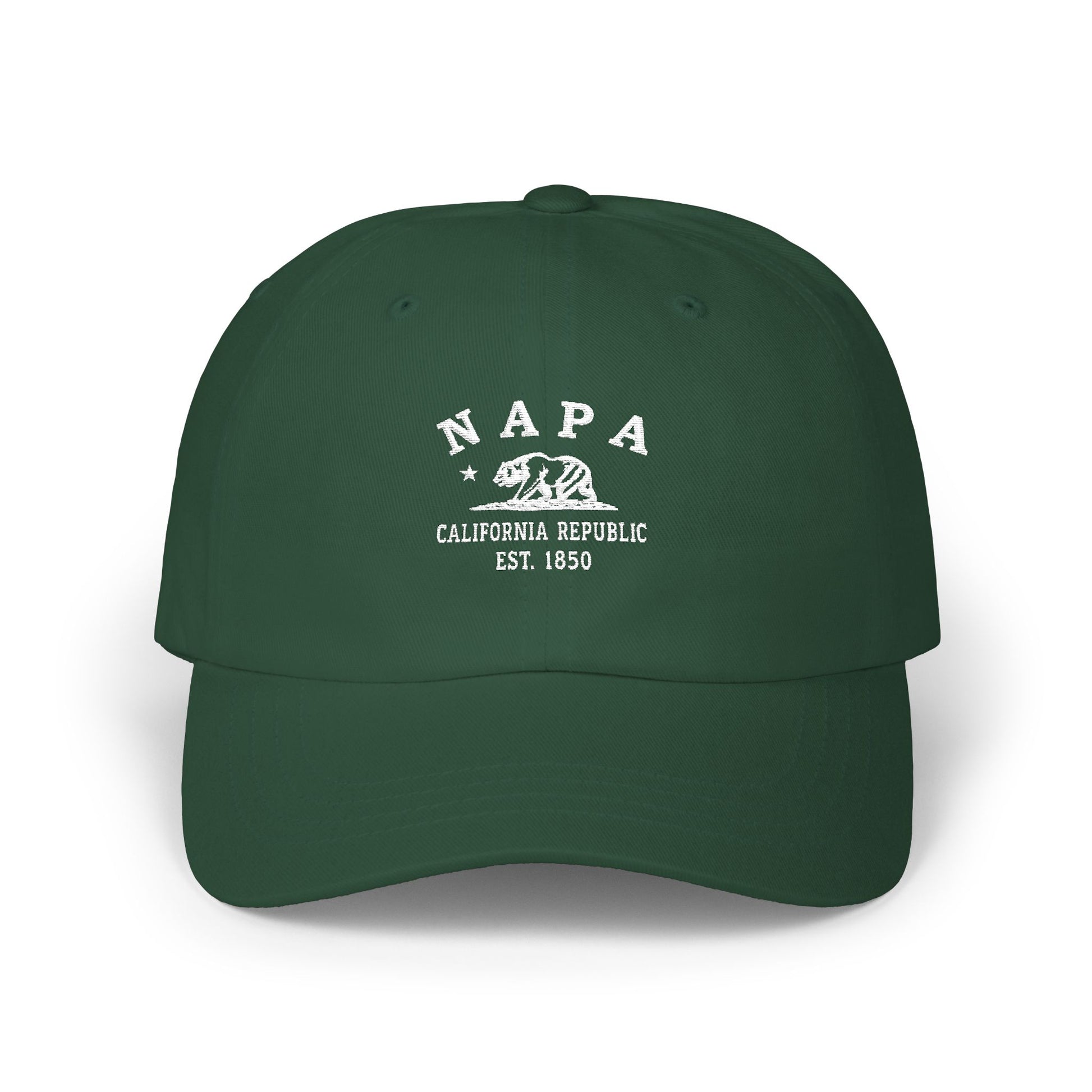
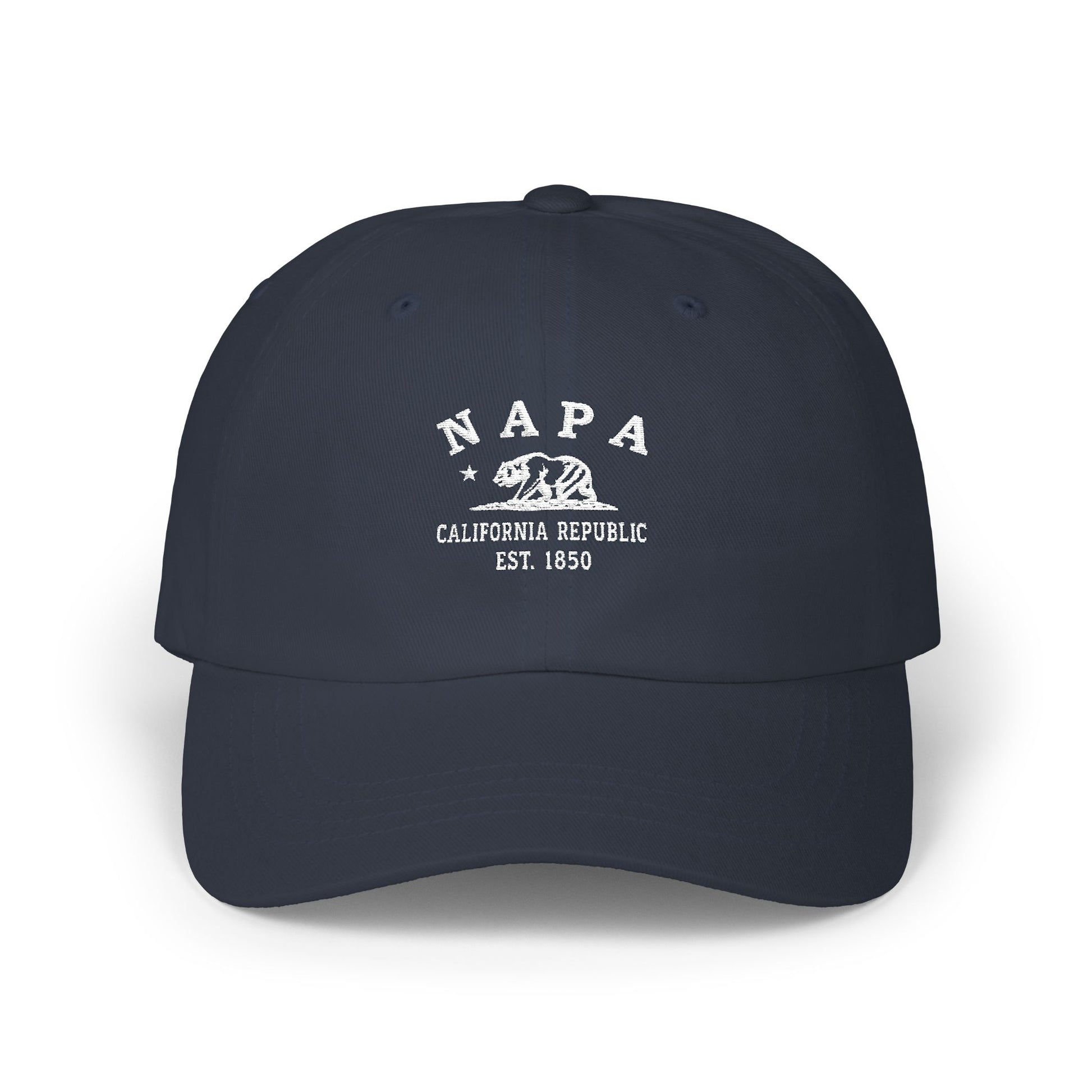
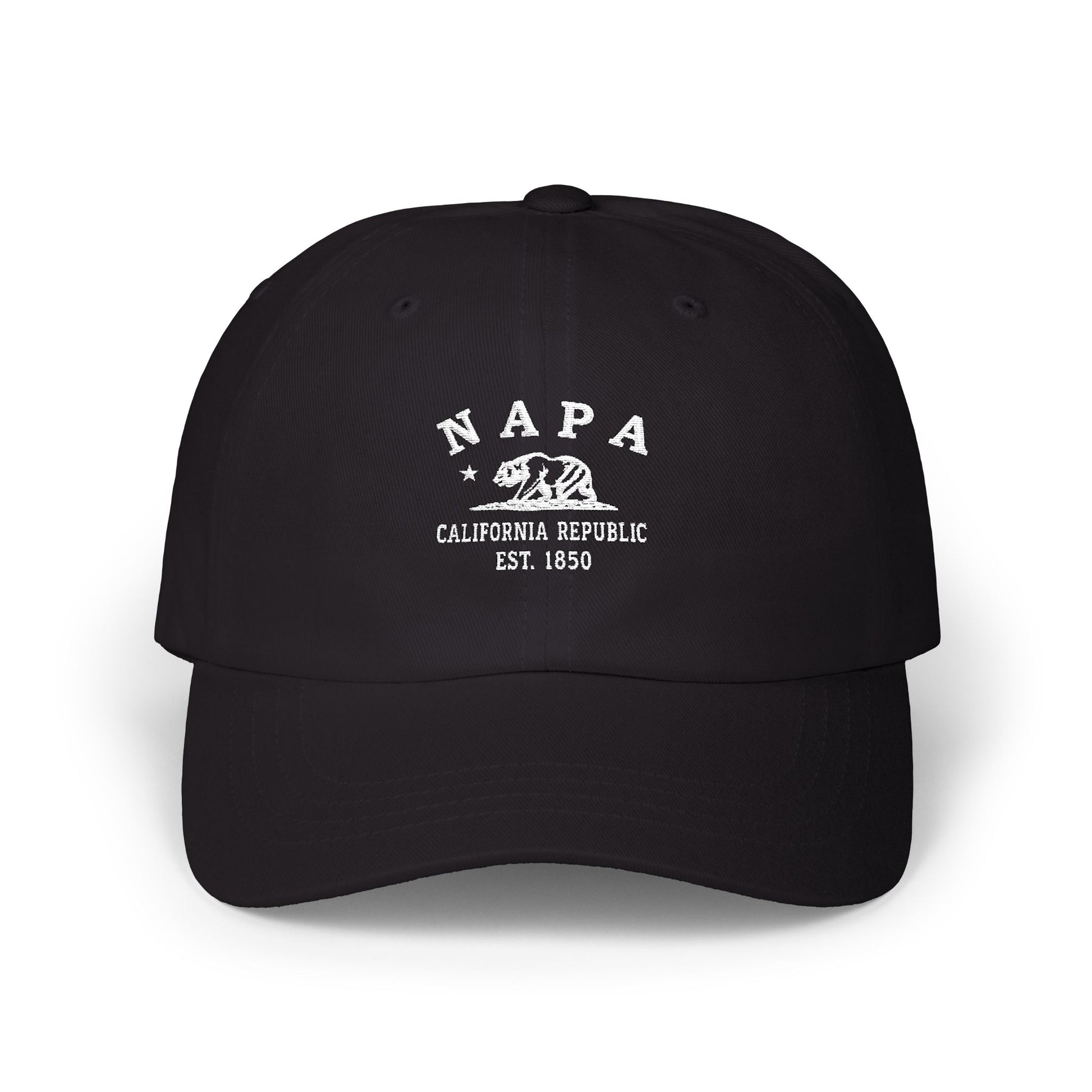
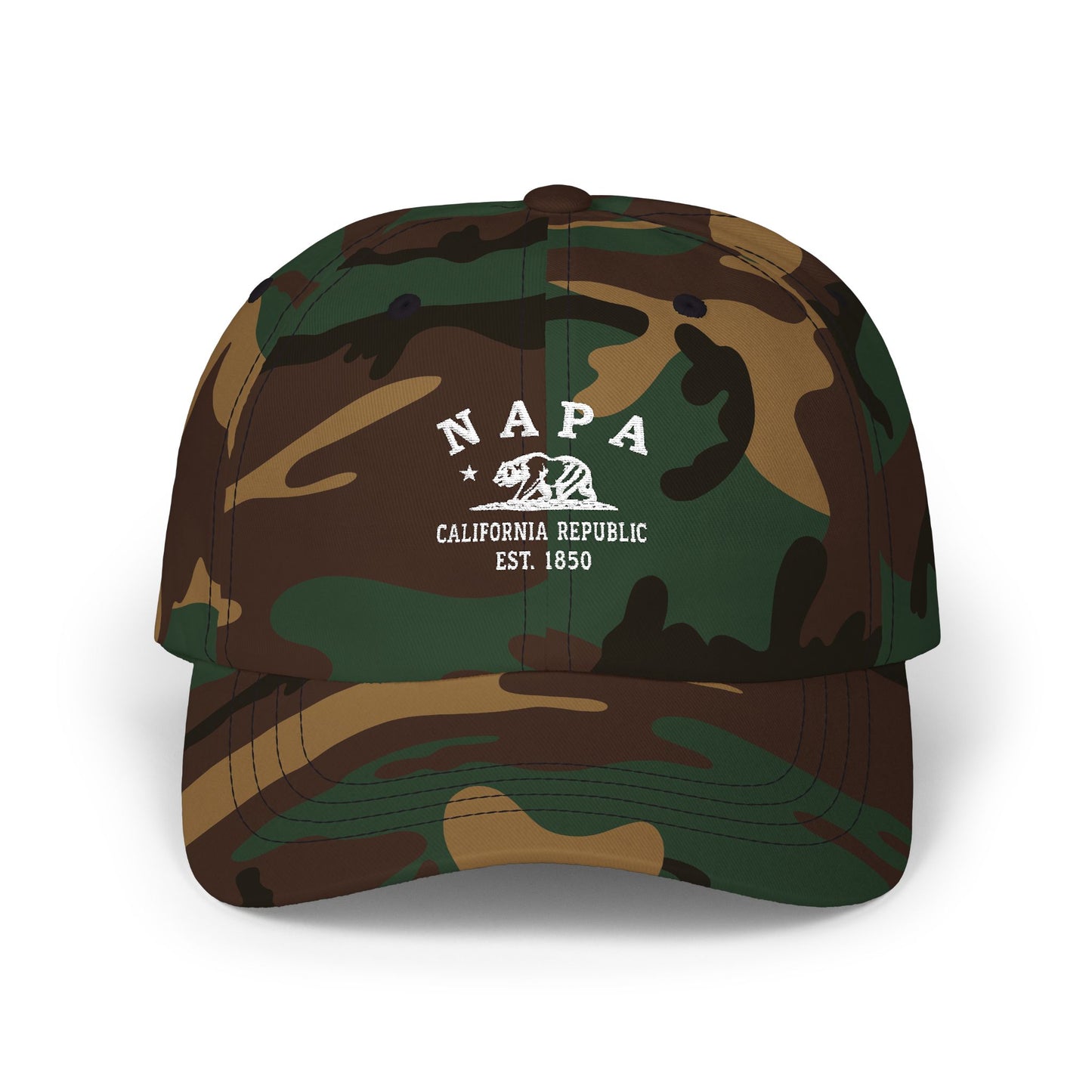
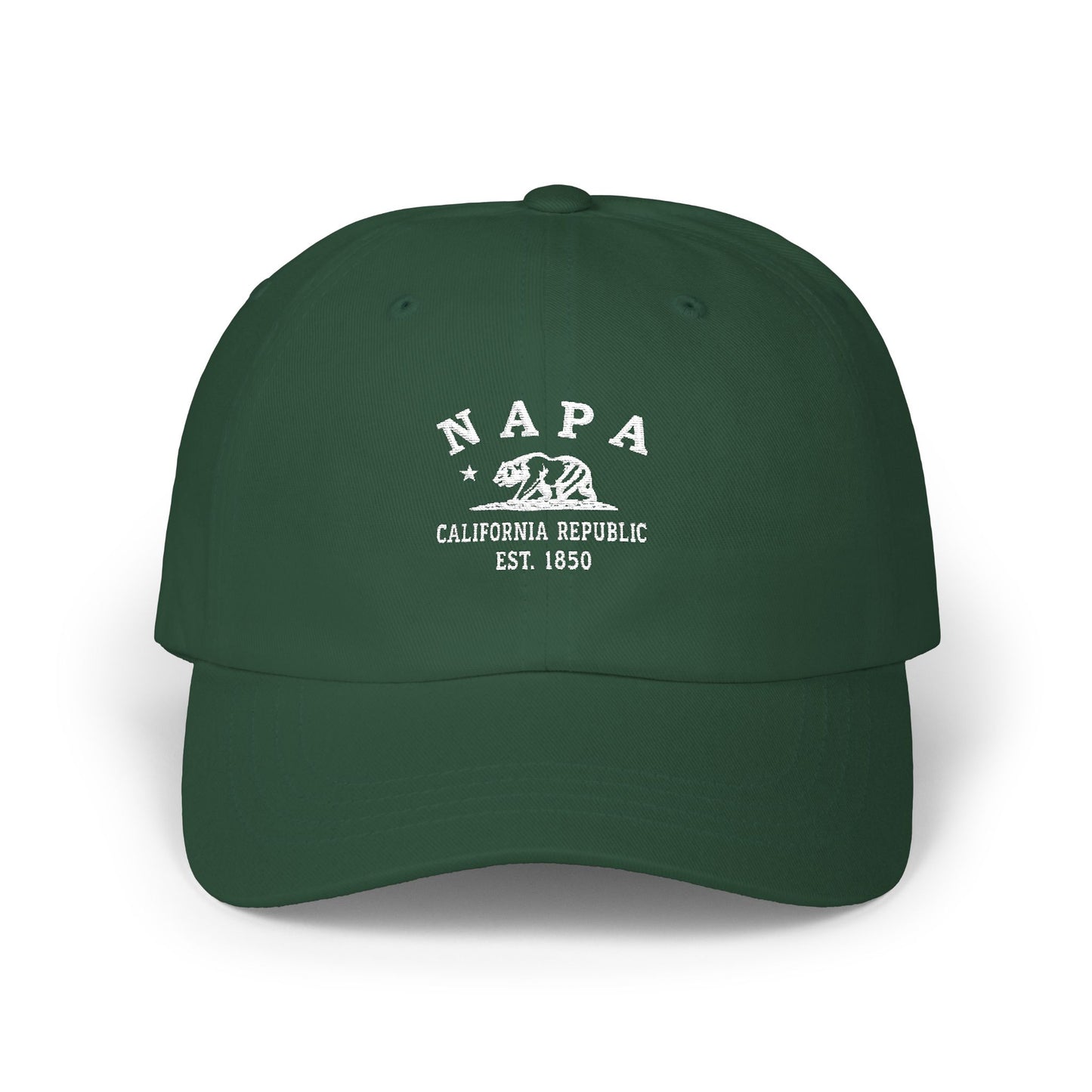
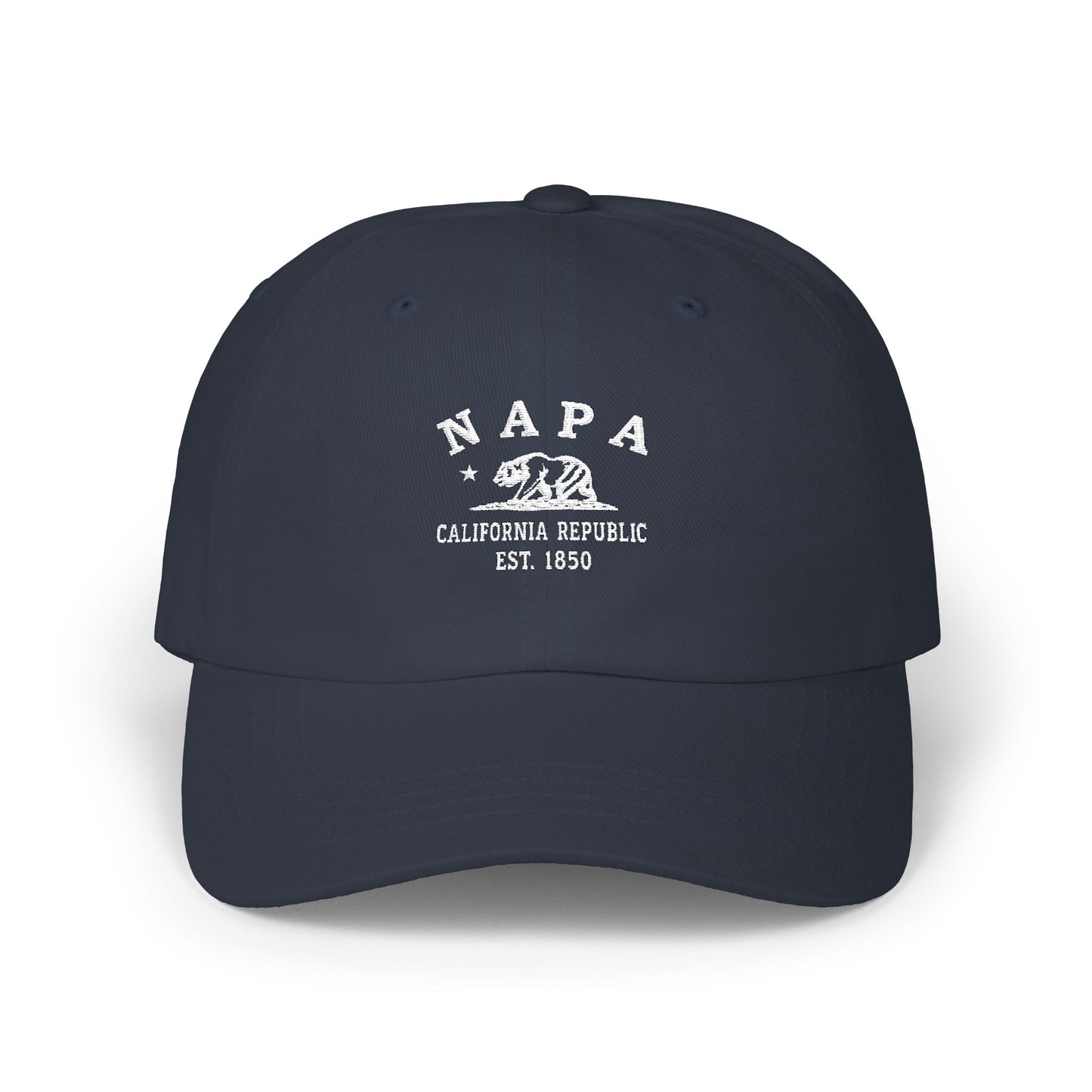
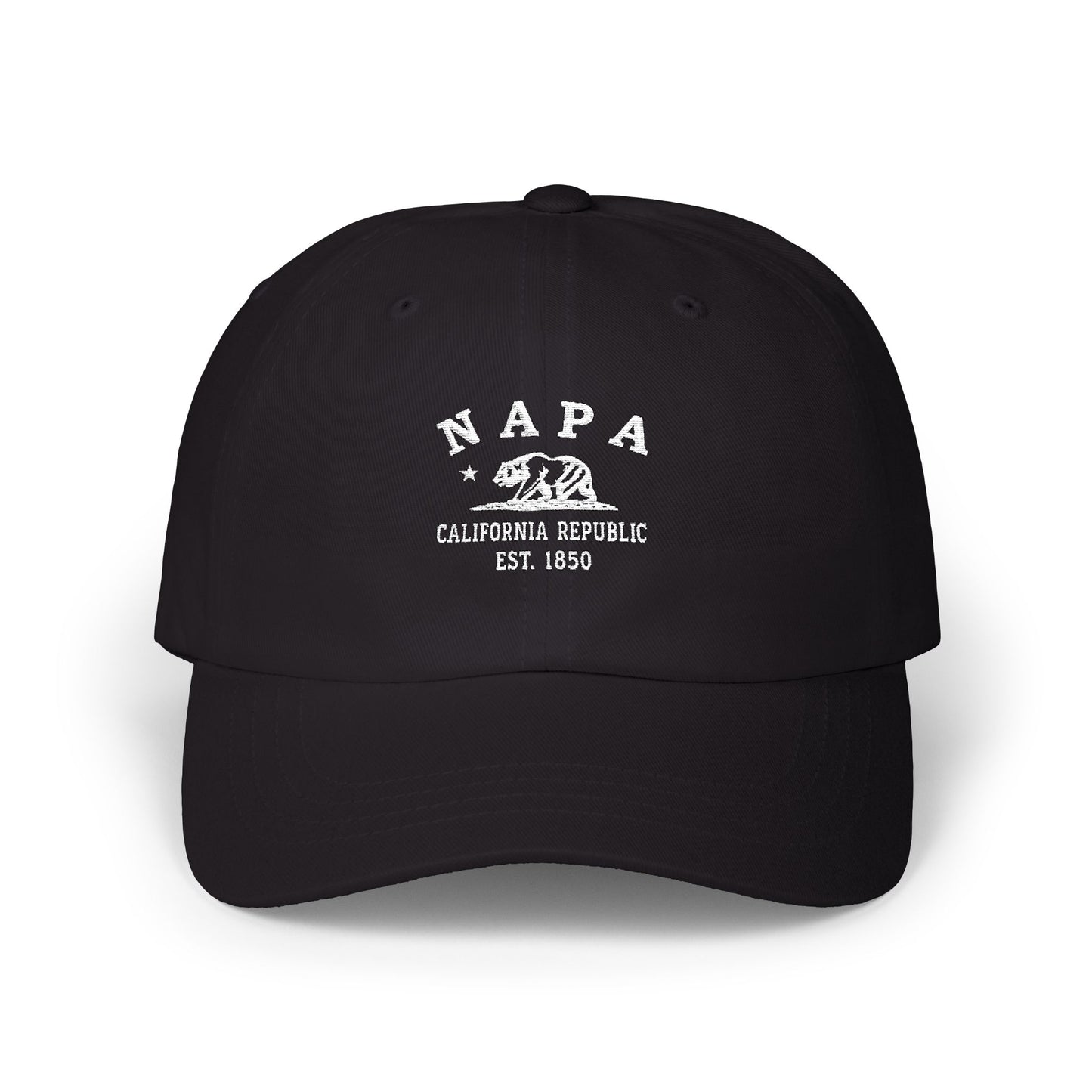
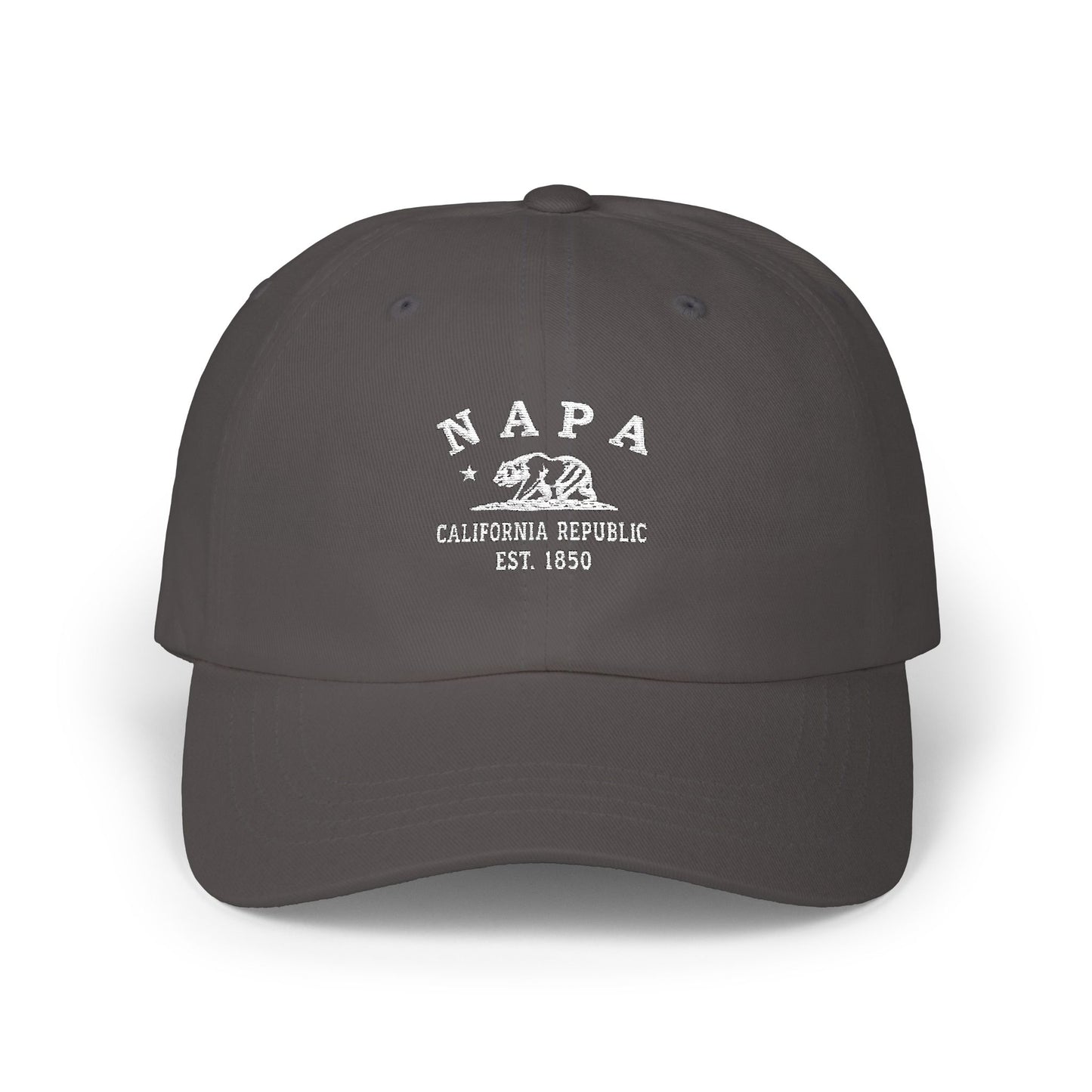
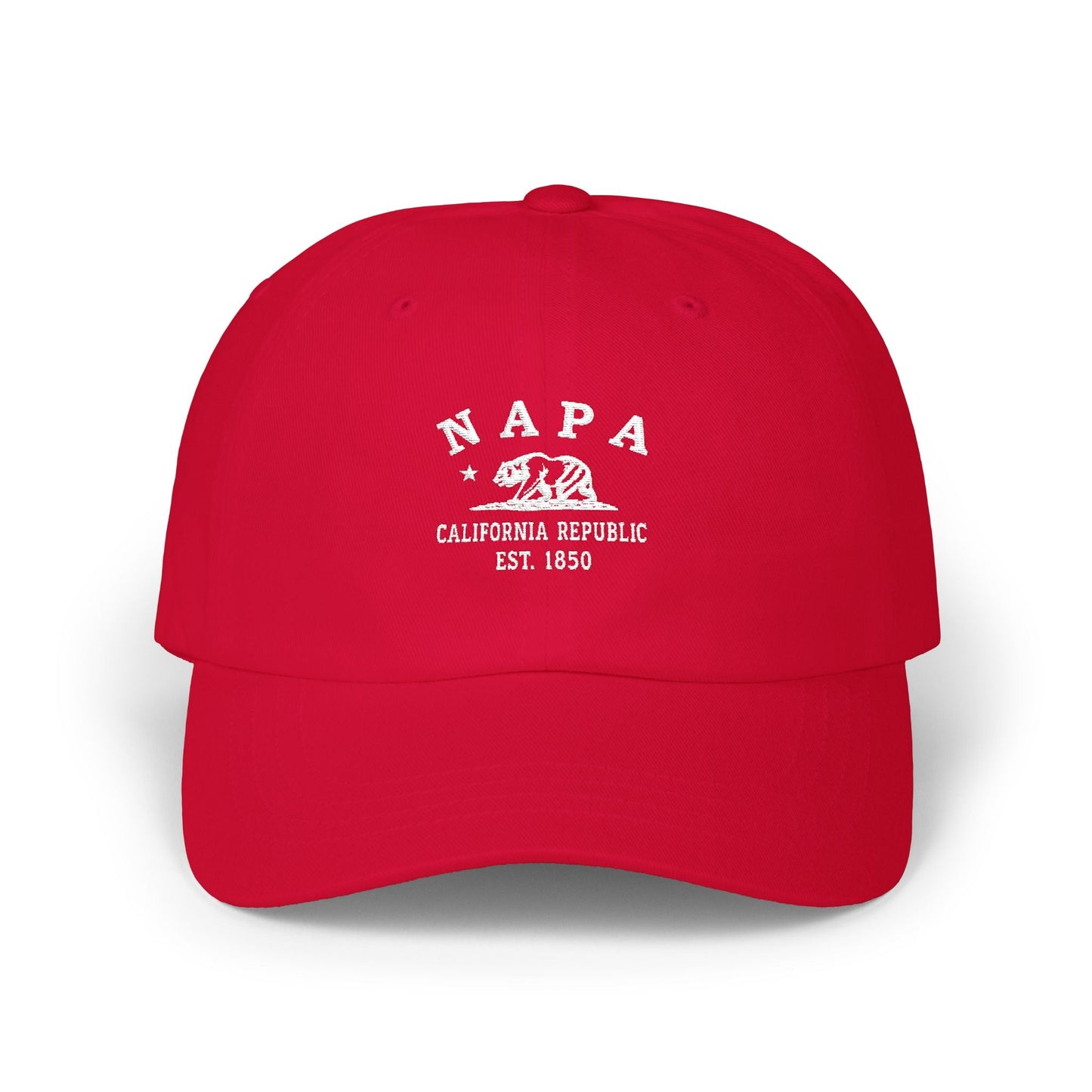
Our Napa retro logo uses California's bear and star motif, symbolizing resilience, independence, and pride. The bear reflects wilderness toughness and agricultural endurance, while the star recalls California Republic heritage. "1850" ties the motif to statehood pride. Its black-and-white styling is retro, resembling WPA posters and vineyard crate labels. The motif bridges Napa's dual identity: frontier farm hub and suburban wine capital. On merchandise, it conveys authenticity, resilience, and pride, retro vintage in tone. The bear and star emblem honors Napa's layered story, making it a vintage symbol of California heritage. Retro in style, it reflects resilience and cultural strength.
In the nineteenth century, Napa thrived on cattle, wheat, and vineyards. By the late 1800s, wineries established Napa's reputation. Prohibition nearly destroyed the wine industry, but resilience revived it in the twentieth century. By the 1950s and 1960s, Napa expanded as both a suburban hub and wine-growing center, with highways, schools, and tourism boosting growth. Its timeline reflects adaptability: frontier town transformed into a cultural destination. Napa's mid-century decades emphasized optimism and tradition, highlighting agricultural pride. The story mirrors California's resilience, balancing suburban expansion with preservation of its vineyard heritage, making Napa a proud cultural landmark.
Why People Visit Napa California
Napa offers a 30-mile valley between two mountain ranges, the oldest commercial winery in California still operating on Highway 29 since 1861, the Robert Mondavi estate that opened the modern Napa renaissance in 1966, and the legacy of the 1976 Judgment of Paris when the valley's wines beat Bordeaux and Burgundy on neutral ground and rewired the global wine map. Visitors come for the wine, the Mayacamas-and-Vacas geography, the diurnal fog and the long hang time, the historic estates, the Calistoga geysers, Lake Berryessa, Mount St. Helena, and the simple riverfront pleasure of the city of Napa itself. It is the valley that everyone has heard of, and it earns the reputation every harvest.
