


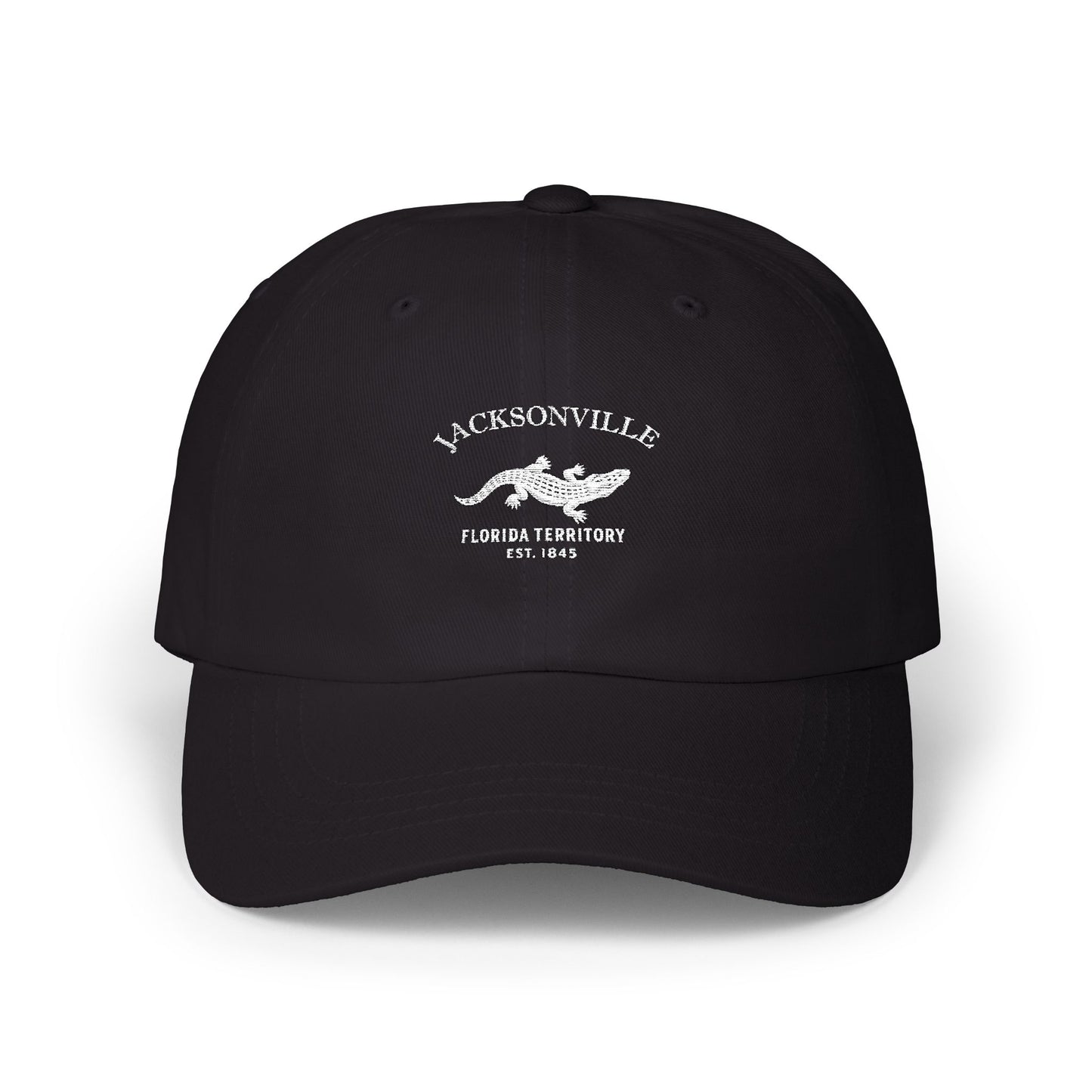
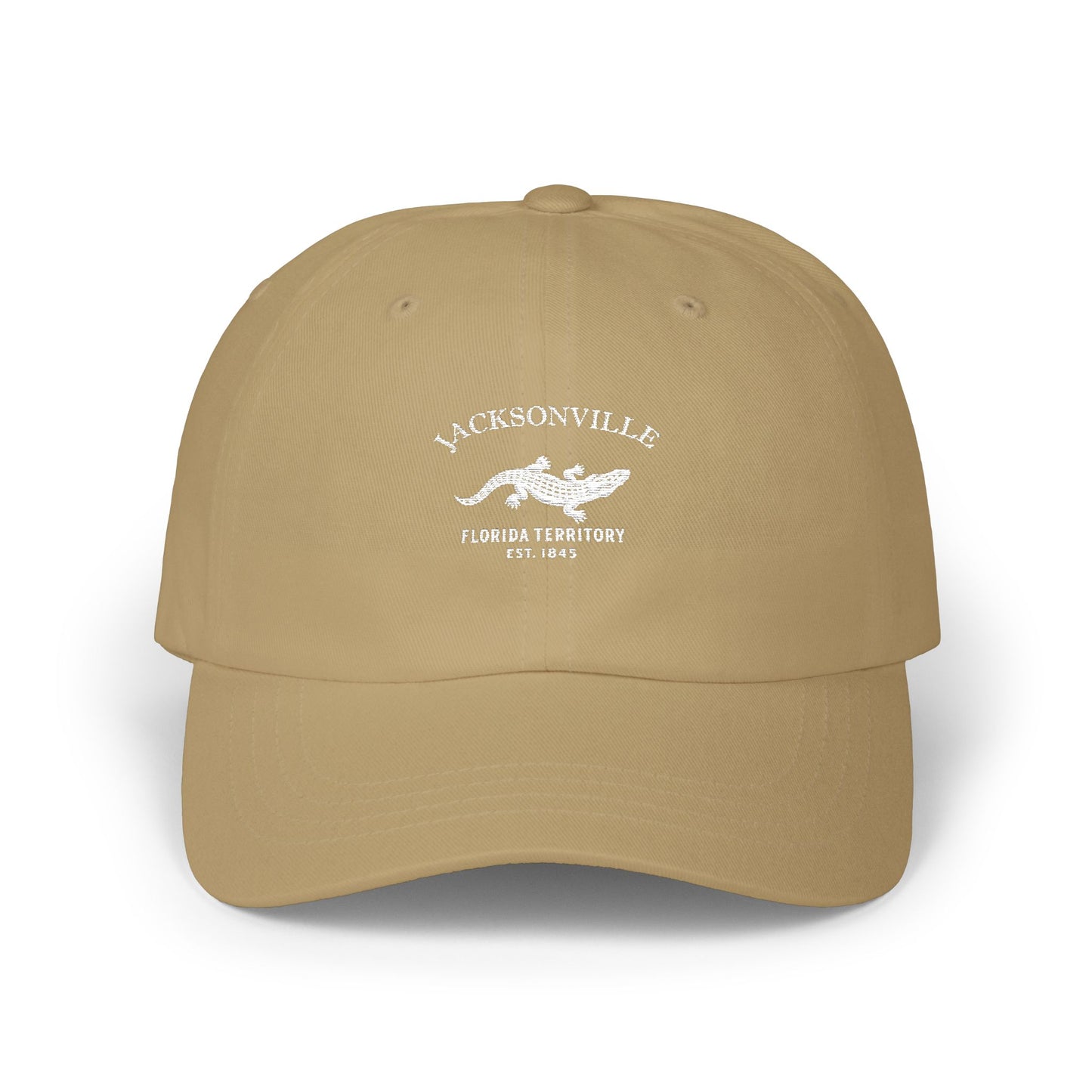

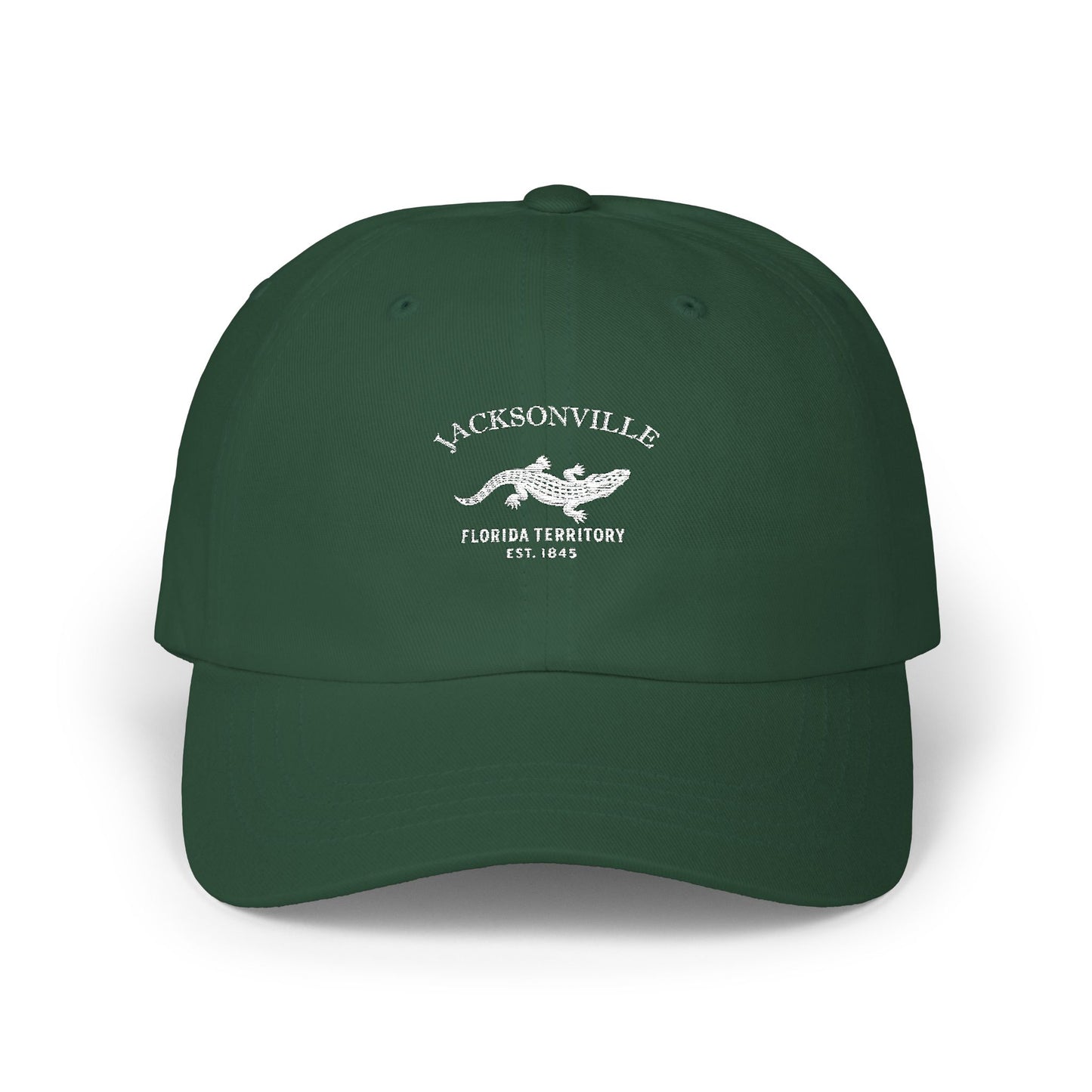
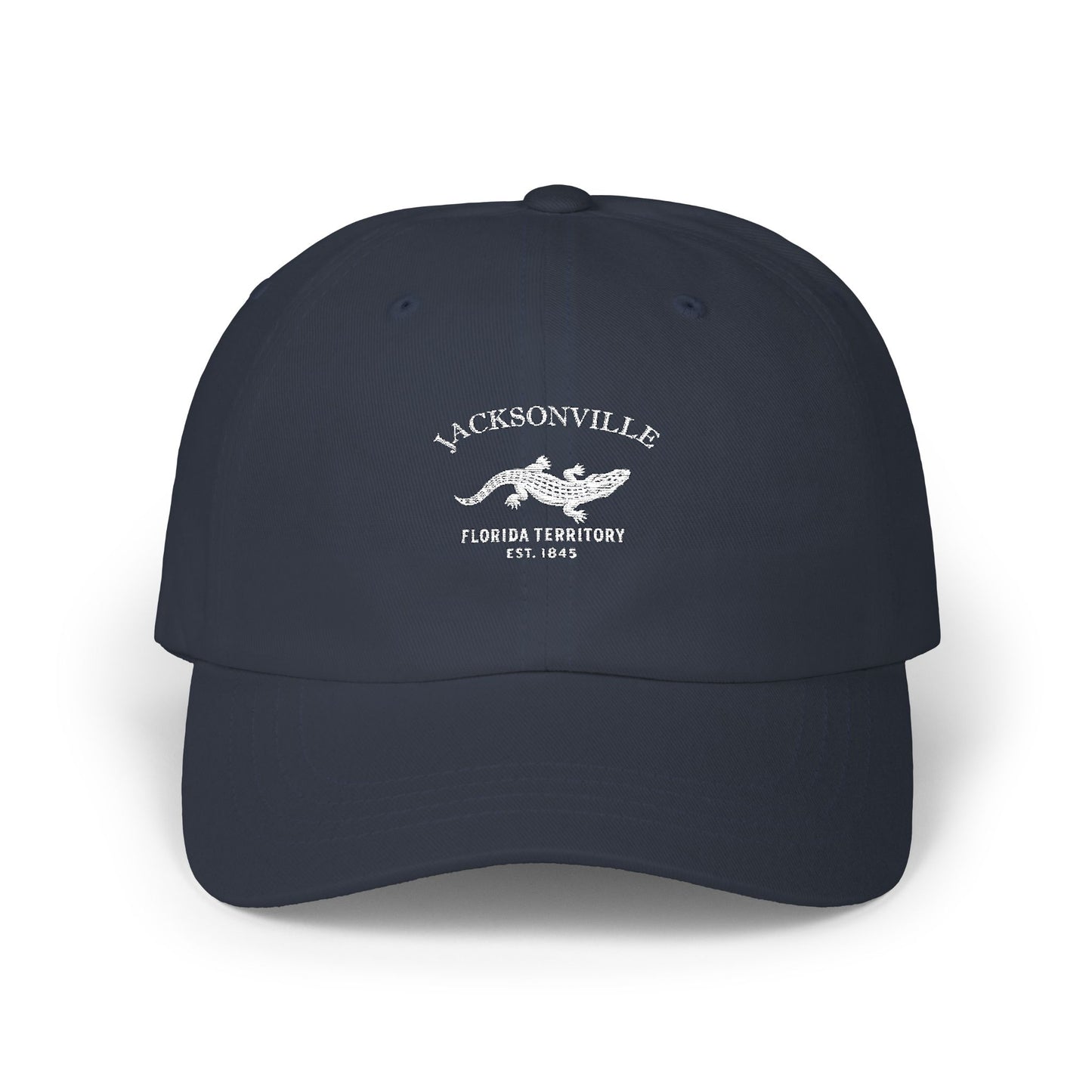
A river that runs the wrong way. The St. Johns is one of the few major rivers in North America that flows south to north, draining toward the Atlantic past seven bridges inside the city limits. The river is the reason Jacksonville exists and the spine it still grows along — and a Navy town besides, with generations of sailors stationed at Mayport and NAS Jacksonville who carry River City with them wherever the fleet sends them.
By the late 1800s Jacksonville was the largest city in Florida, a busy river port shipping timber and cotton and a winter resort billed as a "Winter City in a Summer Land." Then came the Great Fire of May 3, 1901 — one of the largest urban fires in American history, which leveled the downtown in eight hours. The rebuild made the city. Klutho's Prairie School towers rose from the ashes, and within a few years Jacksonville reinvented itself again, this time on film.
Why People Visit Jacksonville, FL
Jacksonville rewards travelers who like a city that surprises them: Prairie School architecture in the Deep South, a river that flows north to the sea, miles of Atlantic beach, and a deep Navy heritage at Mayport and NAS Jacksonville. It is a lived-in River City, not a postcard — and that is the appeal.
