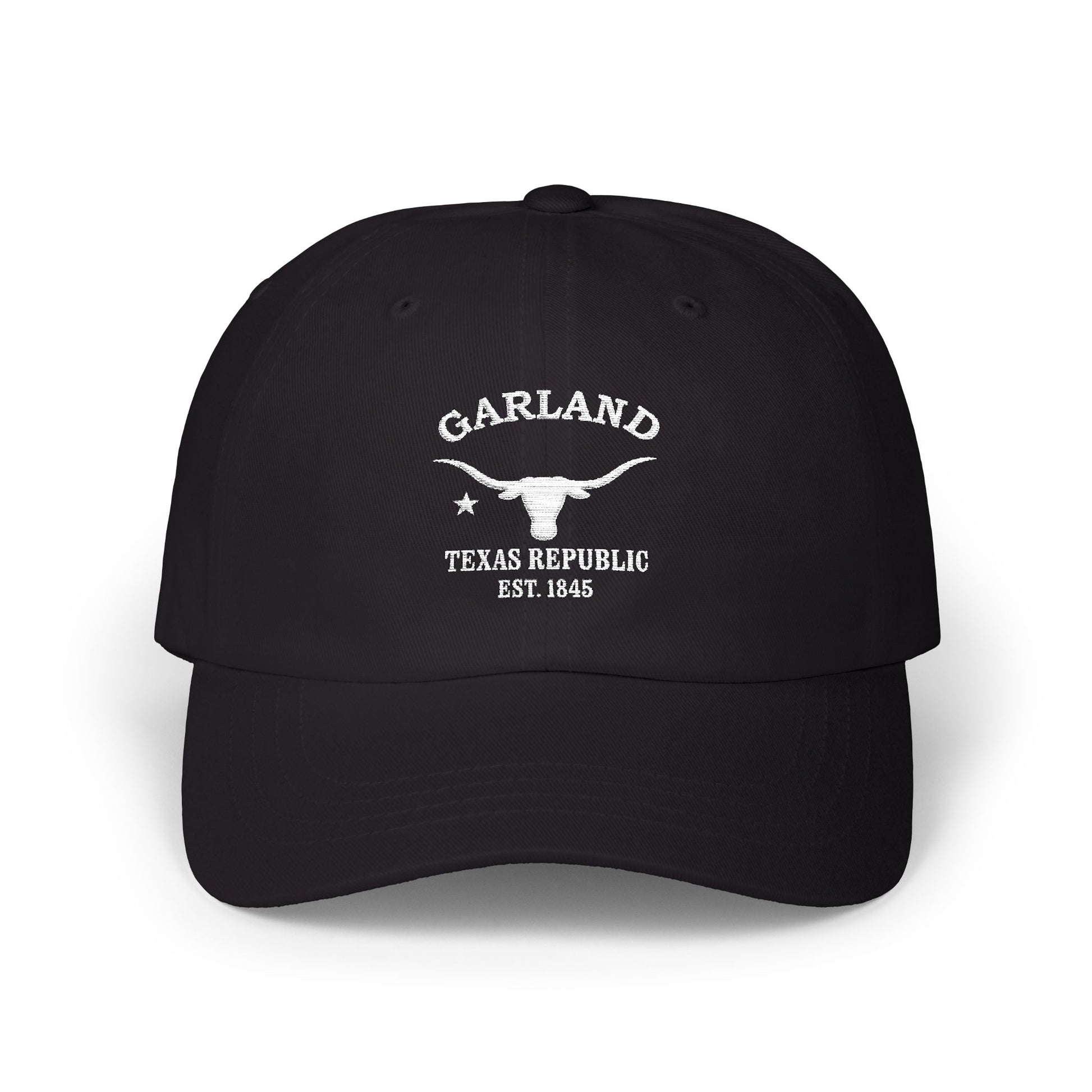
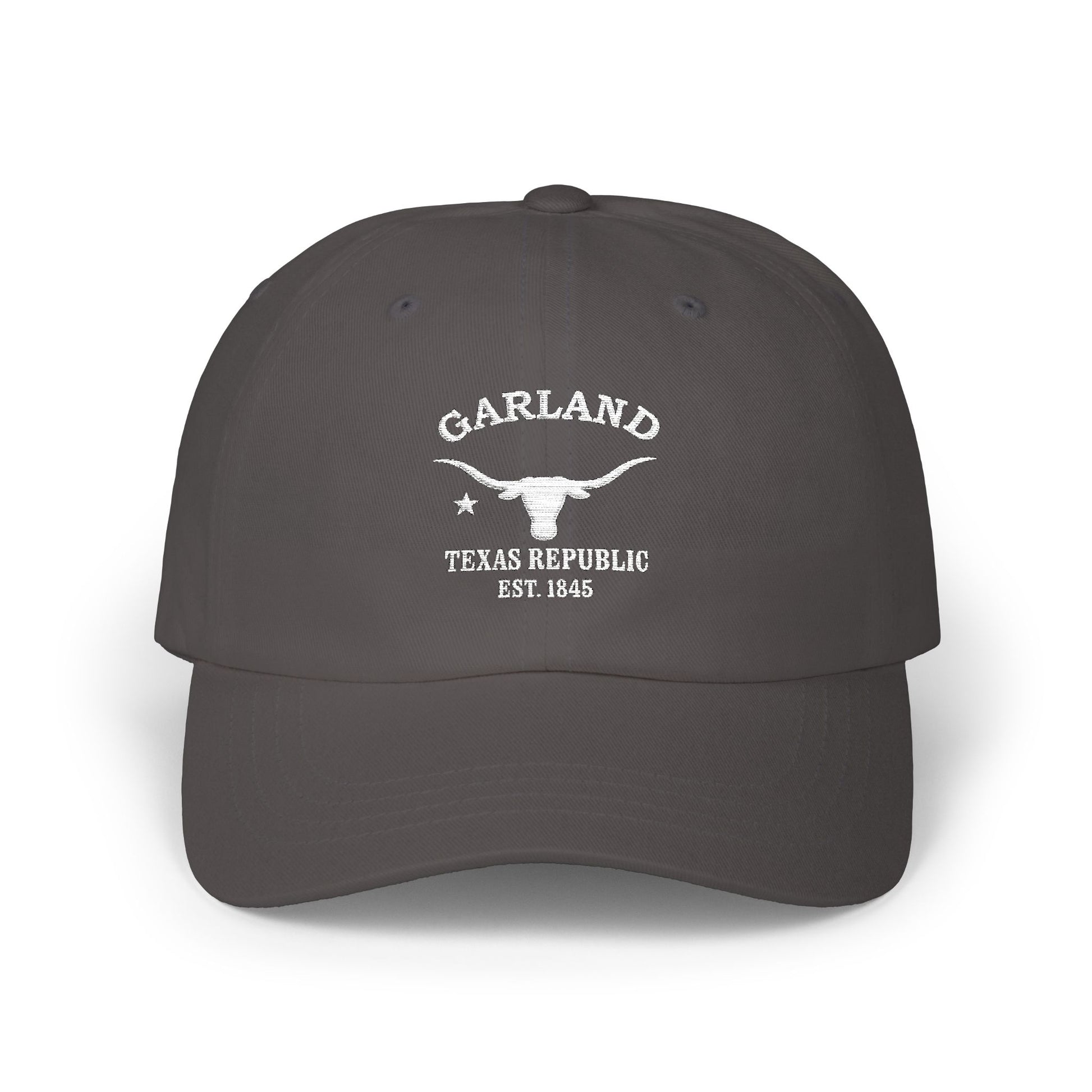
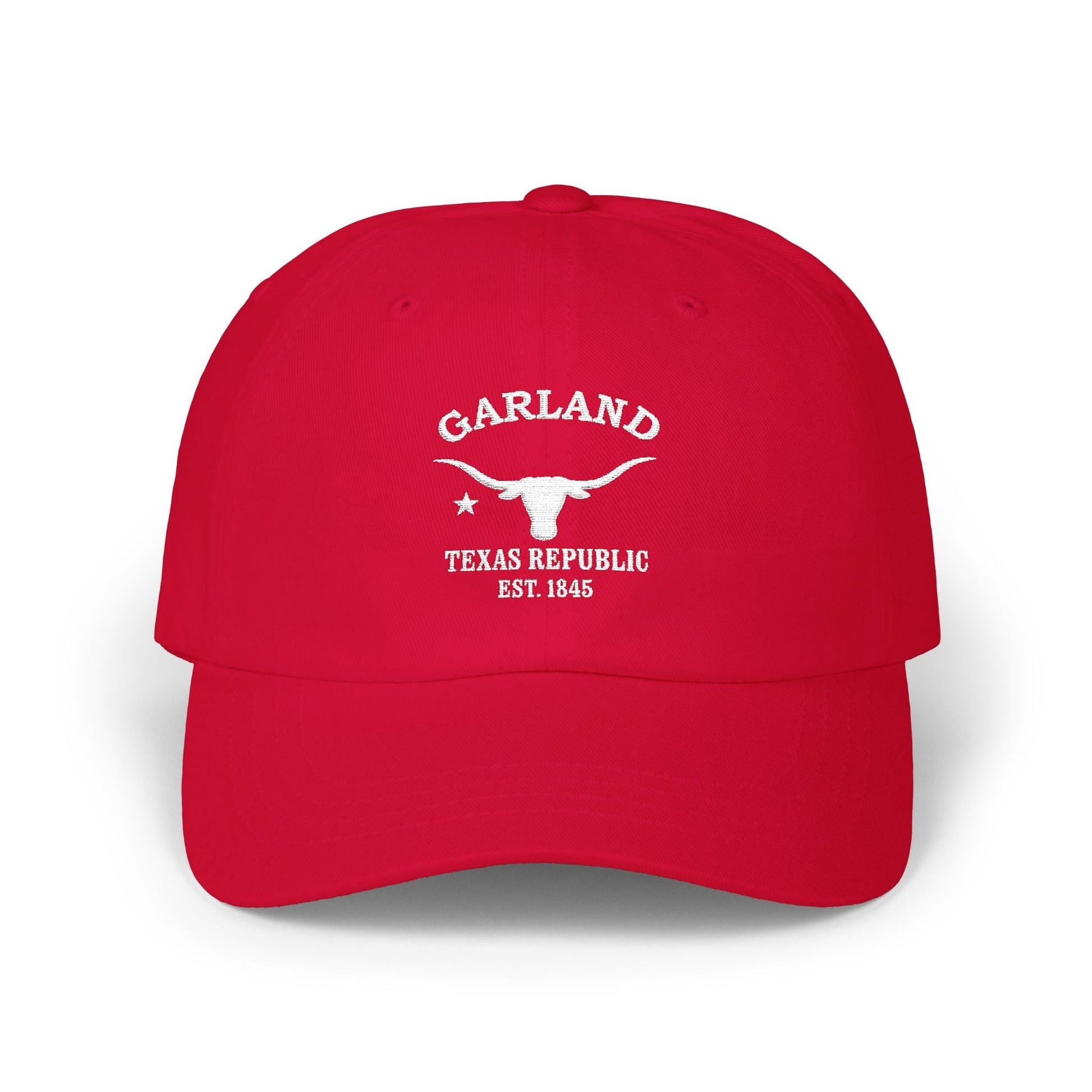
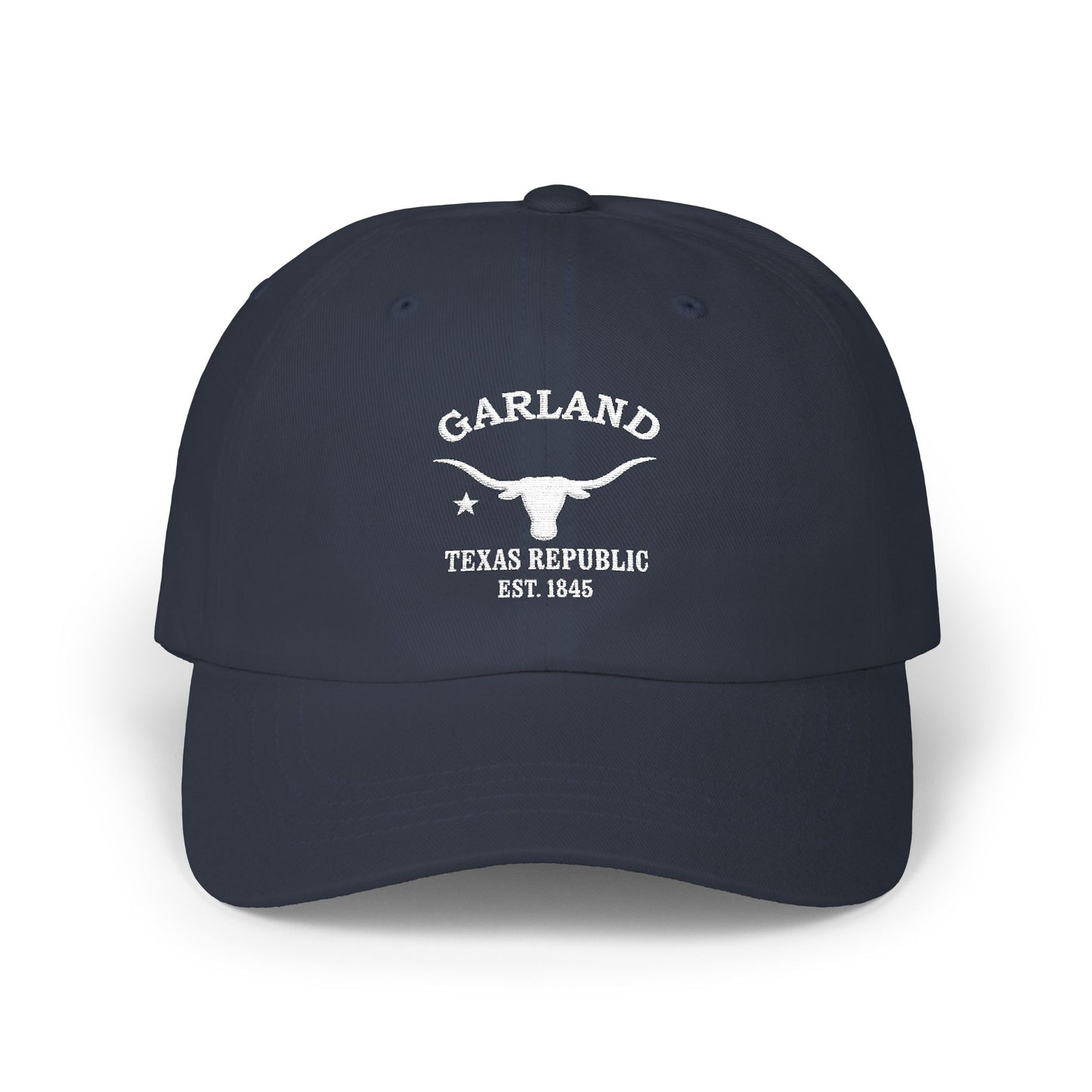
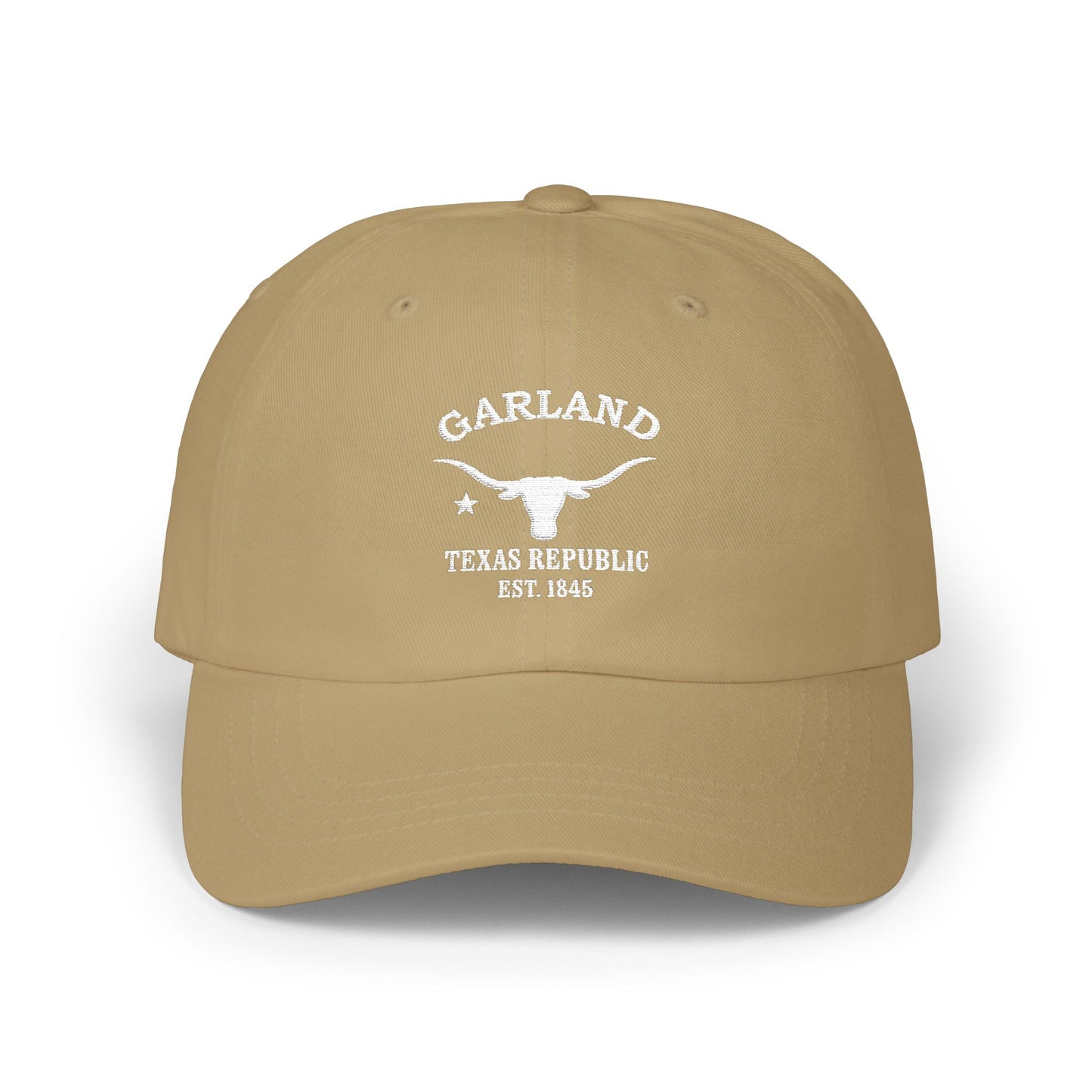
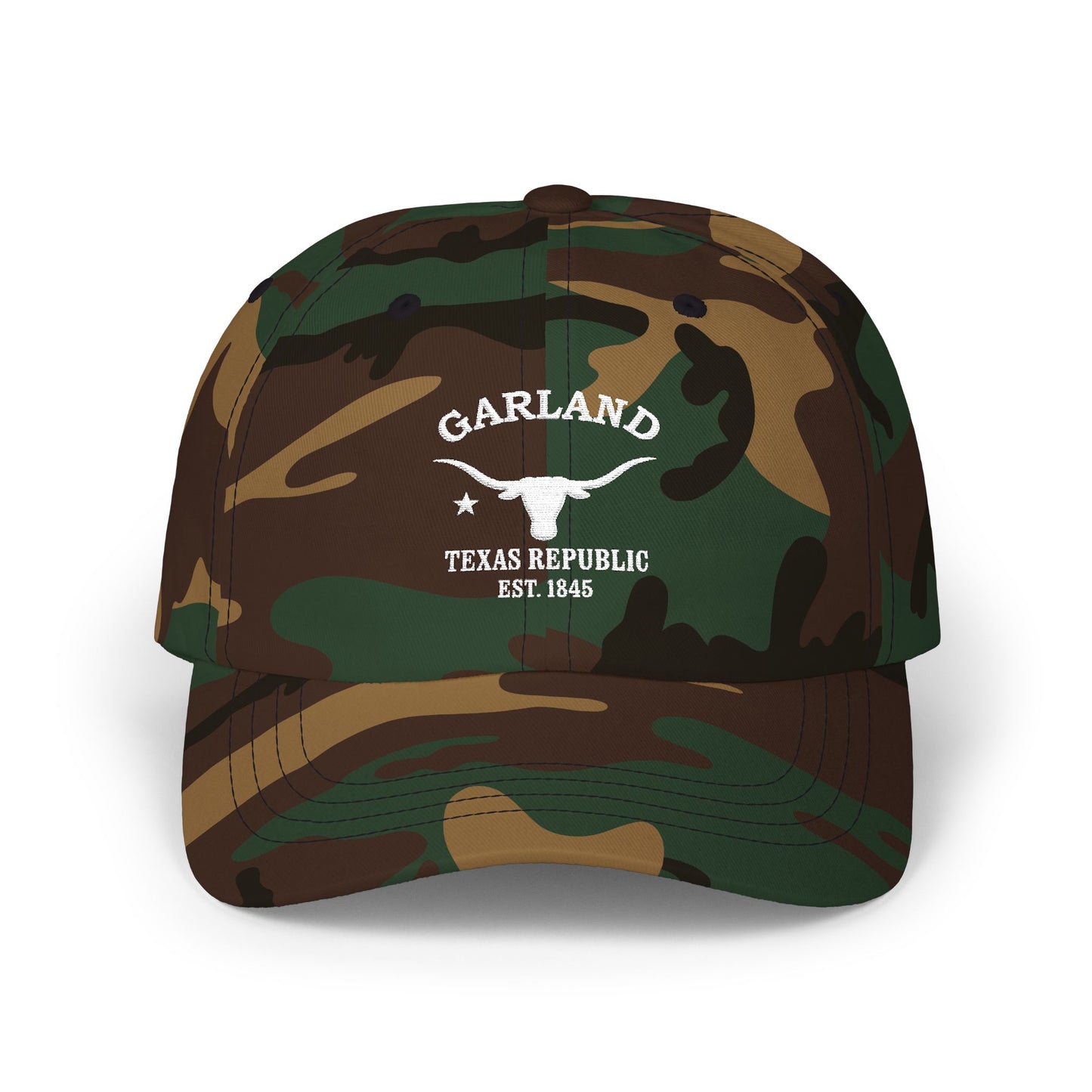
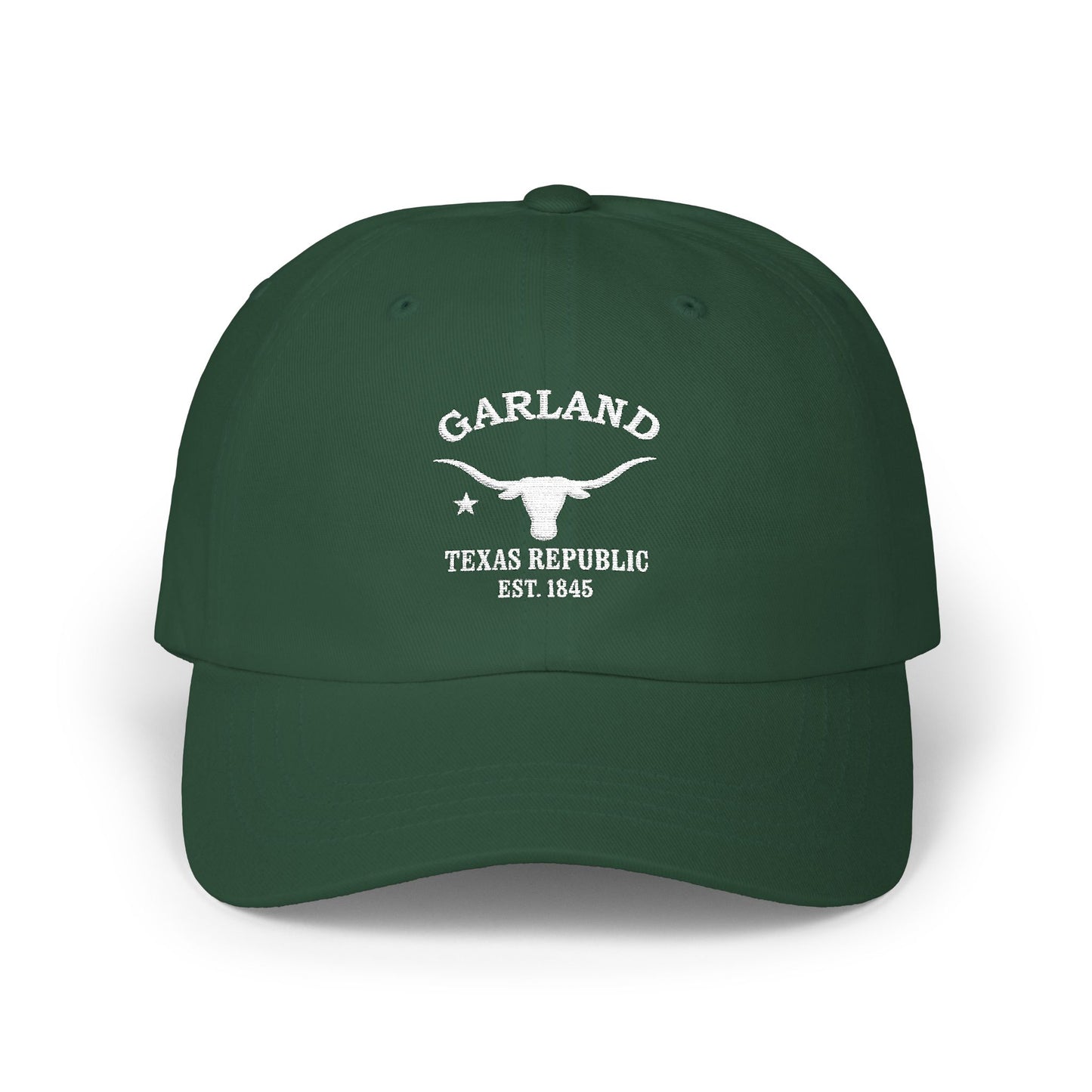
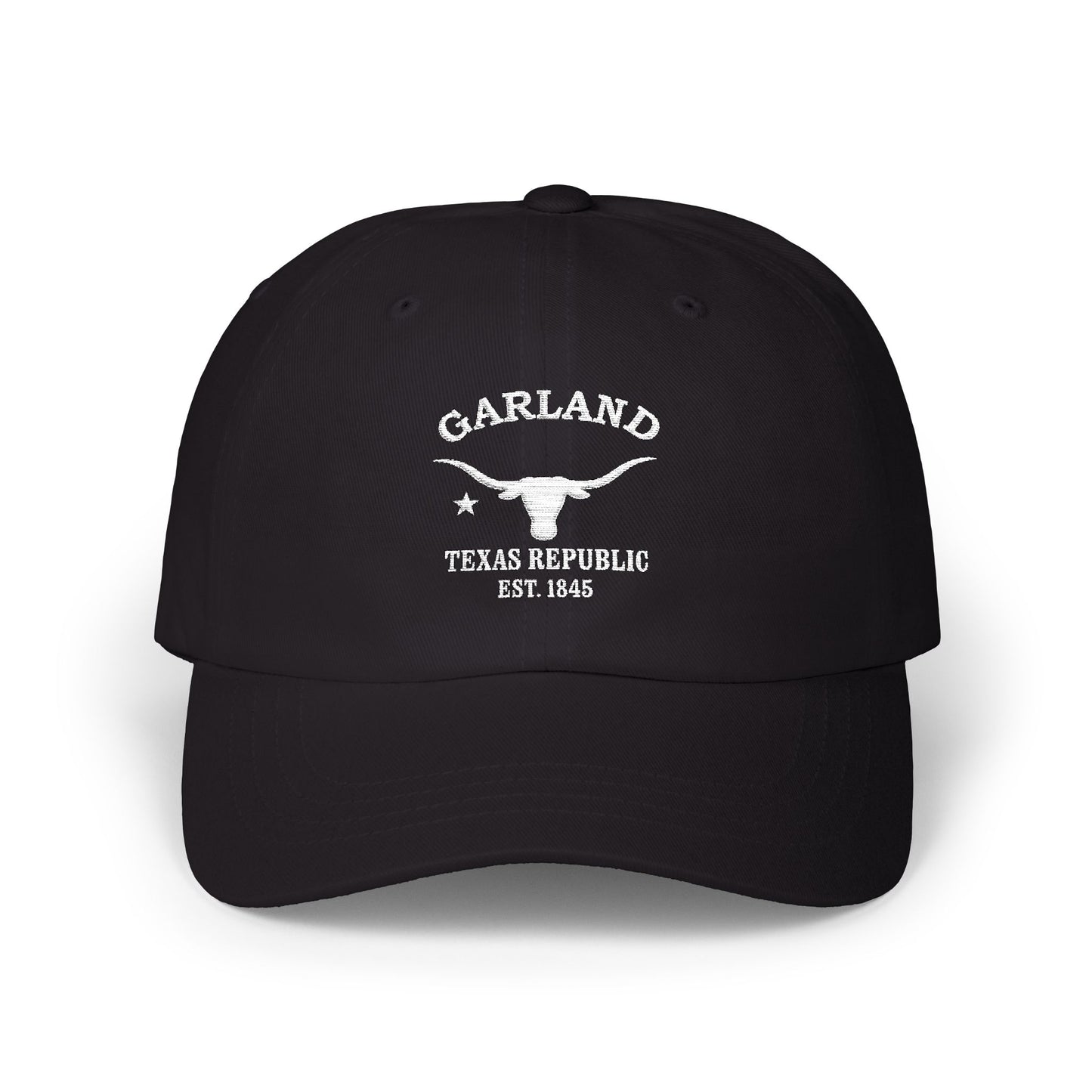
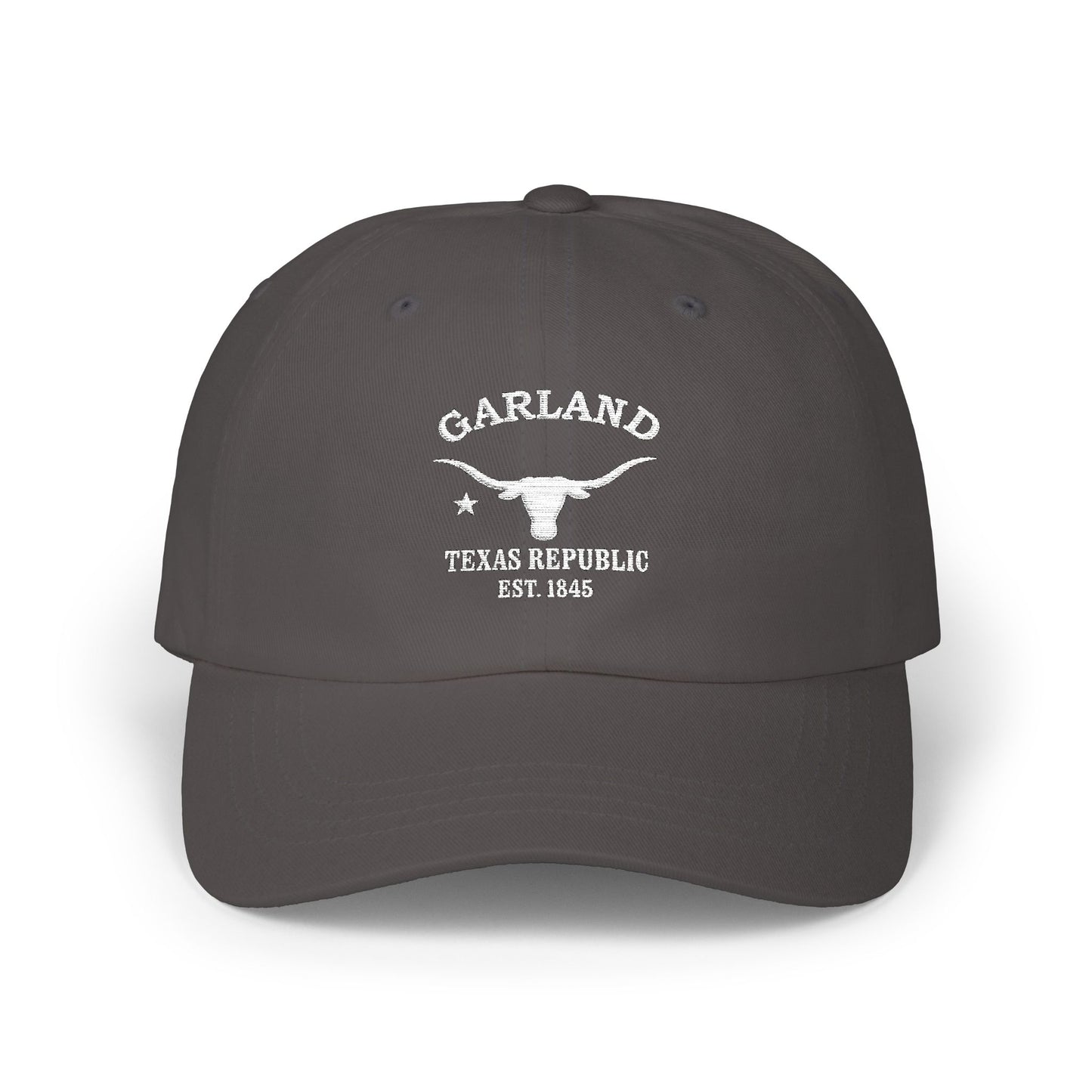
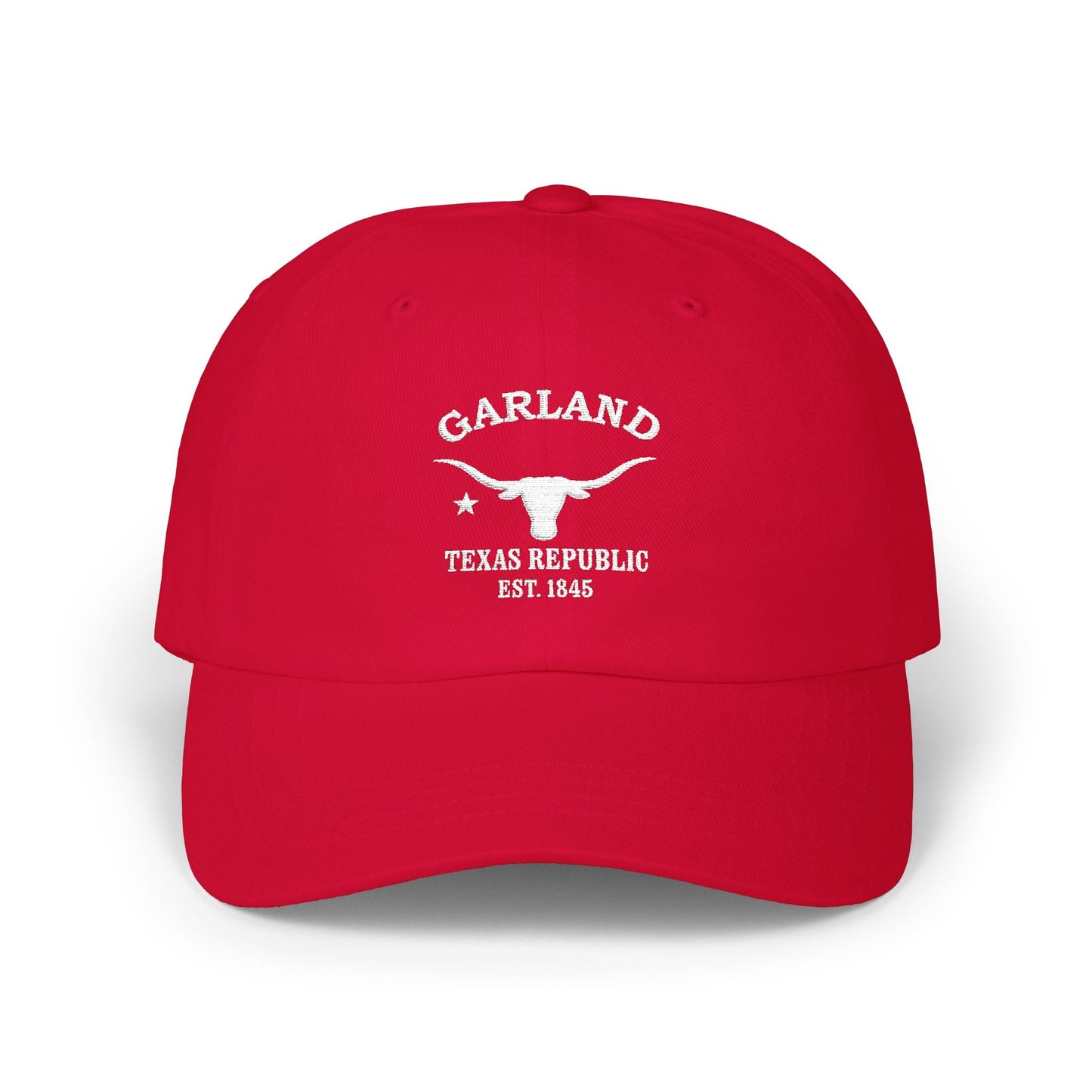
What's with Duck Creek and Embree? They're the two towns that became Garland — and they couldn't stand each other. When the railroads built rival depots a mile apart in 1886, Embree grew up around the Santa Fe stop and a new Duck Creek around the Katy stop, and the rivalry got bitter enough that, by local accounts, men started carrying guns and neighbors stopped speaking across the divide. The fight was really over the post office and the right to incorporate. Congressman Joseph Abbott broke the deadlock in 1887 by putting the post office on neutral ground halfway between the depots and giving the place a brand-new name nobody could claim — Garland — so that neither town "won." That's why Garland's real origin story isn't a founding so much as a peace treaty: one town made from two.
Today Garland is one of the largest cities in Texas, a Dallas-Fort Worth Metroplex city proud of its rail-town roots, its Blackland-prairie cotton heritage, and the downtown square where two rival towns became one. Its story runs from the Duck Creek settlement through the 1886 railroad rivalry, the 1887 compromise that named the town, and the cotton-and-rail decades that built it. Our Garland designs gather that identity into wearable form — the railroad, the prairie, the Lone Star. Garland, Texas — one town made from two, since 1887.
Why People Visit Garland Texas
People come to Garland for its easy place in the Metroplex — a historic square and a real founding story, lake recreation on Ray Hubbard, and green preserves — all minutes northeast of Dallas. It's practical, green, and neighborly: the town that two railroads accidentally built.
