


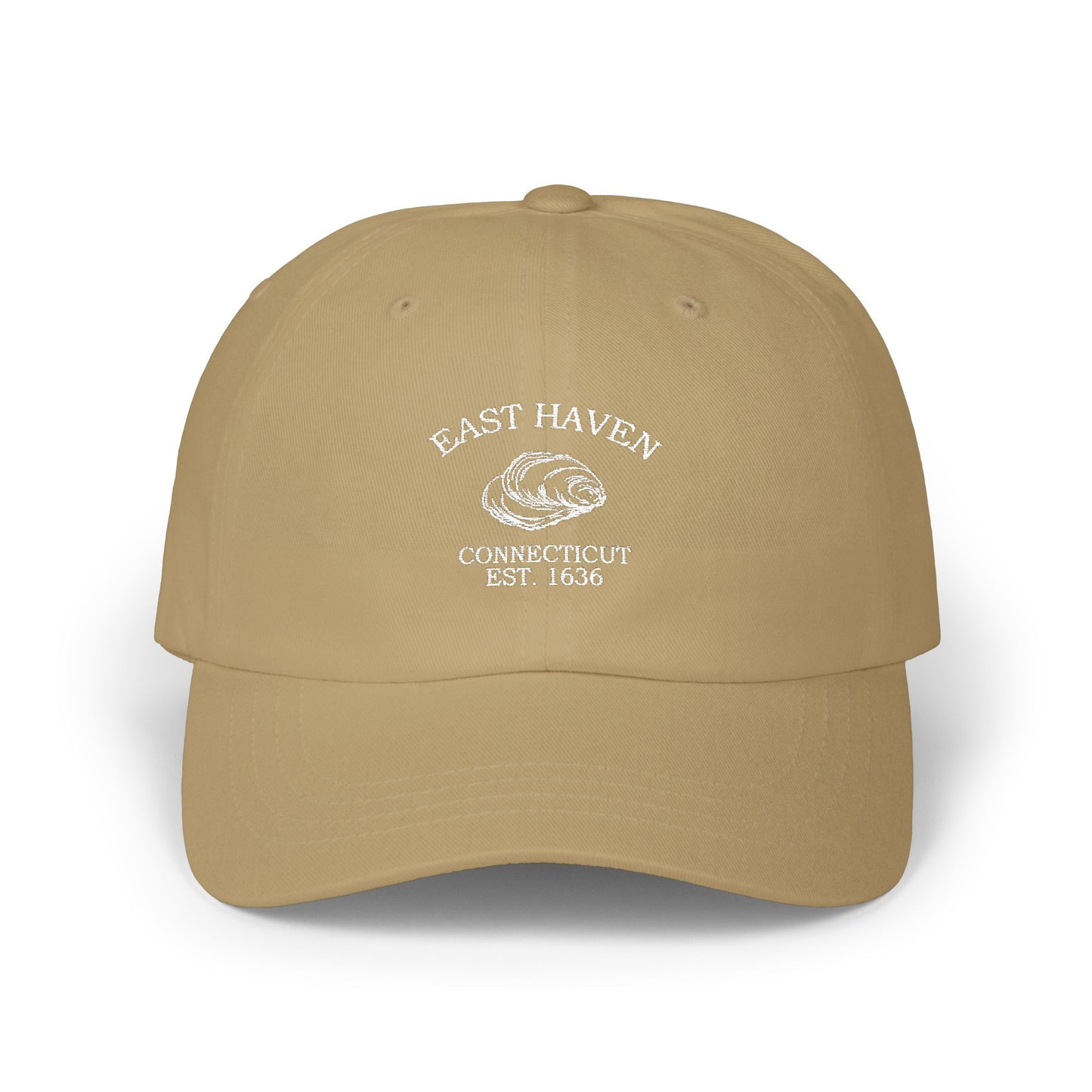
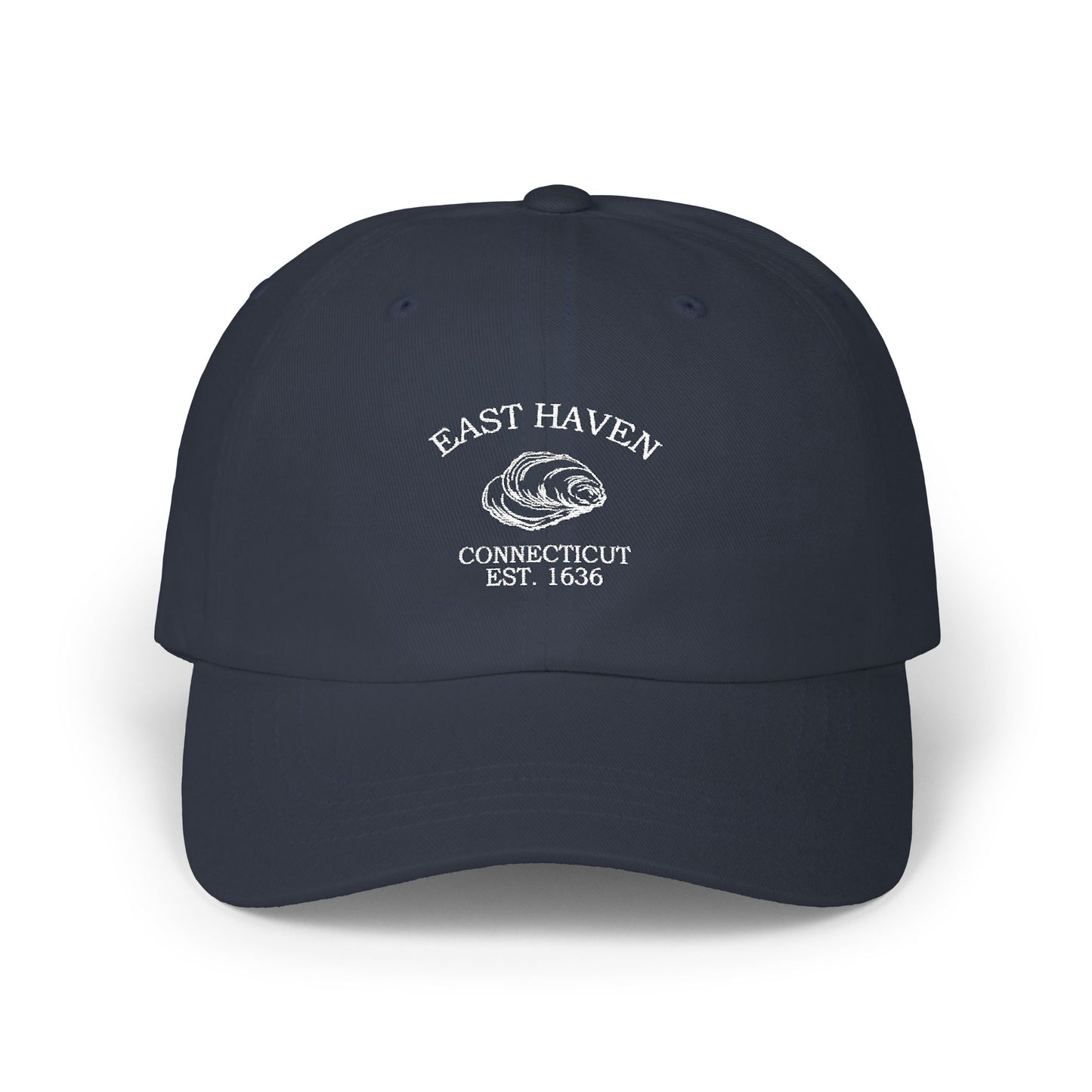
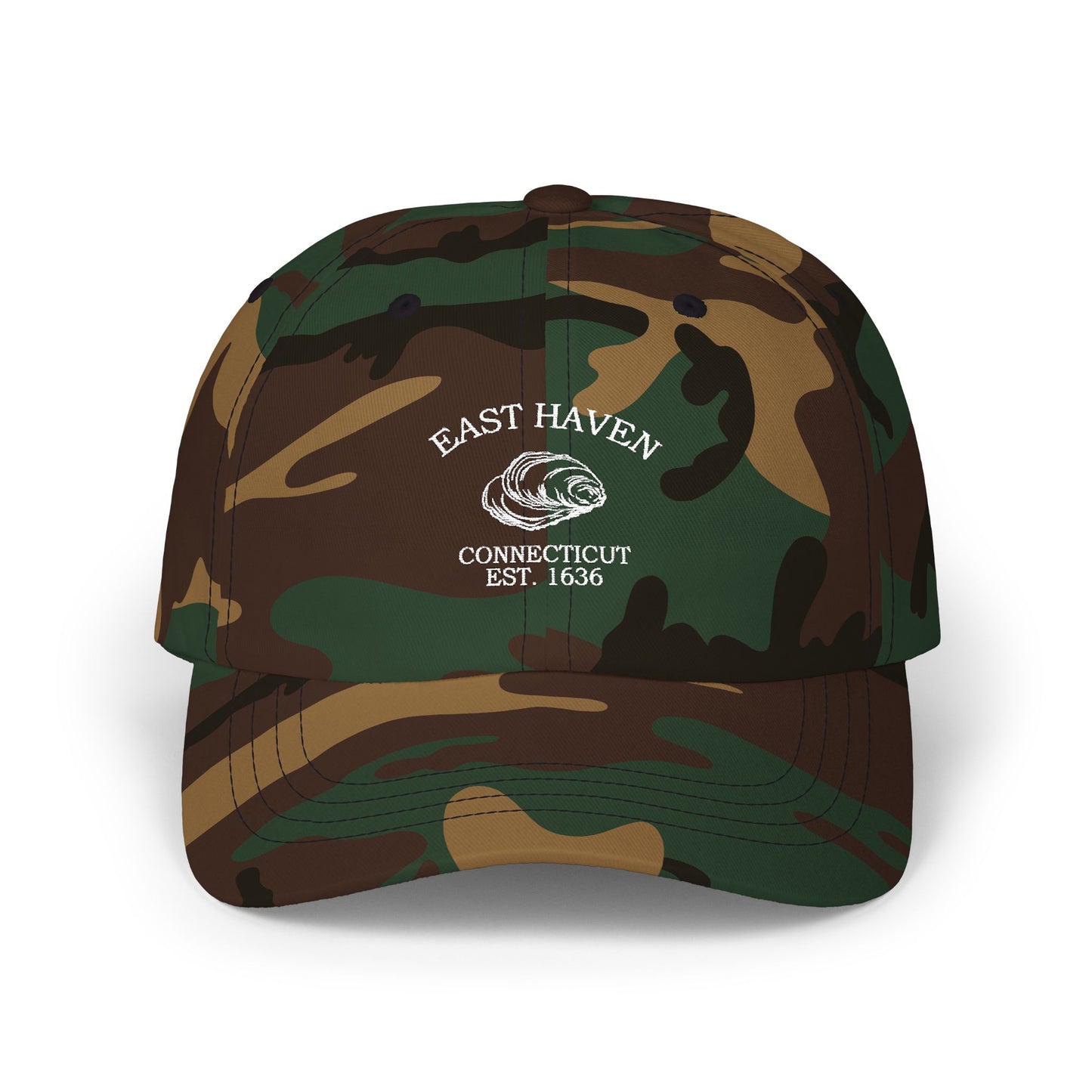
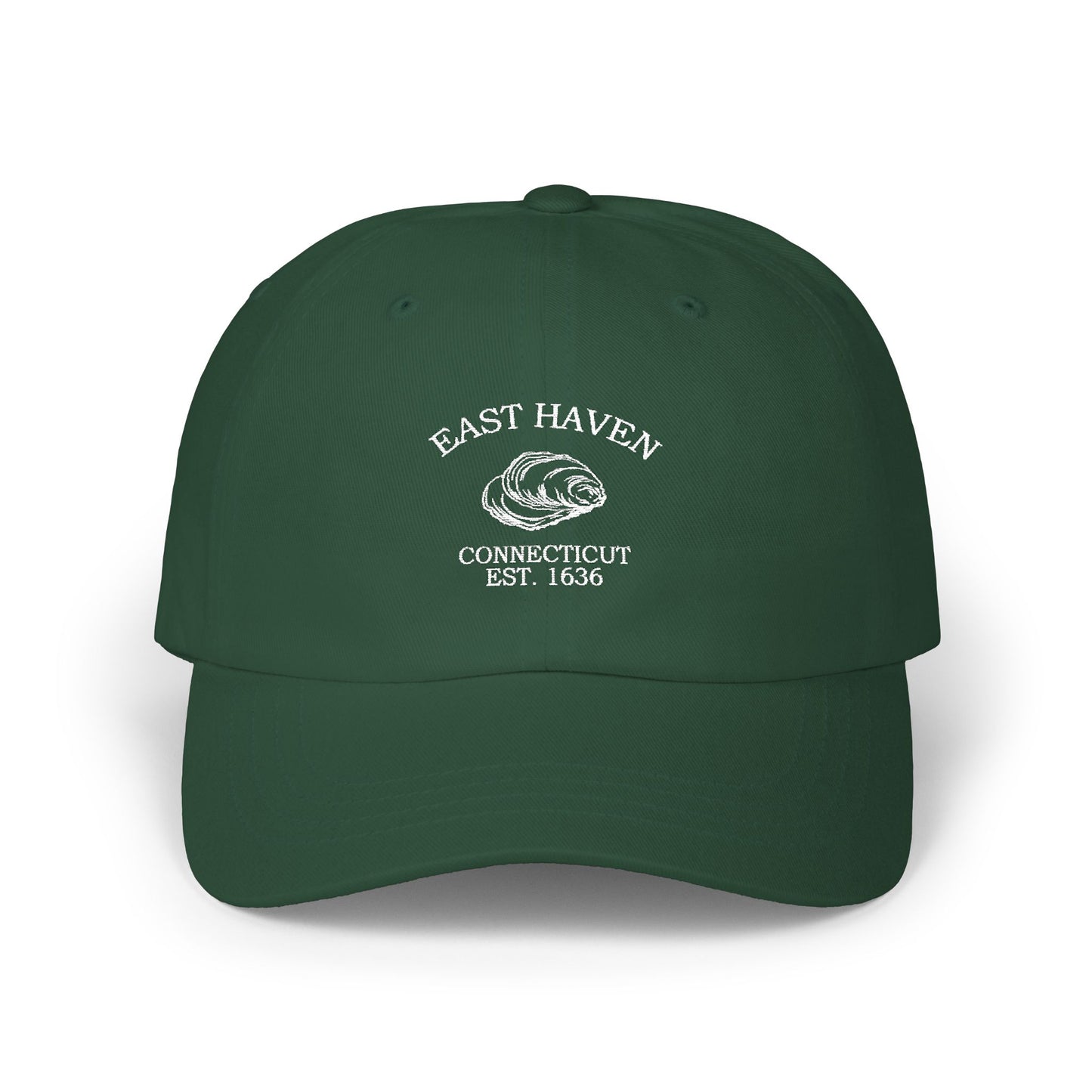
What's with Iron Works Village? Before it was East Haven, it was Iron Works Village — and that name is the key to the whole town. In 1655, on the shore of a pond fed by Lake Saltonstall, colonists fired up Connecticut's very first iron works, smelting bog iron just a few years after the New Haven Colony took root. It was only the third ironworks in all of New England. The furnace gave the settlement its first identity and its first industry, and though the fires went cold long ago, the village it built grew into the shoreline town that still sits at the east edge of New Haven Harbor.
The settlement came first, in 1638. When the New Haven Colony bought up the land along the Sound, the eastern shore of the harbor was set aside as farmland and called, plainly, East Farms — a parish of New Haven worked by colonists who built wharves, planted fields, and fished the tidal marshes. For its first century the place answered to New Haven in everything: its church, its government, its land. But the iron furnace, the salt works, and the steady growth of the village gave East Farms an identity of its own, and a long, patient campaign to become a town in its own right.
Why People Visit East Haven
Visitors come to East Haven for an unhurried slice of the Connecticut shore: a ride on a hundred-year-old trolley, a stroll past one of New England's oldest stone churches, and an afternoon on a quiet Sound-side beach. Salt marshes and shoreline trails sit a few minutes from the Town Green, and New Haven's museums and harbor are right next door. Equal parts colonial heritage and easy coastal living, East Haven rewards anyone drawn to the working shoreline of Long Island Sound.
