


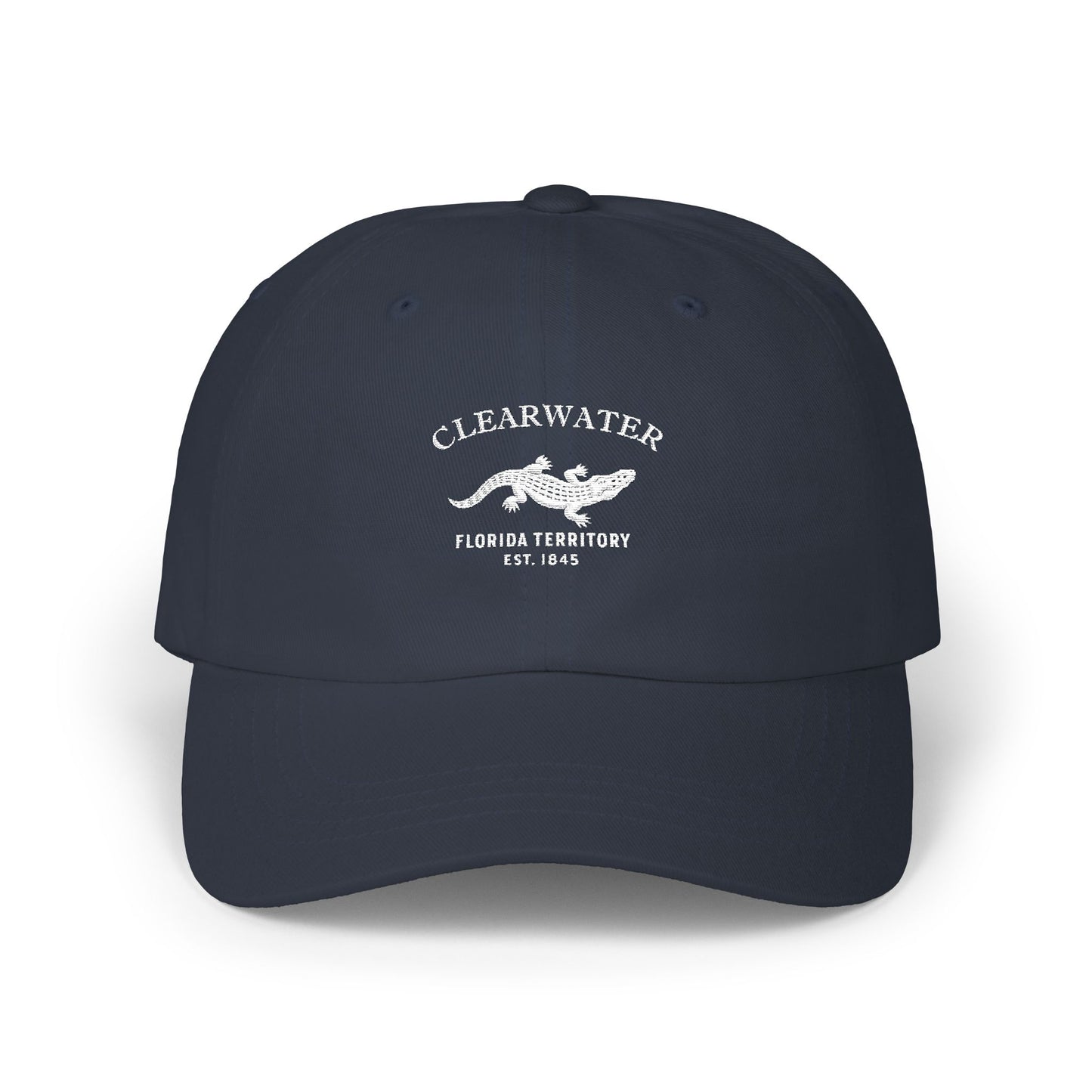
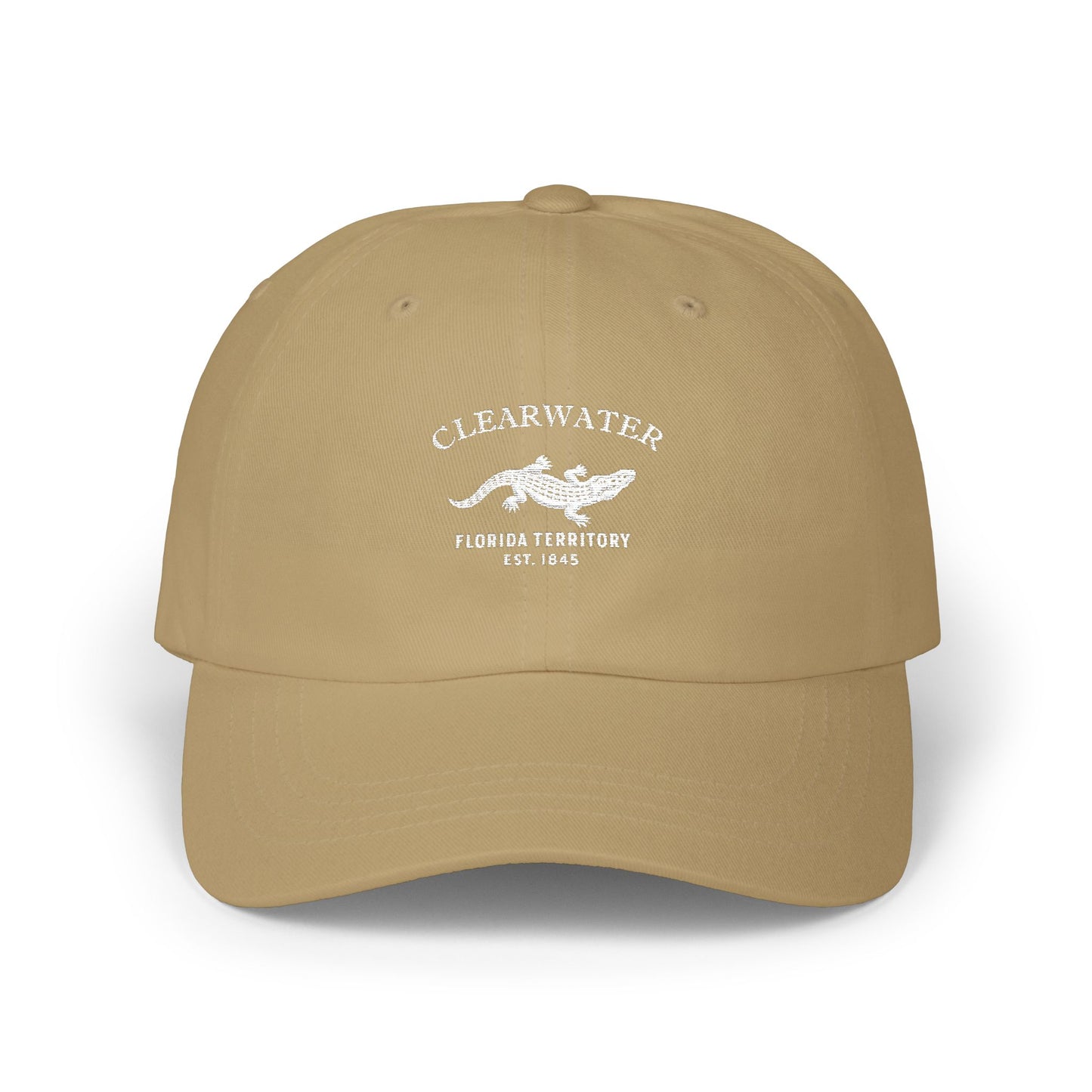
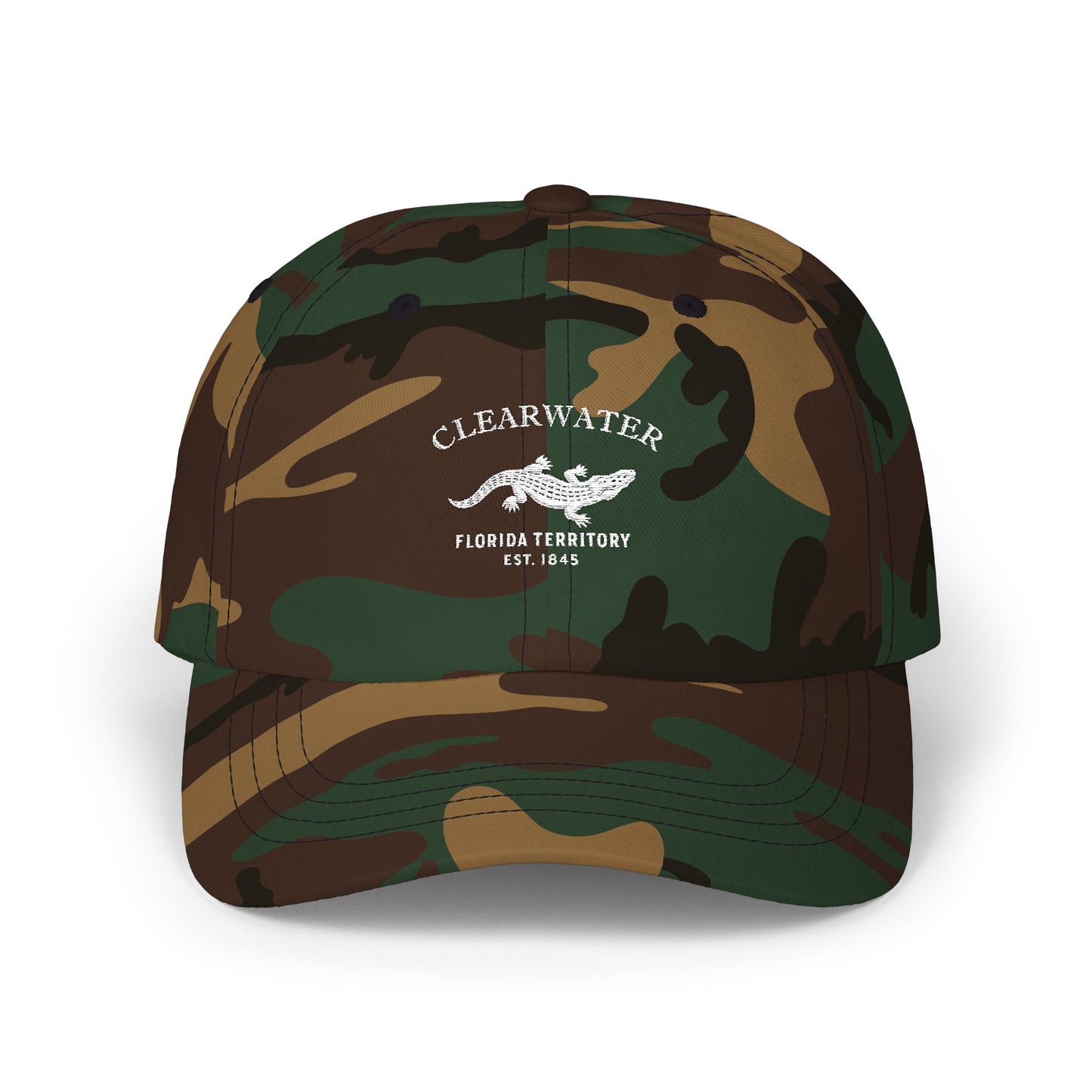
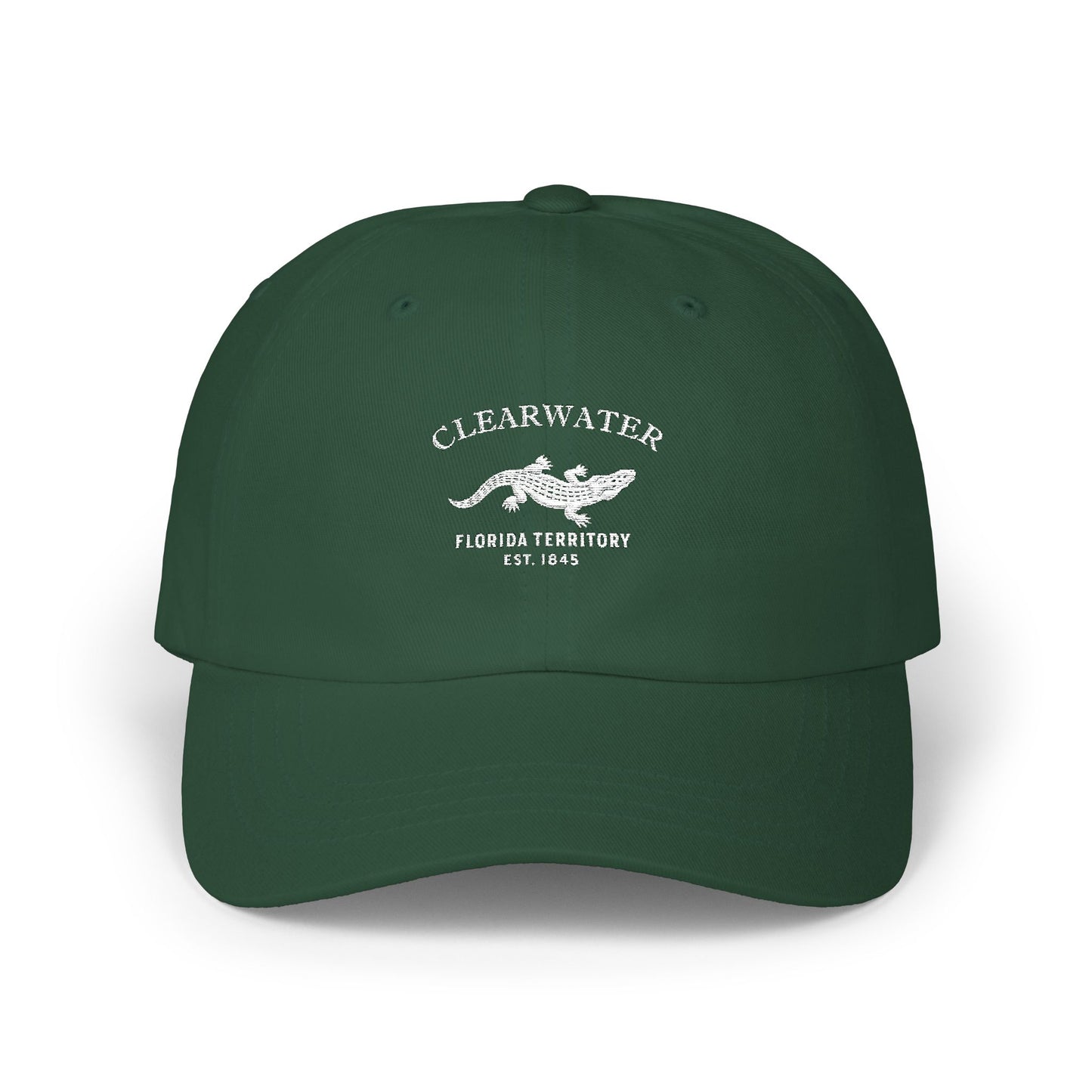
Clearwater was named for water. Really. Long before Spanish ships put it on European maps, the Tocobaga people of the Tampa Bay shell-mound coast lived along this stretch of upper Pinellas Peninsula and drank from the freshwater springs that flowed up through the limestone and out into the bay. When American settlers arrived under the 1842 Federal Armed Occupation Act and saw the same springs running clear into the salt water, they named the place Clear Water Harbor. The Spanish had been through already — Pánfilo de Narváez's expedition crossed here in 1528, Hernando de Soto's in 1539 — and Fort Harrison had been built on the bluff around 1835 during the Seminole Wars. Peter Demens' Orange Belt Railroad reached town in 1888. The town first incorporated in 1891 with James E. Crane as its first mayor. On May 27, 1915, Clearwater reincorporated as a city and was designated the seat of the new Pinellas County, and within months a wooden bridge crossed Clearwater Harbor for the first time to the barrier-island beach that sits half a mile offshore — three miles of white sand on the Gulf of Mexico, the strip that has been ranked among the top beaches in America repeatedly since the 1990s and that Clearwater is best known for today. The sky over all of it set a record: 768 consecutive days of sunshine, the longest run on the books at Guinness, which is why Clearwater advertises itself as the sunniest city in America. Two things happened in 1947 that made the city what it is now. A Major League Baseball team — the Philadelphia Phillies — moved its spring training camp to Clearwater that February, beginning what would grow into one of the longest team-city affiliations in the major leagues. And on August 14 of the same year, a master boatbuilder named Clark Mills launched the first Optimist Pram from his shop on Clearwater Bay — a seven-foot-nine plywood sailing dinghy he had designed for the Clearwater Optimist Club at the request of Major Clifford McKay, built for $50 in materials and a single simple sail. Mills donated the copyright to the Optimist Club, took no royalties for the rest of his life, and lived to see his three-piece-plywood boat carry more than 400,000 children onto the water in 120 countries — the boat that almost every Olympic sailor in the last forty years learned to sail on first. He was inducted into the National Sailing Hall of Fame in 2017. The white sand, the freshwater springs, the spring training baseball, and the sailboat that gave the world its sailors — all of it Clearwater, all of it on the Gulf since 1915.
Clearwater's stories include pirate myths of treasure buried in Gulf sands and tales of Native spirits protecting springs. Families recall beach parades, clambakes, and drive-in theaters of the 1950s. Residents remember rebuilding after hurricanes, stories that highlighted community resilience. Clearwater's lore also includes sporting pride, with baseball spring training camps defining local culture. These myths and memories illustrate resilience, optimism, and tradition, blending Florida's heritage with modern suburban life. Clearwater's layered identity shows how myth, memory, and endurance shaped a coastal community known for resilience, beaches, and optimism in the face of storms.
Why People Visit Clearwater Florida
Clearwater offers three miles of white-sand barrier-island beach repeatedly ranked among America's top beaches, the Guinness World Record for the longest consecutive run of sunshine in the country, the 1947 origin point of the Optimist Pram class sailboat that taught most of the world's Olympic sailors how to sail, and one of the longest spring-training affiliations in Major League Baseball running since the same year. The freshwater springs that gave the place its name still feed the harbor; the Tocobaga lived here for centuries before contact; the Pinellas Peninsula is one of the densest concentrations of small Gulf coast communities in Florida. Visitors come for the beach, the pier, the springs, the boat heritage, the spring training, the sunsets, the snowbird-season rhythm, and the simple Gulf Coast pleasure of three miles of sand under the brightest sky in the country. On the Gulf since 1915.
