


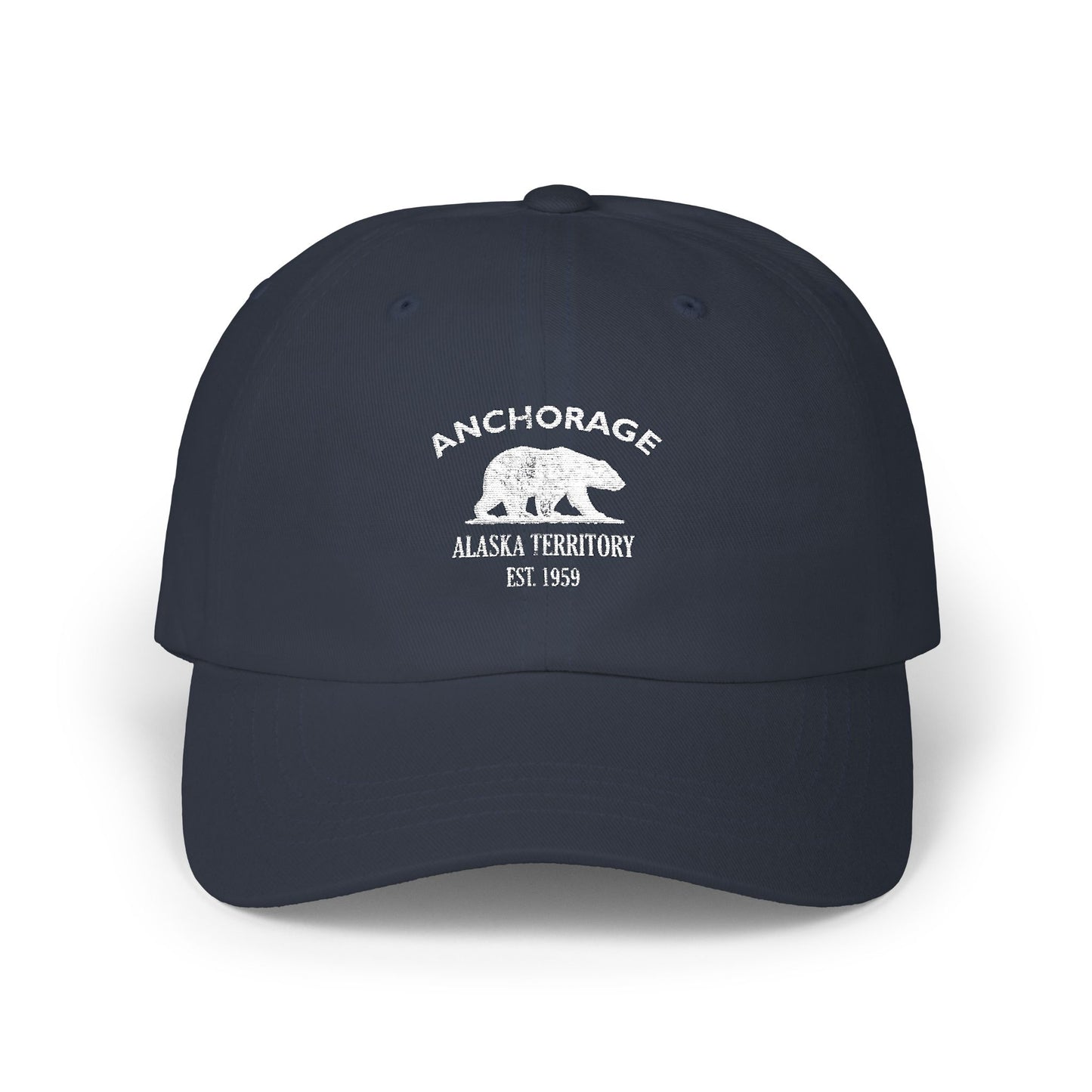
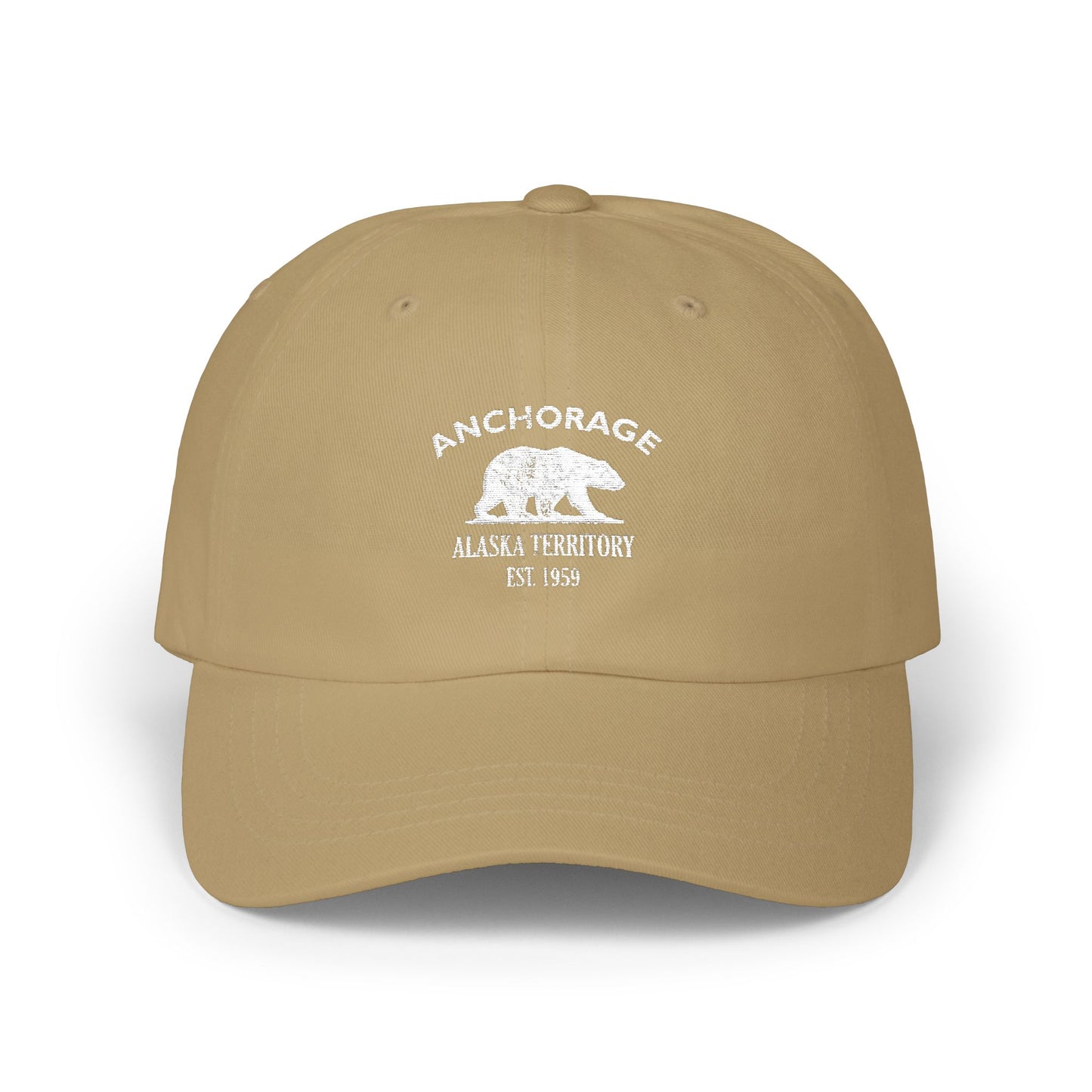
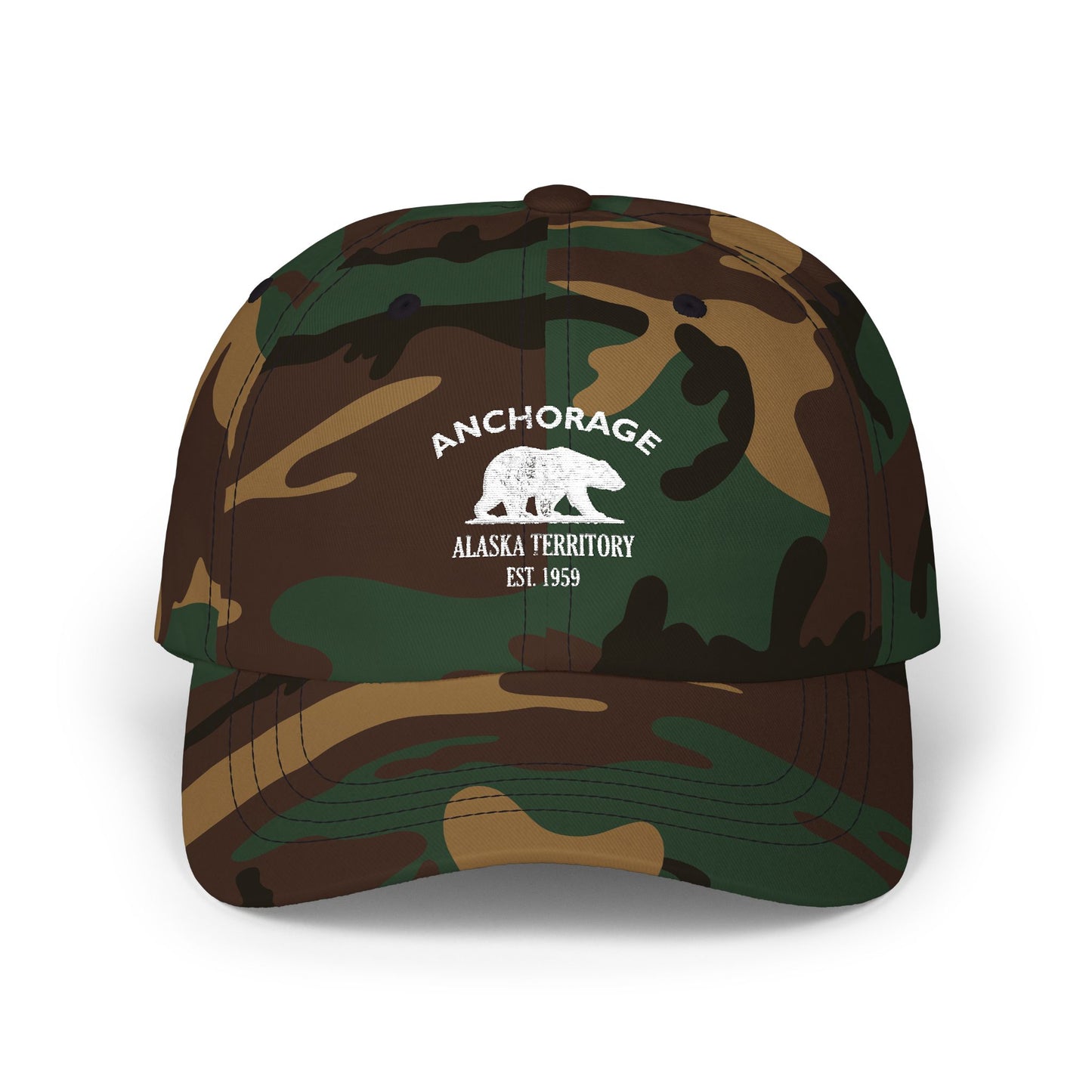
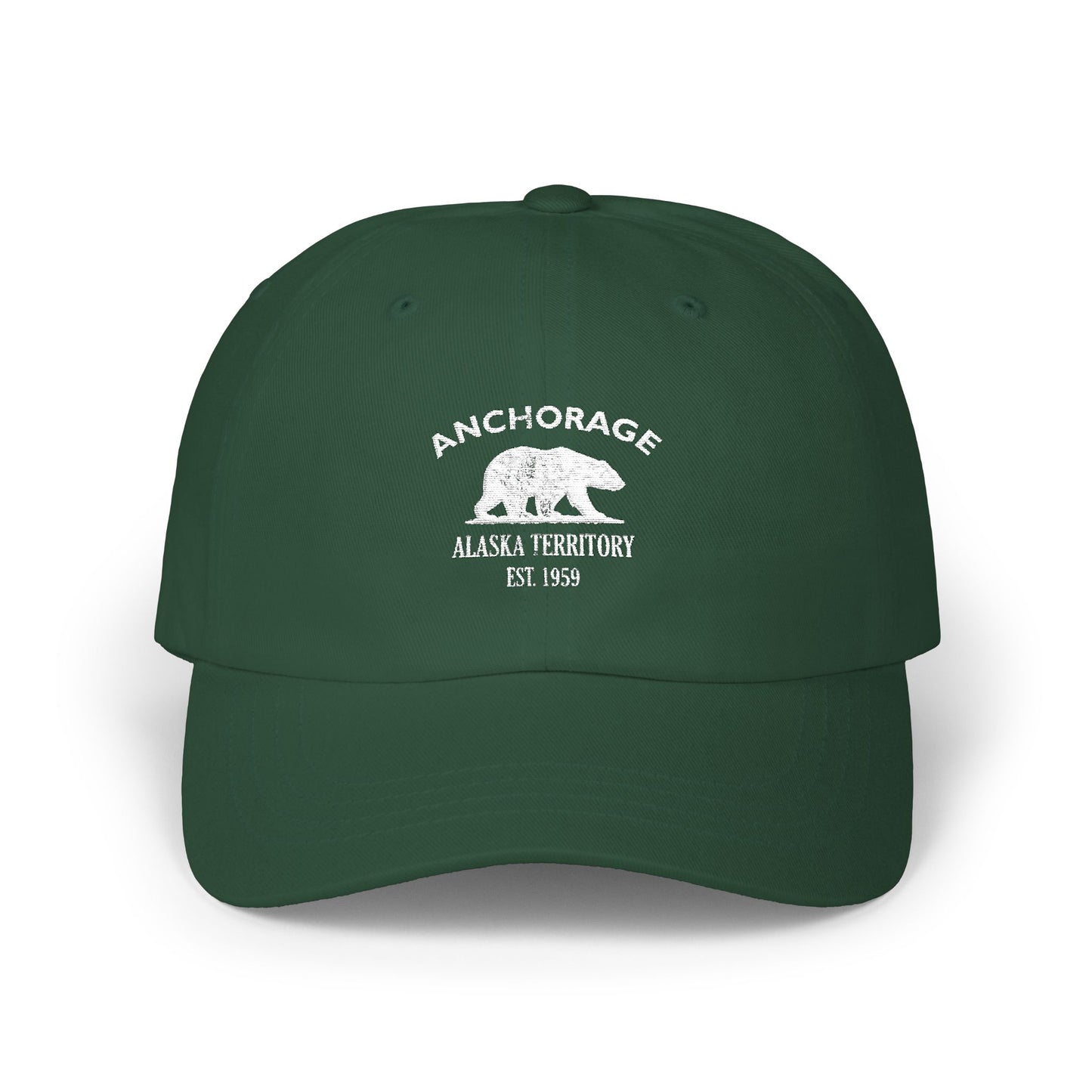
Then, on Good Friday in 1964, the ground itself moved. The Great Alaska Earthquake measured magnitude 9.2 — the most powerful ever recorded in North America and the second-largest measured anywhere on earth. It shook for several minutes, dropping a stretch of Fourth Avenue and carrying part of the Turnagain neighborhood toward the inlet. The city rebuilt with remarkable speed, and the quake became part of Anchorage's identity rather than the end of its story — a reminder that this is a place built on a young and restless coast, where the land is as much a character as the people who settled it.
Today Anchorage is Alaska's front door — the city most travelers pass through on the way to Denali, the Kenai Peninsula, or Seward, and the place where nearly half the state actually lives. Each March the Iditarod's ceremonial start sends sled teams down Fourth Avenue before the real race restarts to the north, and in late winter the Fur Rendezvous fills downtown. Our Anchorage designs gather that identity into wearable form — the bear, the mountains, and the inlet. Anchorage, Alaska: between the tide and the mountains, at the top of the world.
Why People Visit Anchorage
Anchorage offers Alaska in one place — a real city with museums, trails, and good food, set inside the scenery most people come north to see. Visitors come for the mountains and the inlet, the wildlife and the long summer light, and stay for the easy access to everything beyond. From the coastal trail to the Chugach, it rewards a day or a week. It is rugged, scenic, and genuinely Alaska.
