


Clinton prospered in the eighteenth and nineteenth centuries, supported by shipbuilding, fishing, and oystering. By the twentieth century, it became a suburban shoreline community. The 1950s and 1960s brought highways, schools, and suburban neighborhoods, while fishing and festivals preserved heritage. Its timeline reflects adaptability: colonial fishing town evolving into suburban hub. Clinton’s mid-century decades highlighted optimism, resilience, and cultural pride. The story demonstrates Connecticut’s ability to preserve traditions while embracing suburban change, balancing cultural continuity with modern optimism. Clinton became a community that preserved shoreline identity while adapting to growth.
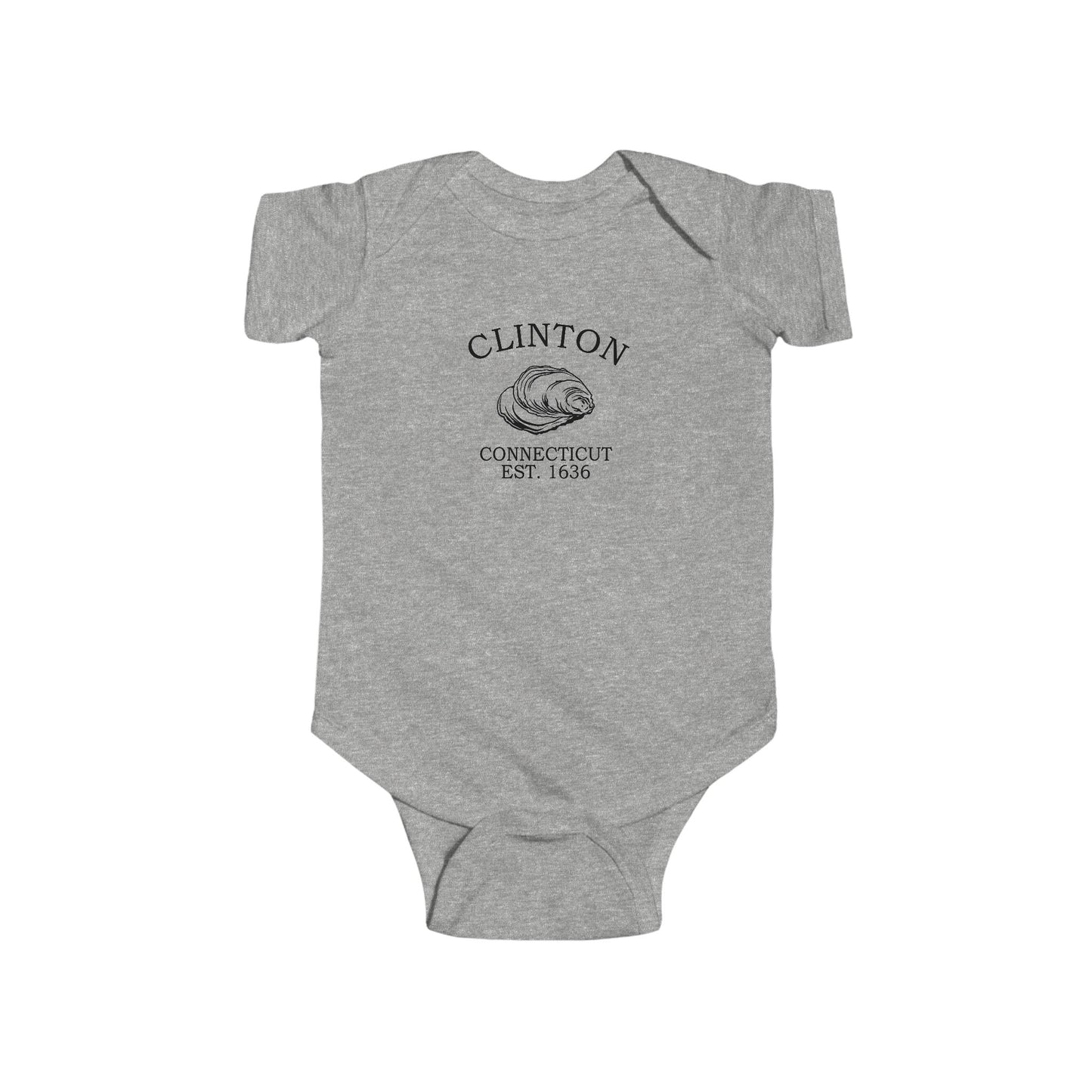
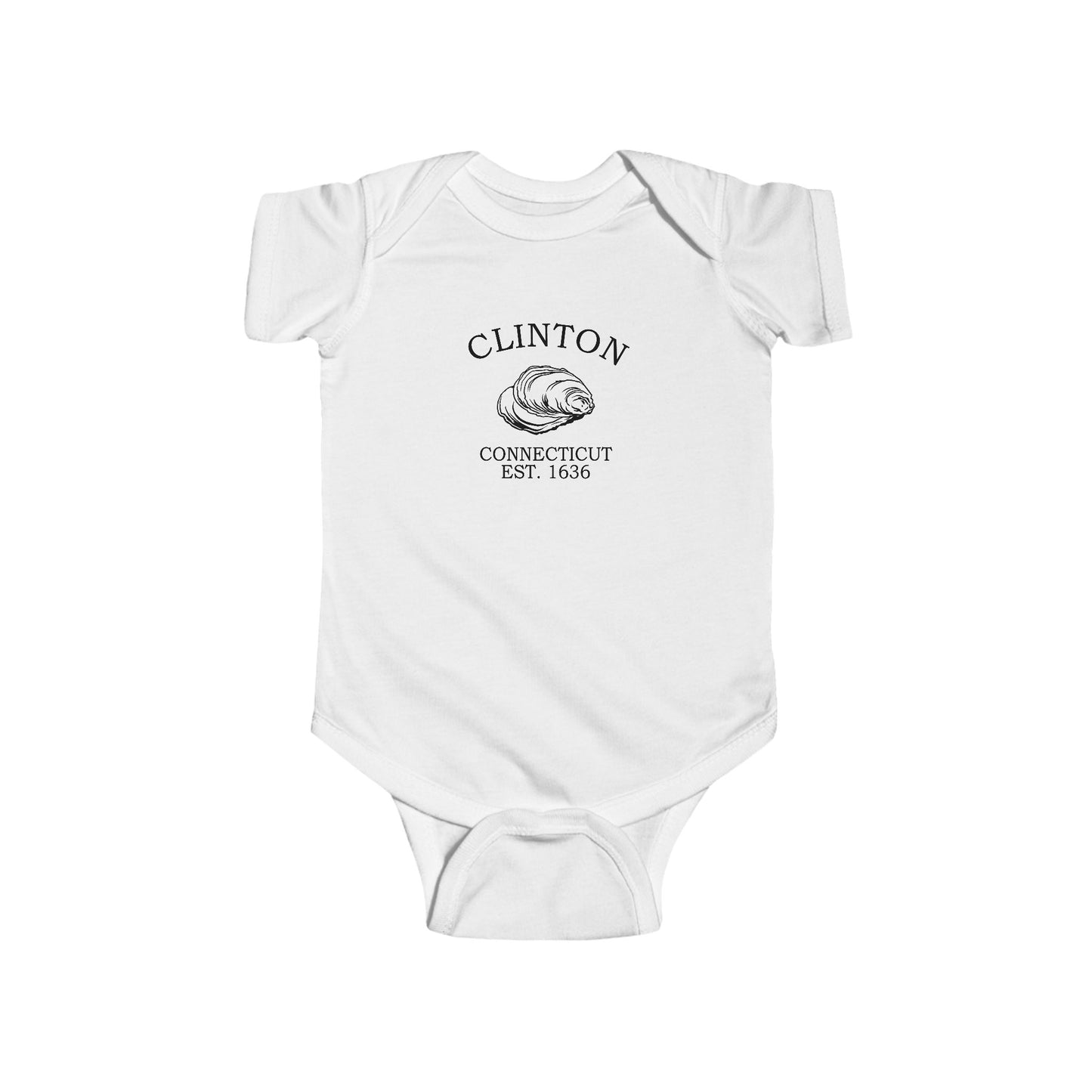
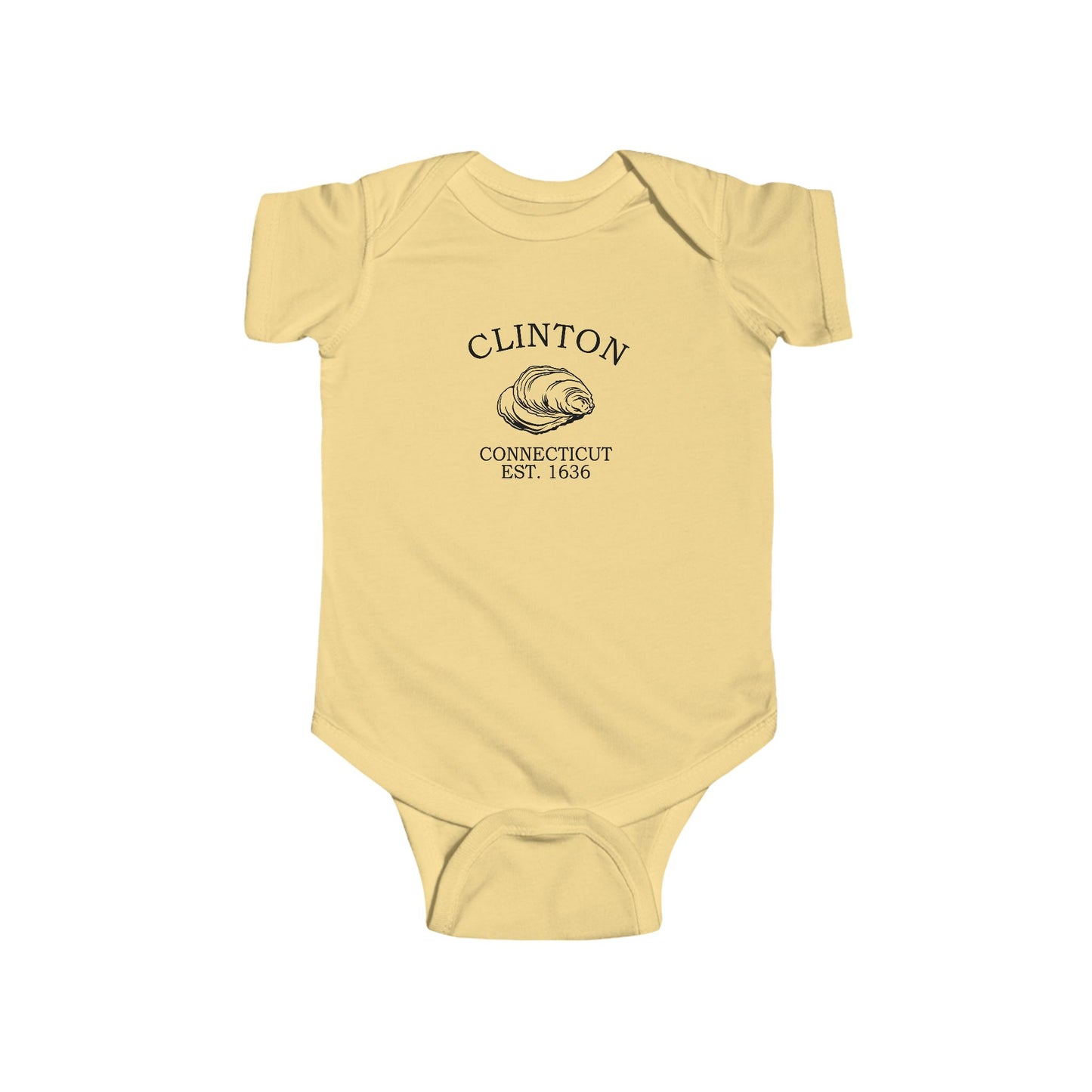
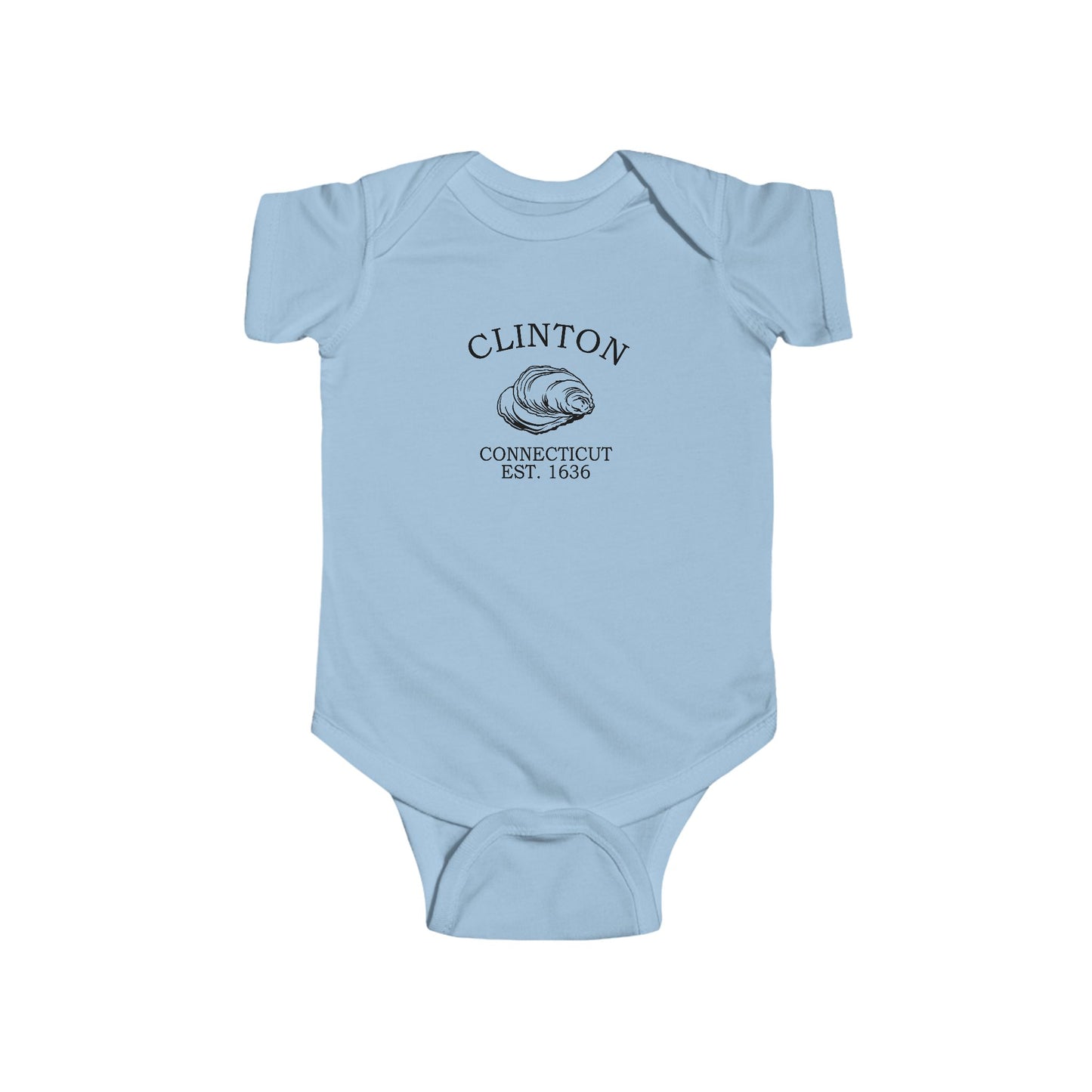
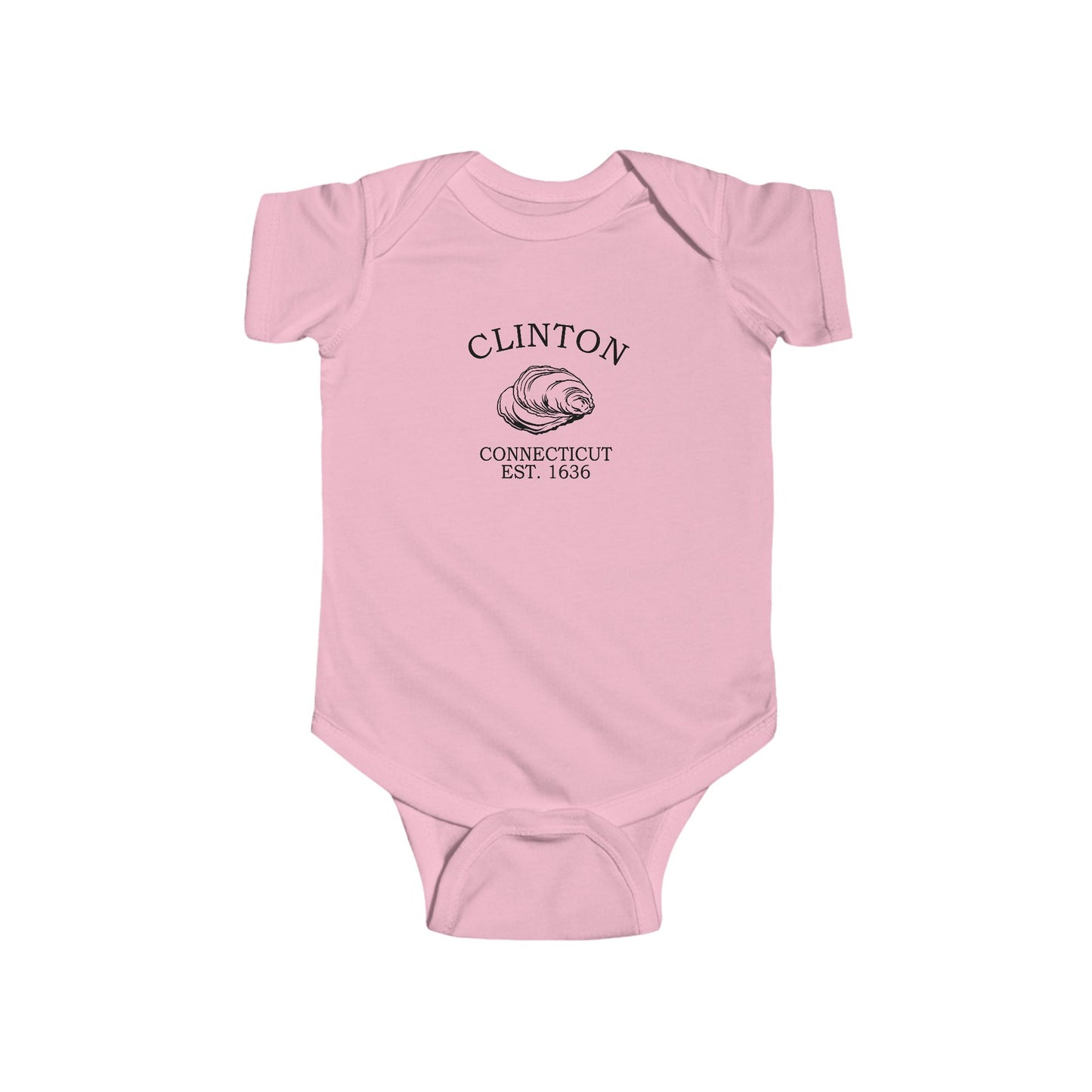
Our Clinton retro logo uses Connecticut’s oyster shell motif, symbolizing resilience, abundance, and shoreline pride. The oyster reflects maritime tradition, while “1636” ties the motif to colonial founding. Its black-and-white styling is retro, resembling oyster crate labels and shoreline signage. The motif bridges Clinton’s dual identity: colonial maritime hub and suburban town. On merchandise, it conveys authenticity and pride, retro vintage in tone. The oyster shell emblem honors Clinton’s layered identity, making it a vintage symbol of Connecticut pride. Retro in style, it reflects endurance and heritage, perfectly suited for shoreline tradition.
Why People Visit Clinton Connecticut
- Swim at Town Beach, sandy cove with gentle water and seasonal lifeguards.
- Launch from Indian River Marina to creeks and open sound on calm days.
- Browse Clinton Crossing, open air outlet center just off the highway.
- Visit the Historical Society, artifacts and exhibits in a classic house museum.
- Walk the Town Hall Green, shaded lawns and civic buildings along Main Street.
