Every design is set in hand-lettered vintage type for that old-school, crate-label look. One sample color shown — black and white logo options on every piece. Recently in the national press. Enjoy!
-
Whitewater Run - Silhouette Art Framed Art Print
Regular price From $96.00 USDRegular price -
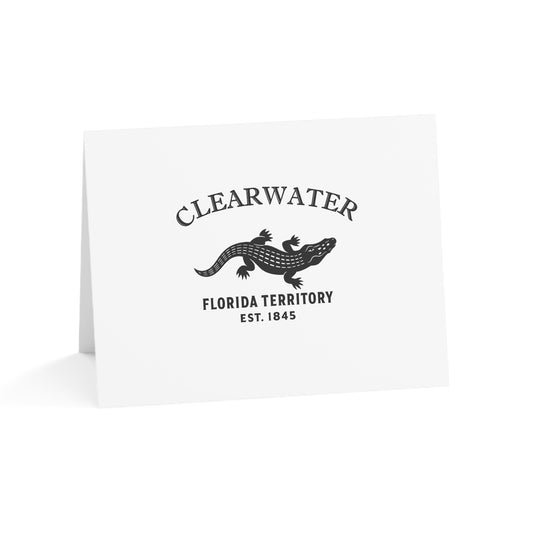
Clearwater Florida Vintage Retro Thank You Card Set - Black Logo
Regular price From $25.00 USDRegular price -
-
Three Dogs, Still Water - Silhouette Art Giclée Unframed Art Print
Regular price From $44.00 USDRegular price -
Kiss at Still Water - Silhouette Art Framed Art Print
Regular price From $96.00 USDRegular price -
Clearwater Florida Vintage Retro Unisex Cotton Jersey Tank Top - White Logo
Regular price $28.00 USDRegular price -
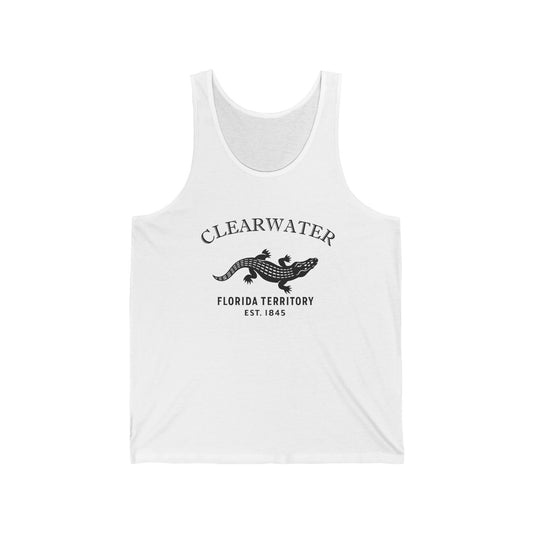
Clearwater Florida Vintage Retro Unisex Cotton Jersey Tank Top - Black Logo
Regular price $28.00 USDRegular price -
Horse at Low Tide - Silhouette Art Giclée Unframed Art Print
Regular price From $34.00 USDRegular price -
Horse at Low Tide - Silhouette Art Framed Art Print
Regular price From $96.00 USDRegular price -
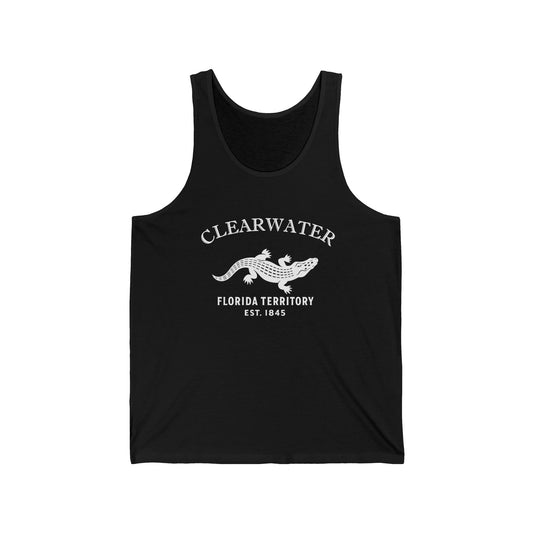
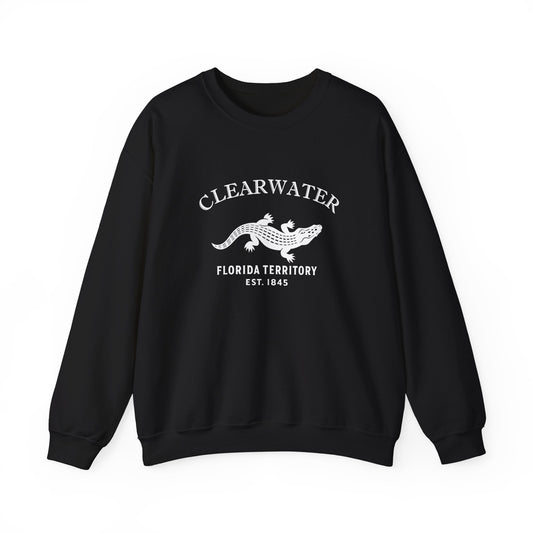
Clearwater Florida Vintage Retro Unisex Heavy Crewneck Sweatshirt - White Logo
Regular price $44.00 USDRegular price -
Between Two Hounds Portrait - Silhouette Art Framed Art Print
Regular price From $112.00 USDRegular price -
Whitewater Walk - Silhouette Art Framed Art Print
Regular price From $96.00 USDRegular price








Clearwater Florida — Retro Vintage History
What’s with the Clear Water? Clearwater was named for water. Really. On a salty coast, fresh water is the whole game — and along the bluff above the harbor, clear freshwater springs flowed straight out of the ground and down to the bay. The Tocobaga people drank from them for centuries before a European ever saw the place; the American settlers who came later named their landing “Clear Water Harbor” for the same springs. Add three miles of sugar-white barrier-island sand and one of the sunniest coasts in America, and the name turned out to be the whole brand: clear water, bright sky, and a beach that keeps landing at the top of the national rankings.
Wear the HistoryWhere you’re from. Where you love. Where you explored. Where you belong.
The deep story starts with the Tocobaga — the shell-mound people of Tampa Bay, who built their villages on the water and knew every spring on the coast. Spanish expeditions crossed the region early — Pánfilo de Narváez in 1528, Hernando de Soto in 1539 — and in the centuries that followed, European disease and raids devastated the Tocobaga, who were gone from the bay by the early 1700s; the Indigenous peoples of Tampa Bay remain part of this coast’s story. Fort Harrison went up on the bluff in April 1841 during the Seminole Wars, the 1842 Armed Occupation Act brought American settlers, and Odet Philippe planted Florida’s first citrus groves nearby in the 1830s — a pioneer of the orange coast who was also, the record shows, a slaveholder, like a number of settlers of that era.
QUICK FACTS — CLEARWATER, FL
Clearwater is named for the freshwater springs that flowed from the bluff — settlers called the landing “Clear Water Harbor.”
The Tocobaga people of Tampa Bay’s shell-mound coast lived here for centuries before Spanish contact in 1528.
Fort Harrison was built on the bluff in April 1841, during the Seminole Wars.
Peter Demens’ Orange Belt Railroad reached Clearwater in 1888; the town first incorporated in 1891.
Henry B. Plant’s Belleview Biltmore (1897) — the “White Queen of the Gulf” — stood until 2015.
On May 27, 1915, Clearwater became a city and the seat of newly formed Pinellas County.
Two things arrived in 1947: big-league spring training — and the Optimist pram, launched August 14 for local kids.
Clearwater Beach’s three miles of white sand are repeatedly ranked among the best beaches in America.
The modern town arrived by rail and resort: Peter Demens’ Orange Belt Railroad reached the bluff in 1888, Clearwater incorporated in 1891 with James E. Crane as first mayor, and in 1897 Henry B. Plant opened the Belleview Biltmore — the vast wood-frame Victorian resort they called the White Queen of the Gulf, which stood until 2015. On May 27, 1915, Clearwater reincorporated as a city and became the seat of brand-new Pinellas County, and within a year the first bridge reached across the harbor to the barrier island.

The land boom of the 1920s built and busted, the beach kept rising — and then two things happened in 1947: big-league baseball made Clearwater its spring home, beginning one of the longest team-and-town spring training partnerships in the game (the Phillies have trained here ever since), and a local boatbuilder named Clark Mills launched a plywood sailboat for the neighborhood kids on August 14 — the Optimist pram, which went on to become the most popular children’s sailboat on earth. Pier 60 — the current pier went up in 1962 — made the sunset itself a nightly civic event, and through every storm the Gulf has thrown at it, the town has rebuilt and reopened the umbrellas.
The geography is a postcard in plan view: the mainland on its bluff above Clearwater Harbor, the Memorial Causeway arcing west to Clearwater Beach — three miles of white quartz sand on its own barrier island — Sand Key stretching south, the Intracoastal Waterway threading between, Old Tampa Bay at the city’s back, and beneath it all the freshwater springs that named the place.
Clearwater’s lore runs to pirate gold — myths of treasure buried in the Gulf sands — and to the ghost hotels of the land boom, grand lobbies that opened to brass bands in 1925 and stood empty by 1930. Old-timers remember the clambakes, beach parades, and drive-in theaters of the 1950s, and every generation has its rebuilding story — a coast that takes the storm, sweeps the sand off Gulf Boulevard, and puts the beach chairs back out by the weekend.
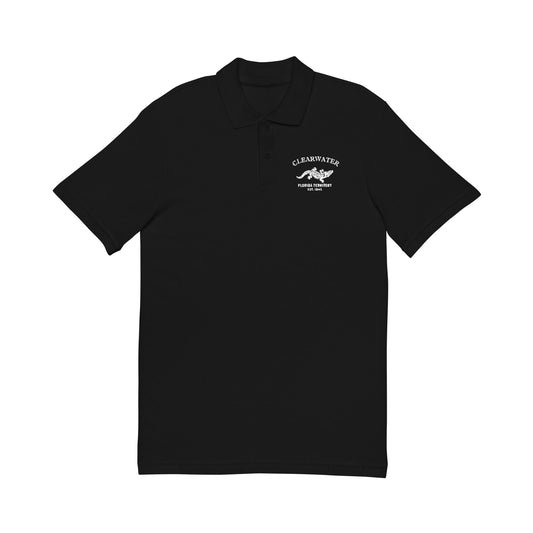
Our Clearwater retro logo uses Florida's alligator motif, reflecting toughness, adaptability, and wild heritage. The alligator represents resilience against storms and the spirit of Florida's frontier. "1845" grounds the motif in statehood pride. Its black-and-white styling is retro and authentic, resembling woodcut prints or crate labels. The motif bridges Clearwater's dual story: small farming village and booming resort town. On merchandise, it feels vintage and rugged, emphasizing resilience and heritage. The alligator motif honors Clearwater's layered identity, reflecting toughness and authenticity, making it a timeless emblem of Florida's Gulf Coast resilience.
So Clearwater gathers the springs the Tocobaga drank from, a fort on a bluff, an orange grove, a railroad, a white Victorian queen of a hotel, a county seat crowned in 1915, two very good ideas from 1947, and a nightly sunset that draws a crowd like a headline act — and our Clearwater designs fold all of it into wearable form. Whether Clearwater is your hometown, your beach, your spring ritual, or the place your family measures every other vacation against, wear the history. On the Gulf since 1915.

Clearwater Florida — Travel Guide
Visiting Clearwater Florida Today
Clearwater is a Gulf Coast city on the upper Pinellas Peninsula, west of Tampa and north of St. Petersburg, with a downtown core on the mainland bluff above Clearwater Harbor and a barrier-island beach a half-mile offshore connected to the mainland by the Clearwater Memorial Causeway (FL-60). The peak travel season is November through April — driest weather, mid-70s°F, the snowbird high season. February and March are spring training season. Summers are hot and humid with daily afternoon thunderstorms, and Atlantic hurricane season peaks August through October.
The White-Sand Beach, the Pier, the Causeway, and the 1947 Heritage in Clearwater
For visitors searching for things to do in Clearwater Florida:
- Spend a day on Clearwater Beach, the three-mile white-sand barrier-island beach repeatedly ranked among the top beaches in America — calm, shallow Gulf water, long flat sand, sunsets straight across the Gulf horizon.
- Walk out on Pier 60, the 1962 fishing-and-sunset pier on Clearwater Beach where the daily sunset celebration has been a Clearwater tradition for decades — artisans, musicians, and the green-flash crowd every clear evening.
- Drive or walk the Clearwater Memorial Causeway (FL-60) — the 1915-16 bridge alignment that first connected the mainland to the barrier-island beach, now the high-arc causeway with the harbor on both sides.
- Visit the Clearwater Marine Aquarium on the Clearwater Memorial Causeway — a marine-mammal rehabilitation and rescue center caring for dolphins, sea turtles, otters, and stranded marine wildlife from the Gulf coast.
- Watch a Major League Baseball spring training game in February or March at the Phillies' Clearwater spring-training camp — one of the longest team-city affiliations in the major leagues, going on since 1947.
- Drive south to Sand Key, the lower barrier island just past Clearwater Beach, for the wider stretches of sand at Sand Key Park and the quieter end of the barrier-island chain.
- Walk the downtown Clearwater waterfront at Coachman Park along Clearwater Harbor — the redeveloped 2023 waterfront park with The Sound amphitheater, walking paths, and harbor views across to the beach.
- Stroll Cleveland Street, the downtown corridor on the bluff above the harbor with public art and the historic streetscape.
- Drive twenty minutes east to Heritage Village in Largo, the 21-acre Pinellas County living history museum with 33 historic structures dating from the 1840s — log cabins, the oldest house in Pinellas County, a country store, a train station, a sponge warehouse, and the McKay Creek Boat Shop.
- Visit the McKay Creek Boat Shop exhibit at Heritage Village for the Clark Mills Optimist Pram story — the 1947 design that has carried 400,000 children onto the water in 120 countries, with original Mills-built Optimist Prams, his Snipe sailboat Honey, the Sun Cat, and the Windmill on display.
- Look for the historic Belleview Inn (the surviving preserved portion of the 1897 Henry B. Plant Belleview Biltmore Hotel, demolished 2015) — the last fragment of one of Florida's great Gilded Age resort hotels.
- Catch sunset from Pier 60 or anywhere on the west-facing Gulf side of the barrier island — the longest unbroken horizon line on the central Florida Gulf Coast, on one of the sunniest shorelines in America.
Why People Visit Clearwater Florida
Clearwater offers three miles of white-sand barrier-island beach repeatedly ranked among America's top beaches, one of the sunniest coasts in the country, the 1947 origin point of the Optimist Pram class sailboat that taught most of the world's Olympic sailors how to sail, and one of the longest spring-training affiliations in Major League Baseball running since the same year. The freshwater springs that gave the place its name still feed the harbor; the Tocobaga lived here for centuries before contact; the Pinellas Peninsula is one of the densest concentrations of small Gulf coast communities in Florida. Visitors come for the beach, the pier, the springs, the boat heritage, the spring training, the sunsets, the snowbird-season rhythm, and the simple Gulf Coast pleasure of three miles of sand under the brightest sky in the country. On the Gulf since 1915.
Wear the History
Where you’re from. Where you love. Where you explored. Where you belong.
Kindred Cities
Welcome, friends from Nagano (ようこそ) — Clearwater's sister across the Pacific for more than sixty years.
Clearwater and Nagano have been partners since 1959, one of the oldest such ties in Florida — and an unlikely one between a Gulf beach town and a Japanese mountain city of temples and snow. What began as a postwar gesture of friendship has outlasted generations, carried by the students who cross the Pacific each year.
Nagano's own mayor chose Clearwater back in 1959, touring three American cities before settling on the Gulf Coast; decades later Nagano hosted the 1998 Winter Olympics, and Clearwater's Young Ambassadors still study there most summers.
Arrive from the mountains of Nagano, and Clearwater offers the opposite and the familiar at once: no snow, but the same hospitality — sugar-white sand, a long warm gulf, and a town that has hosted Japanese visitors for three generations. Come and visit us soon.
When you plan the trip, Visit St. Pete/Clearwater — the county's tourism bureau — is the place to start.
Wear the History
Where you’re from. Where you love. Where you explored. Where you belong.

For deeper reading on Clearwater, Florida history — the Tocobaga and the shell-mound coast of Tampa Bay; the Narváez (1528) and de Soto (1539) expeditions; the April 1841 construction of Fort Harrison and the 1842 Armed Occupation Act; the settlement-era name Clear Water Harbor and the springs behind it; the 1888 arrival of the Orange Belt Railroad; the 1891 first incorporation and the May 27, 1915 city charter and Pinellas County seat designation; the Belleview Biltmore era; the land boom and crash; the twin arrivals of 1947 — spring training and the Optimist pram — and the rise of Clearwater Beach and Pier 60 — it may be useful to consult the Pinellas County Historical Society and Heritage Village, the Clearwater Historical Society, the Florida Memory Project, and the State Library and Archives of Florida. For travel and visitor information, Visit St. Pete/Clearwater is the place to start.