




By the mid-twentieth century Tyler was fully the Rose Capital. The first Texas Rose Festival was held in 1933, crowning a Rose Queen and filling downtown with a parade and a Rose Show each October, as it still does. The Municipal Rose Garden grew to fourteen acres and tens of thousands of bushes — the oldest and largest of its kind in the country — and in 2019 it was added to the National Register of Historic Places. From 1960 the Azalea & Spring Flower Trail laid out tour routes through the brick-street historic neighborhoods, and families came for the pine-forest lake at Tyler State Park, built by the Civilian Conservation Corps, and the 85-acre Caldwell Zoo. Today that heritage sits alongside a regional medical district and two colleges, but the blooms still set the calendar.
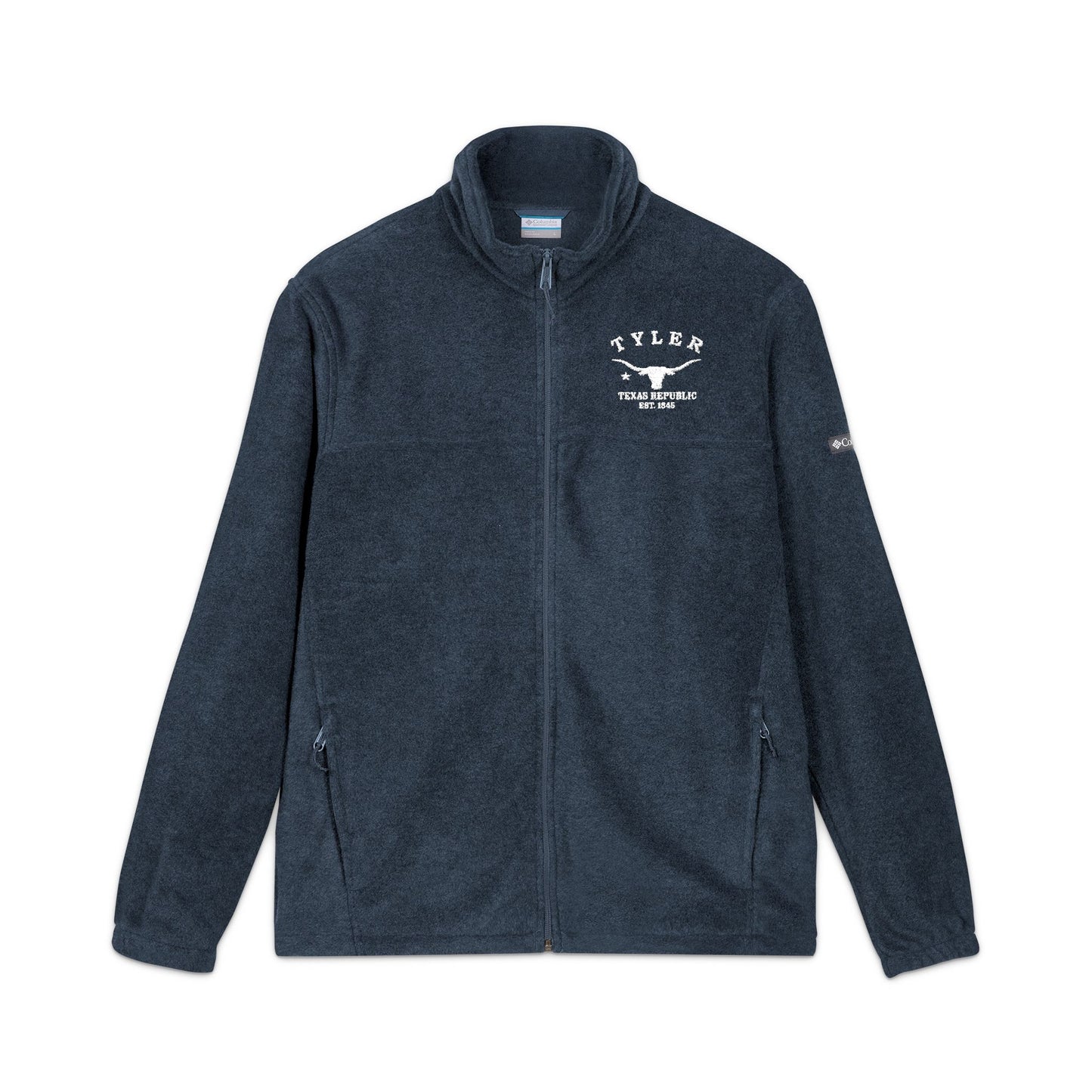
Today Tyler pairs the rose and nursery trade with a regional medical district, two colleges, and shaded historic neighborhoods. Its story runs from a Caddo homeland through a frontier county seat, a failed peach crop, and the rose gamble that gave the town its name. Our Tyler designs gather that identity into wearable form — the Rose Capital, the garden, the spring bloom. From a failed peach crop to America's rose capital, wear a little of Tyler's East Texas bloom.
Why People Visit Tyler Texas
People come to Tyler for the blooms — the largest rose garden in America, the October Rose Festival, the spring azalea streets — and find a friendly East Texas city of historic homes, pine-forest lakes, and easy days. Garden and flower lovers make it a pilgrimage; festival and heritage travelers time their trips to the two bloom seasons; and the Piney Woods keep the weekends green the rest of the year.
