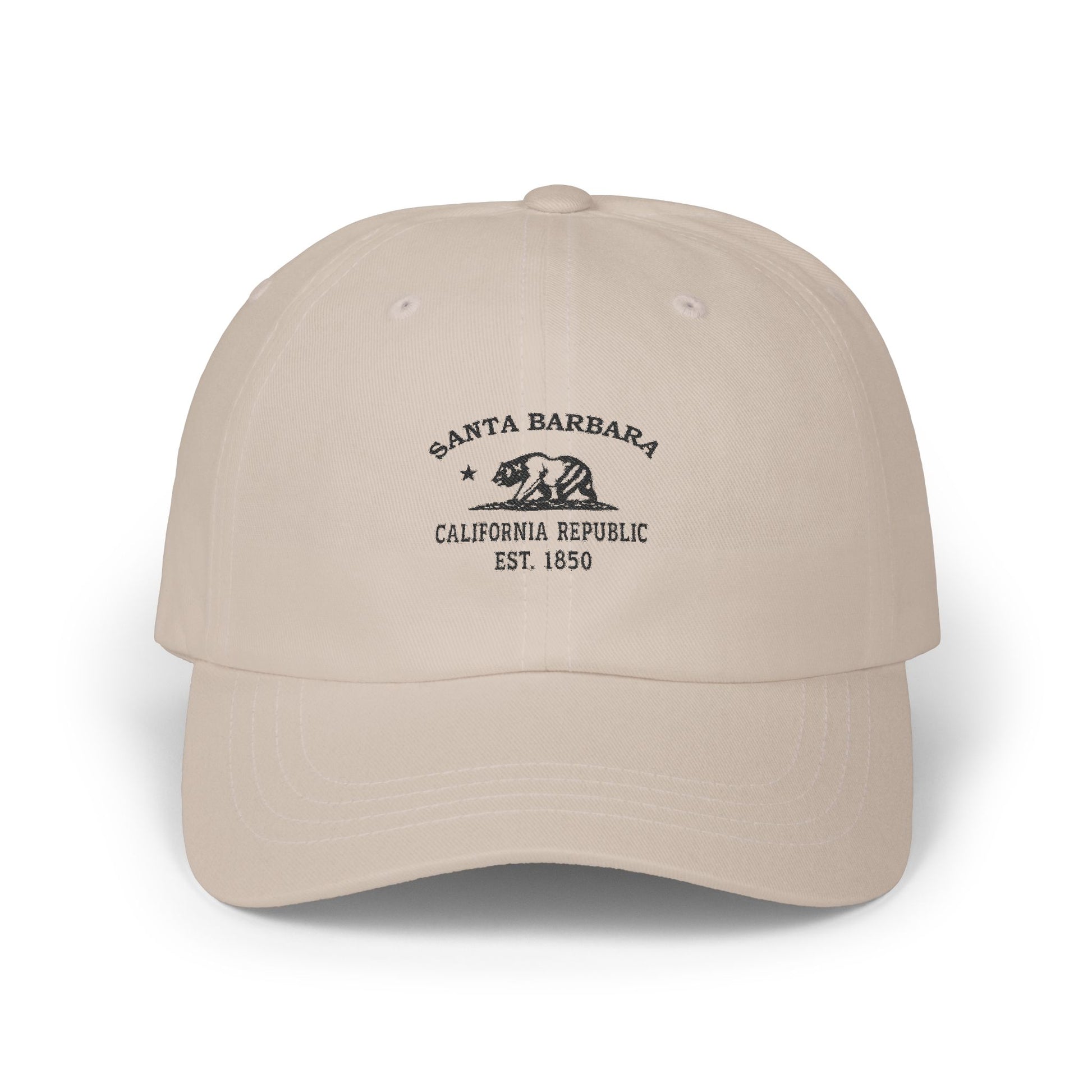
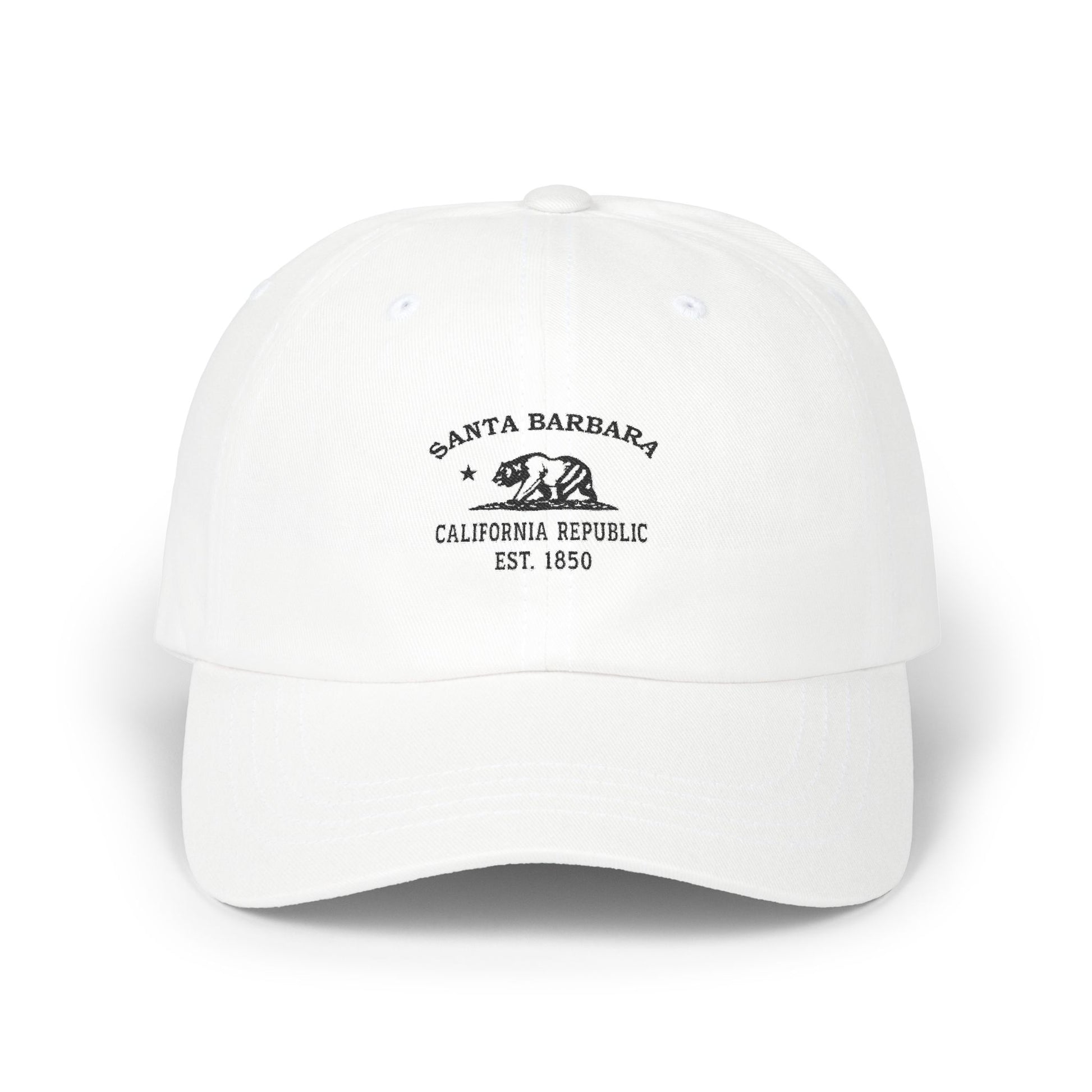
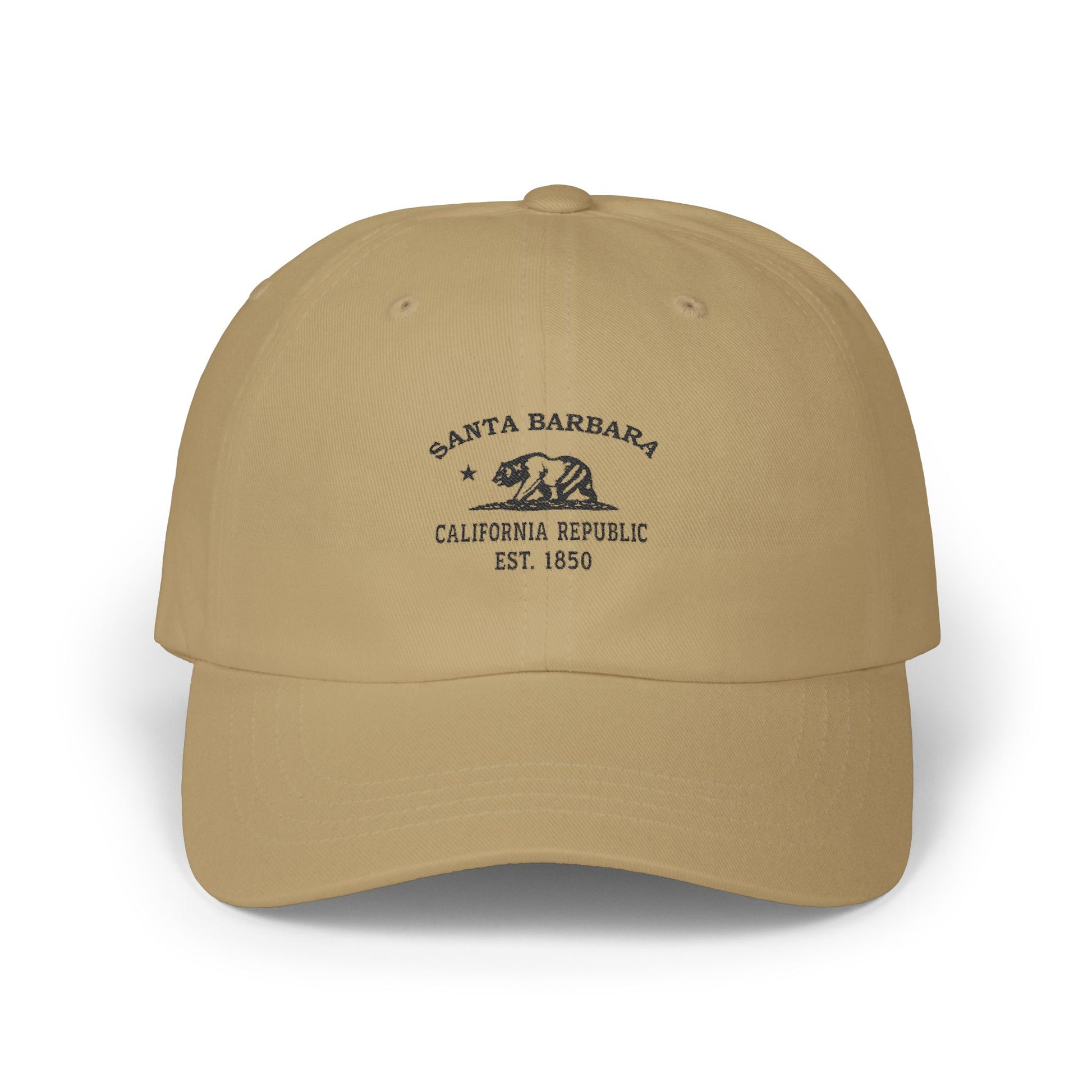
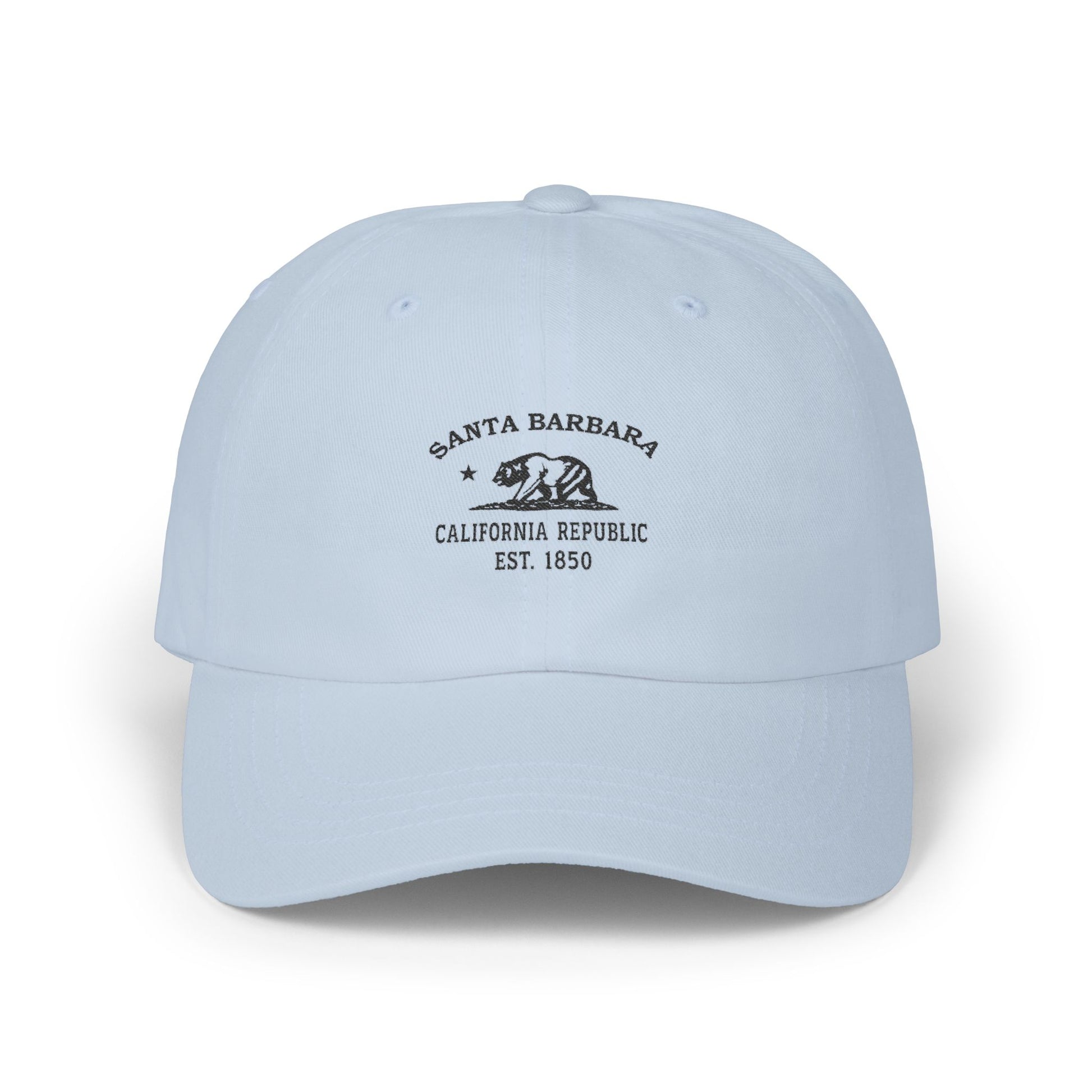
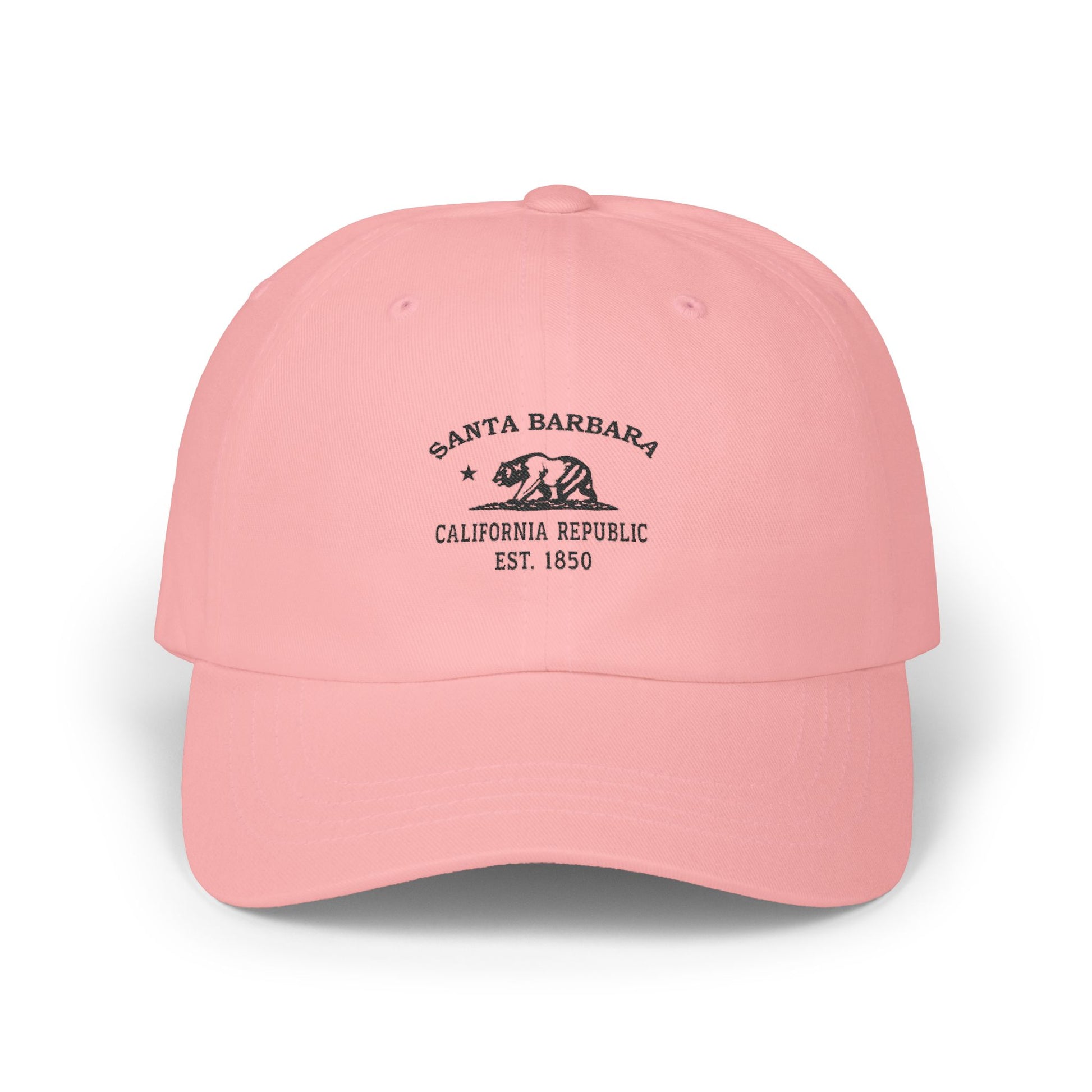
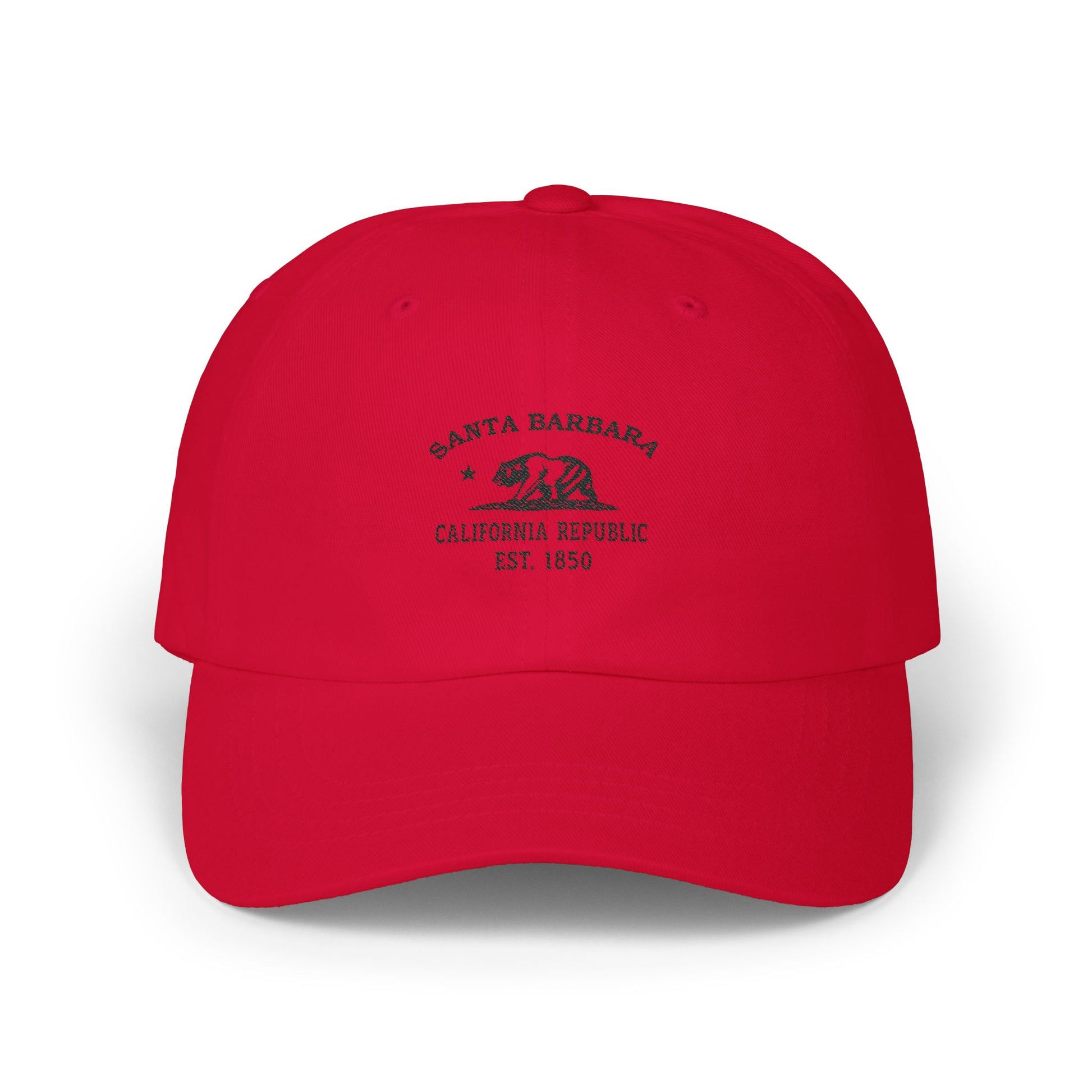
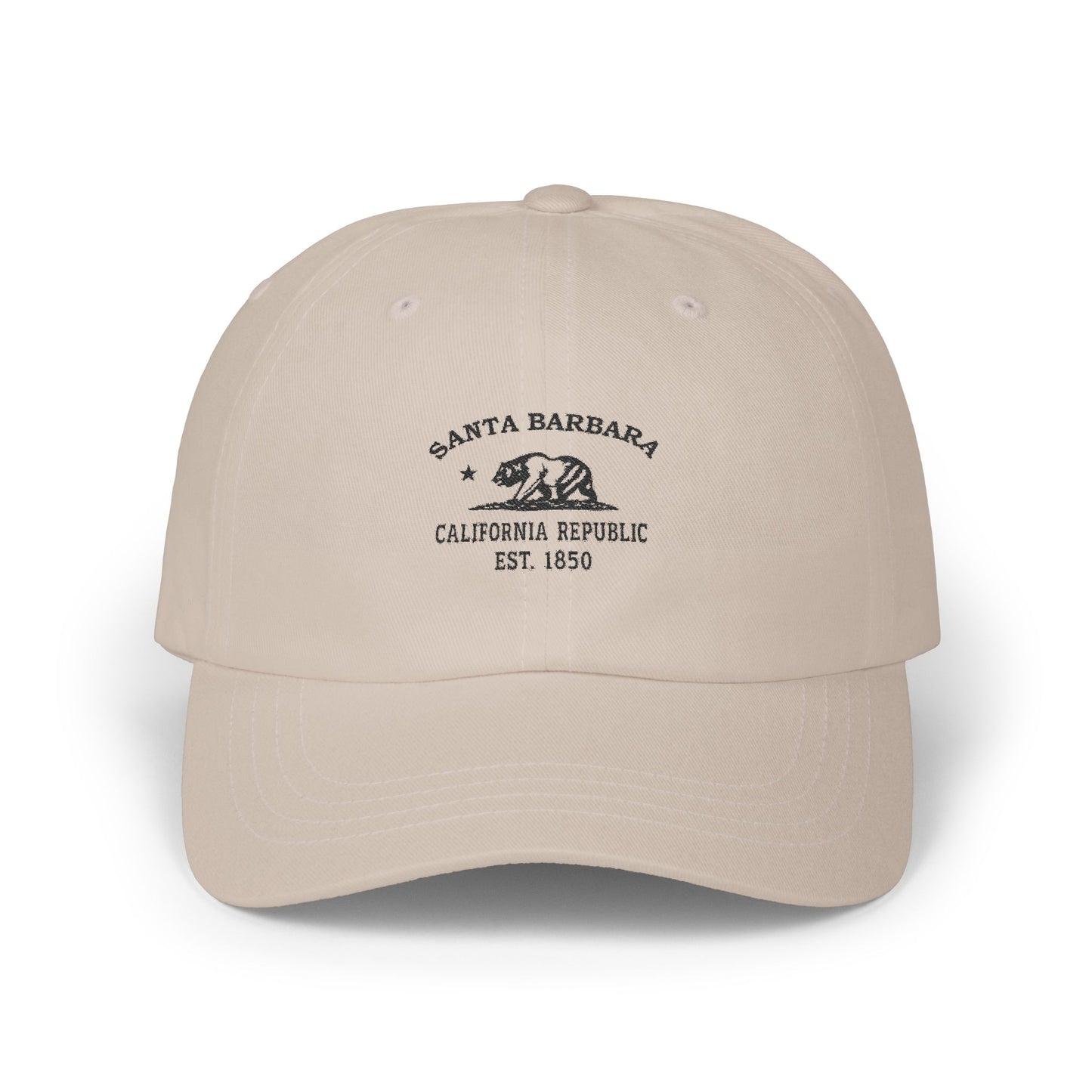
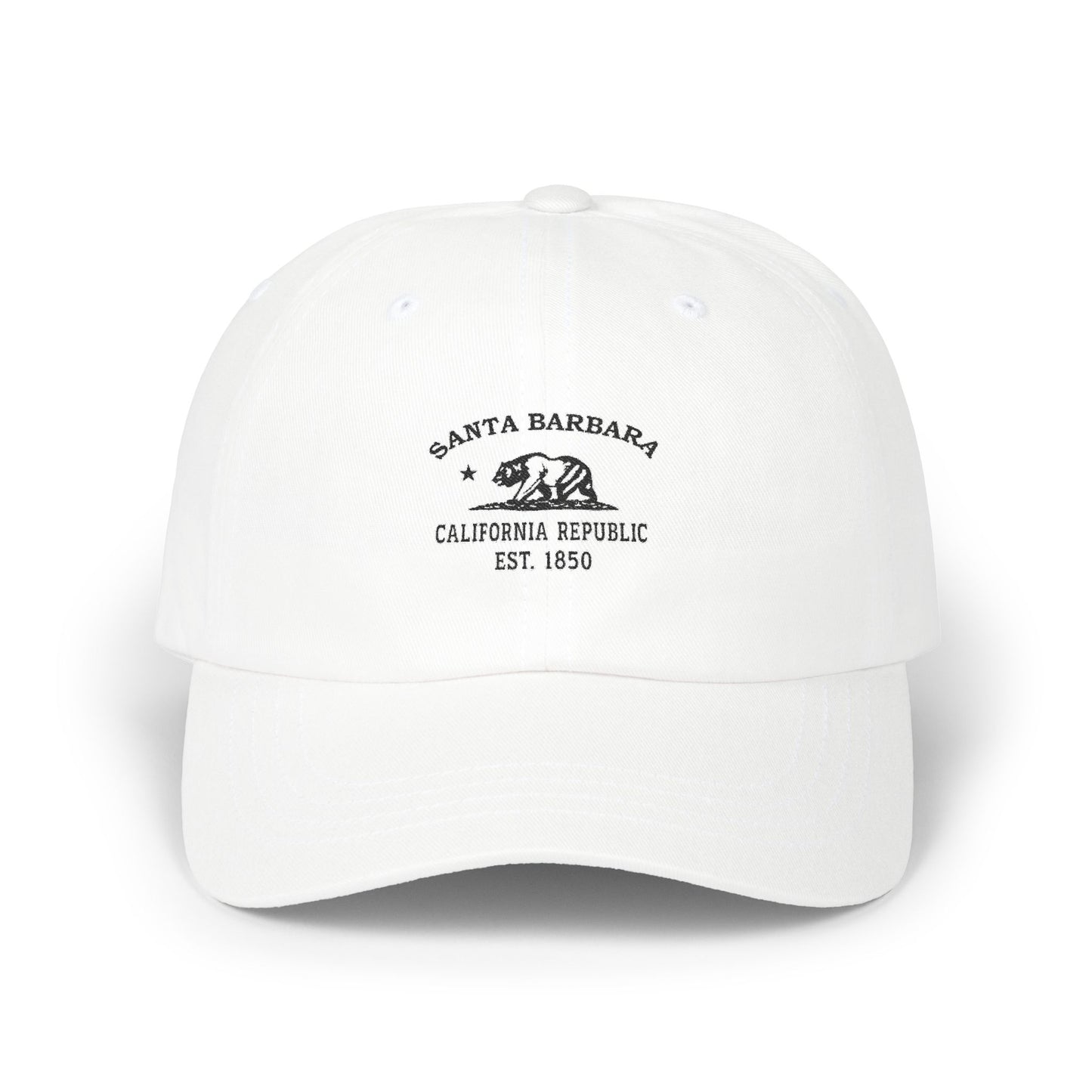
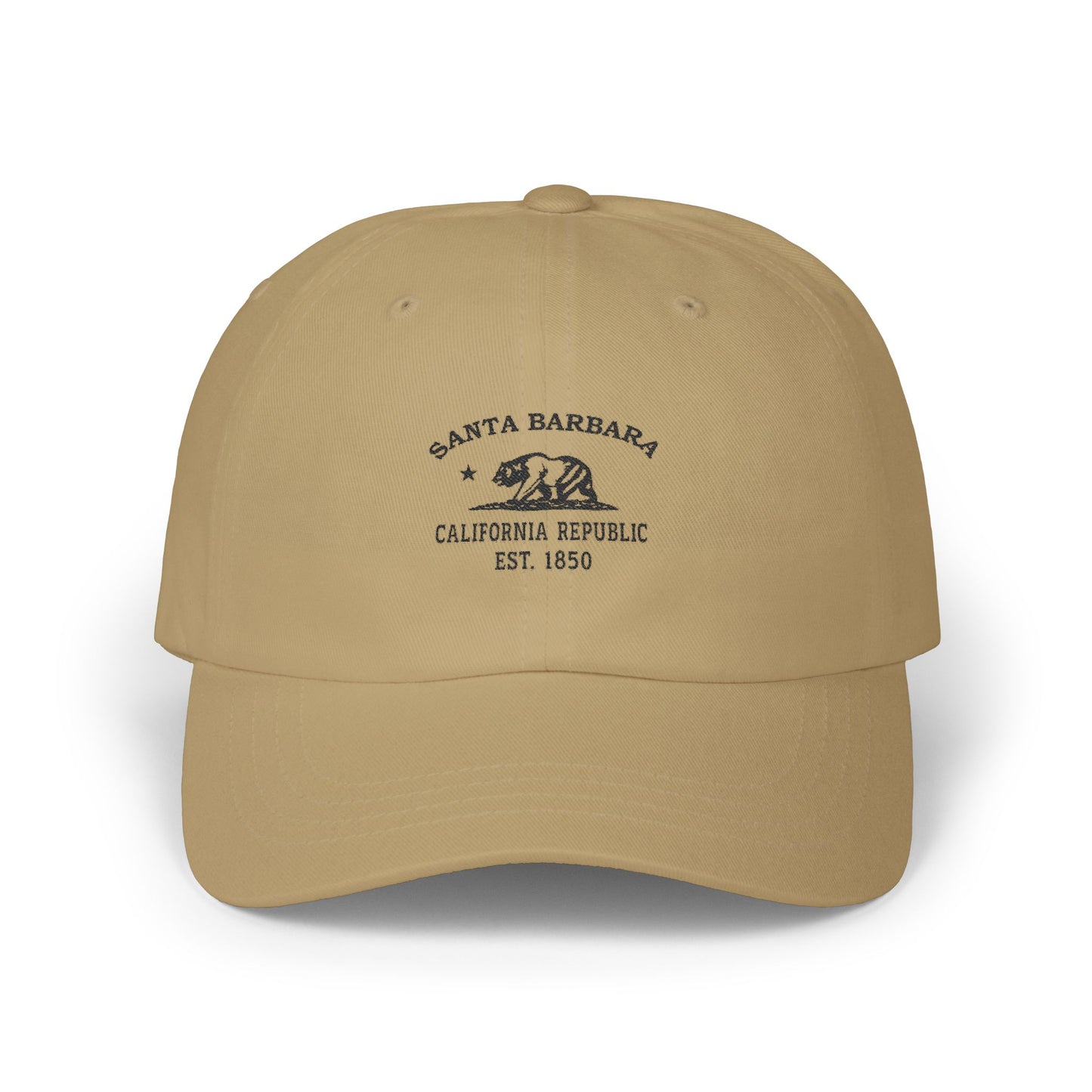
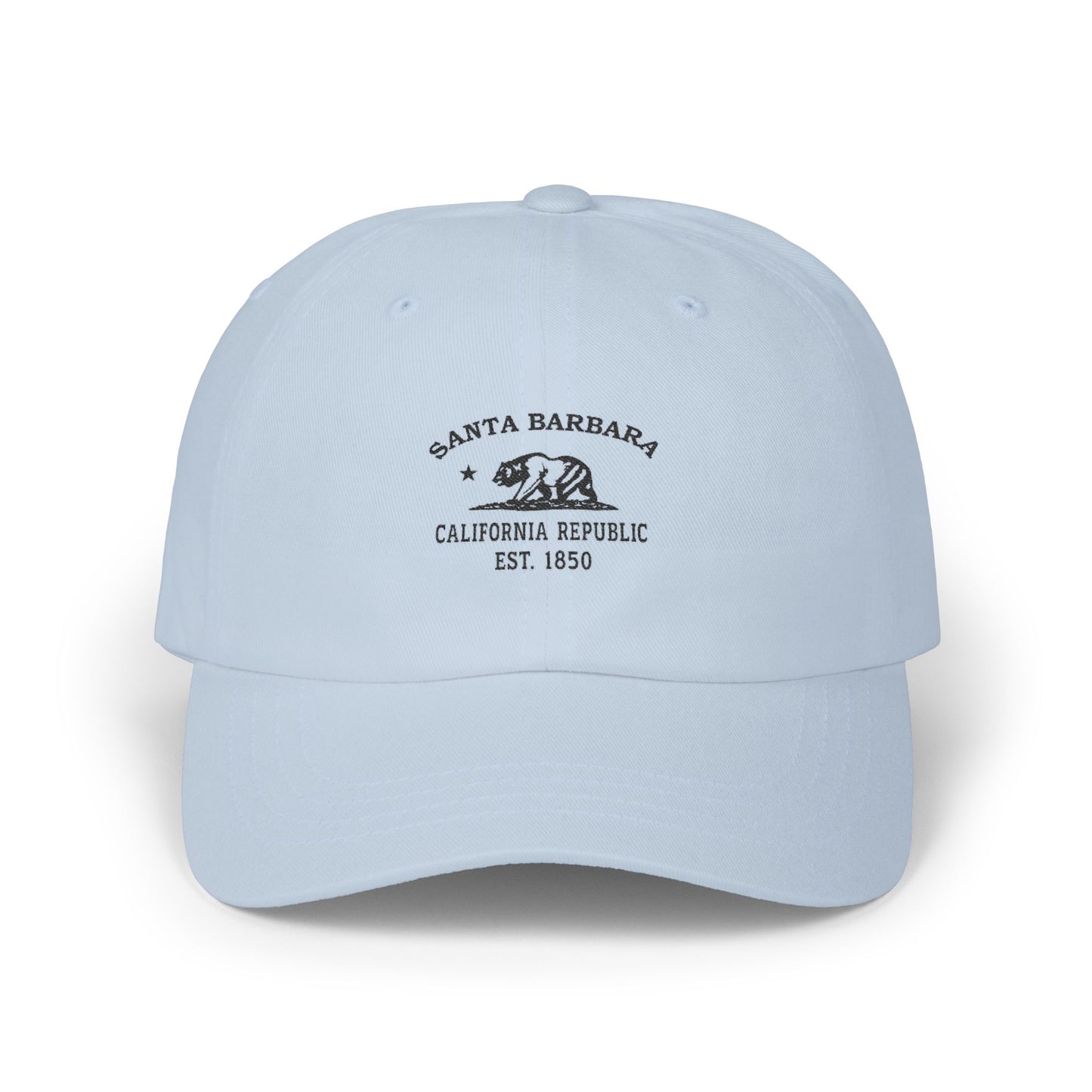
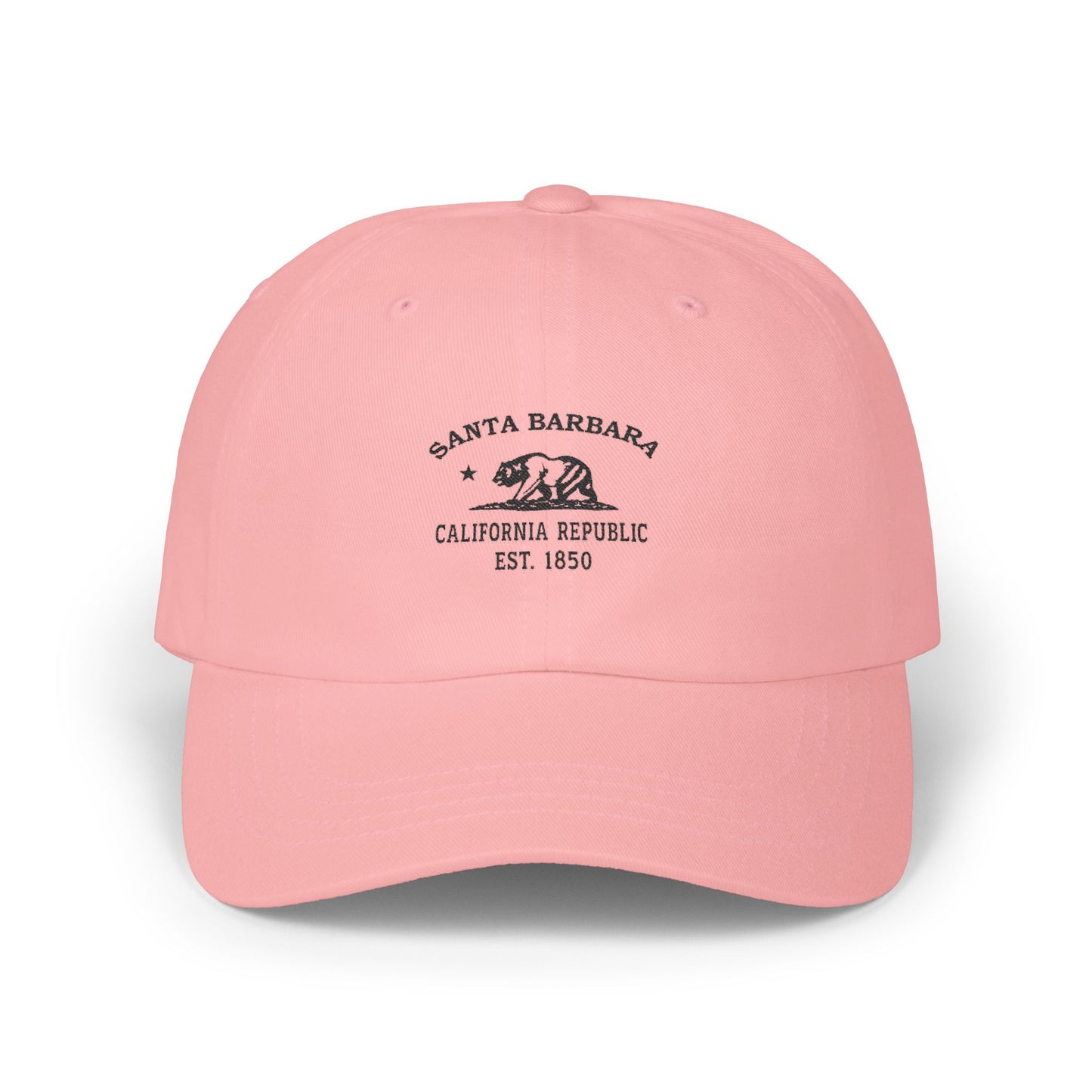
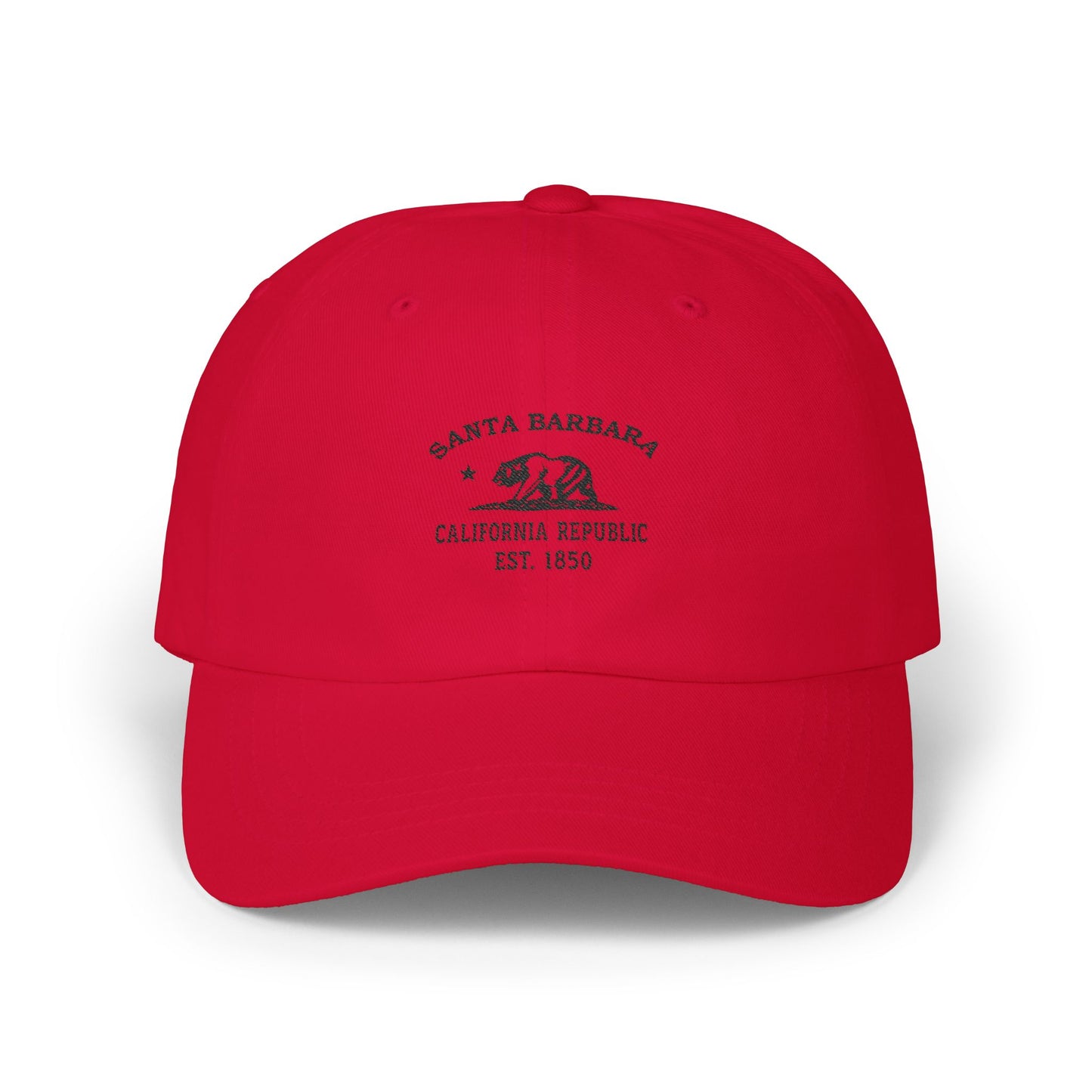
Our Santa Barbara retro logo uses California's bear and star motif, the brand-wide California emblem of every Merlin Classics CA town, symbolic of state pride and resilience. The bear embodies strength, independence, and wilderness heritage, while the star recalls the Bear Flag and California Republic spirit. The "1850" inscription ties the design to California statehood — the brand-pattern anchor across our California towns, regardless of each town's specific founding date. Black-and-white styling resembles WPA travel posters, citrus crate labels, or frontier signage, retro and practical. The motif bridges Santa Barbara's layered story: Chumash and Spanish roots, Mexican rancho era, American resilience, and the legislated post-1925 architectural identity. On merchandise, it communicates authenticity and endurance, retro vintage in tone, perfectly suited for honoring this American Riviera city.
What’s with the Dolphins? At the foot of Stearns Wharf, where State Street meets the sea, a bronze family of dolphins leaps from a fountain that has welcomed a million visitors a year since 1985. Sculptor Bud Bottoms dedicated it to the Chumash people, whose word for dolphin — alolk’oy — means to go around, to protect, and to go in peace; a bronze plaque of a Chumash cave painting is set into its base. And the fountain has a twin: in Toba, Japan, Santa Barbara’s sister city since 1966, an identical Dolphin Friendship Fountain faces the Pacific from the other side — two pods of bronze dolphins, one ocean between them.
Why People Visit Santa Barbara
- Tour Mission Santa Barbara, the 1786 Queen of the Missions, the tenth of the California missions and the only one in continuous Franciscan use — the 1820 twin-towered stone façade, the Sacred Garden, the cemetery, the mission museum.
- Climb the Santa Barbara County Courthouse El Mirador clock tower for the free panoramic view across the red-tile roofs to the Channel and the islands; tour the 1929 sandstone Spanish Colonial Revival interior with the painted Mural Room ceiling.
- Walk through El Presidio Real de Santa Bárbara State Historic Park, the 1782 Spanish fort site downtown — one of the four original Spanish presidios in California, now a partial reconstruction with the original Cañedo Adobe and El Cuartel still standing.
- Walk Stearns Wharf, the 1872 wooden wharf running out into the harbor — the oldest working wooden wharf in California — for shops, the Sea Center aquarium, and views back to the city against the Santa Ynez Mountains.
- Stroll State Street, the historic downtown spine of the post-1925 rebuild, lined block after block with whitewashed stucco, red tile, arches, courtyards, and ironwork.
- Visit El Paseo, the 1922 Spanish courtyard complex built around the 1819 Casa de la Guerra adobe — the architectural prototype that helped shape the post-1925 rebuild rulebook.
- Walk East Beach and West Beach, the long Channel-front sands either side of Stearns Wharf, and out to Butterfly Beach in Montecito for the south-facing afternoon light.
- Drive up to the Santa Barbara Botanic Garden in Mission Canyon, with native California plant collections and trails through the chaparral above the mission.
- Stroll the Santa Barbara Museum of Art on State Street for rotating exhibits in a 1914 Spanish-revival building.
- Catch a show at the Santa Barbara Bowl, the 1936 hillside amphitheater above downtown — one of the oldest outdoor concert venues in California.
- Take the Channel Islands ferry from the harbor out to Santa Cruz or Anacapa Island in the Channel Islands National Park, the rugged offshore archipelago the Chumash called Limuw, Anyapakh, and Tuqan.
- Time a visit for Old Spanish Days Fiesta in early August — the city's signature five-day annual festival of Spanish Colonial and Mexican-rancho heritage centered on the courthouse Sunken Garden.
