


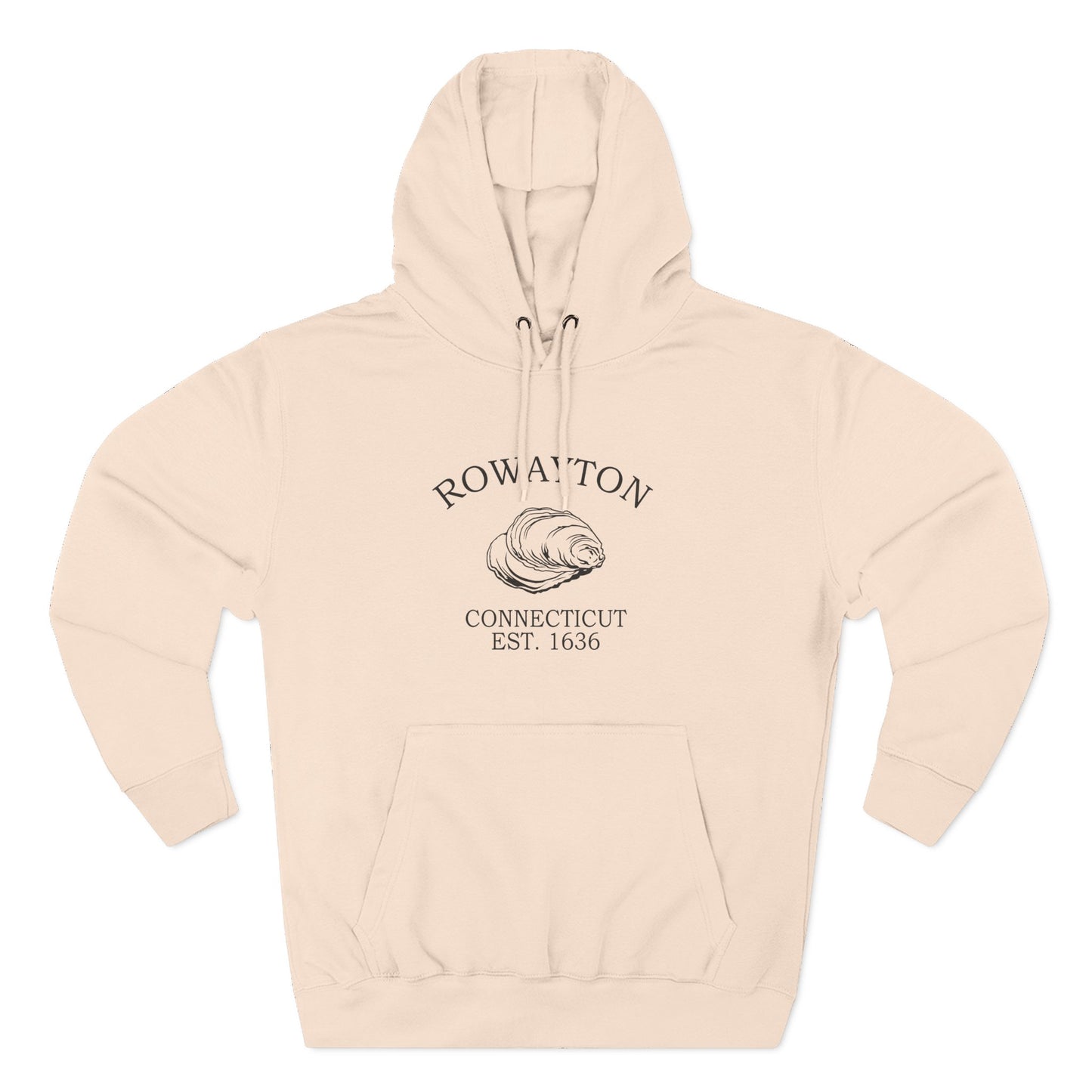
Rowayton has always governed itself a little differently. Though it sits inside the City of Norwalk, the village is its own Sixth Taxing District, running some of its own local services — its beach, its parks, its small-town affairs — with a town-meeting independence that long outlasted the farms. The steamboat-and-trolley era turned it into a summer place; the twentieth century turned it into a commuter village, with trains to New York and new neighborhoods on the old farm lots. Through all of it, the working waterfront and the village scale held, and Rowayton never quite stopped feeling like a town apart.
Long before the resorts and the regattas, this was the country of the coastal Algonquian people of the Norwalk shore, who fished the coves and the river mouths and gathered shellfish along the Sound. The Five Mile River — the tidal inlet that still defines the village and divides it from Darien — was a fishing ground and a sheltered landing centuries before a single wharf went in. An honest history of Rowayton begins on that water, with the people who worked it first.
Why People Visit Rowayton
Rowayton offers the Connecticut shore at its most relaxed and characterful — sailing, art, and quiet beaches in a village that has kept its scale and its salt-water soul. Visitors come for the harbor and the shore parks and stay for the unhurried, distinctly New England feel. From the oyster sloops that once worked the Five Mile River to the regatta sails of today, the harbor still sets the village's rhythm. It is welcoming, walkable, and beautiful in every season on the Sound.
