


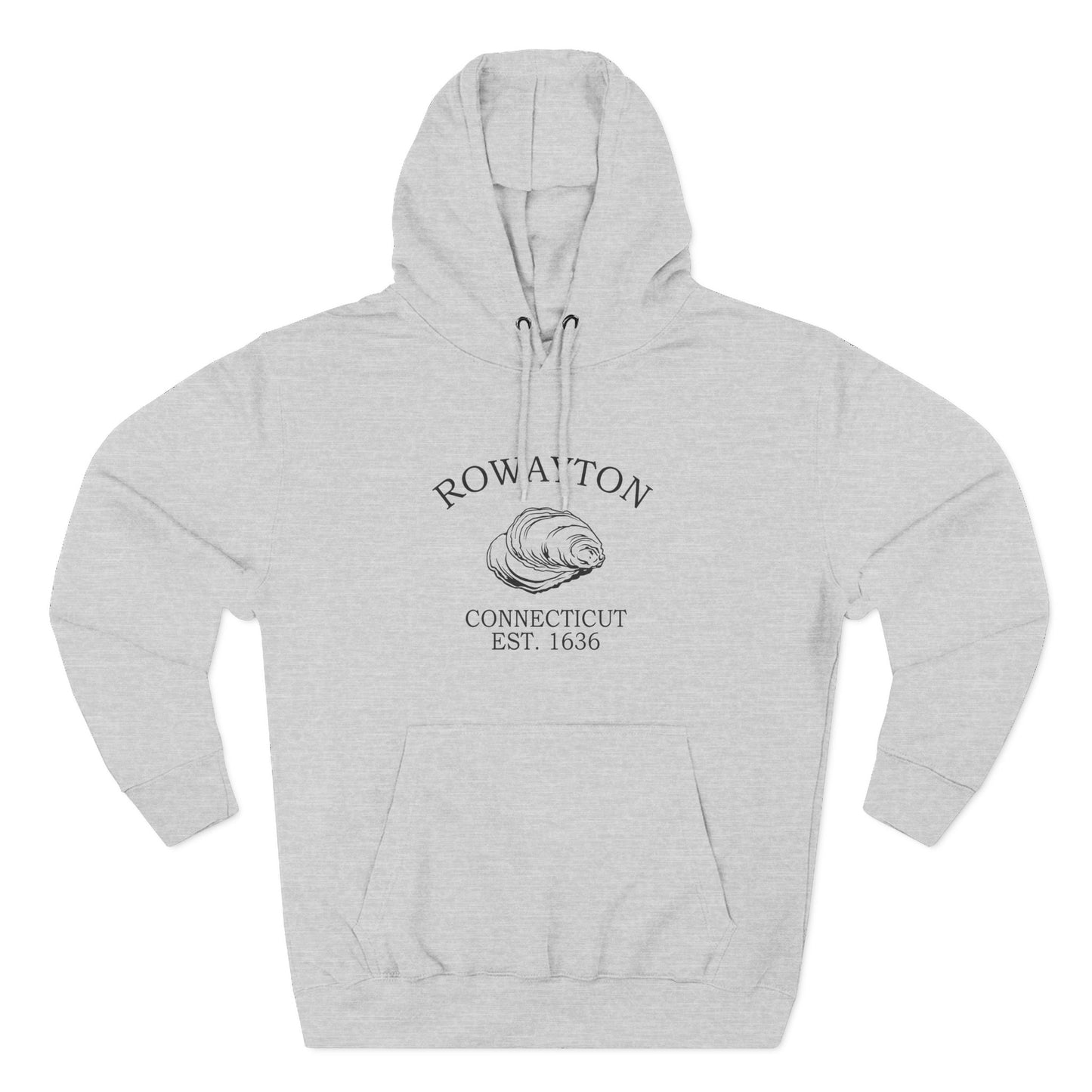
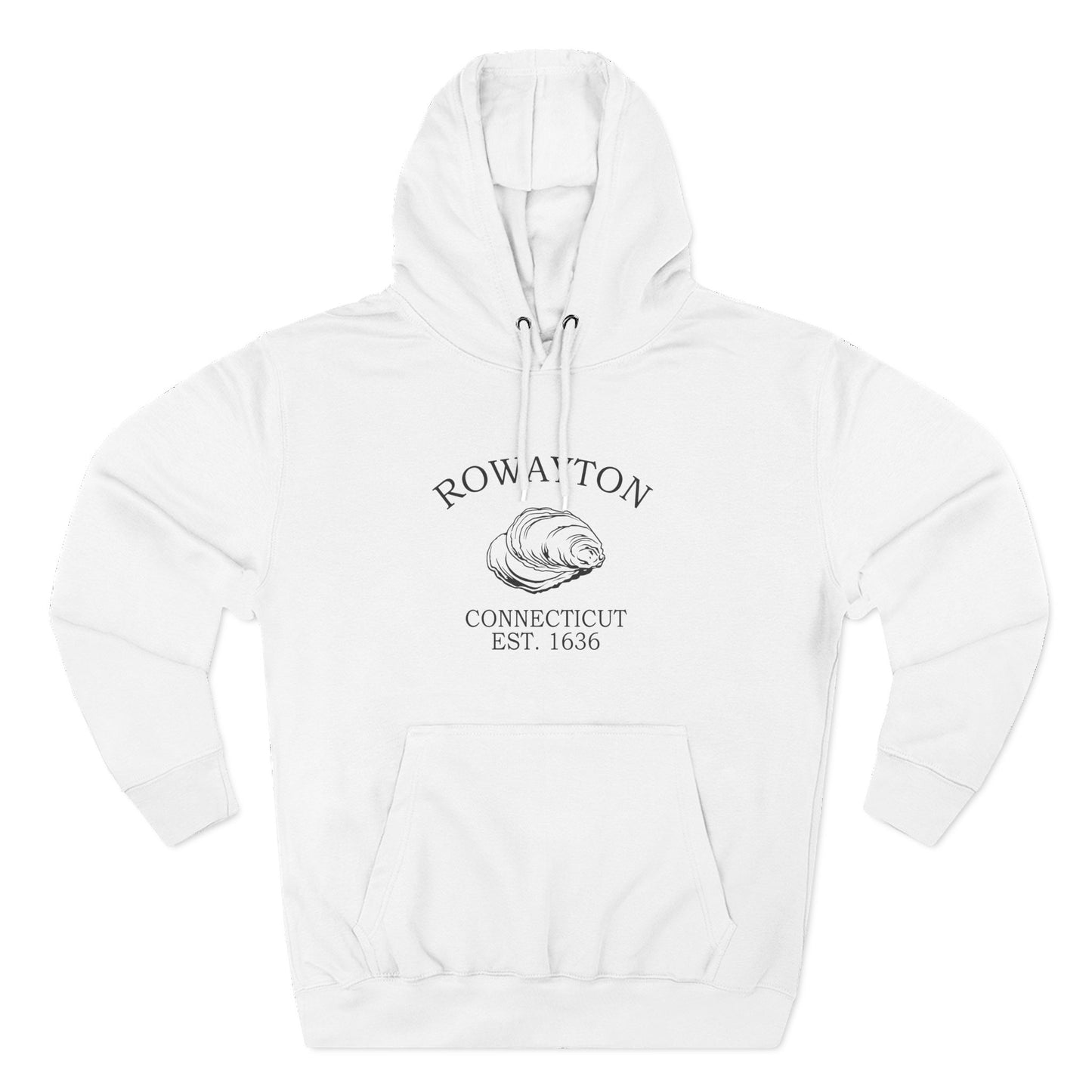
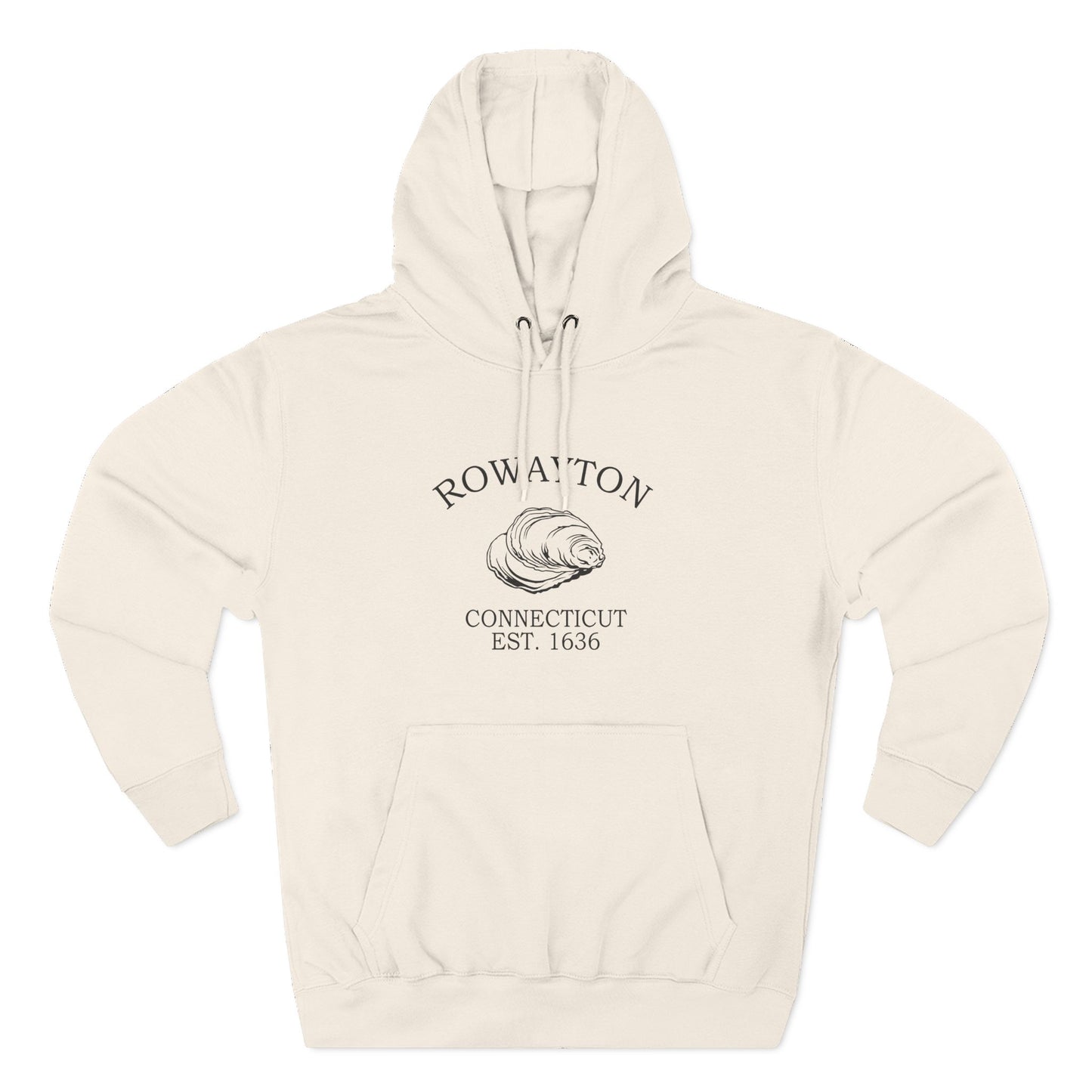
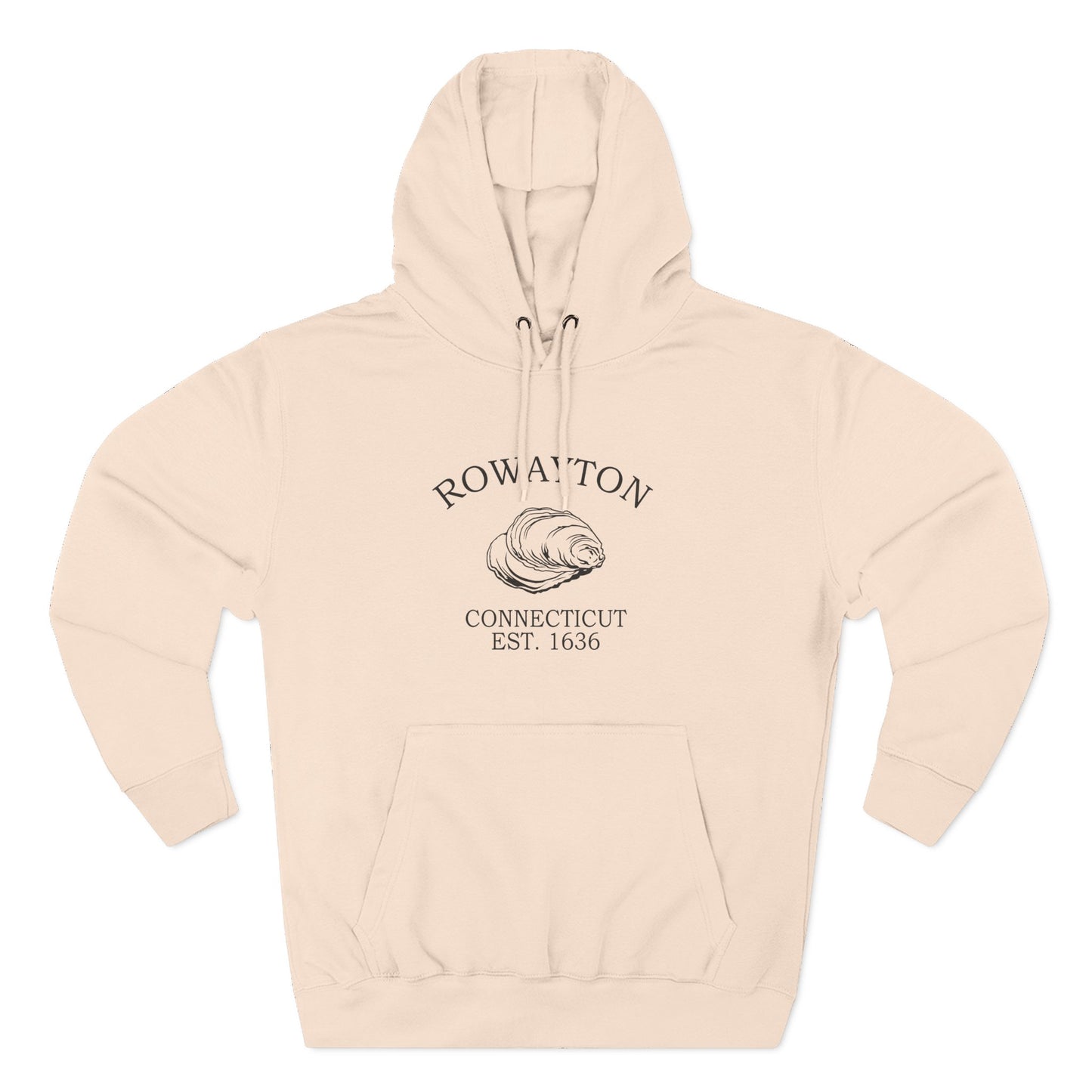
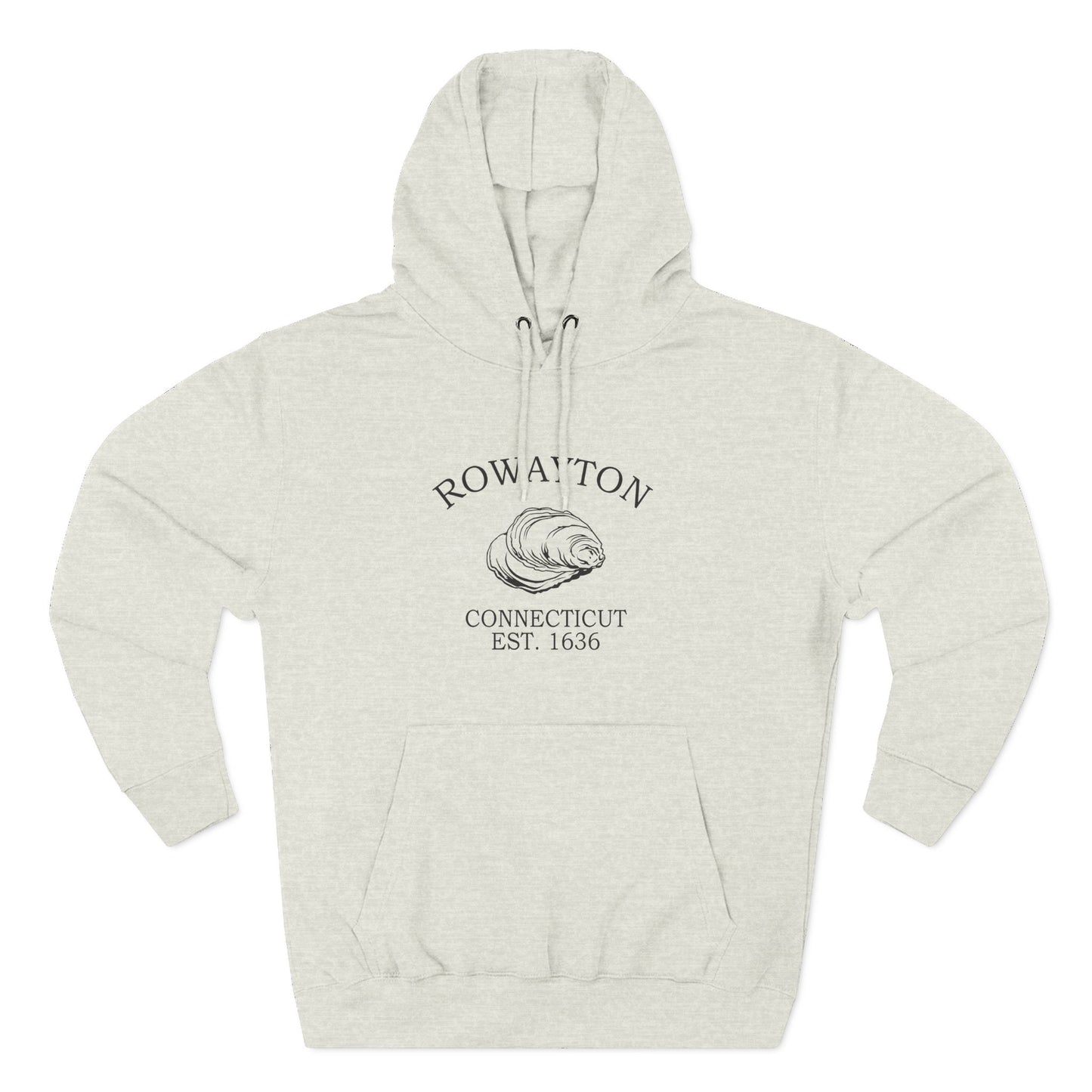
What made the shore was the oyster. Through the nineteenth century, the Long Island Sound beds off Norwalk and Rowayton grew into one of the most productive oyster fisheries on earth, and the Five Mile River filled with the low, broad-decked oyster sloops that dredged and tonged the beds and carried the catch to market. Shellfish houses lined the river, small yards built and repaired the boats, and generations of Rowayton families made their living between the tide lines. The oyster on our logo is not decoration — it is the literal foundation the village was built on.
Long before the resorts and the regattas, this was the country of the coastal Algonquian people of the Norwalk shore, who fished the coves and the river mouths and gathered shellfish along the Sound. The Five Mile River — the tidal inlet that still defines the village and divides it from Darien — was a fishing ground and a sheltered landing centuries before a single wharf went in. An honest history of Rowayton begins on that water, with the people who worked it first.
Why People Visit Rowayton
Rowayton offers the Connecticut shore at its most relaxed and characterful — sailing, art, and quiet beaches in a village that has kept its scale and its salt-water soul. Visitors come for the harbor and the shore parks and stay for the unhurried, distinctly New England feel. From the oyster sloops that once worked the Five Mile River to the regatta sails of today, the harbor still sets the village's rhythm. It is welcoming, walkable, and beautiful in every season on the Sound.
