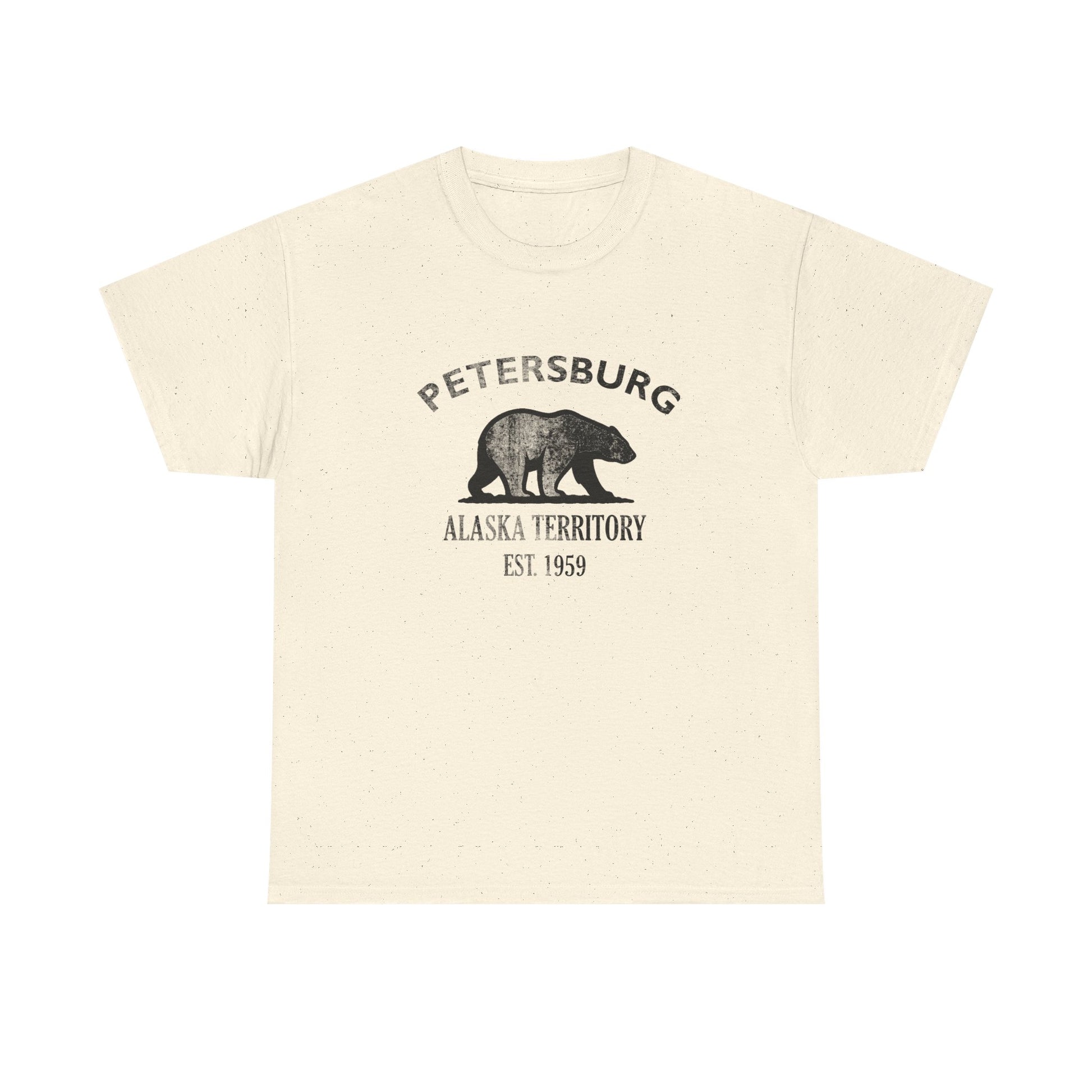
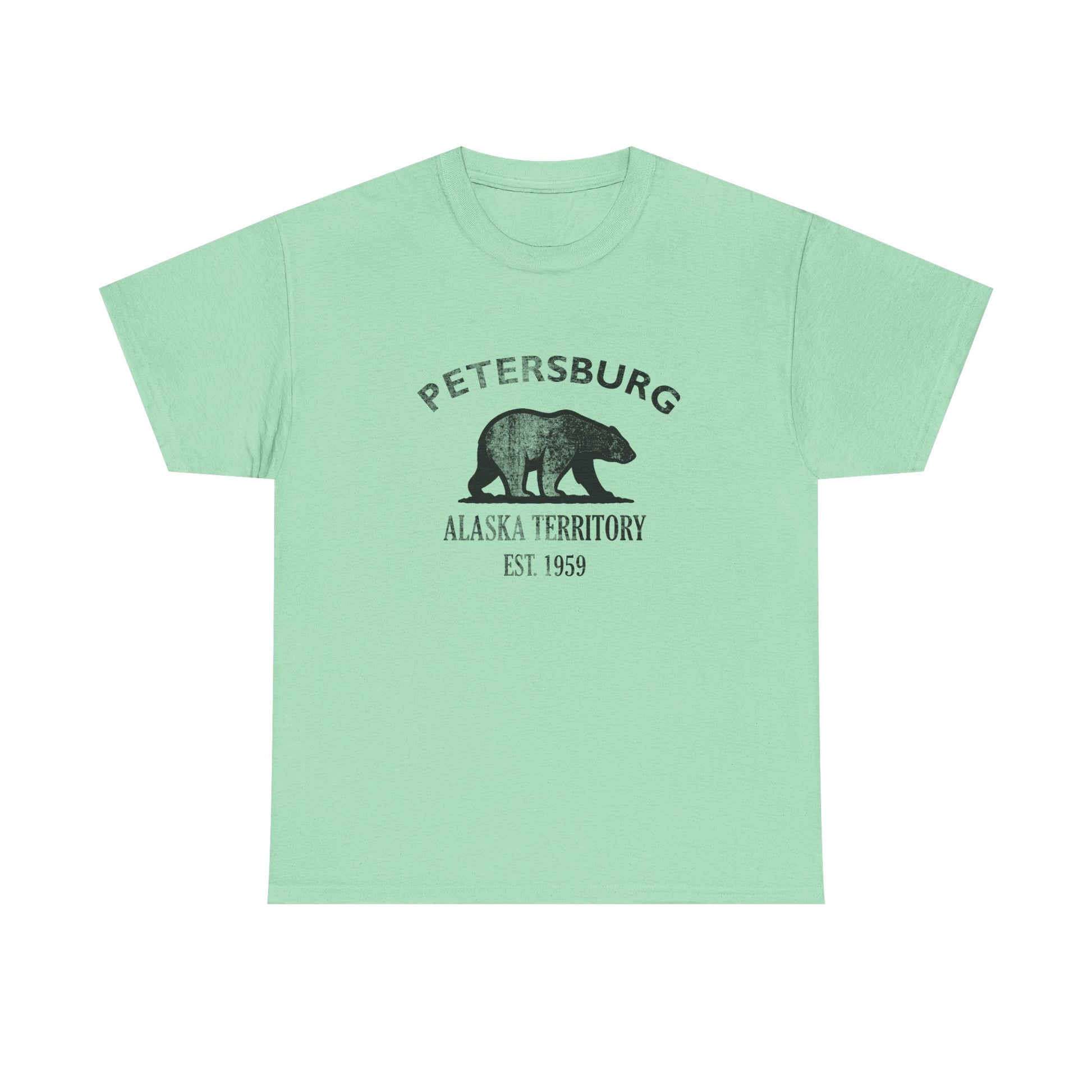
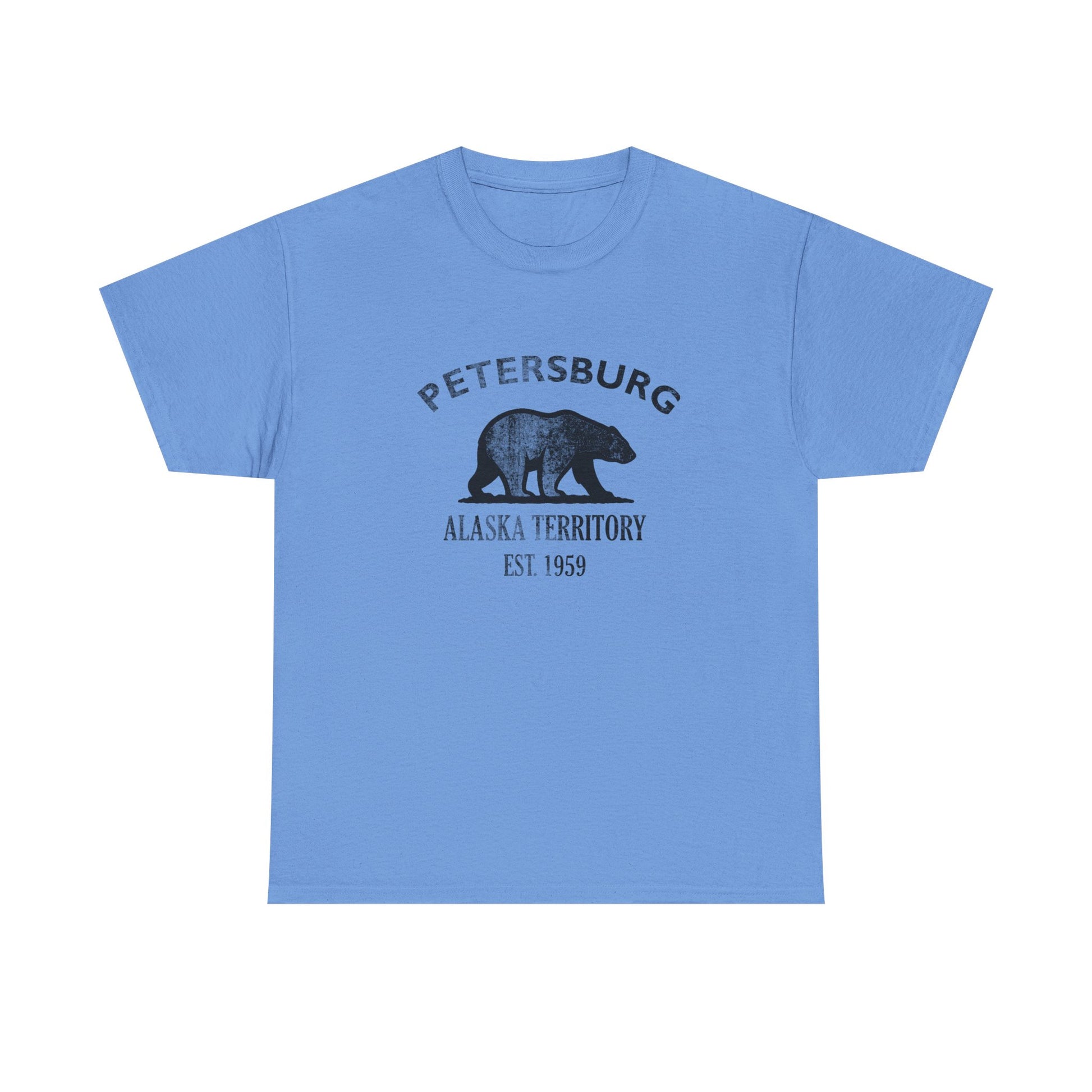
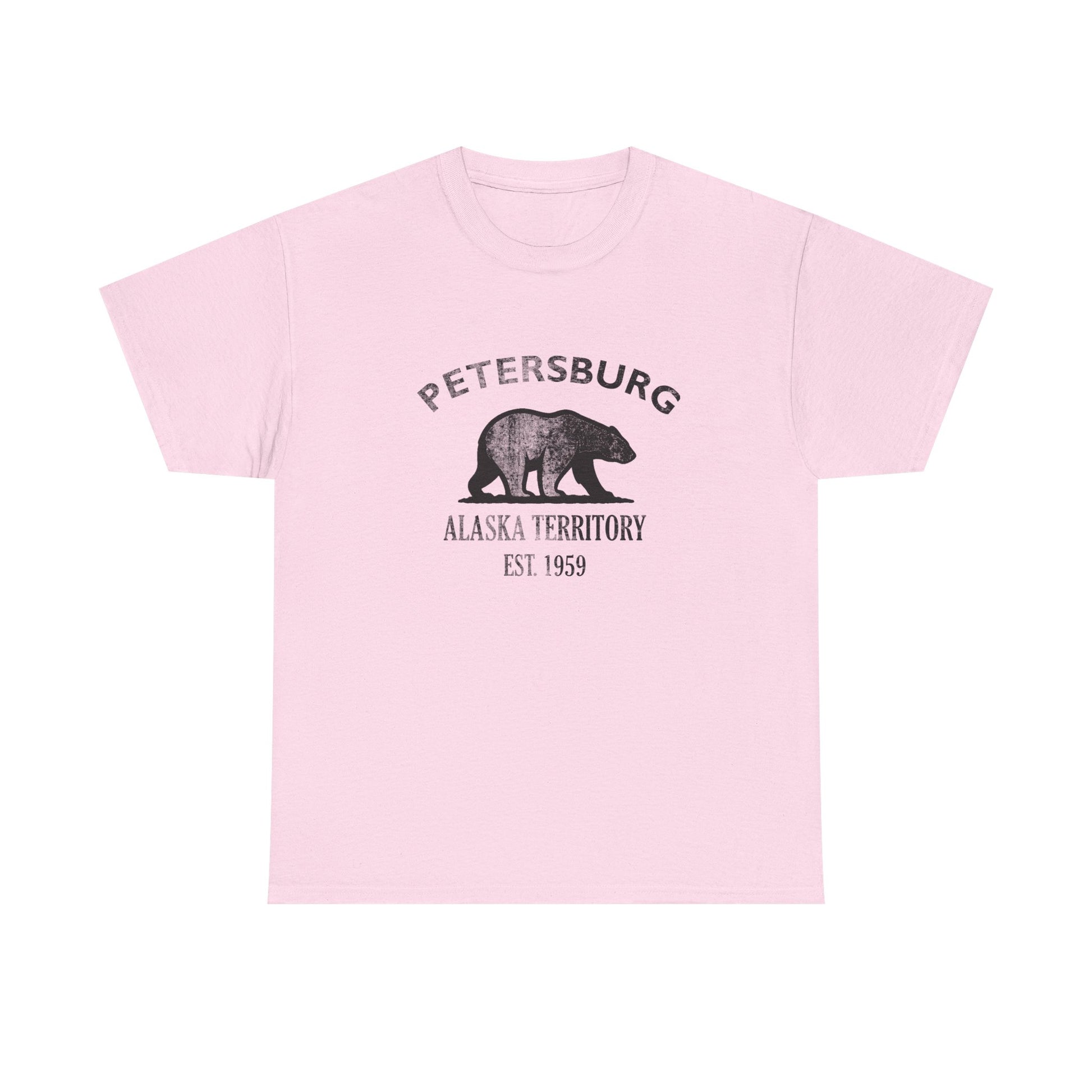
The town's lore is fishing-fleet lore. Stories of crews lost in the Narrows and on the Gulf — the Bojer Wikan Memorial honors one of them, with a nine-foot bronze sculpture of a fisherman and a roll of names. Stories of the LeConte Glacier sending bergs the size of small buildings down LeConte Bay into the open water just south of town. Stories of the Norwegian-language phone book that ran for years after every other Alaska town had given up the language, of high school basketball games played for decades inside the Sons of Norway Hall (the hoop is still there). Stories of the Stikine River breakup every spring sending Tlingit families down to the salmon camps as their ancestors had for generations, and of the Norwegian fishing families running their own boats up the same river for crab. Petersburg is a small town where four cultures — Tlingit, Norwegian, Russian-era charting, American statehood — sit on the same waterfront without competing for it.
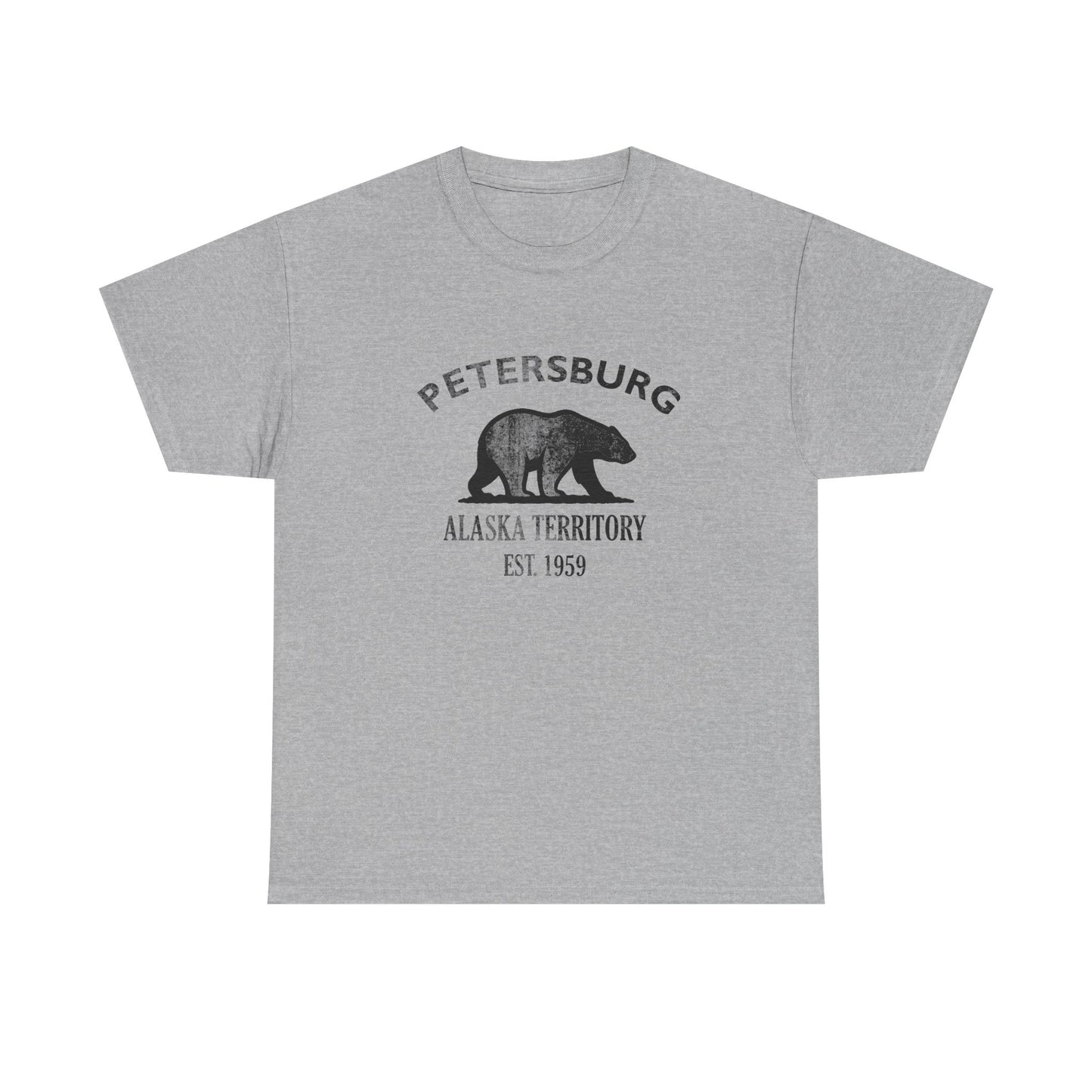
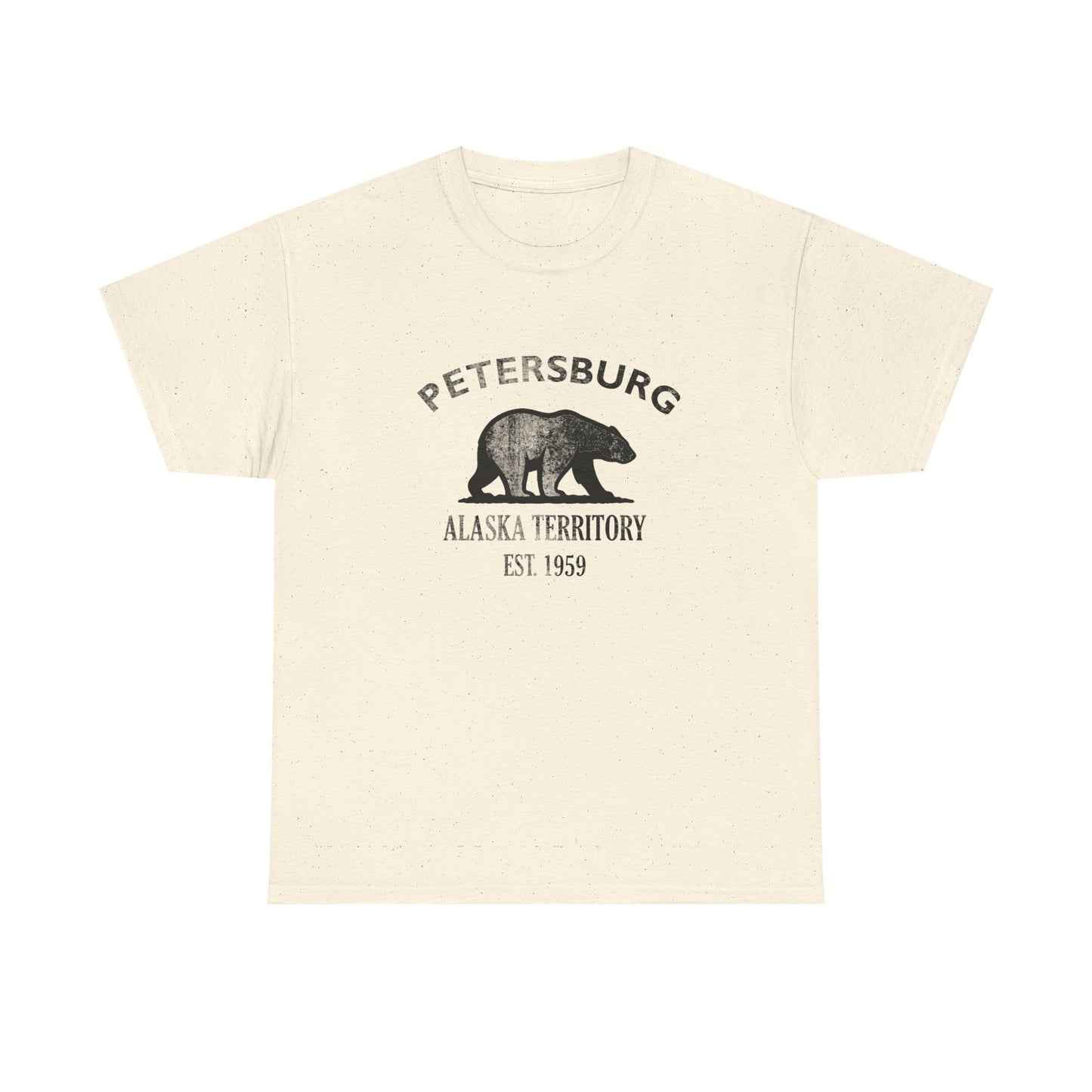
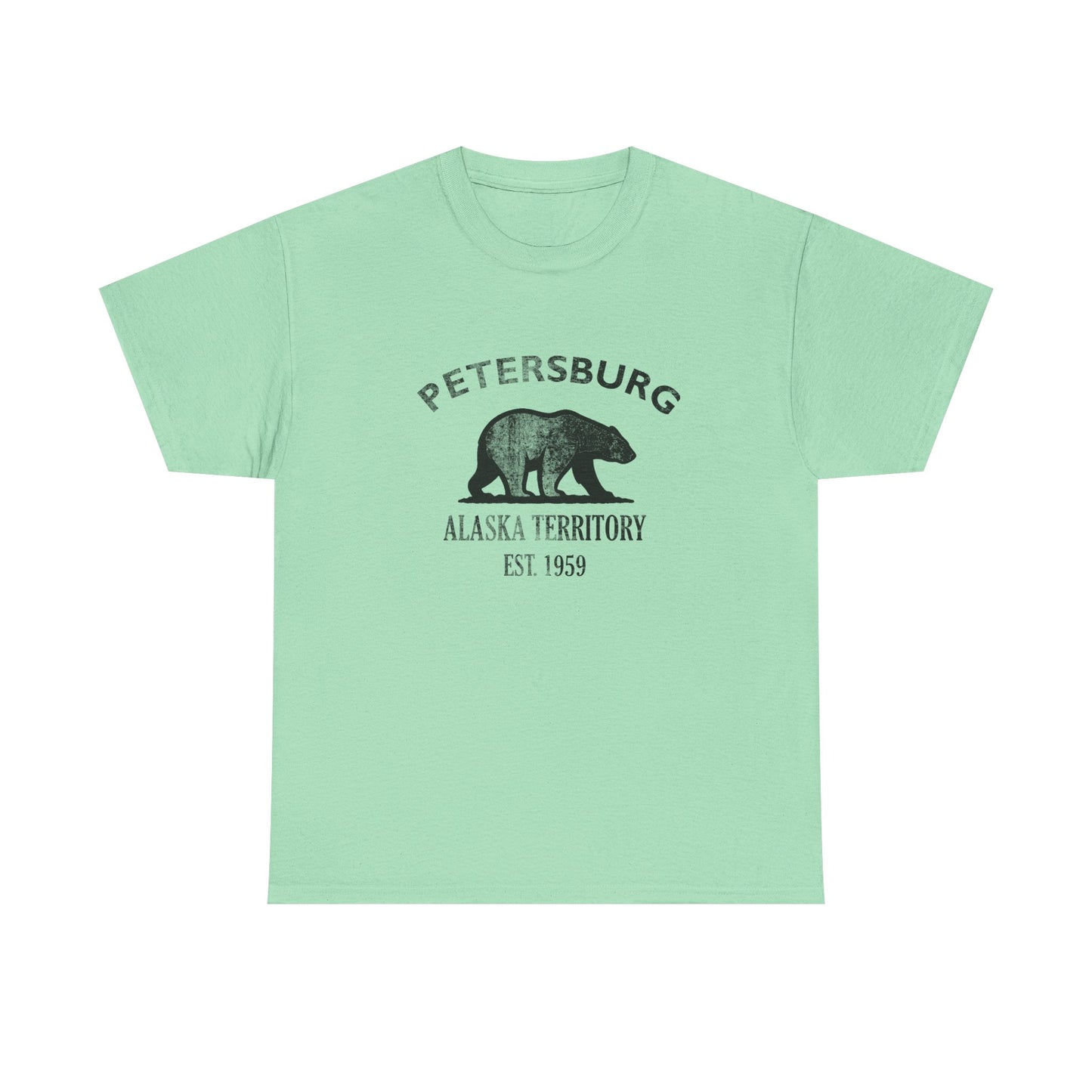
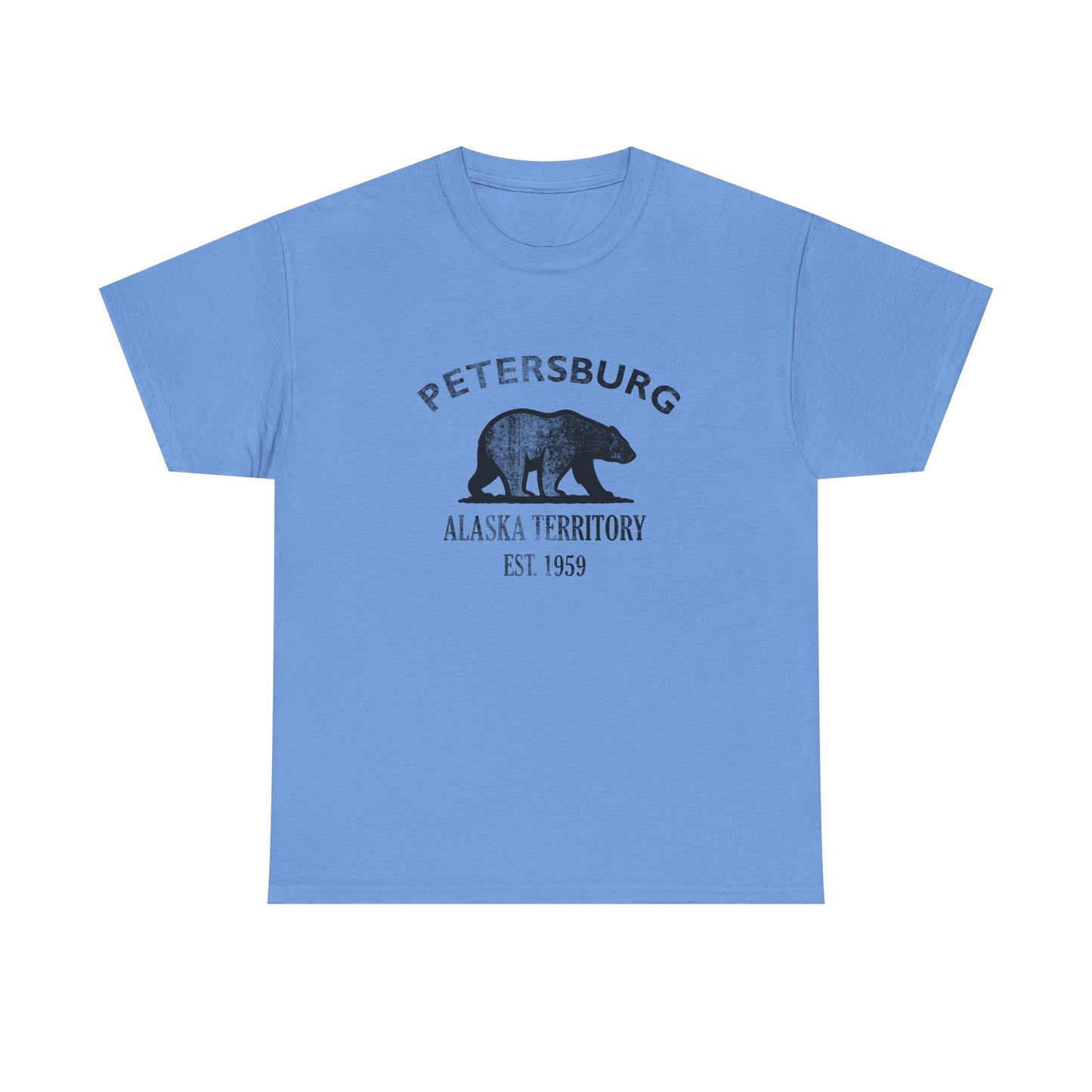
Today Petersburg keeps the largest home-based halibut fleet in Alaska, the 1912 Sons of Norway Hall in continuous use, the Little Norway Festival every mid-May, the Tlingit petroglyphs at Sandy Beach still readable in the right light, and a population of about three thousand who still mostly know each other. Our Petersburg designs gather that identity into wearable form: the bear, the harbor, the Narrows, the Norwegian heritage, the LeConte ice. Explore the collection and carry a little of Alaska's Little Norway with you.
Why People Visit Petersburg Alaska
Petersburg is the rare Alaska town where the heritage is real and the working harbor is still working. Visitors come for Alaska's Little Norway — the 1912 Sons of Norway Hall, the rosemaling, the Little Norway Festival, the Norwegian-American fishing-town identity that hasn't softened into a souvenir. They come for the Wrangell Narrows and the boat day to LeConte Glacier. They come for the largest home-based halibut fleet in Alaska tied up at the harbor a block from downtown. And they come because Petersburg is what a working Southeast Alaska town looks like when the cannery has never stopped running and the locals still mostly know each other. It is compact, walkable, Norwegian, working, and unmistakably Alaska.
