



Two estates shaped the village that visitors know today. In the 1880s the banker and railroad financier J. Kennedy Tod built his “Innis Arden” estate out on Elizabeth's Neck, with a stone mansion, a boathouse, and gardens along the peninsula; in 1945 the town acquired the property, and Tod's Point became Greenwich Point Park — the beloved town beach, with its tidal ponds, walled garden, and holly grove, that locals still simply call “the Point.” Inland, the pond and lawns of Binney Park were given to the village in 1928 by Edwin Binney, the co-inventor of the Crayola crayon, who summered nearby.
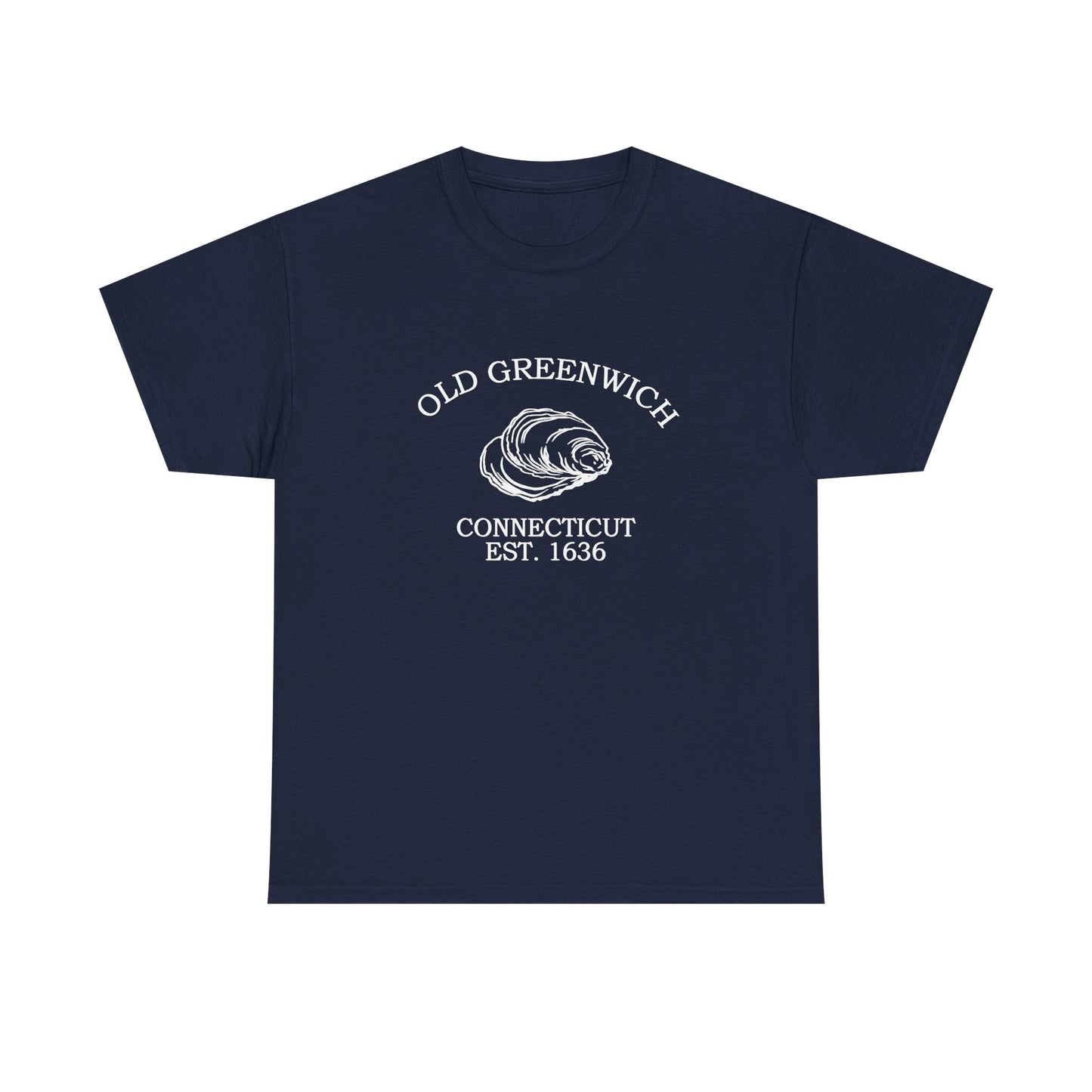
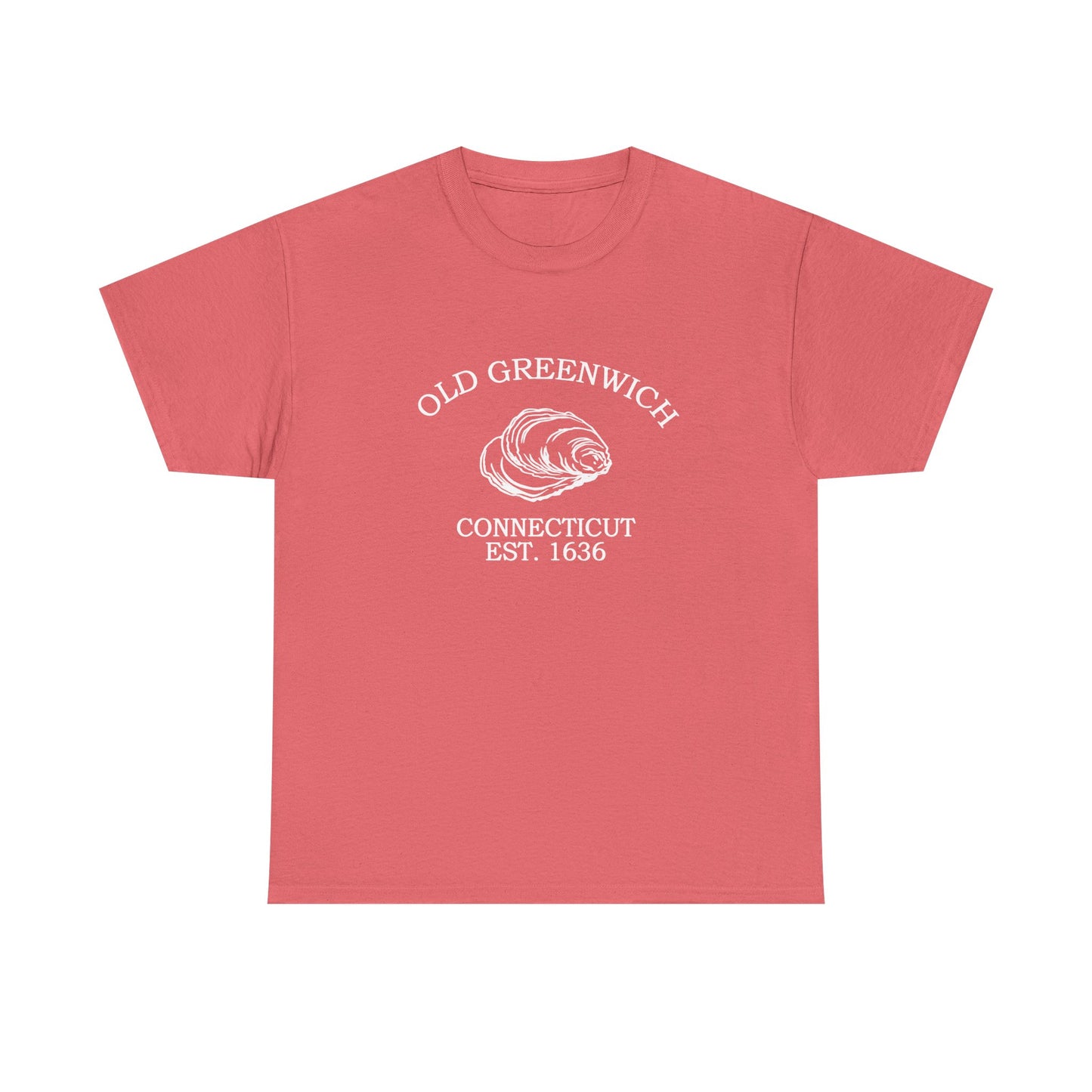
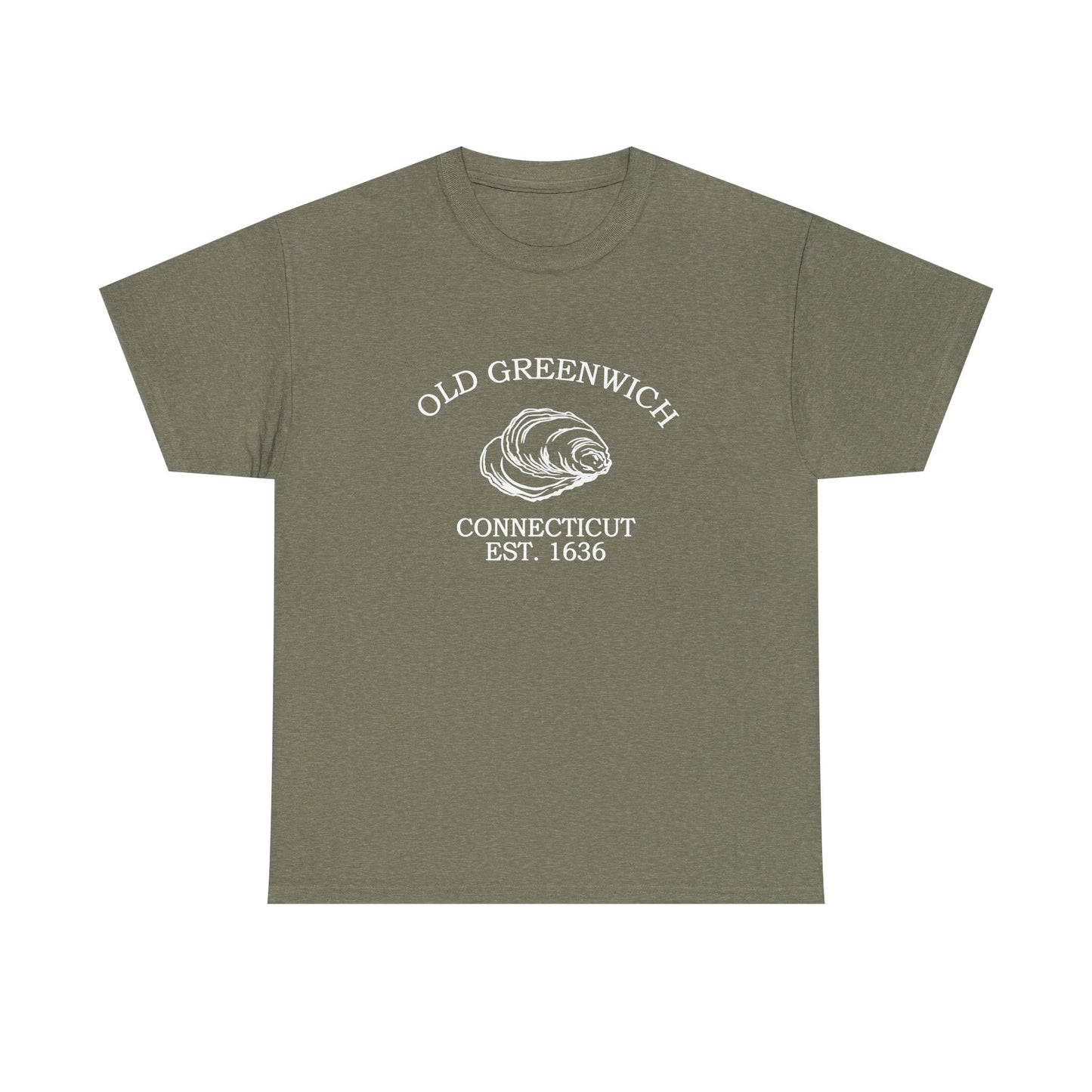
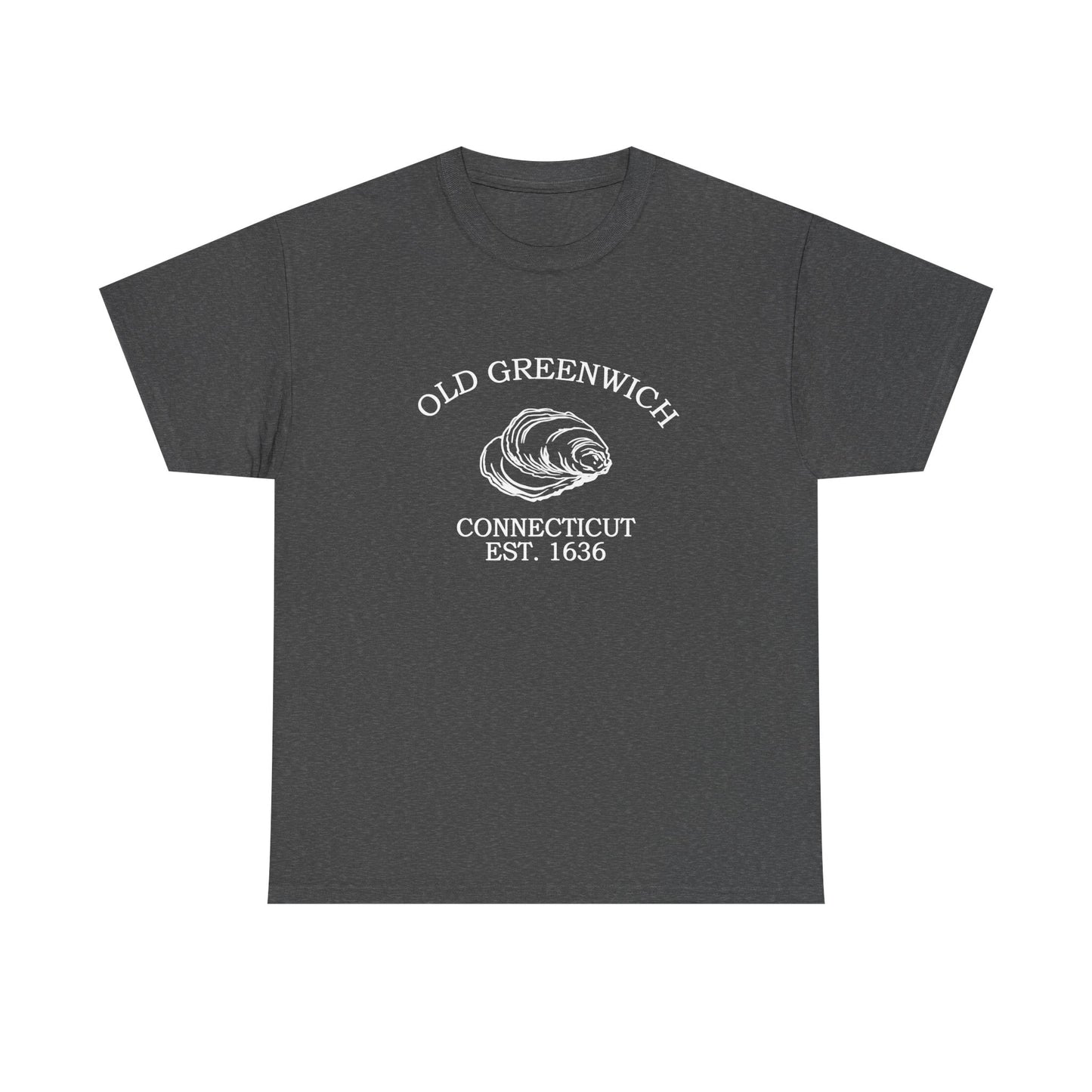
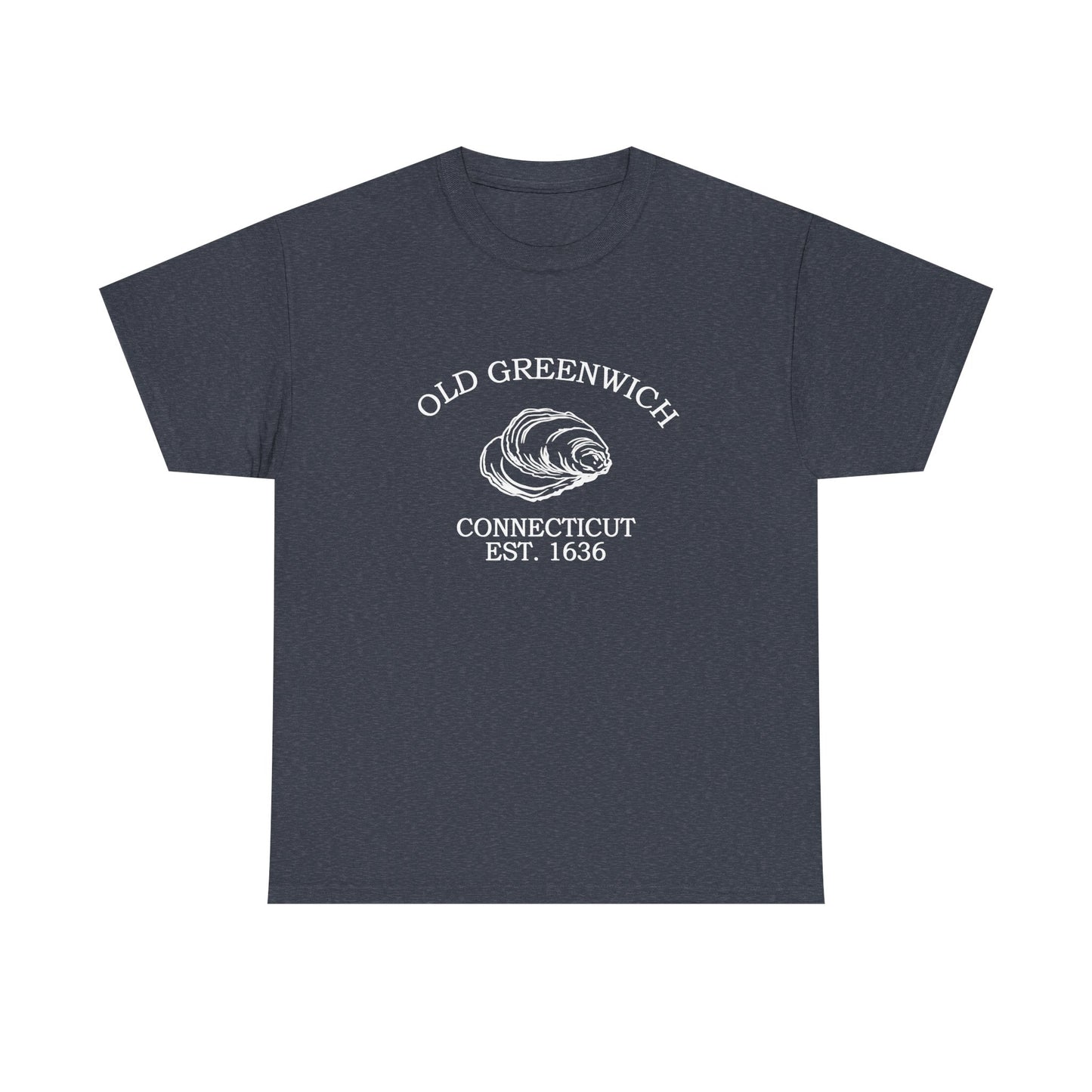
Our Old Greenwich logo carries Connecticut's oyster, above “Est. 1636,” the founding era of the Connecticut Colony — the shared emblem of every Merlin Classics Connecticut shoreline place. Printed in a worn black-and-white that recalls an old oyster-crate label, the oyster is the shoreline in shorthand: briny, durable, and tied to the working water. The oyster is the through-line that links Old Greenwich to every other Connecticut town we make. What makes this one Old Greenwich is everything around it — the shining sands of Tod's Point, the pond at Binney Park, and the 1640 founding ground where Greenwich began.
Why People Visit Old Greenwich
Old Greenwich offers the Connecticut Gold Coast at its most low-key — a real shore village with a beach peninsula, a pond park, and a handful of streets of shops, plus the quiet distinction of being where Greenwich began. Visitors come for Tod's Point and the Sound, the founding history, and the unhurried village pace, and stay for the beaches, the coves, and the deep-rooted New England feel. It is refined, historic, and genuinely Connecticut.
